
Blog
Replacing a Garage Door in Bothell: What the Housing Stock and Climate Change About the Job
Most Bothell garage doors date to 1966-2001 and were built for a milder opener load. Here's what matters before you replace one in this cold, wet climate.
The Problem
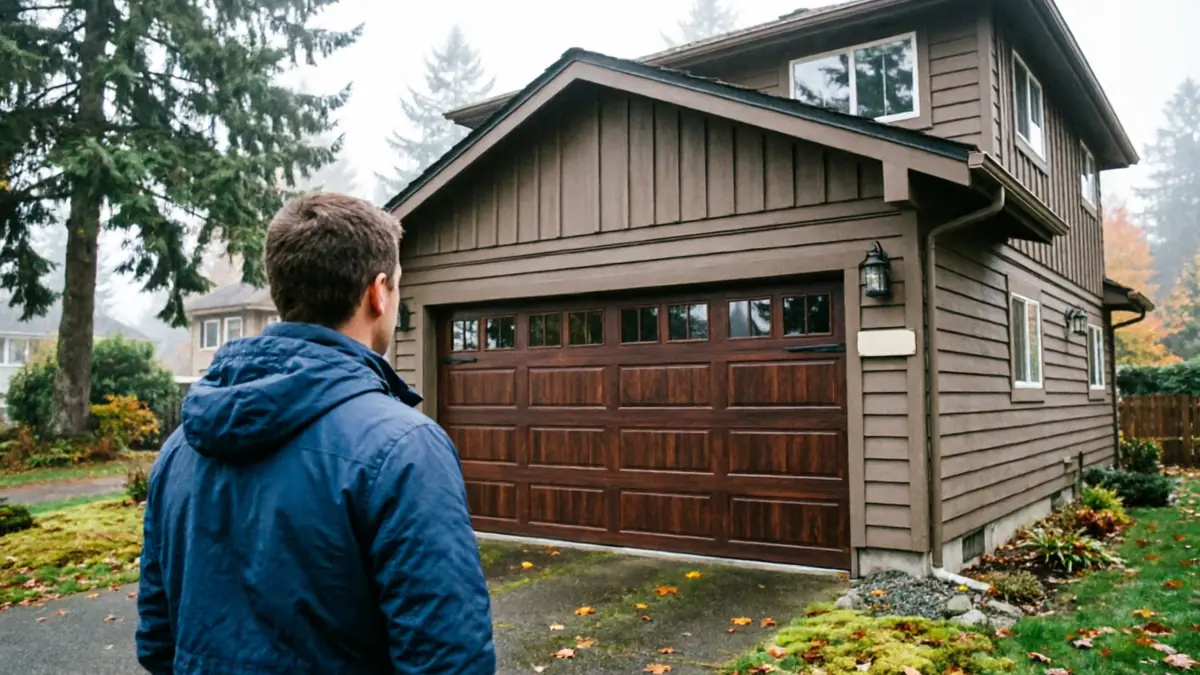
Across the Bothell service area, housing was mostly built between 1966 and 2001, with the median landing around 1985. That means the garage door on a lot of these houses is either the original unit or a first-generation replacement from the 90s or early 2000s. Across the 37 named areas we work in, the stock skews the same way: 1980s and 90s construction dominates. When a homeowner calls about buying a replacement door here, the starting point usually isn't a broken panel - it's a door that's aged out of the track and opener system it was built with. Original tracks from that era are often narrower than what current openers and insulated panels expect, and the jamb framing wasn't always squared for today's heavier sectional doors. So a straight swap, same size, same mount, isn't always possible without some bracket and track work. With 84,943 owner-occupied houses in a service area of 149,942 households, this is a common job, not an edge case - but it's rarely a drop-in replacement, and pricing that assumes one usually gets revised once we're standing in front of the opening.
How Local Conditions Play In
This is a cold, moderate climate - not the brutal freeze-thaw of the Rockies, but steady damp cold that sits on untreated steel and wood trim for months at a time. On houses built in the 1966-2001 window, that's decades of moisture cycling through a track and hardware set that was never galvanized to current standards. We see it most on doors facing north or shaded by mature trees, common on the older lots around Kenmore and Lake Forest Park distances from here. A replacement door bought today should carry weatherstripping and bottom seals rated for that kind of damp cold, not the economy trim that's fine in a dry climate but turns brittle or lets water track up into the panel seams here. It's also worth checking the jamb for rot before you order a door - a new door hung on a soft jamb will rack within a season, and that's a callback nobody wants, us included.
The Seasonal Bit
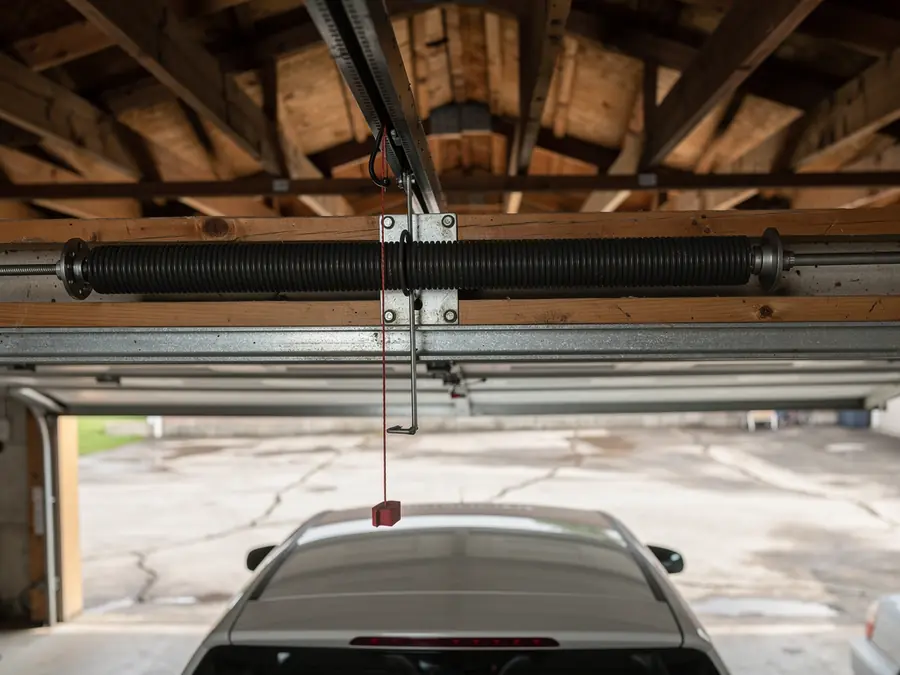
In a cold moderate climate, the swing that matters isn't deep freeze - it's the steady wet stretch where humidity sits high and temperatures hover near freezing without committing to it. That's when steel springs lose tension faster and wood panels on older 1980s-era doors swell at the bottom rail. If you're buying a replacement door here, late fall through winter is when the symptoms show up - a door that used to balance fine suddenly drags or won't seat - but it's not the best time to replace, since cold slows curing on some weatherstrip adhesives and painted finishes. Spring and early summer, once things dry out, is a better install window if the door isn't an emergency. That's a scheduling note worth knowing before you decide a January problem needs a January install.
The Common Mistake
The mistake we see most with homeowners in this area: ordering a replacement door sized to the opening as it exists today, without accounting for the fact that houses from the 1966-2001 window often have openings that were never quite standard to begin with. A few inches of settling or a non-square jamb over 40-plus years means a factory-standard door can bind on one side even though the measurements looked right on paper. The honest limitation here is that we can't always tell from a phone description whether a jamb needs correction or just a standard install - that's a call we make on site, and sometimes it adds a visit before the door goes in. Given the median household income in this area sits well above the state average, we also see homeowners over-buy on insulation ratings or smart-opener features that don't do much against a damp cold climate band, when the money is better spent on correct weatherstripping and a properly squared frame.
Services
Garage door services in Bothell
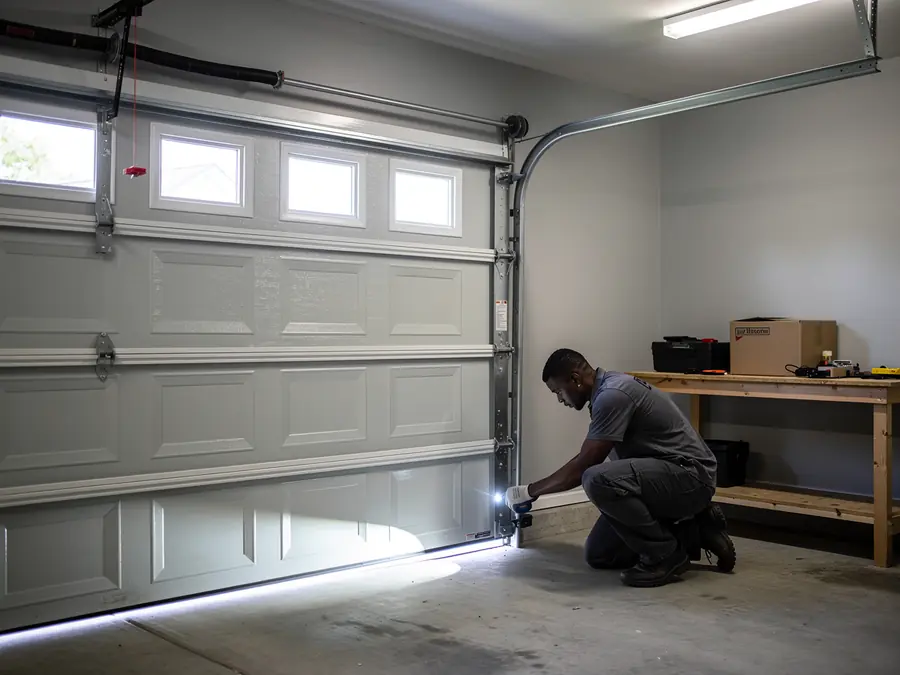 01Garage Door RepairBothell homes built mostly between 1966 and 2001 carry original torsion hardware that wasn't made for Pacific Northwest damp winters. Here's where it fails and why.Read more
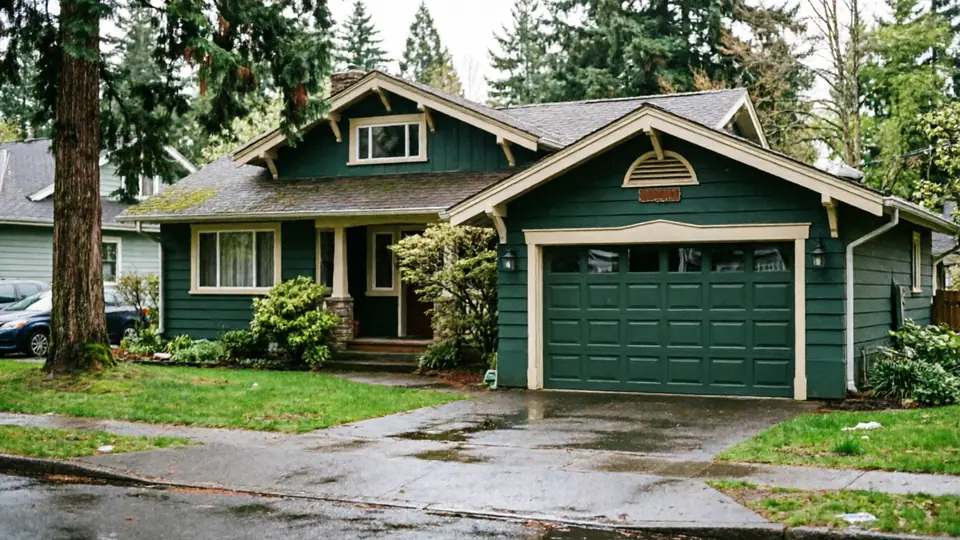 02Garage Door InstallationGarage door installation for Bothell homes built mostly between 1966 and 2001, where original hardware and single-layer steel doors are reaching the end of their run.Read more
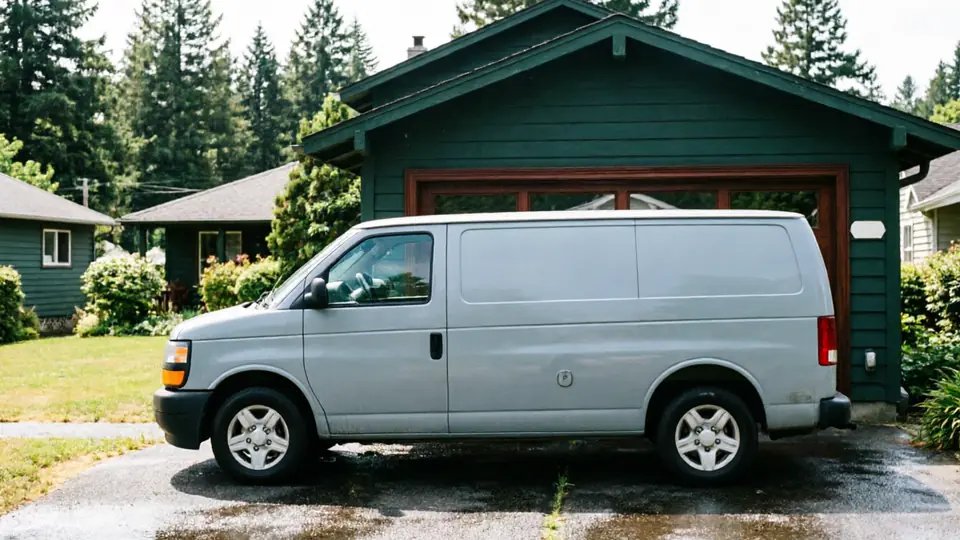 03Garage Door ServiceBothell homes built between 1966 and 2001 carry original garage door hardware that struggles in our cold, wet winters. Here's where that hardware fails first.Read more
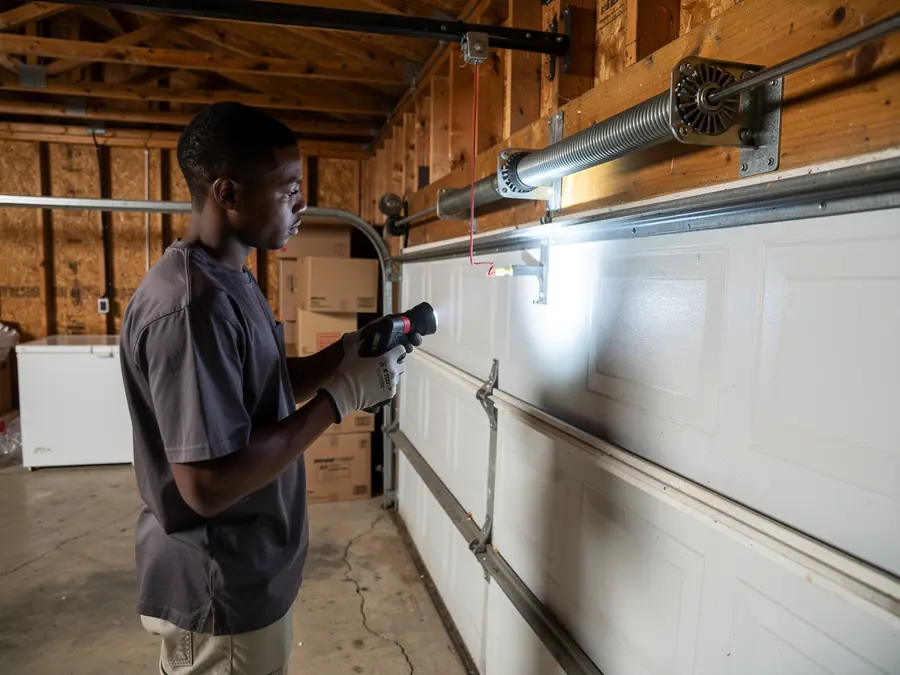 04Spring RepairTorsion and extension spring repair for Bothell-area homes built mostly between 1966 and 2001, where cold damp winters put extra load on aging spring hardware.Read more
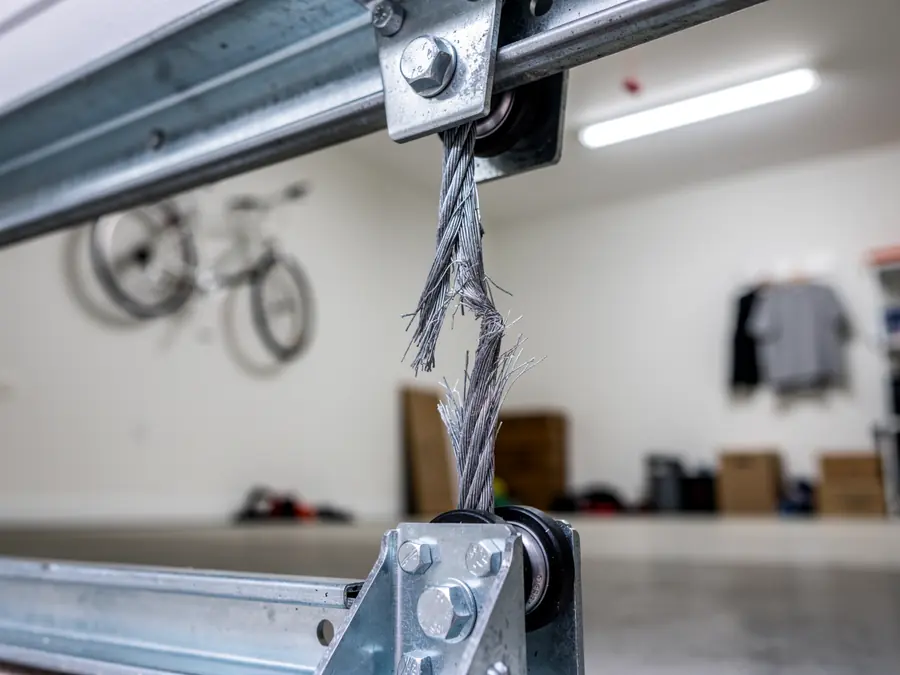 05Cable RepairFrayed or snapped garage door cables are common in Bothell's 1980s-90s housing stock. Same-area cable repair from Bothell Garage Door Pros, serving homes built 1966-2001.Read more
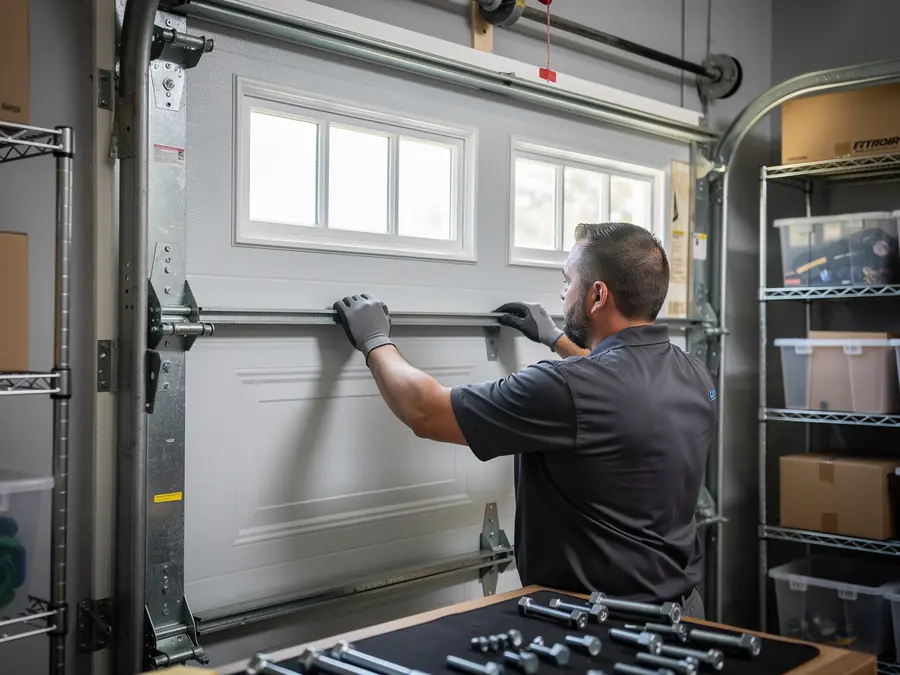 06Panel ReplacementPanel replacement for Bothell homes built 1966-2001, where cold winters and original steel sections crack, dent, and warp. Call for a straight look at the job.Read more
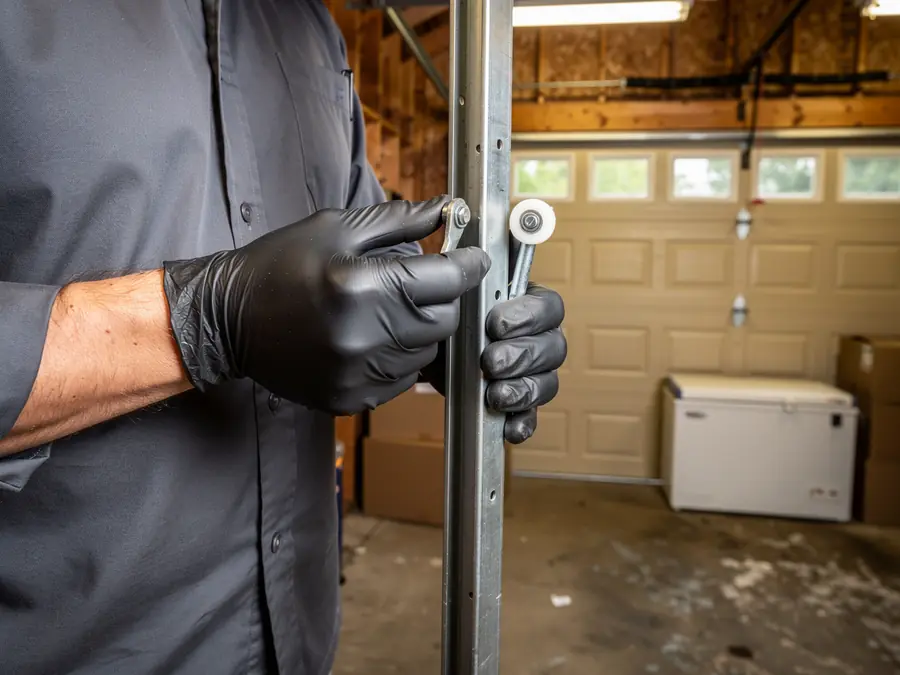 07Roller ReplacementWorn rollers on Bothell's 1970s-90s steel doors bind and jump track in cold, wet weather. Bothell Garage Door Pros replaces them with nylon rollers built for this climate.Read more
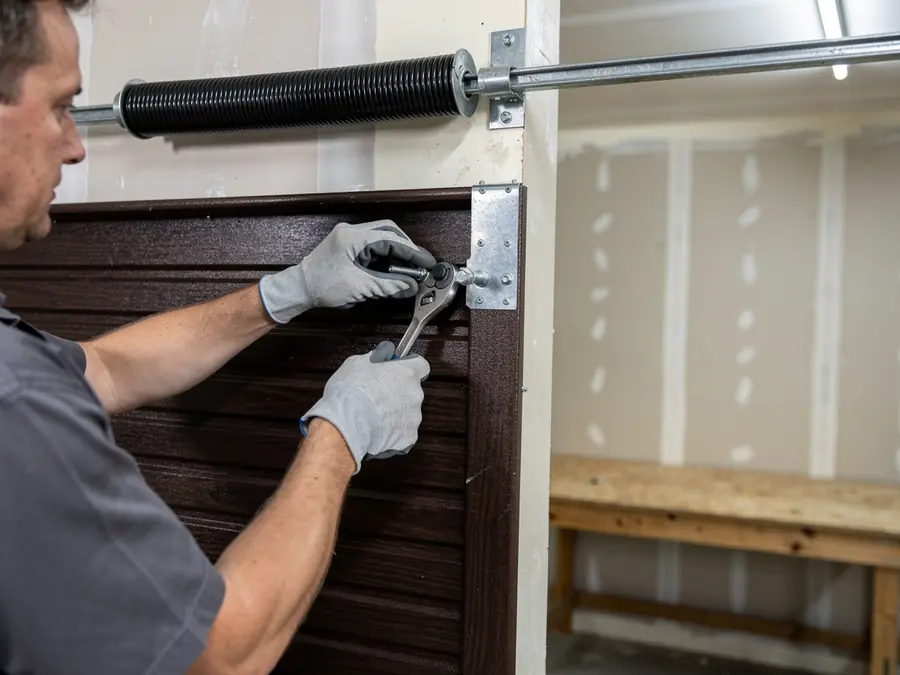 08MaintenanceBothell garage door maintenance for homes built 1966-2001: spring, roller, and opener tune-ups built for cold winter swings in the service area near Kenmore.Read more
FAQ
Questions about this
Will a standard-size replacement door fit my garage opening in Bothell?
Not always. A lot of houses here were built between 1966 and 2001, and openings from that era can be slightly out of square after decades of settling. We measure on site before ordering, because a factory-standard door can bind against a jamb that looks fine but isn't quite true.
Does the damp winter weather here affect what door I should buy?
Yes. This area sits in a cold, moderate climate with long damp stretches rather than deep freezes. Weatherstripping and bottom seals rated for standing moisture matter more here than insulation ratings built for dry-cold climates.
Is winter a good time to replace a garage door here?
It's when problems usually show up, since cold and humidity stress aging springs and swollen panels, but it's not the ideal install window. Some weatherstrip adhesives and finishes cure better once the wet season eases up.
Tell us what your door is doing.
We serve Bothell, WA and nearby communities. Every job starts with a diagnosis, so you know what failed before any work begins.