
Blog
What We Check First on a Bothell Garage Door - And Why
A look at what a technician checks first on a Bothell garage door, tied to this area's 1966-2001 housing stock and cold, wet Northwest winters that strain hardware.
The Problem
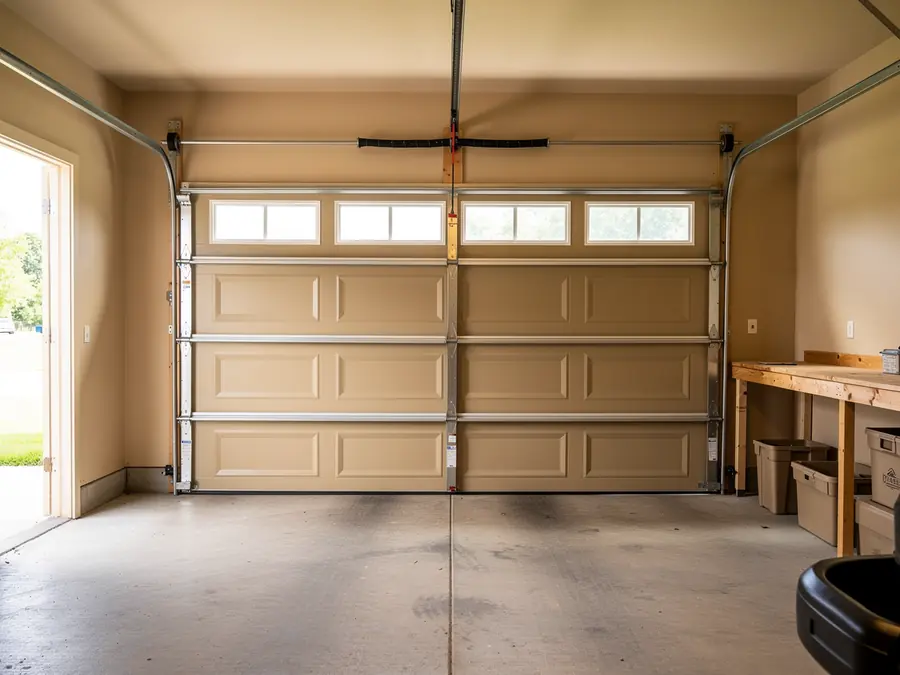
Most of the housing stock in this service area went up between 1966 and 2001, with the bulk of it dating to the 1980s and 90s across the 37 named neighborhoods we cover. That matters because a door is only as good as the hardware era it was installed under. A lot of these garages still carry their original torsion springs, the original steel rollers, and in some cases the original opener bolted to ceiling joists that were never meant to carry a belt-drive unit added later. When a technician walks into a garage in this age bracket, the first visual pass isn't the opener - it's the spring cones, the end bearing plates, and whether the track has ever been re-shimmed. Houses from this window often have single-stage openers with worn-out logic boards that homeowners assume still work fine because the door still moves, even though the force settings have drifted for years. We don't start by plugging in a code reader. We start by looking at what thirty-five to fifty years of use has done to the parts nobody replaces unless they fail outright.
How Local Conditions Play In
This area sits in a cold, moderate climate band - not the kind of place that fries rubber seals with triple-digit heat, but the kind of place where damp cold works into cable ends and spring coils over a long winter. Across a service radius that runs from Kenmore three miles out to Carnation seventeen miles east, the housing stock stays fairly consistent in age, which means the failure patterns repeat house to house: rust bloom on the bottom few coils of a torsion spring, pitting on roller shafts, and hinges that have seized just enough to throw extra load on the opener. A technician checks these points before anything electronic, because in a climate like this the mechanical parts degrade faster than the control board does. With 84,943 owner-occupied houses in the broader service area, most built in that same 1966-2001 window, this isn't a one-off pattern - it's the baseline condition we expect to find before we even open the toolbox.
The Seasonal Bit
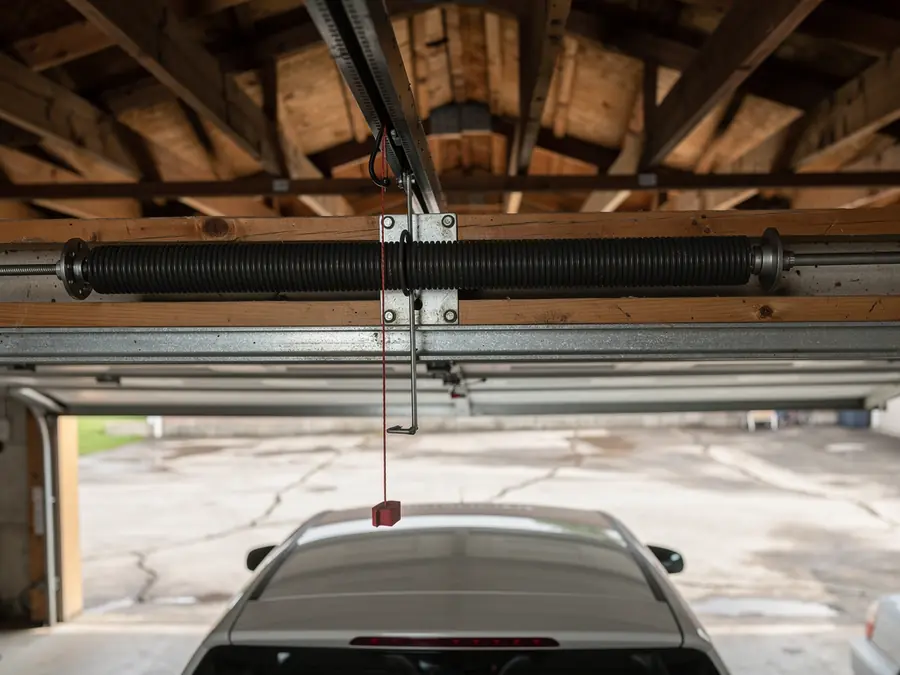
Cold, damp winters in this climate band don't crack a door the way dry heat does elsewhere - they work more slowly, through moisture. Steel cables fray where they sit against a drum that's picked up surface rust, and a spring that's been fine for years can lose just enough tension in cold weather that the opener starts doing work it was never sized for, which burns out the drive gear faster than normal. On original 1980s and 90s installs, we check spring tension and cable wear before winter settles in, because a spring that's marginal in October usually fails outright by January once the cold adds load. We don't recommend replacing a spring just because it's old - if it's still within tension and the coils show no pitting, it can run. But once rust reaches the coil surface, winter cold is what pushes it from marginal to broken, usually on the coldest morning of the year.
The Common Mistake
The mistake we see most in homes from this era is homeowners lubricating the track instead of the parts that actually need it. Spraying the track seems like the obvious move, but it just collects grit and makes the rollers skid instead of roll. On a door old enough to be original to a 1966-2001 build, the parts that need oil are the hinges, the roller stems, and the spring coils - not the track itself. The second mistake is tightening the bottom bracket bolts to stop a rattle. Those bolts hold the cable anchor under spring tension, and over-tightening a bracket that's already stressed from decades of cycles is a fast way to snap a cable rather than fix a rattle. If a door from this age range is making noise, the fix is almost always at the hinge or roller level, not the hardware you can see loosening. One honest limit here: if the spring and cable are both original and showing wear, we'll usually recommend replacing both at once rather than patching one side, since a mismatched repair just shifts the failure to the other part within a year.
Services
Garage door services in Bothell
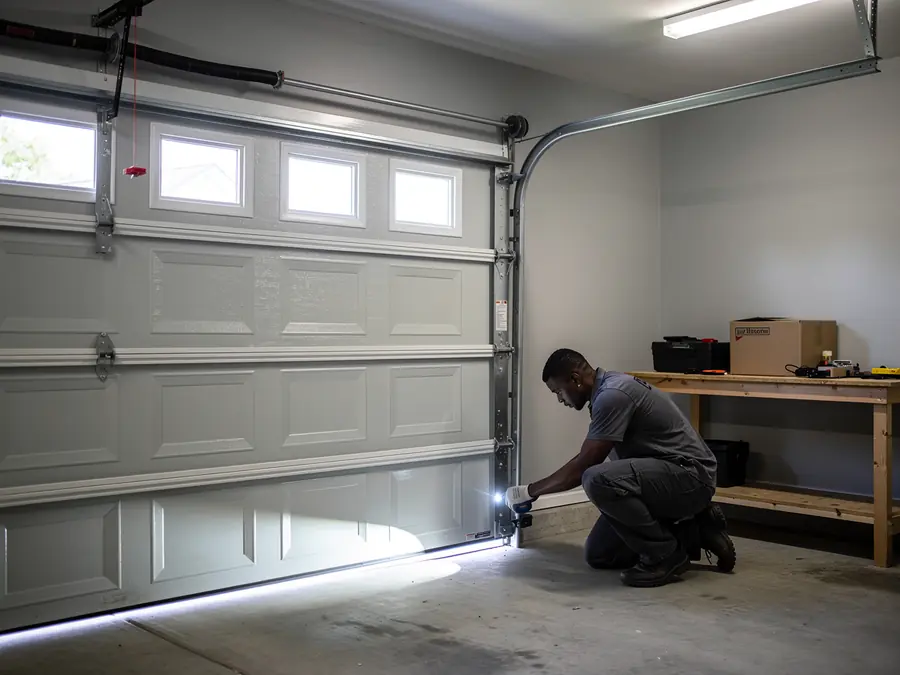 01Garage Door RepairBothell homes built mostly between 1966 and 2001 carry original torsion hardware that wasn't made for Pacific Northwest damp winters. Here's where it fails and why.Read more
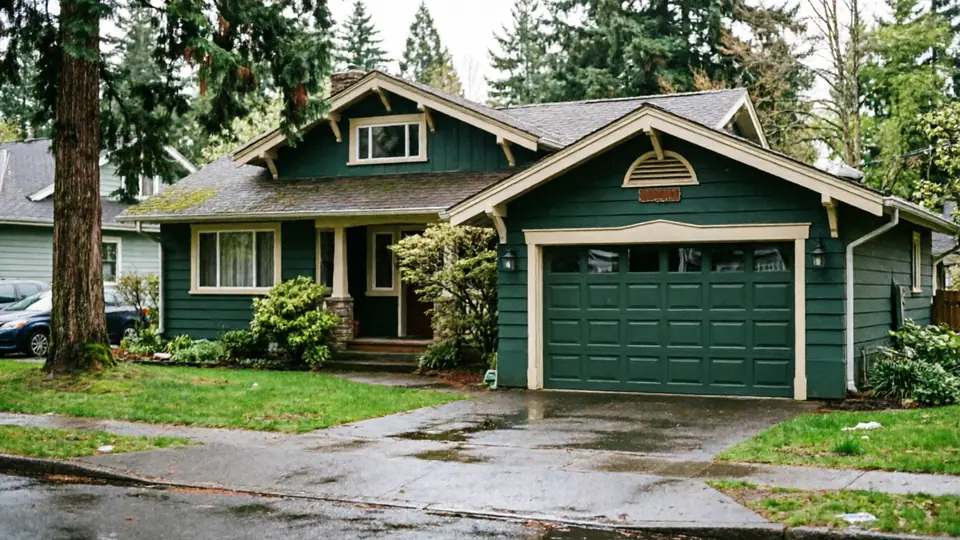 02Garage Door InstallationGarage door installation for Bothell homes built mostly between 1966 and 2001, where original hardware and single-layer steel doors are reaching the end of their run.Read more
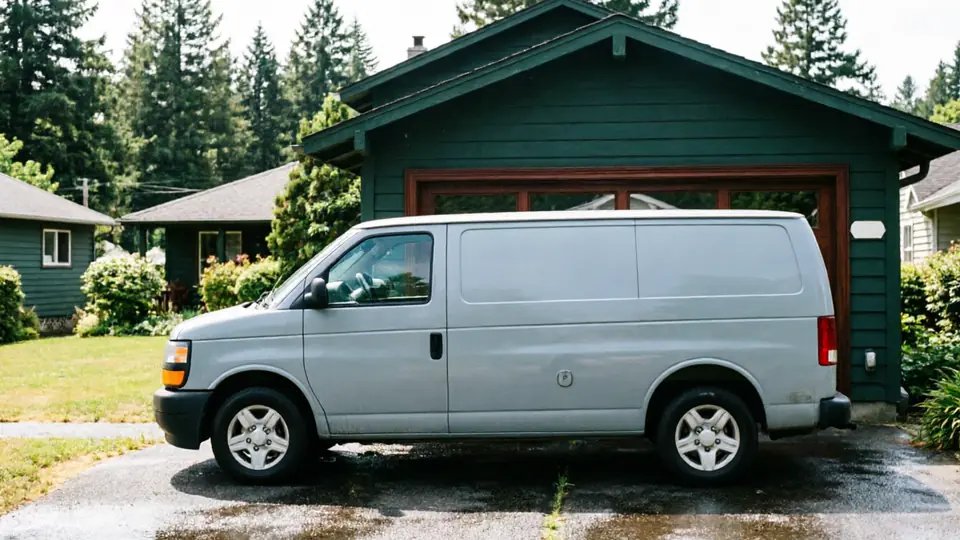 03Garage Door ServiceBothell homes built between 1966 and 2001 carry original garage door hardware that struggles in our cold, wet winters. Here's where that hardware fails first.Read more
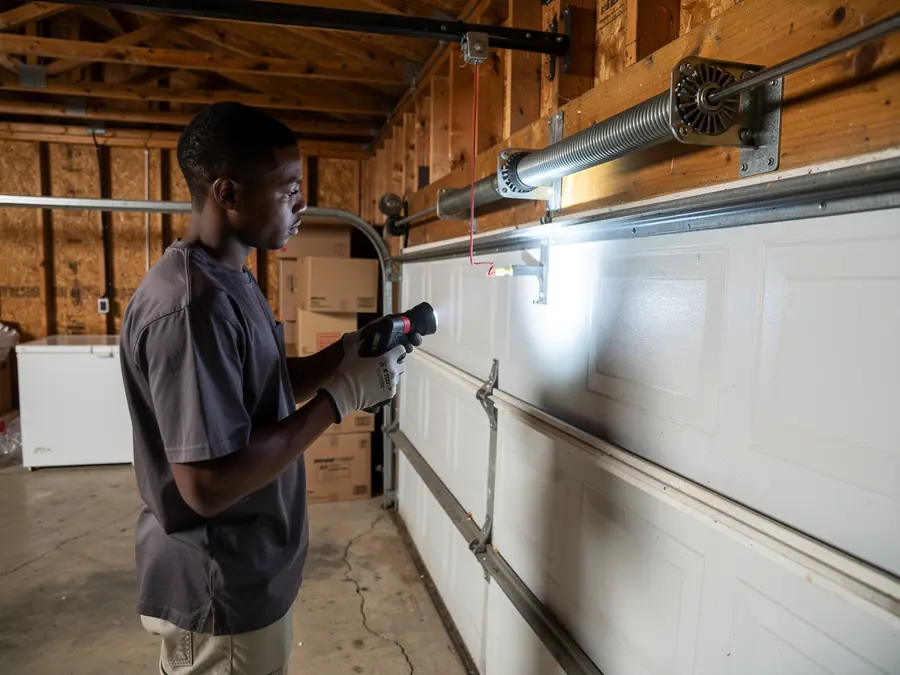 04Spring RepairTorsion and extension spring repair for Bothell-area homes built mostly between 1966 and 2001, where cold damp winters put extra load on aging spring hardware.Read more
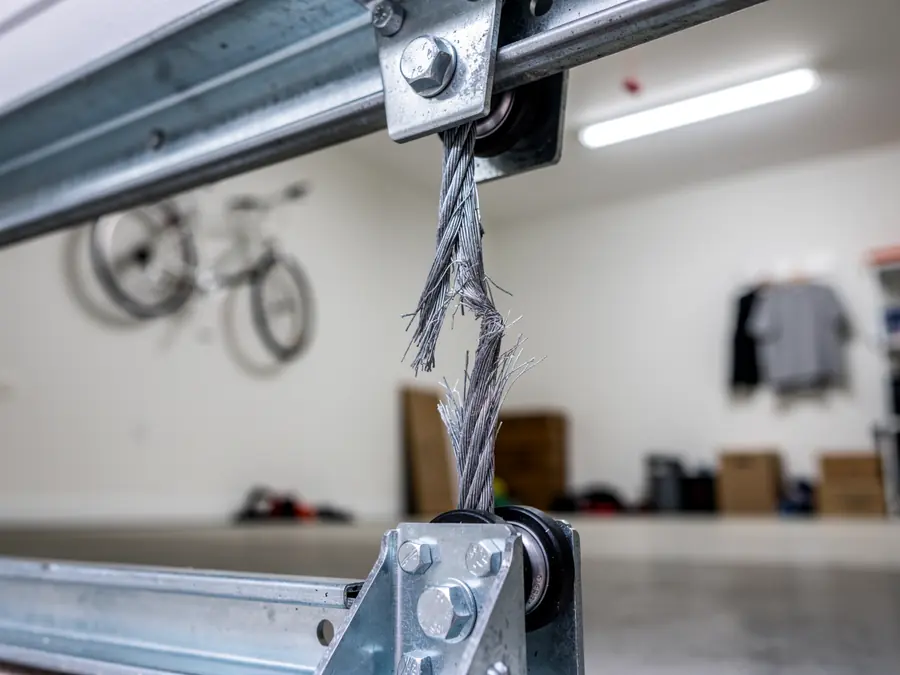 05Cable RepairFrayed or snapped garage door cables are common in Bothell's 1980s-90s housing stock. Same-area cable repair from Bothell Garage Door Pros, serving homes built 1966-2001.Read more
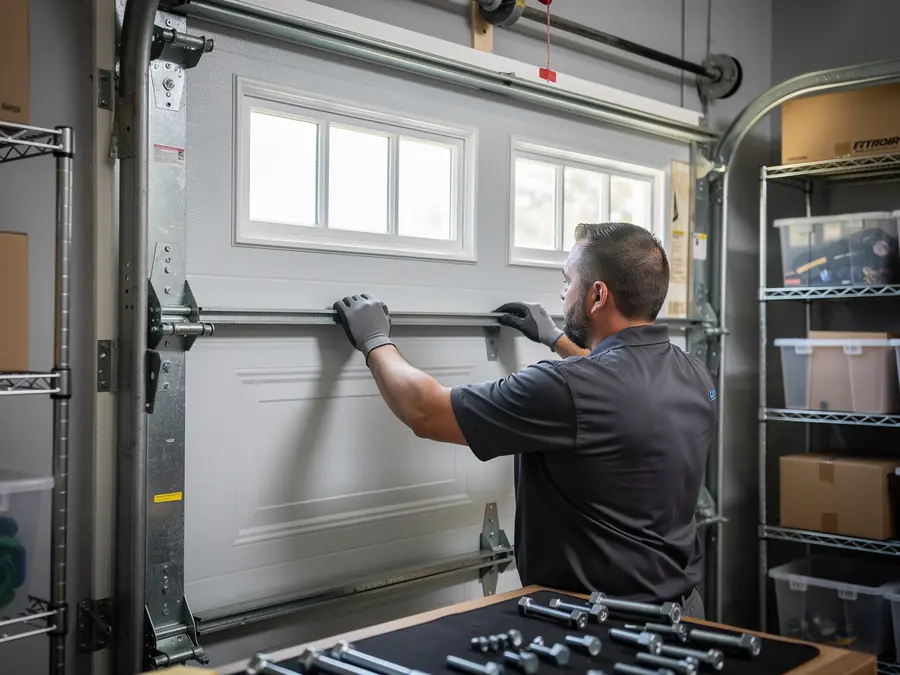 06Panel ReplacementPanel replacement for Bothell homes built 1966-2001, where cold winters and original steel sections crack, dent, and warp. Call for a straight look at the job.Read more
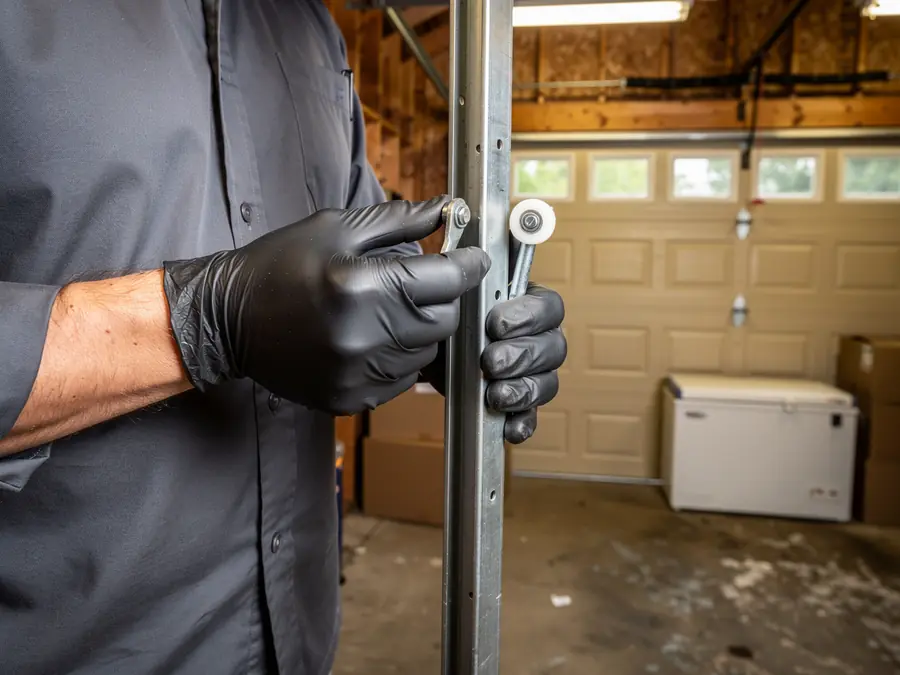 07Roller ReplacementWorn rollers on Bothell's 1970s-90s steel doors bind and jump track in cold, wet weather. Bothell Garage Door Pros replaces them with nylon rollers built for this climate.Read more
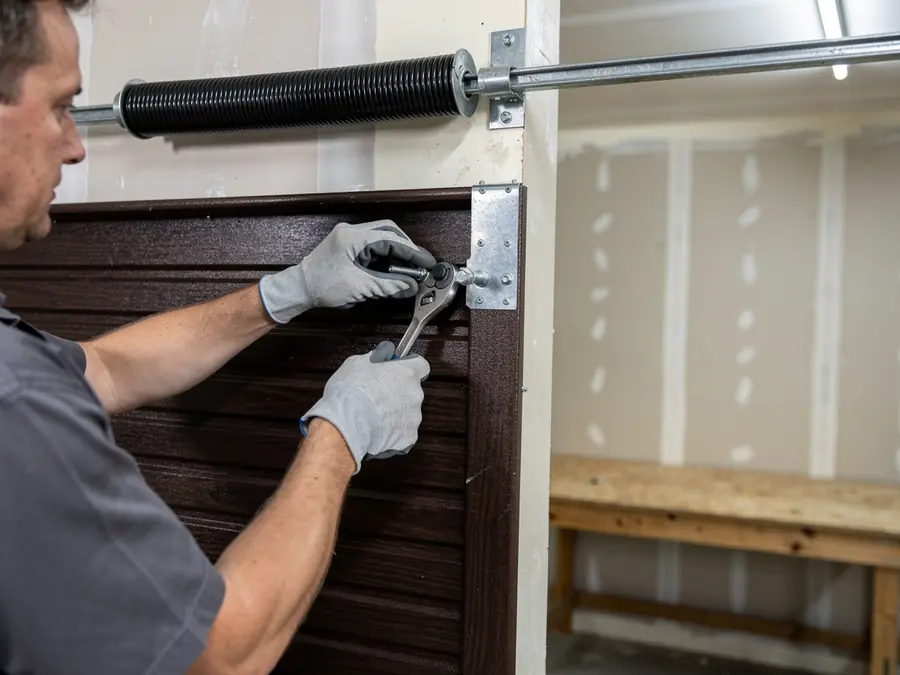 08MaintenanceBothell garage door maintenance for homes built 1966-2001: spring, roller, and opener tune-ups built for cold winter swings in the service area near Kenmore.Read more
FAQ
Questions about this
Is it normal for my garage door spring to still be original after this many years?
Yes, if your house dates to the 1966-2001 range common in this area, an original spring that's still in service isn't unusual. What matters is coil condition and tension, not just age. A technician checks for rust pitting and measures tension rather than assuming age alone means it's due for replacement.
Why does my door get noisy specifically in winter?
In a cold, moderate climate like this one, moisture works into cable ends and roller shafts over the winter months, adding friction that wasn't there in summer. The noise usually traces back to a hinge or roller, not the opener, and it's worth checking before the part fails outright on a cold morning.
Should I lubricate my own garage door track?
No - spraying the track collects dirt and makes rollers skid instead of turning smoothly. Oil belongs on the hinges, roller stems, and spring coils. If your door is original to a 1980s or 90s build, those are the points worth checking before winter.
Tell us what your door is doing.
We serve Bothell, WA and nearby communities. Every job starts with a diagnosis, so you know what failed before any work begins.