
Blog
Why Your Bothell Garage Door Lets the Cold In
Most Bothell garage doors went up during the 1966-2001 building wave, and a cold Pacific Northwest winter finds every gap in a tired seal. Here's what actually causes the draught.
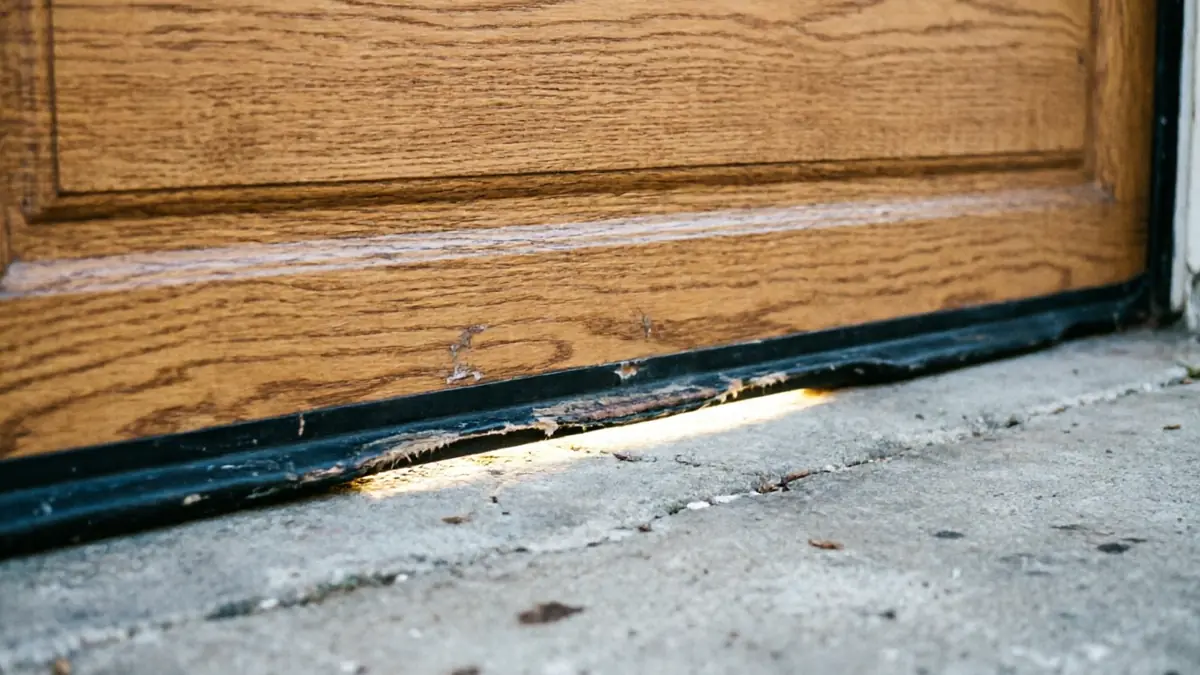
The Problem
Walk into most Bothell garages in January and you'll feel it before you see it: a cold line of air running along the bottom of the door, sometimes along one side too. That's not the door failing, it's the seal that's supposed to stop it. Bothell's housing stock was mostly built between 1966 and 1985, with a lot of it clustered in the 1980s and 90s across the neighborhoods out toward down toward Kenmore. Doors from that era were built to the standards of their time, and the bottom astragal and side seals that came with them were never meant to last forty years of PVC exposed to weather. Rubber cracks, flattens, and pulls away from the track long before anyone notices a draught strong enough to feel. The gap doesn't start big. It starts as a hairline split in the bottom seal that widens every freeze-thaw cycle until cold air and water are both getting. By the time you can see daylight under the door, you've been losing heat for a season or two already.
How Local Conditions Play In
Bothell sits in a cold-moderate climate band, which means the garage doesn't get brutal sub-zero stretches, but it does get a long cold damp season where temperatures hover right around freezing for weeks at a time. That's actually harder on seals than a short hard freeze would be. Rubber and vinyl seals degrade fastest with repeated cycling through the freeze point, not with sustained cold, and that's exactly what this area delivers from November through February. Houses built in the 1966-2001 window, which describes most of the stock here, typically have steel or aluminum tracks that were set with clearances sized for the original seal thickness. When that seal shrinks or hardens with age, the gap it leaves isn't uniform. You'll often get a tighter seal at the top of the door and a visible gap at the bottom corners, because that's where the track has the least forgiveness and where moisture sits longest against the concrete slab.
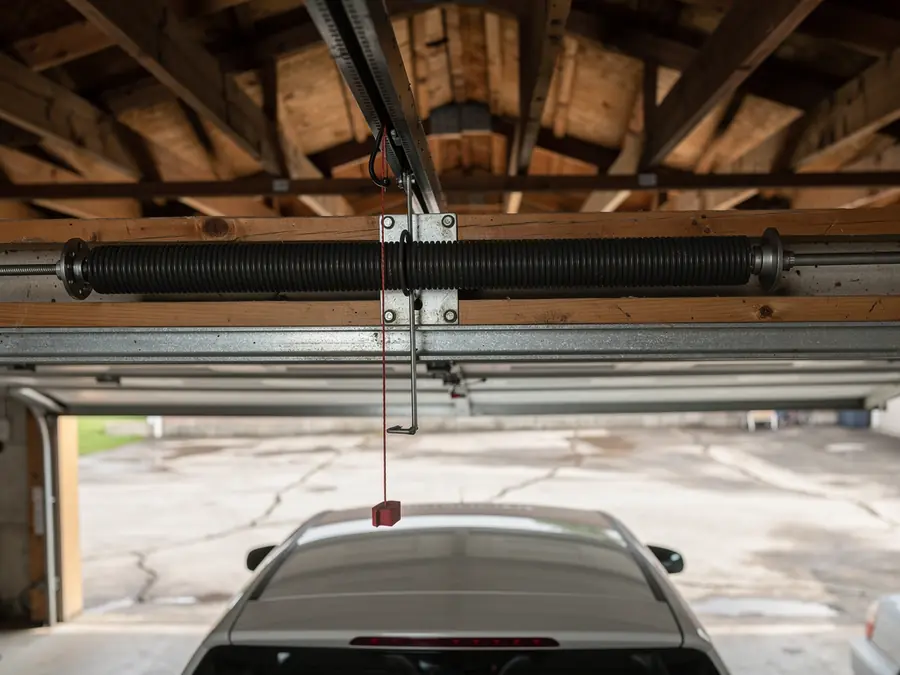
The Seasonal Bit
The seal that looked fine in August can fail by December, and that's the pattern worth planning around rather than reacting to. Cold makes vinyl seals stiff, and stiff seals don't flex back down against the slab the way they're designed to. A door that sealed fine in September can show a quarter-inch gap on a 28-degree morning in January, not because anything broke, just because the material lost its give. If your garage shares a wall with living space, which a lot of Bothell floor plans from the 1980s and 90s do, that gap shows up as a cold wall or floor inside the house, not just a draughty garage. The honest limitation here: a new bottom seal won't fix a door that's out of square, or a track that's been knocked slightly off its mounting over the years. If the gap is uneven side to side, that's a track or hardware issue, and swapping the seal alone just buys you a few more months before the same complaint comes back.
The Common Mistake
The mistake we see most often in this area is treating the draught as a weatherstripping problem when it's really a clearance problem. Someone replaces the bottom seal, feels the improvement for a month, and then it's back. On houses from the 1966-2001 era, the original track was set for a seal profile that manufacturers don't all make anymore, so a generic replacement bead often doesn't seat the same way. The fix isn't always a bigger seal - sometimes it's resetting the stop molding or adjusting the track so the existing seal can actually compress against the slab instead of just resting on top of it. Pushing a thicker bulb seal into a gap that's actually a track alignment issue just delays the next call. If your door is pre-1990 and still has its original track hardware, that's worth checking before buying a new seal kit.
Services
Garage door services in Bothell
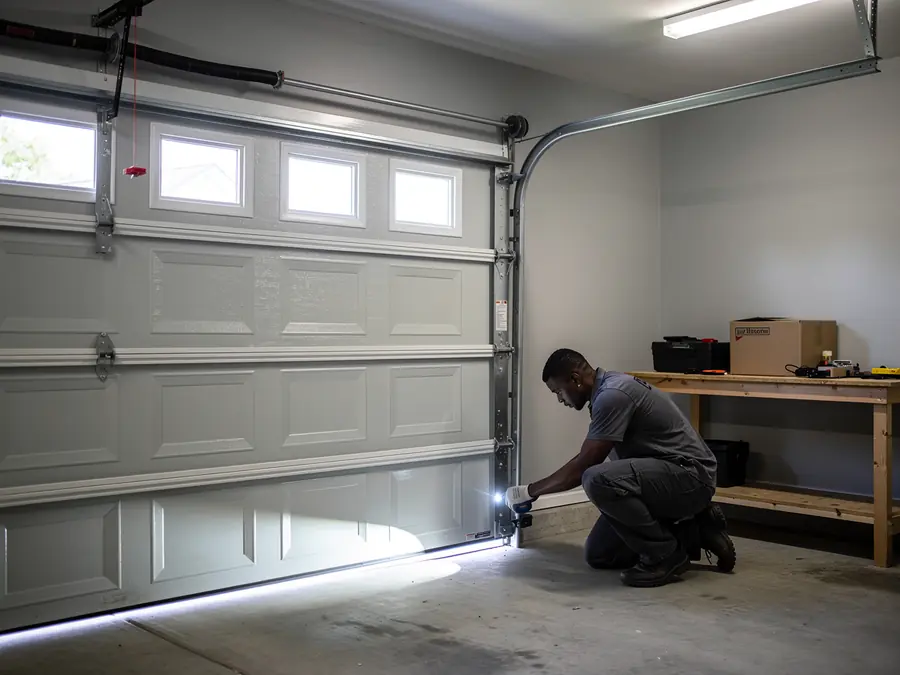 01Garage Door RepairBothell homes built mostly between 1966 and 2001 carry original torsion hardware that wasn't made for Pacific Northwest damp winters. Here's where it fails and why.Read more
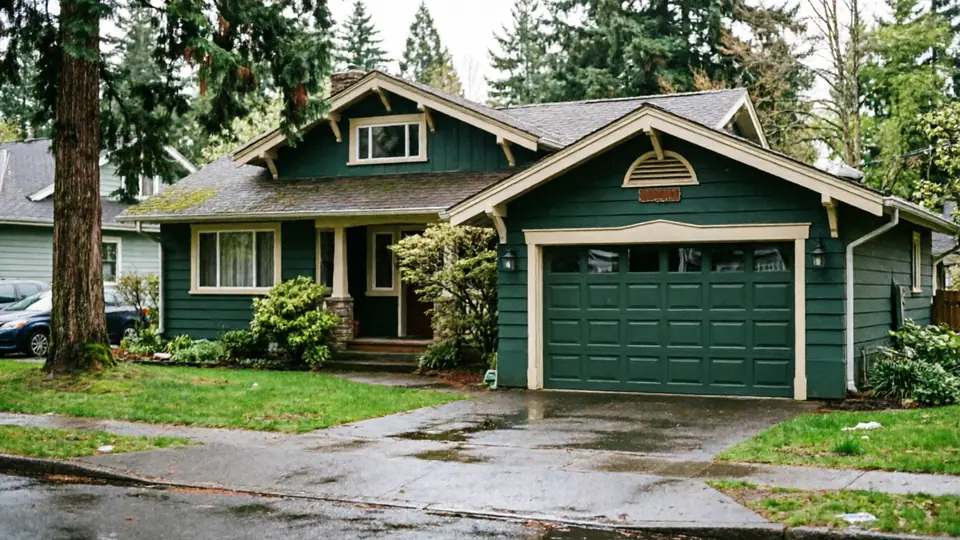 02Garage Door InstallationGarage door installation for Bothell homes built mostly between 1966 and 2001, where original hardware and single-layer steel doors are reaching the end of their run.Read more
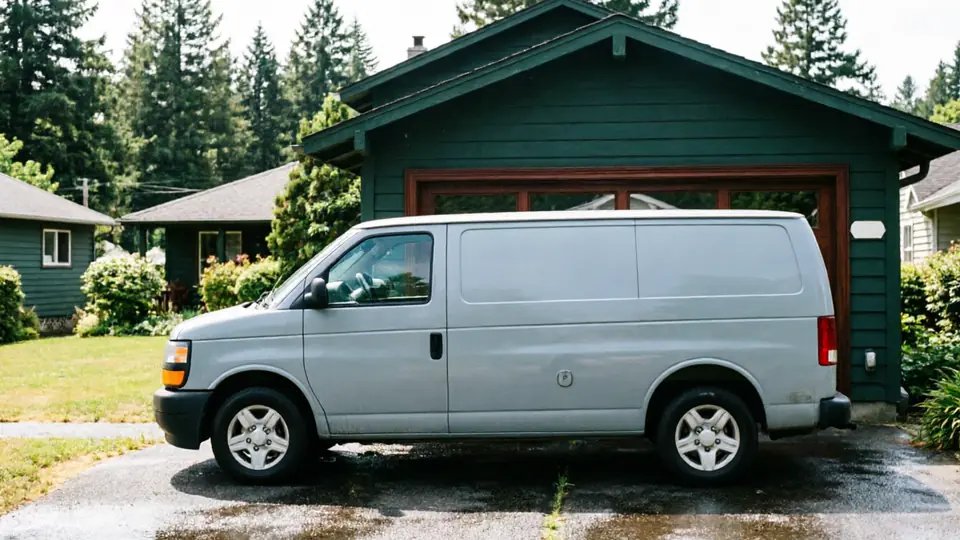 03Garage Door ServiceBothell homes built between 1966 and 2001 carry original garage door hardware that struggles in our cold, wet winters. Here's where that hardware fails first.Read more
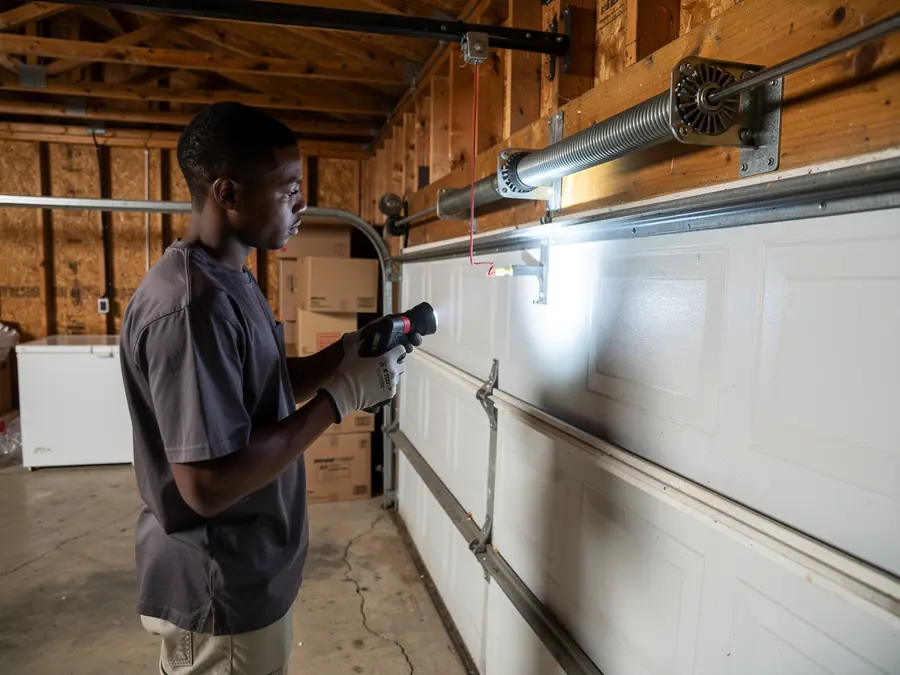 04Spring RepairTorsion and extension spring repair for Bothell-area homes built mostly between 1966 and 2001, where cold damp winters put extra load on aging spring hardware.Read more
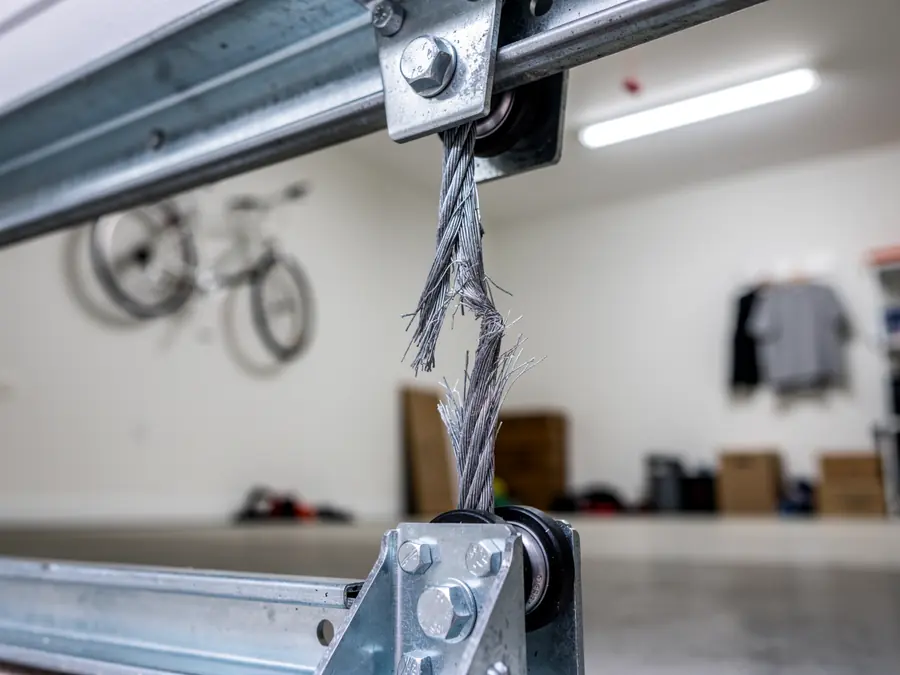 05Cable RepairFrayed or snapped garage door cables are common in Bothell's 1980s-90s housing stock. Same-area cable repair from Bothell Garage Door Pros, serving homes built 1966-2001.Read more
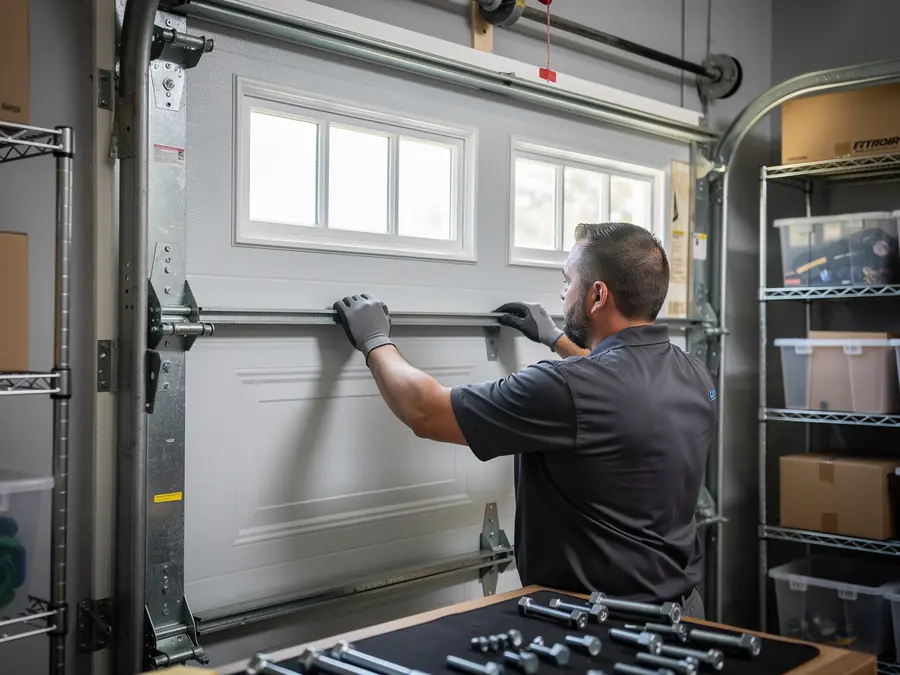 06Panel ReplacementPanel replacement for Bothell homes built 1966-2001, where cold winters and original steel sections crack, dent, and warp. Call for a straight look at the job.Read more
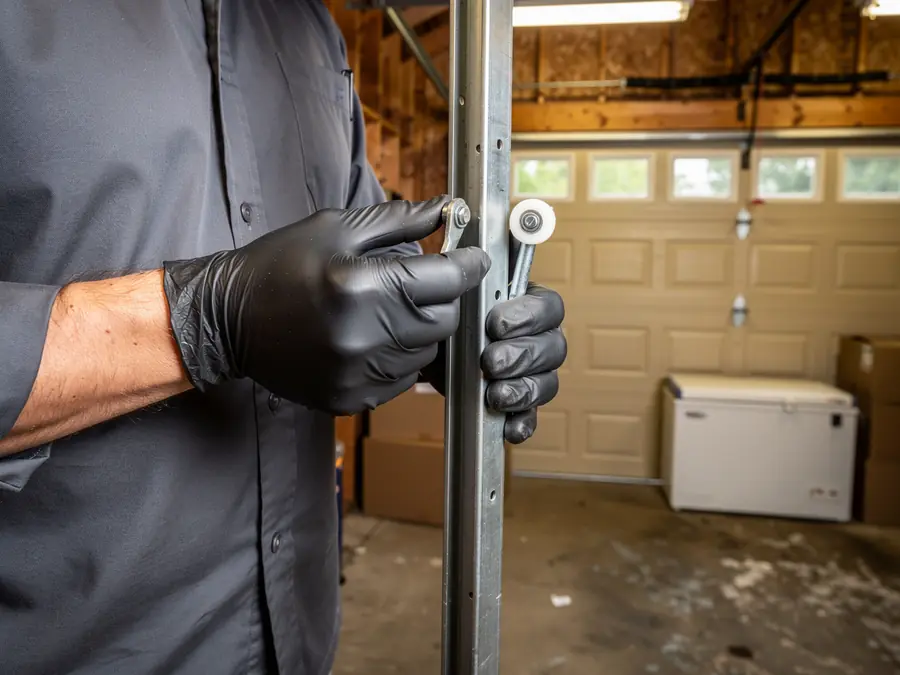 07Roller ReplacementWorn rollers on Bothell's 1970s-90s steel doors bind and jump track in cold, wet weather. Bothell Garage Door Pros replaces them with nylon rollers built for this climate.Read more
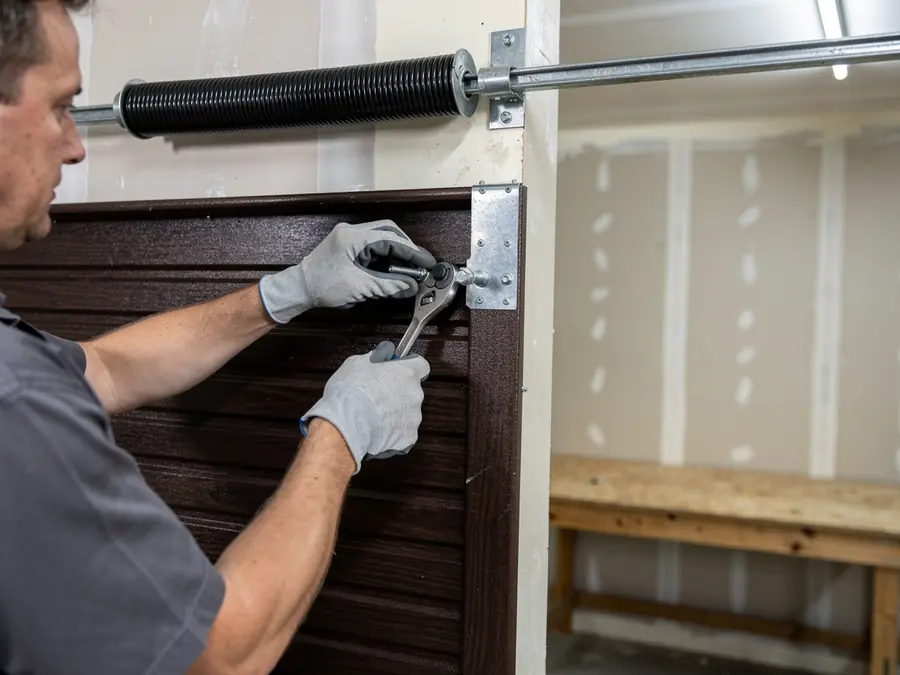 08MaintenanceBothell garage door maintenance for homes built 1966-2001: spring, roller, and opener tune-ups built for cold winter swings in the service area near Kenmore.Read more
FAQ
Questions about this
Why does my garage door only draught on one side?
That's almost always an alignment issue, not a seal issue. On older Bothell tracks from the 1966-2001 building era, one side can drift out of plumb over decades without anyone noticing, which leaves an uneven gap even with a brand-new bottom seal. Check the track spacing on each side before replacing the seal again.
How often do garage door seals need replacing in this climate?
There's no fixed number in this cold-moderate band, but the repeated freeze-thaw cycling here ages vinyl and rubber faster than a climate with one hard winter stretch. Inspect the bottom seal and side seals each fall, before the cycling starts, rather than waiting for a visible gap in January.
Can I fix a draughty garage door myself?
A bottom seal swap is a reasonable DIY job on most doors. Where it gets harder is if the gap is uneven, which usually points to a track or hardware problem rather than the seal itself. If a new seal doesn't close the gap within a season, that's the sign to stop buying seal kits and have the track checked.
Tell us what your door is doing.
We serve Bothell, WA and nearby communities. Every job starts with a diagnosis, so you know what failed before any work begins.