
Blog
What That Noise Is Actually Telling You
Grinding, popping, or rattling? In Bothell homes built mostly between 1966 and 2001, each noise points to a specific part. Here's how to tell them apart.
The Problem
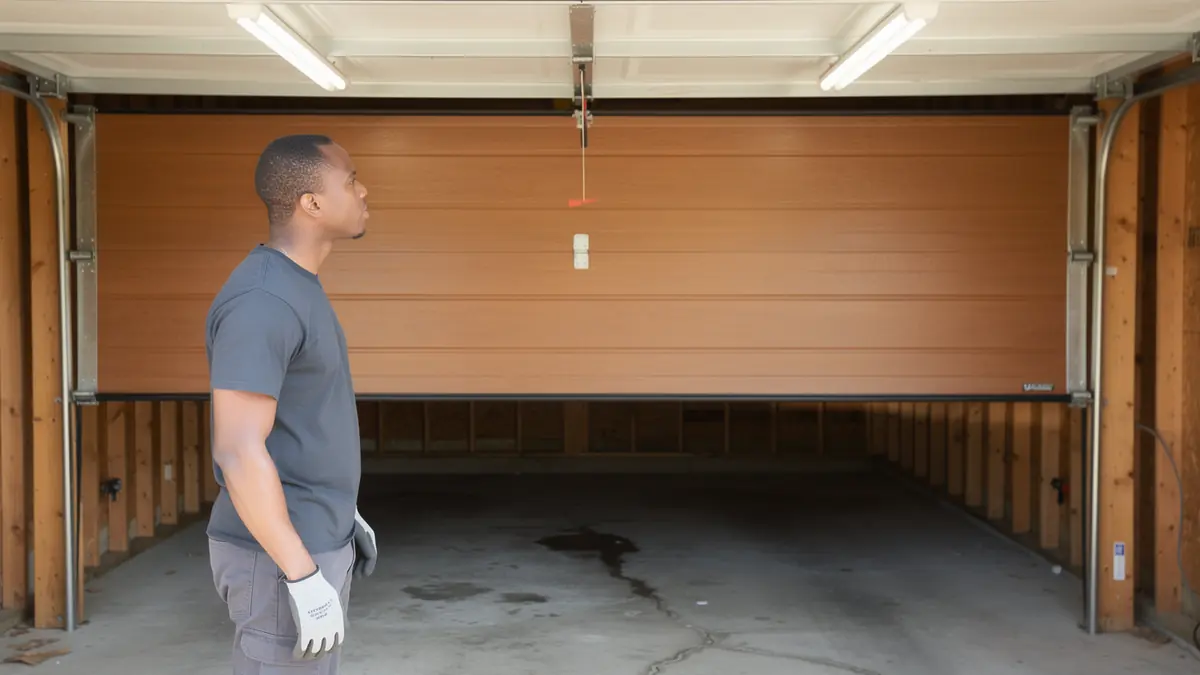
Most calls we get start the same way: "my door is making a weird noise and I don't know what it is." That's fair - a garage door has a dozen moving parts, and they don't all fail the same way. A grinding sound usually means metal on metal, often a roller that's worn its bearing out. A loud bang, especially right as the door is closing or sitting still, is almost always a torsion spring letting go. A rhythmic thump that matches the door's travel points to a bent track section or a flat spot on a roller. A high-pitched squeal is just friction - something needs lubrication and hasn't had it in a while.
The noise itself is diagnostic information, not just an annoyance. Guessing wrong and ignoring it costs you more than the service call would have. A roller bearing left to grind will eventually chew into the track, turning a $40 part into a track replacement. A spring that's straining and squeaking before it breaks is giving you a warning most owners don't recognize until it's too loud to ignore, and by then it's usually already cracked.
How Local Conditions Play In
Across this service area, the housing stock mostly dates from 1966 to 2001, with a lot of it concentrated in the 1980s and 90s across the 37 named neighborhoods we work in. That matters for noise diagnosis because doors and openers installed during that build-out are now thirty to nearly sixty years old, and most have had at least one hardware replacement somewhere along the way - sometimes done right, sometimes not.
A door from a 1985-era build often still runs on its original track with a replacement opener bolted on later, or vice versa. When the hardware doesn't match generations, you get noises that don't fit the textbook: a smooth-running opener paired with worn original rollers, for instance, which sounds like the opener is the problem when it's actually the twenty-year-old rollers vibrating against a track they've slowly ovaled out. If your house falls in that 1966-2001 window, don't assume all your garage door hardware is the same age just because the house is - check receipts or ask, because mixed-generation hardware is common here and it changes what a given noise means.
The Seasonal Bit
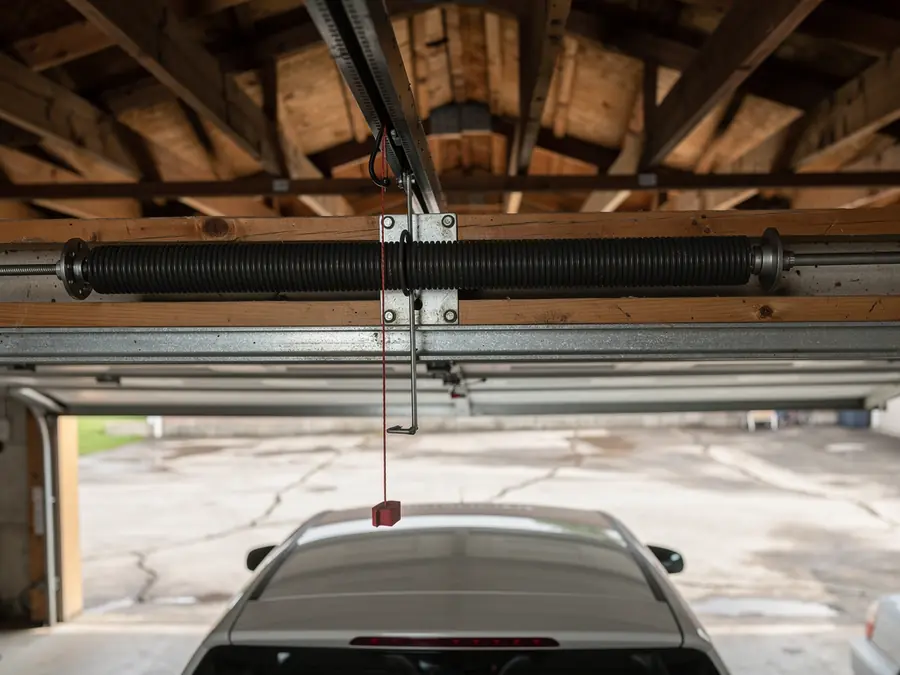
This is a cold, moderate climate area, and that affects noise in a specific way: metal contracts in the cold, and grease thickens. A door that runs quiet in August and starts squealing or groaning in December hasn't necessarily developed a new problem - the existing wear is just more audible when lubricant stiffens and metal parts sit slightly tighter in their housings. That's a normal seasonal shift, not an emergency.
What isn't normal is a noise that shows up in cold weather and doesn't go away once things warm back up, or one that gets worse each winter. That pattern usually means a part was already marginal and the cold just exposed it sooner. Springs are the main concern here - a spring near the end of its life is more likely to snap on a cold morning than a mild afternoon, because the metal is less forgiving when it's cold and the door's full weight hits it on the first lift of the day.
The Common Mistake
The mistake we see most is spraying WD-40 on everything and calling it maintenance. WD-40 is a solvent and light penetrant, not a lubricant, and on a noisy roller or hinge it'll quiet things down for a week and then come back louder, because it's washed out whatever grease was actually there. If a noise goes away for a few days after you spray it and then returns, that's not a fixed problem - that's a part telling you it needs replacing, not oiling.
The other common mistake is assuming every noise means the opener. Openers get blamed constantly because they're the thing making the obvious mechanical sound when the door runs, but the opener is rarely where the actual wear is. We won't pretend every noisy door needs a service call - sometimes it's a ten-minute fix with the right grease on the right spot. But if you've already tried that and the noise is still there, it's worth getting it looked at before a part that's merely loud becomes a part that's actually broken.
Services
Garage door services in Bothell
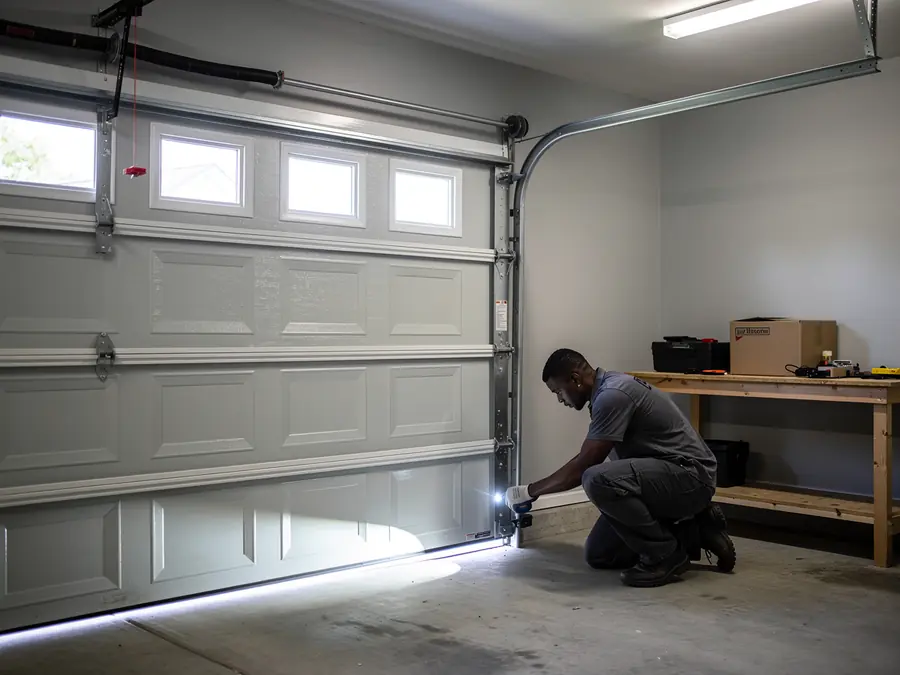 01Garage Door RepairBothell homes built mostly between 1966 and 2001 carry original torsion hardware that wasn't made for Pacific Northwest damp winters. Here's where it fails and why.Read more
 02Garage Door InstallationGarage door installation for Bothell homes built mostly between 1966 and 2001, where original hardware and single-layer steel doors are reaching the end of their run.Read more
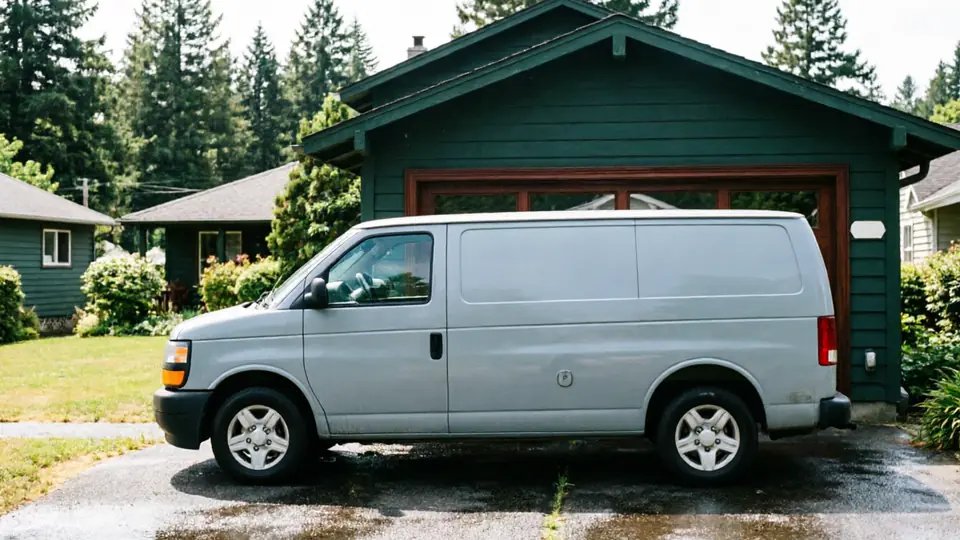 03Garage Door ServiceBothell homes built between 1966 and 2001 carry original garage door hardware that struggles in our cold, wet winters. Here's where that hardware fails first.Read more
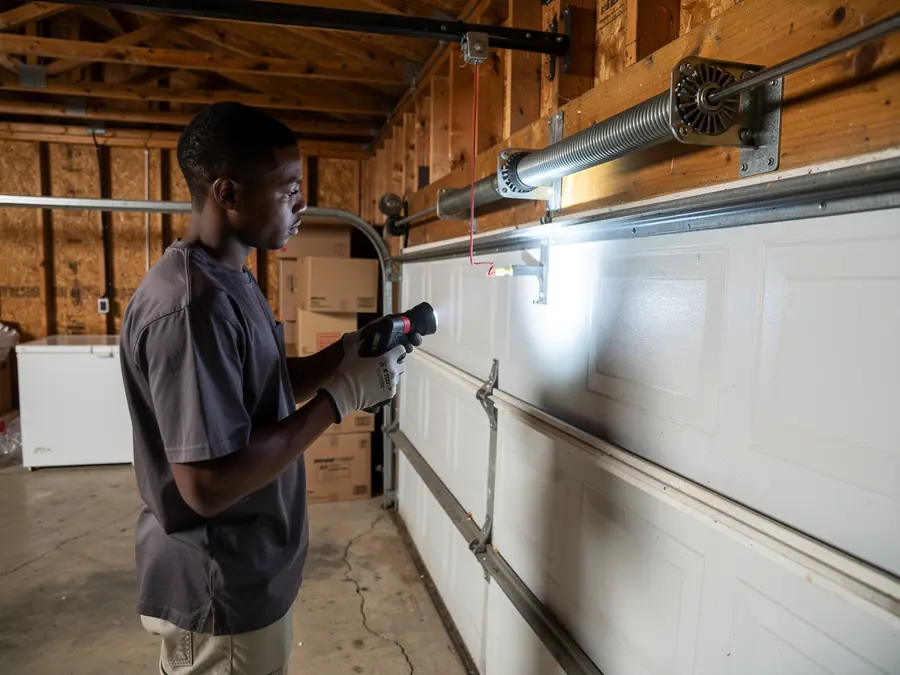 04Spring RepairTorsion and extension spring repair for Bothell-area homes built mostly between 1966 and 2001, where cold damp winters put extra load on aging spring hardware.Read more
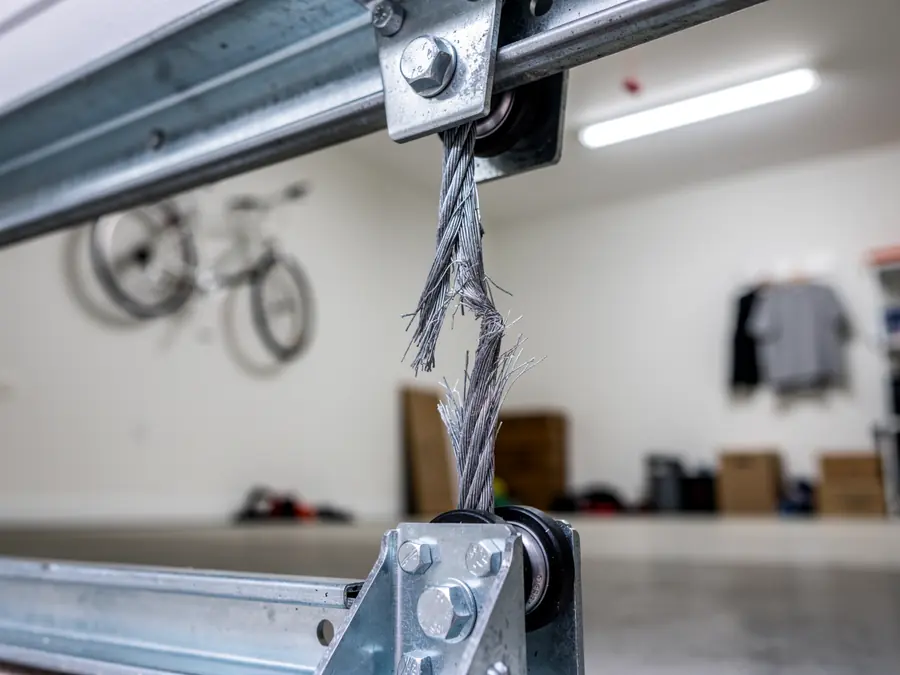 05Cable RepairFrayed or snapped garage door cables are common in Bothell's 1980s-90s housing stock. Same-area cable repair from Bothell Garage Door Pros, serving homes built 1966-2001.Read more
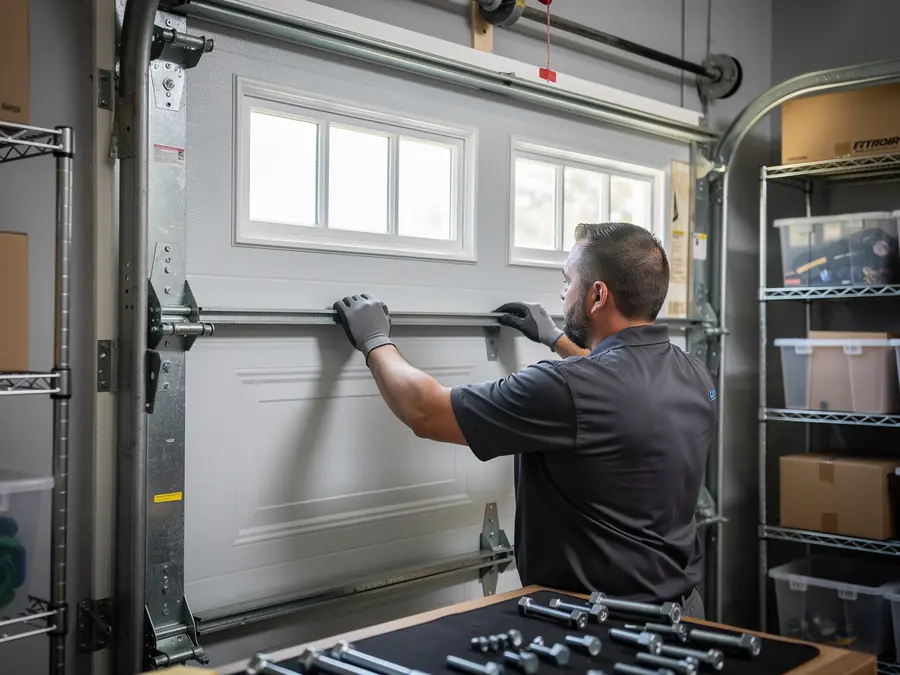 06Panel ReplacementPanel replacement for Bothell homes built 1966-2001, where cold winters and original steel sections crack, dent, and warp. Call for a straight look at the job.Read more
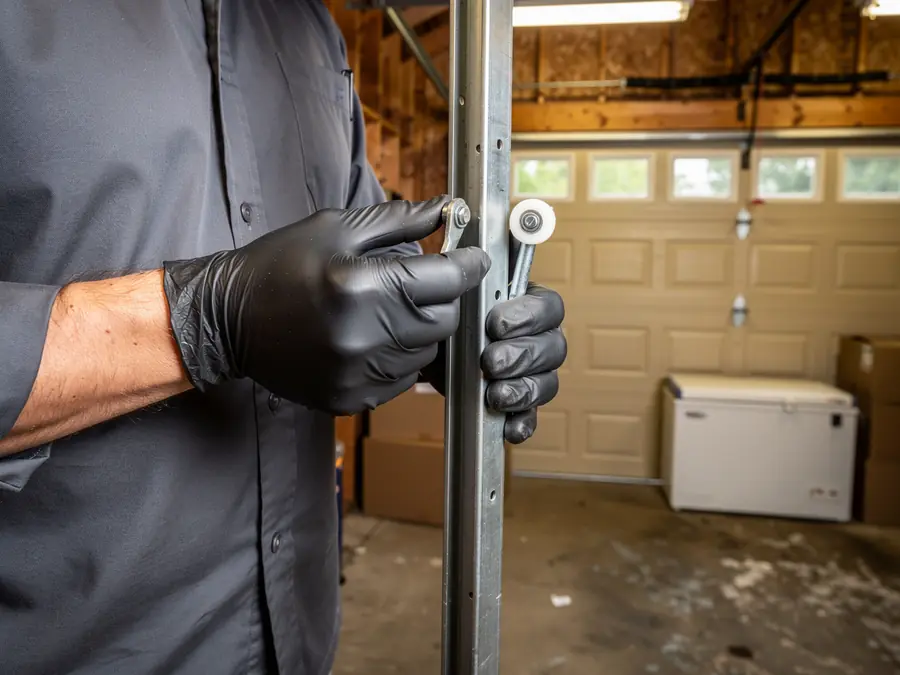 07Roller ReplacementWorn rollers on Bothell's 1970s-90s steel doors bind and jump track in cold, wet weather. Bothell Garage Door Pros replaces them with nylon rollers built for this climate.Read more
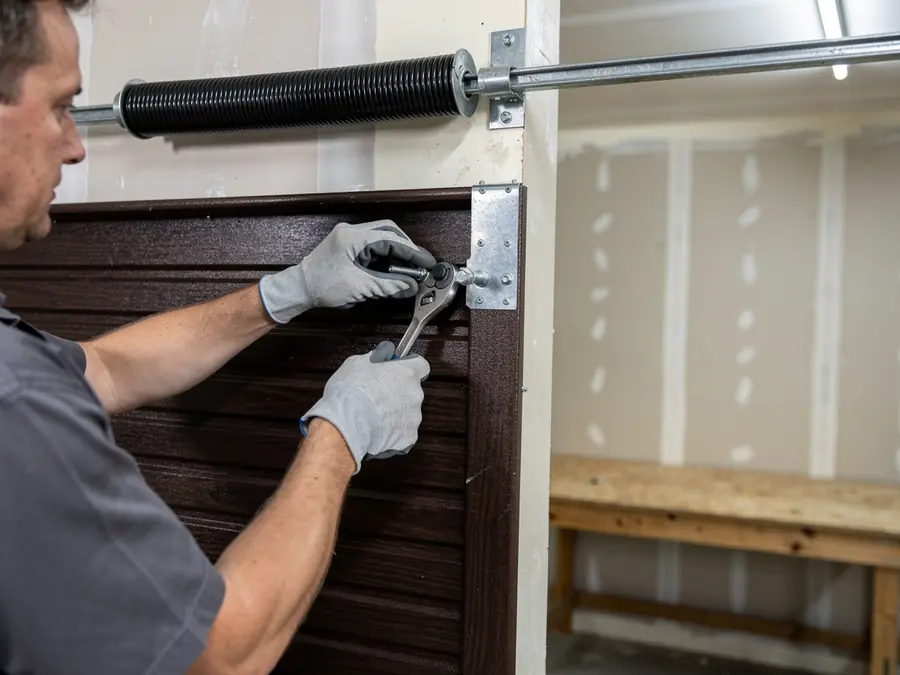 08MaintenanceBothell garage door maintenance for homes built 1966-2001: spring, roller, and opener tune-ups built for cold winter swings in the service area near Kenmore.Read more
FAQ
Questions about this
My garage door squeals every winter but runs fine in summer - is that a problem?
Usually not on its own. Cold weather thickens lubricant and metal parts fit slightly tighter, so existing wear gets louder in winter. It's worth a listen if the noise doesn't fade once temperatures warm up, since that pattern often means a part was already marginal before the cold made it obvious.
Is a loud bang from my garage door an emergency?
If it happened as the door was closing or sitting still, it's very likely a torsion spring that just broke. Don't try to open the door - the spring that's left is holding more weight than it's rated for. That's one of the few garage door noises worth treating as urgent.
Why does my door make a different noise than it used to, even though nothing changed?
In houses built between the 1960s and early 2000s, it's common for a door, track, and opener to be different ages because of past partial replacements. A noise that seems to appear out of nowhere is often a sign that hardware of different generations and wear levels is finally interacting badly, not that something new broke.
Tell us what your door is doing.
We serve Bothell, WA and nearby communities. Every job starts with a diagnosis, so you know what failed before any work begins.