
Blog
What Actually Happens During a Bothell Service Call
A plain breakdown of what happens when Bothell Garage Door Pros comes out - from the 1980s-era torsion hardware common here to the cold-damp wear that shortens its life.
The Problem
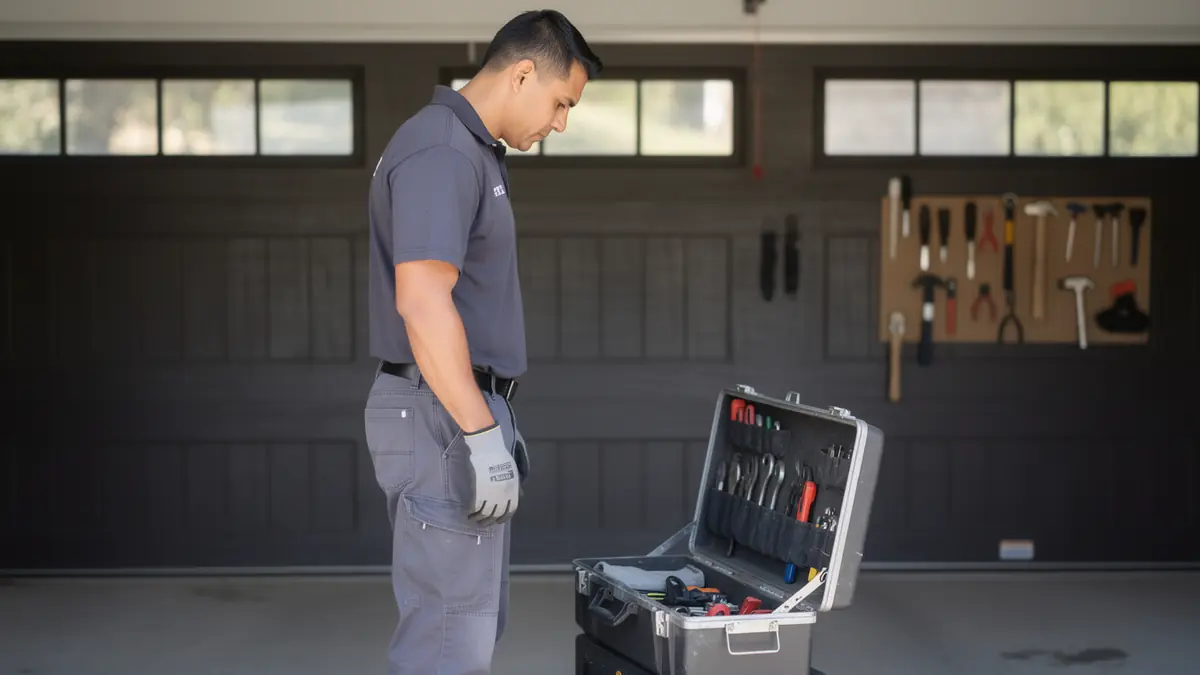
Most of the calls we run come from houses built between 1966 and 2001, with the bulk of that stock going up in the 1980s and 90s. That matters because a door from that era isn't a new door with a few scratches - it's original hardware, original torsion springs, and in a lot of cases an opener that predates rolling-code remotes. A service call on one of these houses isn't a quick look and a squirt of oil. It's checking whether the spring is still rated for the weight of the door, whether the cable drums have worn grooves, and whether the track was ever set up square in the first place, because a lot of builder-grade installs from that period weren't. We start by figuring out what decade the hardware is actually from, not what the house looks like from the driveway. A door that gets serviced once in thirty-five years tends to have more than one thing wrong with it, and we'd rather tell you that up front than fix the symptom and get a callback in six weeks.
How Local Conditions Play In
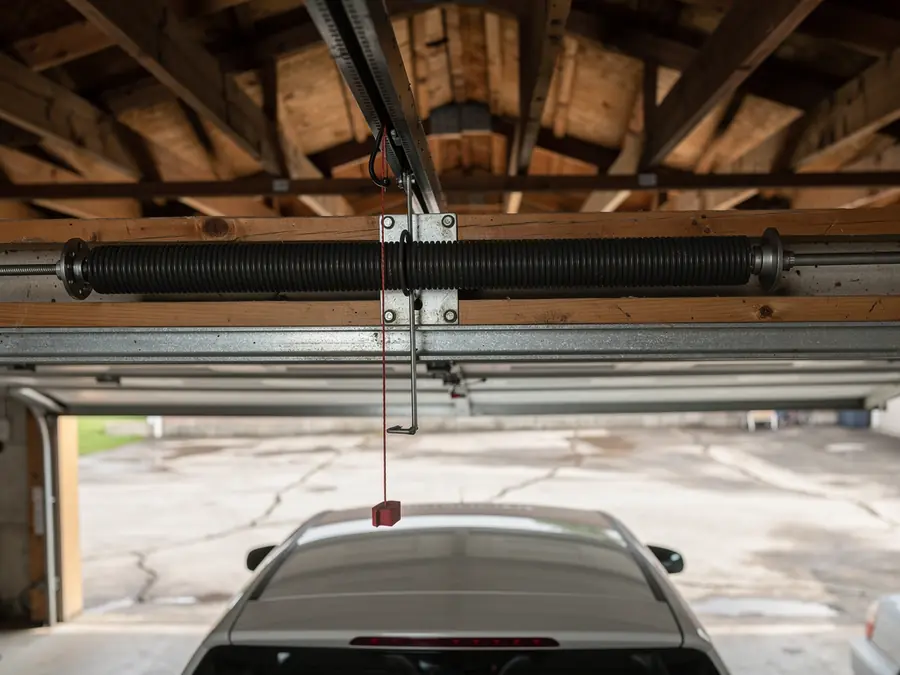
Bothell sits in a cold-moderate climate band - not the kind of hard freeze that splits concrete, but enough sustained damp and cold that steel hardware corrodes faster here than it would in a dry climate. On a service call, that changes what we're actually looking at: rollers with surface rust that have started binding in the track, cable ends fraying where moisture's gotten into the strands, and spring coils that have lost their factory coating years ago and are quietly losing tension. None of that shows up as an obvious failure until the day it does. So part of the call is spreading the lubricant where it actually needs to go - the hinges and rollers, not the track - and checking the spring's wind for corrosion pitting, which is the thing that makes a spring snap instead of just wearing out gracefully. We also check the opener's force settings, because a door that's gotten heavier from rust and grime will trip the auto-reverse more than it should, and most owners assume that means the opener's failing when it's really the door.
The Seasonal Bit
With roughly 85,000 owner-occupied houses in the service area, a lot of doors installed around the same building boom hit the end of their spring's rated cycle count in the same few years - and that tends to surface in late fall, when the first cold snap stiffens the grease in bearings that have gone unserviced for a decade. That's when we see the most sudden breaks: a spring that's been slowly losing temper all year finally lets go on a cold morning when the steel contracts and the door's just a little heavier to lift. It's not dramatic weather causing it - it's steady cold doing what steady cold does to metal that's overdue for attention. A call in October or November usually turns up more wear than the same door would show in July, even though nothing specific happened. The honest fact here is we can't predict exactly when a given spring will go. We can tell you it's close, and that's usually enough to decide whether to replace it on our terms or on the spring's.
The Common Mistake
The mistake we see most is someone replacing an opener on a house with this original 1980s-90s hardware and assuming the new opener fixed the door. It didn't - it just has a stronger motor pushing through the same worn rollers and the same off-tension spring that caused the original problem. A new opener on bad hardware usually fails faster than an old opener on good hardware. We won't sell you an opener swap as a fix for a spring or track issue, because it isn't one, and you'd be back in a year with the same complaint and a newer motor burning out. If the door itself - panels, track, springs - is original to a house built in the 80s or 90s, that's usually the conversation worth having before anyone touches the opener. Sometimes the honest answer is that the door's reached the point where patching one more part isn't worth it, and that's a harder sell than it should be, but it's the one we'll give you.
Services
Garage door services in Bothell
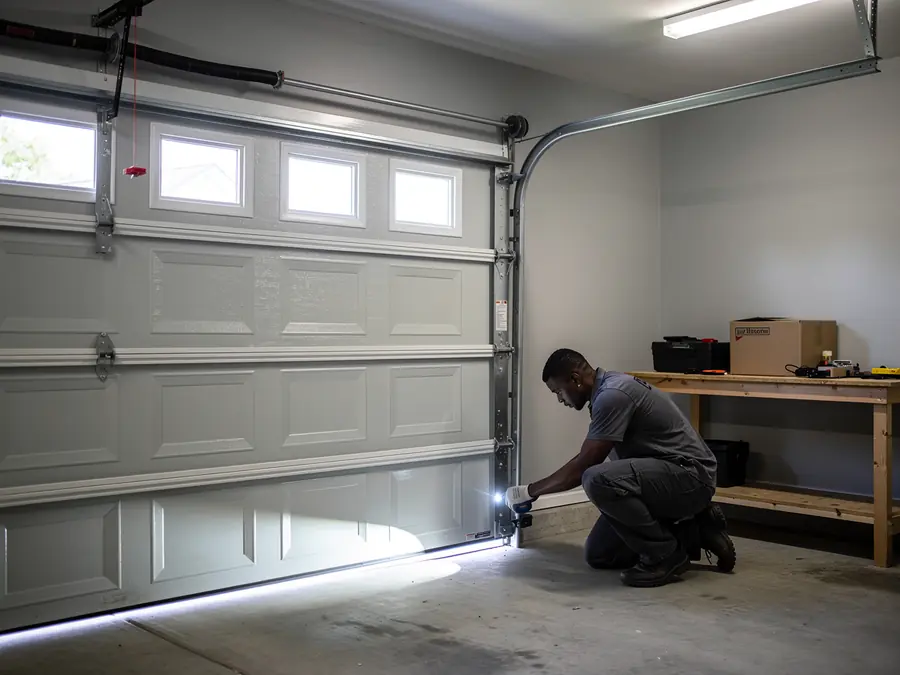 01Garage Door RepairBothell homes built mostly between 1966 and 2001 carry original torsion hardware that wasn't made for Pacific Northwest damp winters. Here's where it fails and why.Read more
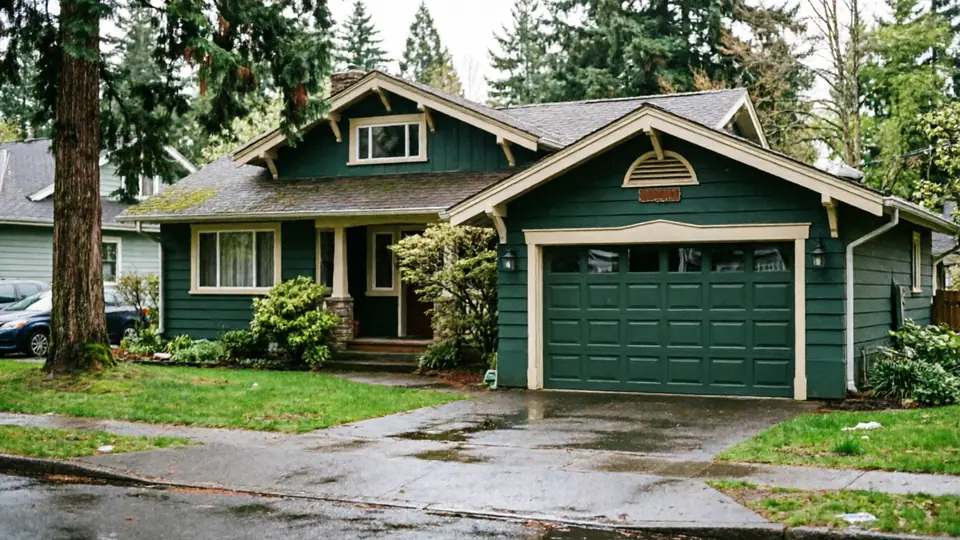 02Garage Door InstallationGarage door installation for Bothell homes built mostly between 1966 and 2001, where original hardware and single-layer steel doors are reaching the end of their run.Read more
 03Garage Door ServiceBothell homes built between 1966 and 2001 carry original garage door hardware that struggles in our cold, wet winters. Here's where that hardware fails first.Read more
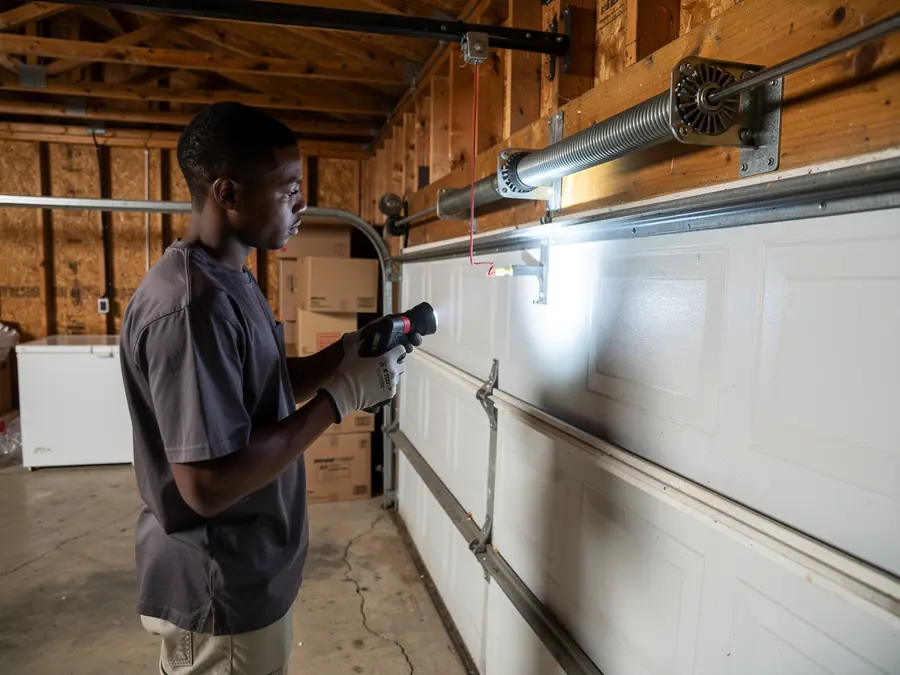 04Spring RepairTorsion and extension spring repair for Bothell-area homes built mostly between 1966 and 2001, where cold damp winters put extra load on aging spring hardware.Read more
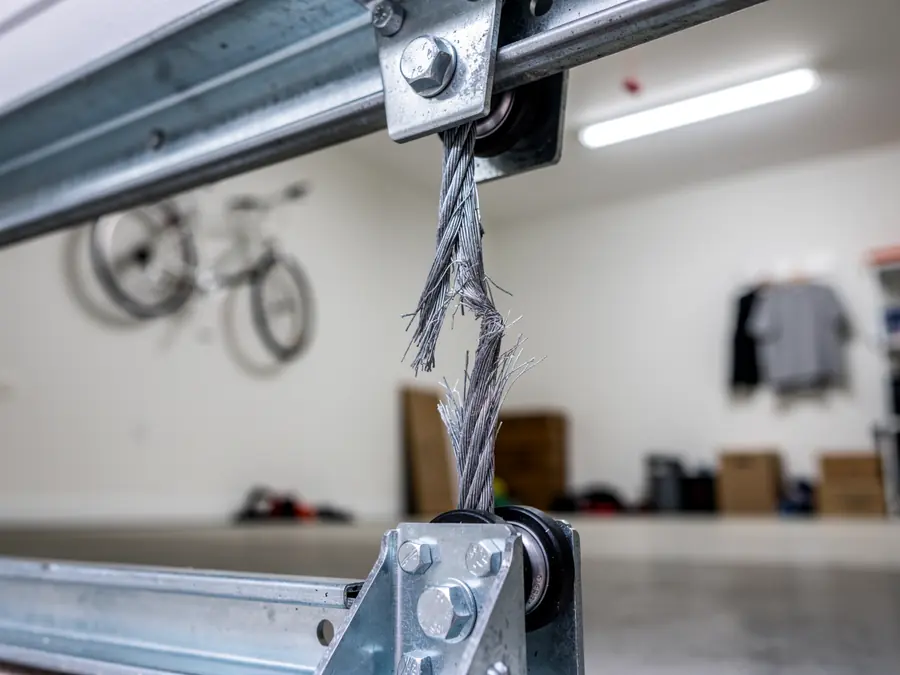 05Cable RepairFrayed or snapped garage door cables are common in Bothell's 1980s-90s housing stock. Same-area cable repair from Bothell Garage Door Pros, serving homes built 1966-2001.Read more
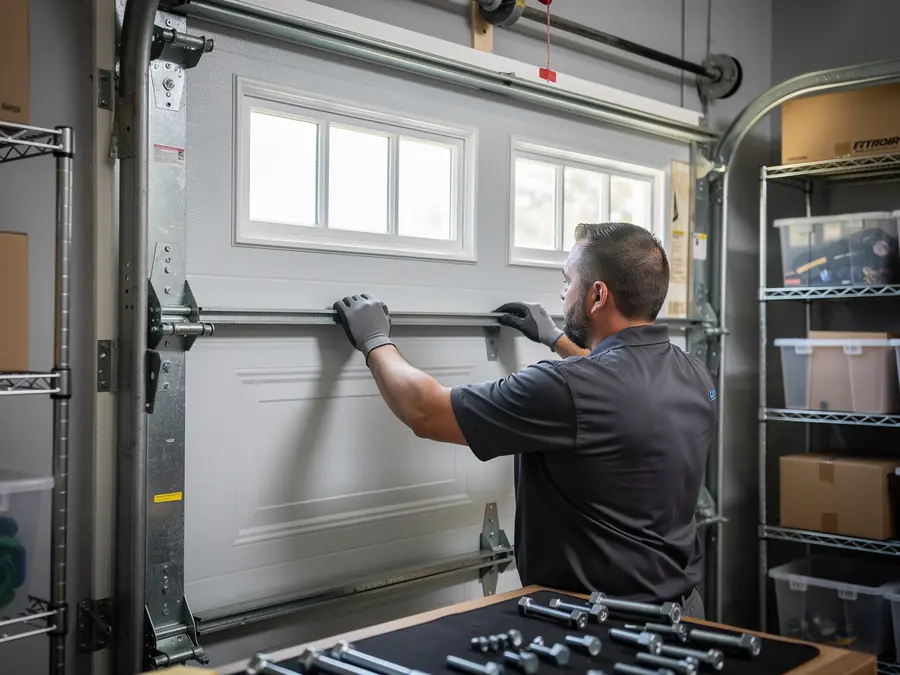 06Panel ReplacementPanel replacement for Bothell homes built 1966-2001, where cold winters and original steel sections crack, dent, and warp. Call for a straight look at the job.Read more
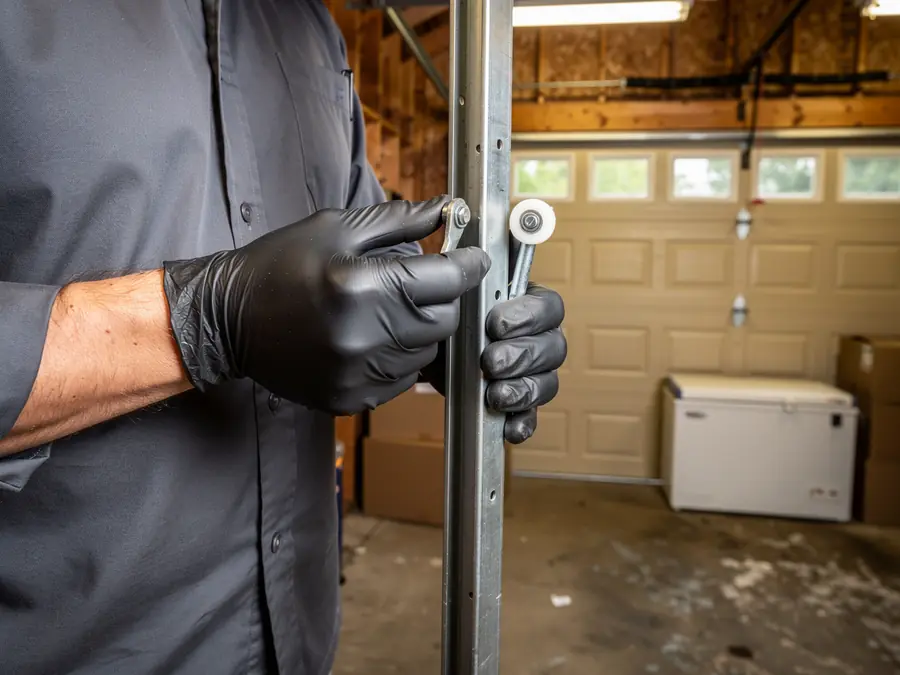 07Roller ReplacementWorn rollers on Bothell's 1970s-90s steel doors bind and jump track in cold, wet weather. Bothell Garage Door Pros replaces them with nylon rollers built for this climate.Read more
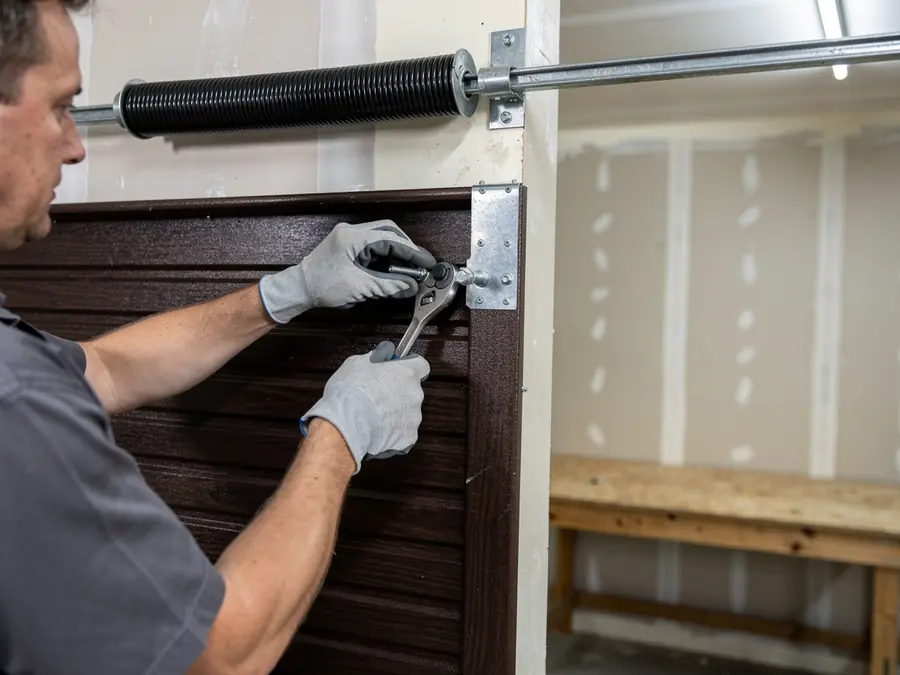 08MaintenanceBothell garage door maintenance for homes built 1966-2001: spring, roller, and opener tune-ups built for cold winter swings in the service area near Kenmore.Read more
FAQ
Questions about this
Do you work on doors built in the 1980s and 90s?
That's most of what we see. A lot of the housing stock in this service area dates to that period, so original torsion springs, worn cable drums, and older opener units are routine, not unusual. We carry the common spring sizes for that era on the truck.
Why does my door seem worse in cold weather?
Cold doesn't usually break a door on its own, but it stiffens grease in the bearings and makes steel hardware that's already worn feel heavier and rougher. If a spring is near the end of its life, a cold morning is often when it finally lets go.
Will a new opener fix my noisy old door?
Not if the noise is coming from the rollers, track, or spring. A stronger opener motor on worn hardware usually just pushes harder through the same problem. We'll tell you if the opener isn't actually the issue before we sell you one.
How do I know if my spring is original to the house?
If the house was built in the 1980s or 90s and the spring has never been replaced, it's likely original and well past its rated cycle count. We check the coil for corrosion pitting and wear during a call, which tells us more than the date alone.
Tell us what your door is doing.
We serve Bothell, WA and nearby communities. Every job starts with a diagnosis, so you know what failed before any work begins.