
Blog
When a Spring Goes in Cold Weather Here in Bothell
Bothell's 1966-2001 housing stock and cold, damp winters put extra strain on torsion springs. Here's what actually breaks and why, from Bothell Garage Door Pros.
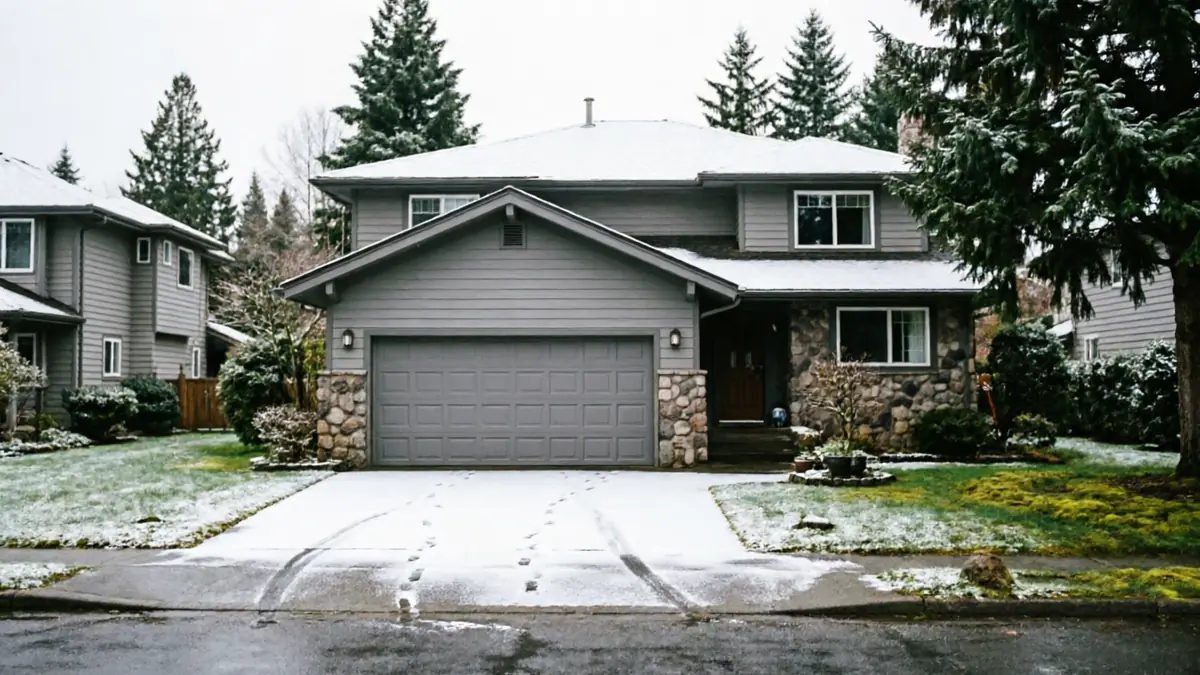
The Problem
A torsion spring doesn't care about your schedule. It winds and unwinds thousands of times a year, and the metal fatigues a little more with every cycle until one day it lets go - usually on the coldest morning of the week, because that's when the steel is least forgiving. In Bothell, most of the houses we get called to were built between 1966 and 2001, with the bulk of that stock going up in the 1980s and 90s across the area's 37 named neighborhoods. That means a lot of garages are hitting 30 to 55 years old right now, which is well past the service life of an original spring even if nobody ever touched it. The door still looks fine. The panels are straight, the opener runs, and then the spring snaps and the door either won't budge or comes down like a guillotine. We see this pattern constantly in houses from that build era, because the springs installed at construction were sized for a lighter steel door and a different duty cycle than what's being asked of them now, three or four decades later. It's not bad luck. It's math catching up with metal.
How Local Conditions Play In
Bothell sits in a cold-moderate climate band, which doesn't sound dramatic until you think about what it does to a coiled spring sitting in an unheated garage all night. Steel contracts in the cold and loses a measure of flexibility, so a spring that's already fatigued from 30-plus years of cycling has less give left when the temperature drops. That's why we get more spring-failure calls through the cold months than any other time of year - not because cold breaks good springs, but because cold is what finally breaks springs that were already near the end. Houses built in the 1966-2001 window common here often have single-car or narrow double garages that stay a few degrees colder than the detached shops and newer insulated garages you'd find elsewhere, since the construction of that era didn't prioritize garage insulation the way current code does. We're not saying every house in Kenmore, Brier sees the same thing - soil, orientation, and how exposed the garage is all matter - but the pattern across this stretch of service area, from Alderwood Manor out to Mountlake Terrace, holds: older spring, colder morning, bigger chance of a snap.
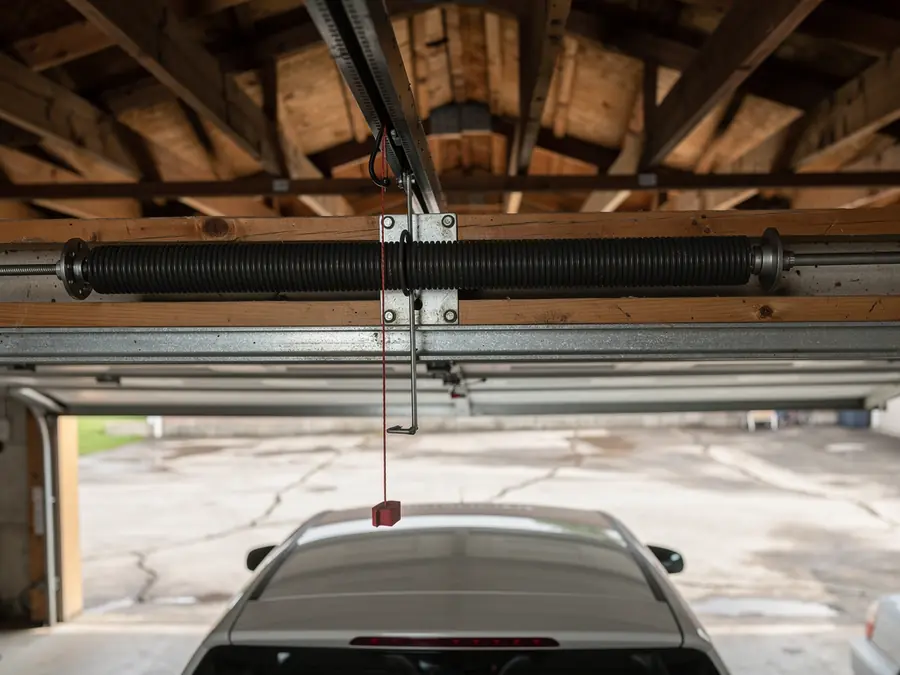
The Seasonal Bit
The failure doesn't happen evenly across the year. Watch a spring long enough and you'll see the cycle: it holds fine through the warmer months, then starts showing stress - a door that feels heavier, a slight shudder on the way up - right as the mornings turn cold. For a lot of the 1980s and 90s builds we work on, that first real cold stretch of the season is when the weakest spring in the neighborhood finally gives. It's not a coincidence that we book more emergency spring jobs in that window than any other. If your door has felt heavier than it used to, or the opener's been straining on the last foot of travel, that's usually the spring telling you it's close, well before it actually breaks. Catching it there is cheaper and a lot less dangerous than catching it after, because a spring under full tension that fails without warning can do real damage to whatever's standing near the door track when it goes.
The Common Mistake
The mistake we see most is treating a broken spring as a quick DIY swap because the part itself isn't expensive. A torsion spring on a double door is under enough stored tension to break bones, and winding it to the correct number of turns without the right bars and a clear idea of what you're doing is not a reasonable weekend project. The other mistake is replacing only the broken spring on a door that has two. If one spring failed from age and fatigue, the other one off the same original installation - likely a 1980s or 90s build - is on the same clock and close behind it. We'd rather tell you that up front than have you call us back in six weeks for the second half of the same job. One honest limitation: we don't stock every obscure spring size for the oldest garages in the 1966-era homes, so on a handful of jobs we're ordering a part rather than carrying it on the truck, which can mean a short wait instead of a same-day fix.
Services
Garage door services in Bothell
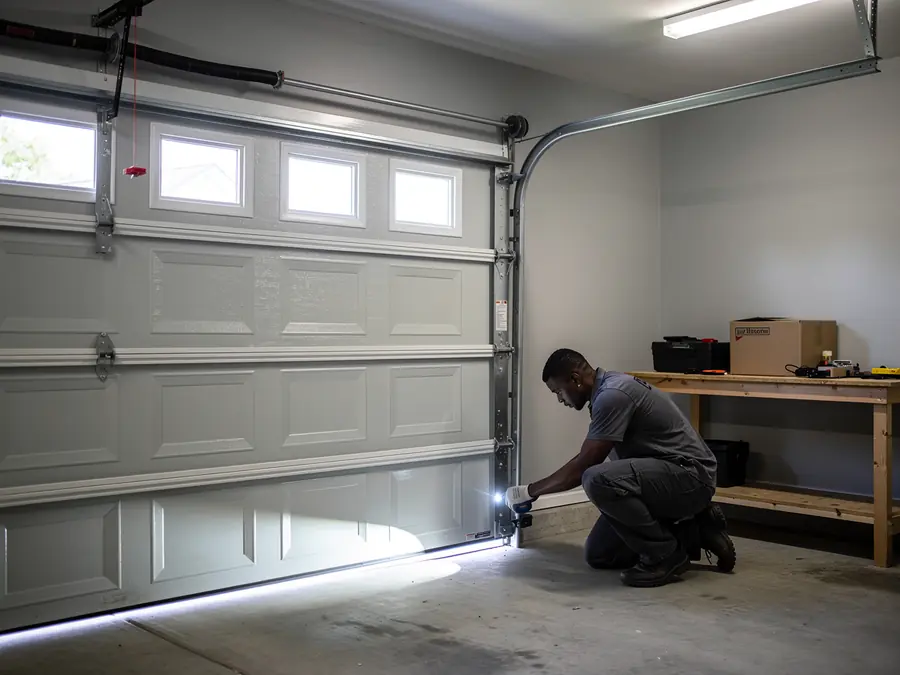 01Garage Door RepairBothell homes built mostly between 1966 and 2001 carry original torsion hardware that wasn't made for Pacific Northwest damp winters. Here's where it fails and why.Read more
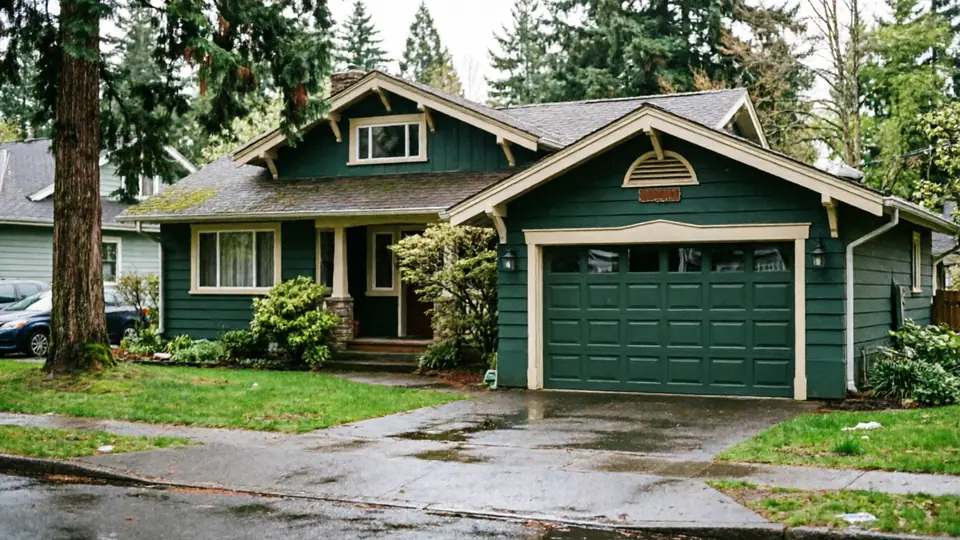 02Garage Door InstallationGarage door installation for Bothell homes built mostly between 1966 and 2001, where original hardware and single-layer steel doors are reaching the end of their run.Read more
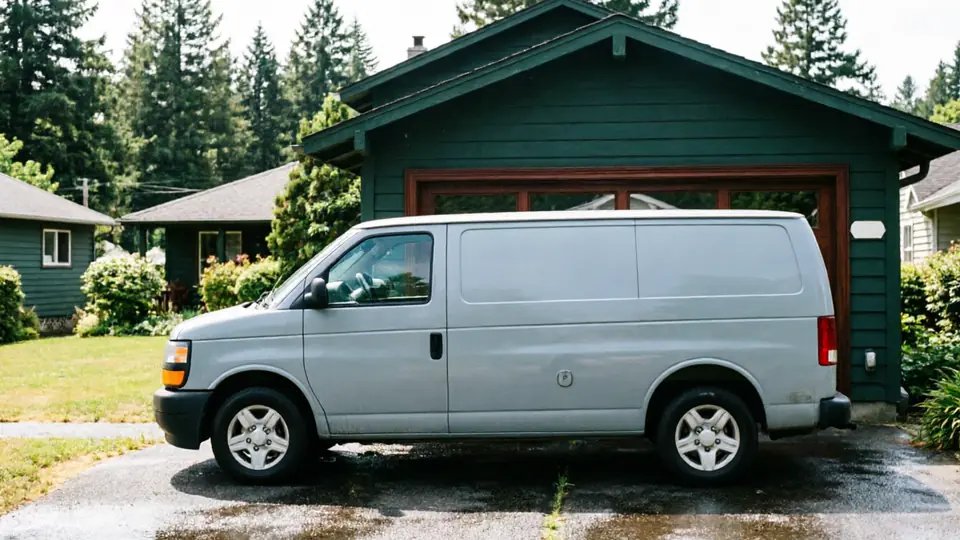 03Garage Door ServiceBothell homes built between 1966 and 2001 carry original garage door hardware that struggles in our cold, wet winters. Here's where that hardware fails first.Read more
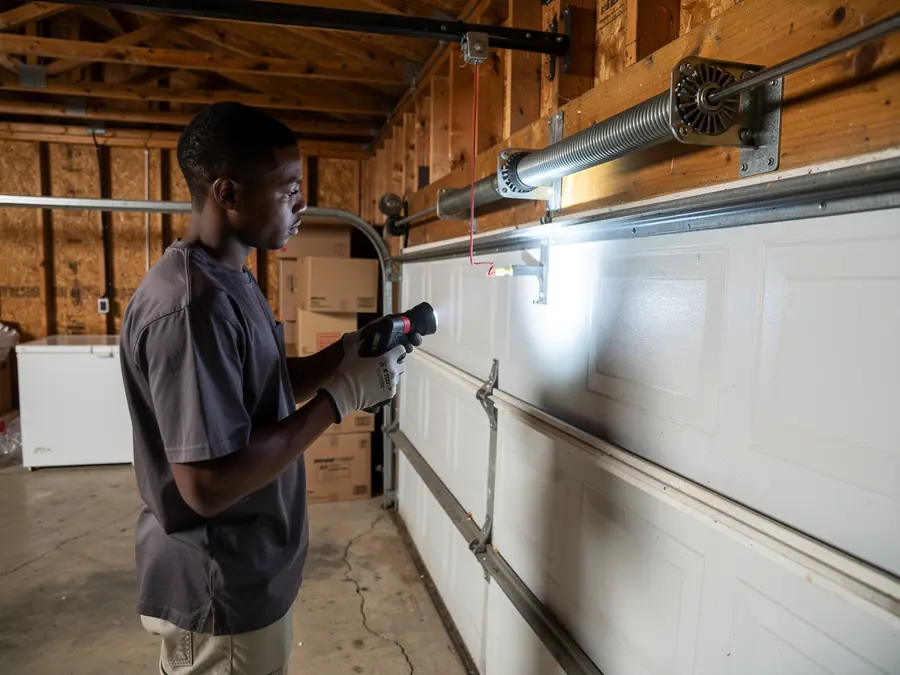 04Spring RepairTorsion and extension spring repair for Bothell-area homes built mostly between 1966 and 2001, where cold damp winters put extra load on aging spring hardware.Read more
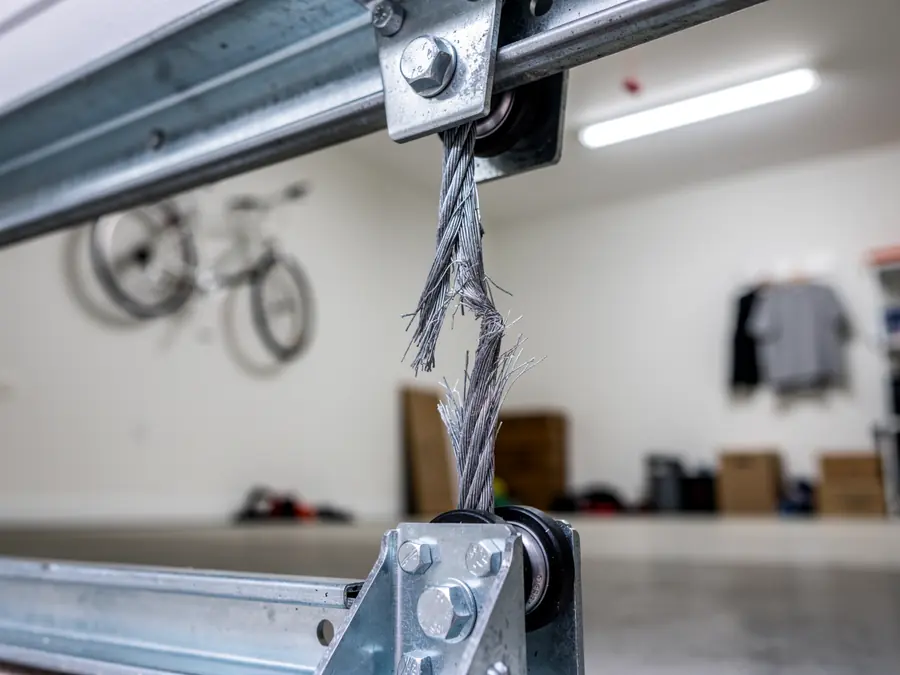 05Cable RepairFrayed or snapped garage door cables are common in Bothell's 1980s-90s housing stock. Same-area cable repair from Bothell Garage Door Pros, serving homes built 1966-2001.Read more
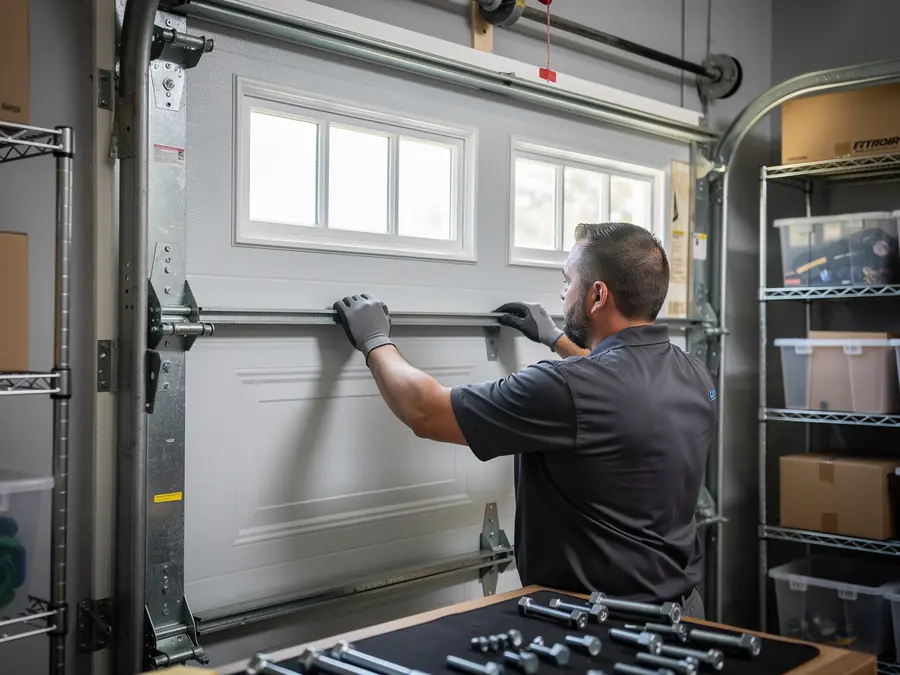 06Panel ReplacementPanel replacement for Bothell homes built 1966-2001, where cold winters and original steel sections crack, dent, and warp. Call for a straight look at the job.Read more
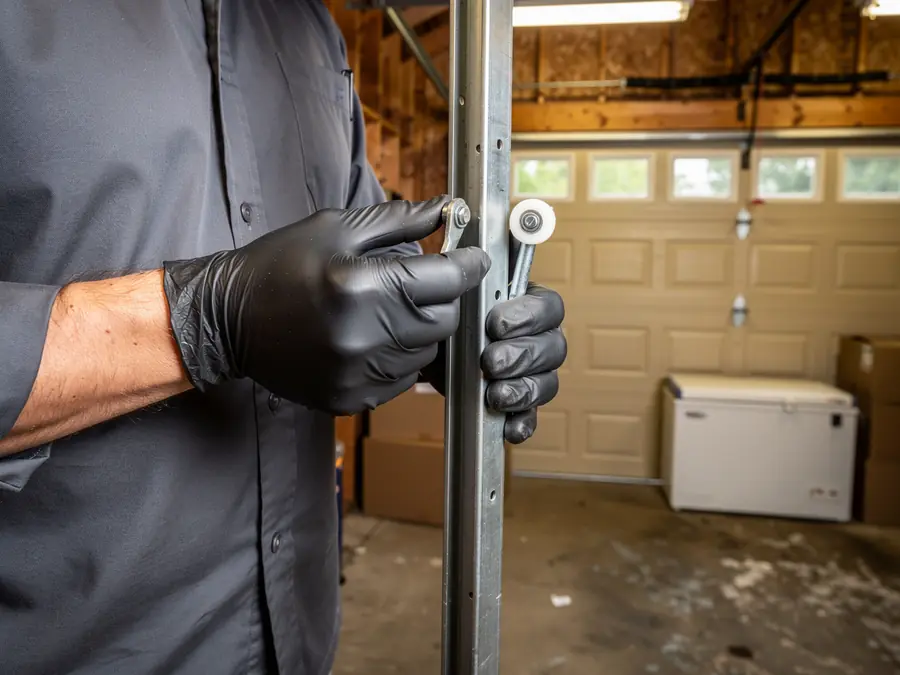 07Roller ReplacementWorn rollers on Bothell's 1970s-90s steel doors bind and jump track in cold, wet weather. Bothell Garage Door Pros replaces them with nylon rollers built for this climate.Read more
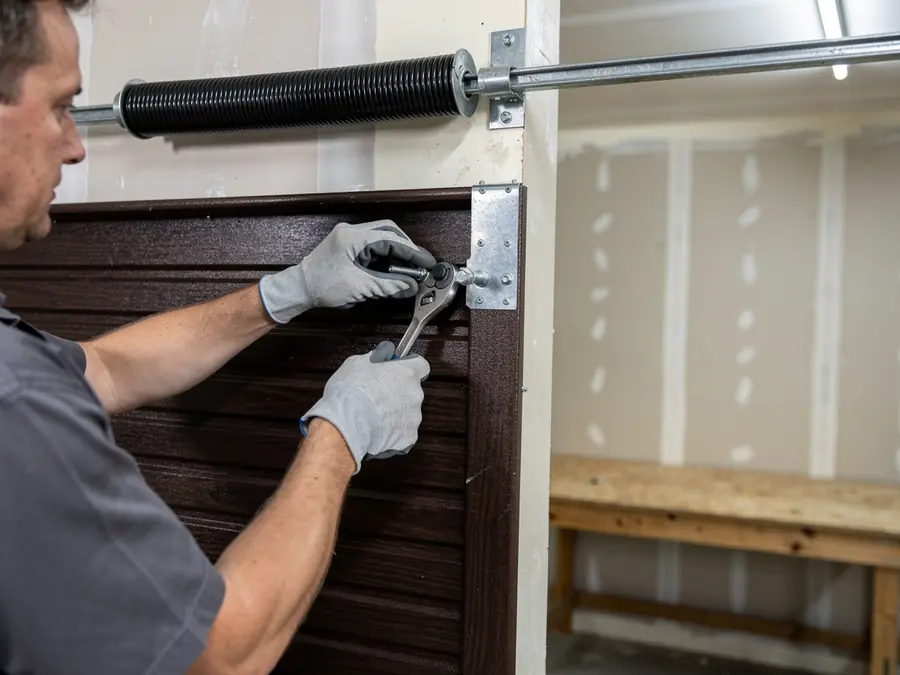 08MaintenanceBothell garage door maintenance for homes built 1966-2001: spring, roller, and opener tune-ups built for cold winter swings in the service area near Kenmore.Read more
FAQ
Questions about this
Why did my spring break in the cold instead of during summer?
Cold steel has less flexibility, and a spring that's already fatigued from decades of cycling has the least flexibility to spare. In Bothell's cold-moderate climate, that first cold stretch is often what finally snaps a spring that's been weakening for years - the cold doesn't cause the damage, it just exposes it.
My house was built in the 1980s - is the spring still original?
It's possible. Torsion springs on houses from that era, which make up a large share of the local stock built between 1966 and 2001, are well past typical service life if they've never been replaced. Age alone is a reason to have one checked, even if the door still looks and runs fine.
Can I replace a torsion spring myself?
We don't recommend it. A wound torsion spring holds enough stored force to cause serious injury, and setting the correct tension needs specific bars and know-how. It's one of the few garage door jobs where the cost of getting it wrong is a lot higher than the cost of calling someone.
Do you carry springs for older garages on the truck?
Most common sizes, yes. For some of the older 1966-era installations we occasionally need to order a specific spring, which can mean a short wait rather than a same-day repair. We'll tell you up front if that's the case before we book the job.
Tell us what your door is doing.
We serve Bothell, WA and nearby communities. Every job starts with a diagnosis, so you know what failed before any work begins.