
Blog
Why Garage Doors Jump the Rails in Older Bothell Homes
Bothell's housing dates mostly to 1966-2001, and original track brackets loosen after years of cold, wet winters - here's exactly why doors jump the rails.
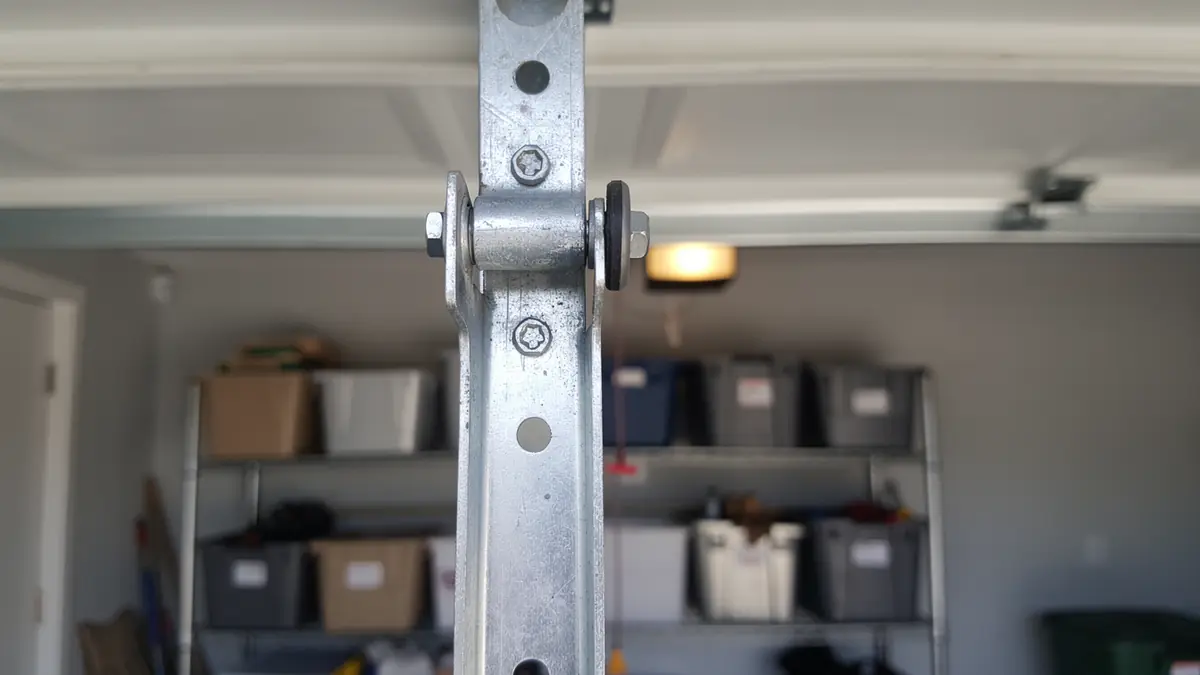
The Problem
A garage door comes off track when the rollers lose their grip on the vertical or horizontal track, usually because the track itself has pulled away from the jamb or bent out of its original line. In Bothell, most of the housing stock went up between 1966 and 2001, with a lot of it clustered in the 1980s and 90s across the thirty-some named pockets that make up this area. That matters here because a door built in, say, 1985 is running on track brackets that were lag-bolted into framing that has had three or four decades to move. Wood shrinks, settles, and flexes over that span, and every time it does, the bracket holding the track shifts a fraction of an inch. One shift doesn't do much. Thirty years of small shifts adds up to a track that's no longer plumb, and a door that rides the rollers right off the edge the first time it gets bumped or slammed. We see this most on the original builder-grade track still bolted to original studs - nobody's touched the hardware since the house was framed, and it shows.
How Local Conditions Play In
This area sits in a cold-moderate climate band, not the kind of extreme swing that cracks concrete, but enough damp and cold through the winter months to work on wood and metal slowly. Framing lumber in a house built in this stretch of years takes on moisture every wet season and gives it back every dry spell, and that cycle is what loosens the lag screws holding a track bracket to the jamb - not one storm, just years of it. Metal track itself doesn't rust through in this climate the way it might somewhere wetter or saltier, but galvanized track exposed to a damp garage for thirty-plus years does pit enough at the roller contact points that the rollers start to ride rough instead of smooth. Rough-riding rollers catch, and a catching roller is one gentle tug away from jumping the flange. None of this is dramatic. It is slow, and it is exactly why doors on houses from this build era tend to go off track with no obvious trigger - the trigger happened gradually, over winters, long before the day it finally lets go.
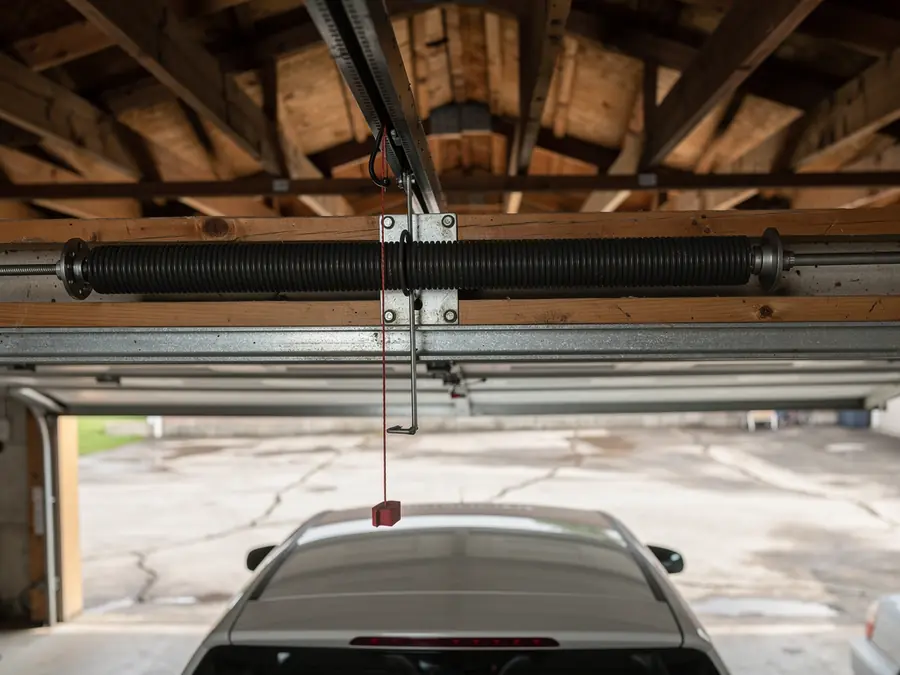
The Seasonal Bit
Cold-moderate winters here don't freeze a garage door shut the way a harsher climate would, but they do change how a door balances through the year. Springs lose a little tension in the cold, and a door that was balanced correctly in August can be slightly heavier on one side by January. A door that's out of balance pulls harder on one roller than the other every time it runs, and over a winter season that uneven pull is enough to walk a roller off a track that's already a little loose from decades of bracket creep. We get more off-track calls through the wet months than the dry ones, not because anything breaks all at once, but because the imbalance that was tolerable in summer stops being tolerable once the temperature drops. If your door has felt heavier on one side the last month or two, that's usually the balance shifting before the track lets go, not after.
The Common Mistake
The mistake we see most is a homeowner finding the door hanging crooked on its track and trying to muscle it back into the slot by hand, then tightening whatever bolts are loose and calling it fixed. That gets the door moving again for a week or two, but it doesn't address why the track pulled loose in the first place - usually a bracket lag screw that's been working its way out of thirty-year-old framing. Re-tightening into the same stripped hole just buys time. The honest limitation here: if the track itself is bent, not just loose, tightening won't fix it at all, and repeated off-track events bend track a little more each time. At some point the bracket holes are too stripped and the track too bent to true up, and replacing the track section costs less in the long run than another round of temporary fixes. We'll tell you straight which situation you're in before we do anything.
Services
Garage door services in Bothell
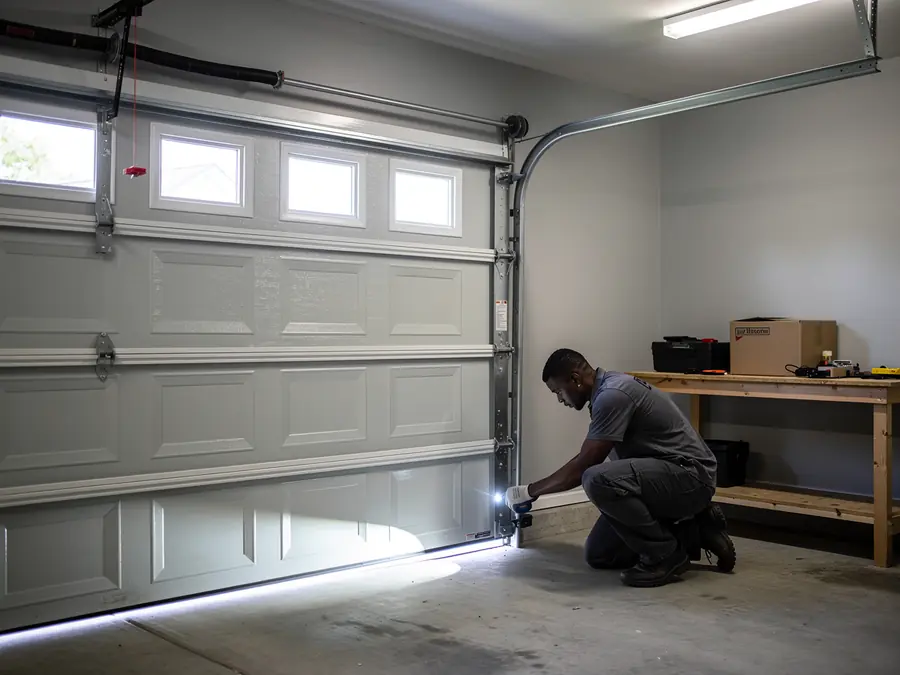 01Garage Door RepairBothell homes built mostly between 1966 and 2001 carry original torsion hardware that wasn't made for Pacific Northwest damp winters. Here's where it fails and why.Read more
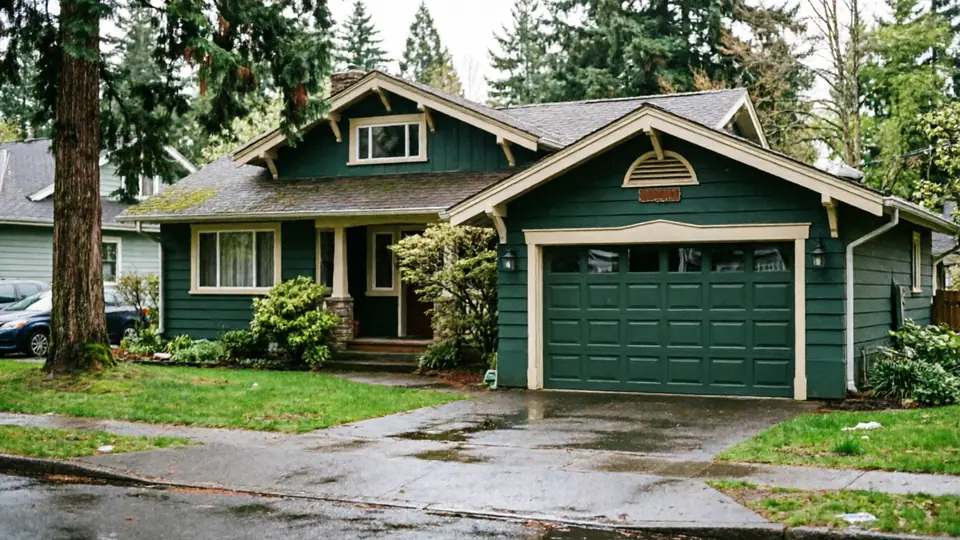 02Garage Door InstallationGarage door installation for Bothell homes built mostly between 1966 and 2001, where original hardware and single-layer steel doors are reaching the end of their run.Read more
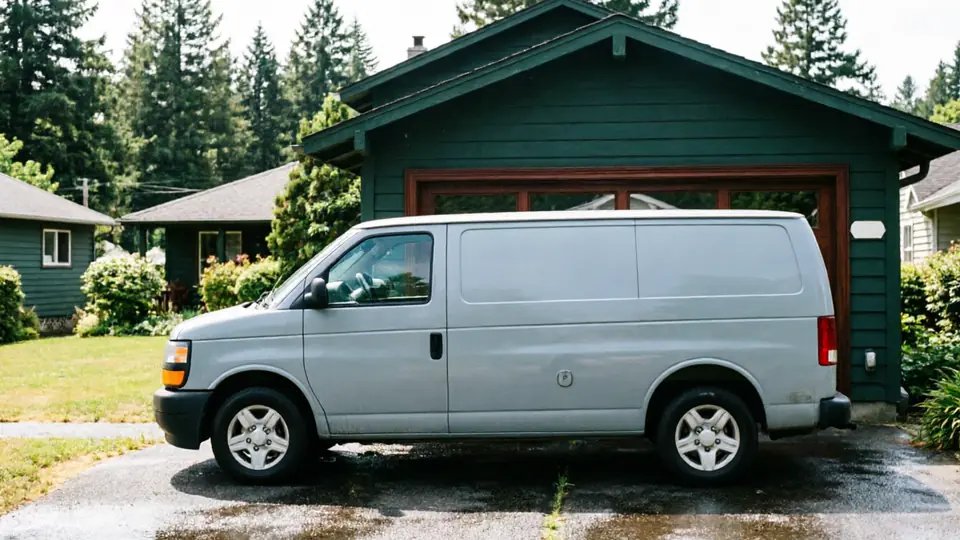 03Garage Door ServiceBothell homes built between 1966 and 2001 carry original garage door hardware that struggles in our cold, wet winters. Here's where that hardware fails first.Read more
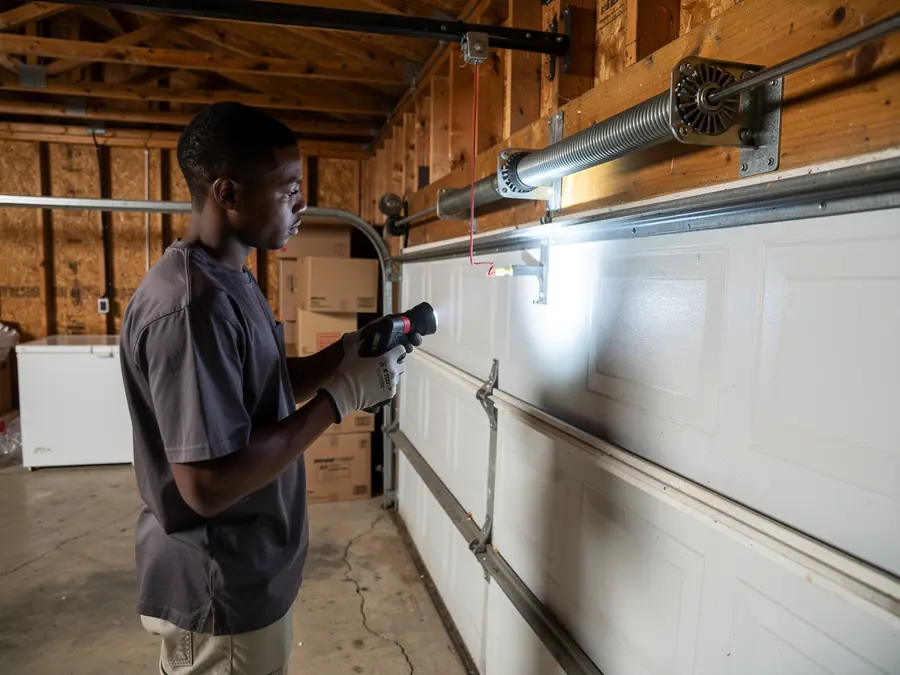 04Spring RepairTorsion and extension spring repair for Bothell-area homes built mostly between 1966 and 2001, where cold damp winters put extra load on aging spring hardware.Read more
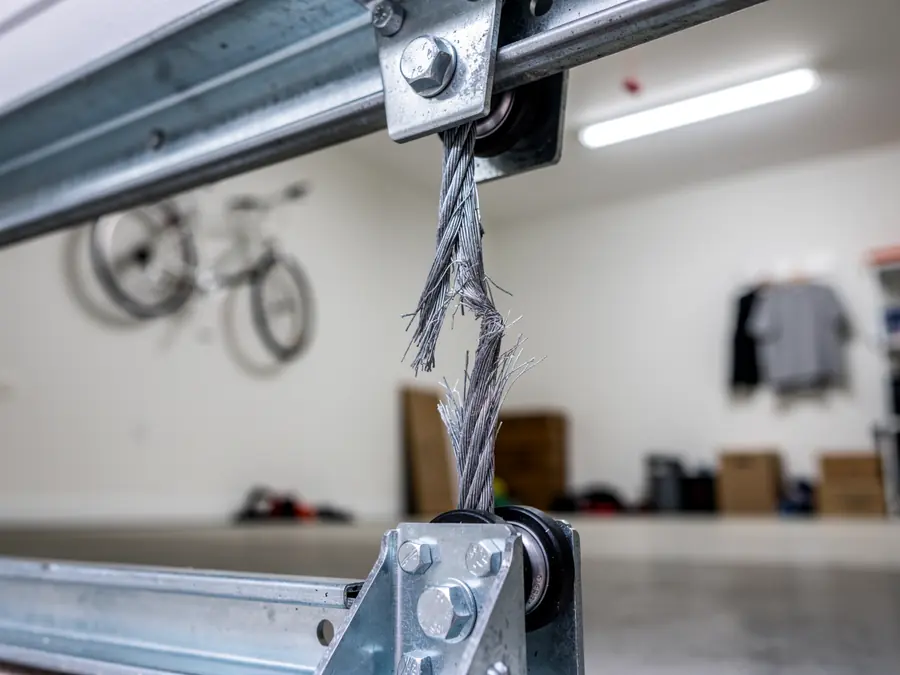 05Cable RepairFrayed or snapped garage door cables are common in Bothell's 1980s-90s housing stock. Same-area cable repair from Bothell Garage Door Pros, serving homes built 1966-2001.Read more
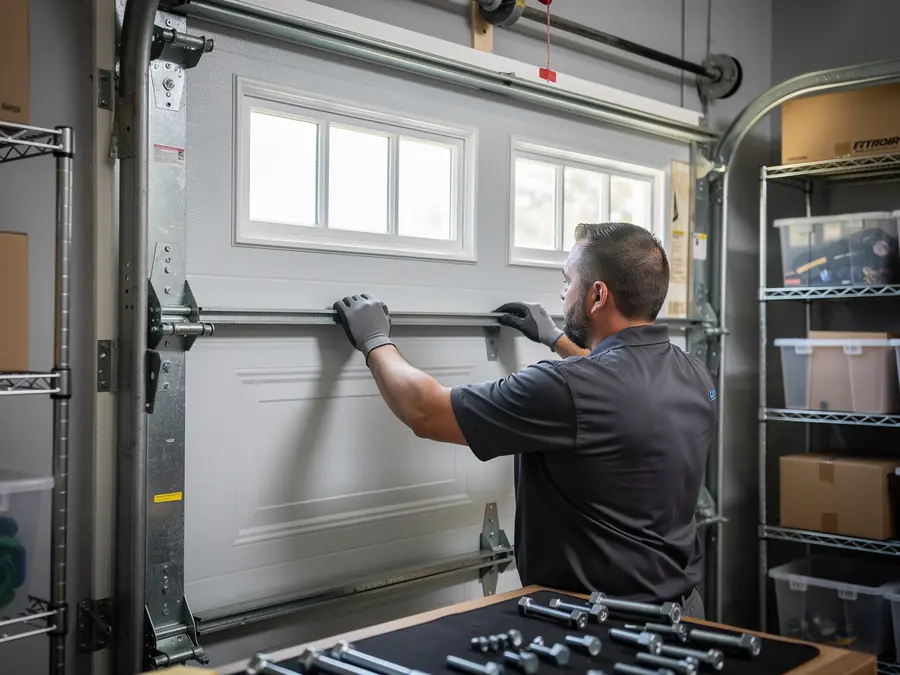 06Panel ReplacementPanel replacement for Bothell homes built 1966-2001, where cold winters and original steel sections crack, dent, and warp. Call for a straight look at the job.Read more
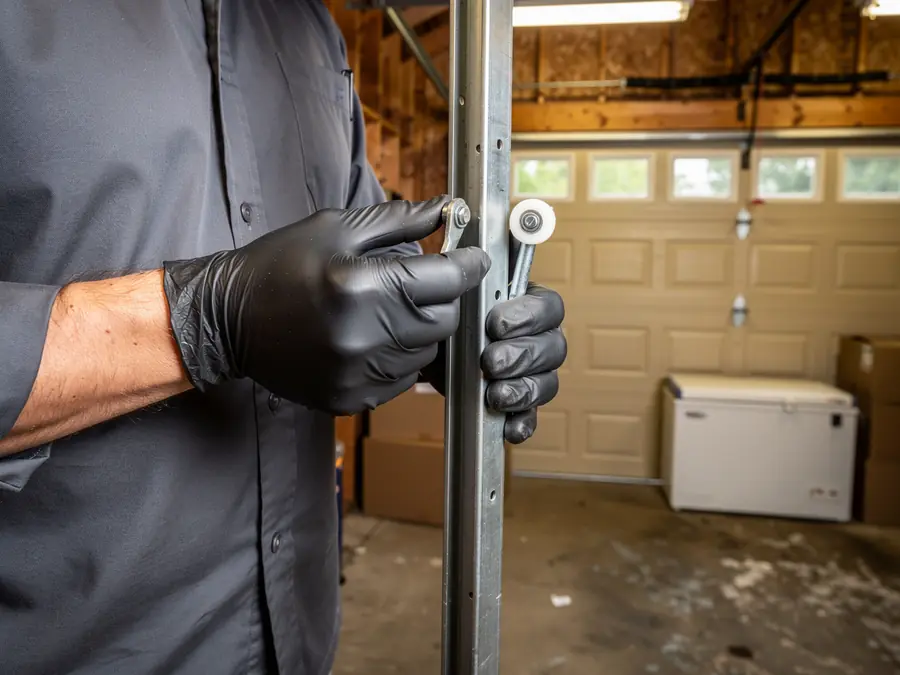 07Roller ReplacementWorn rollers on Bothell's 1970s-90s steel doors bind and jump track in cold, wet weather. Bothell Garage Door Pros replaces them with nylon rollers built for this climate.Read more
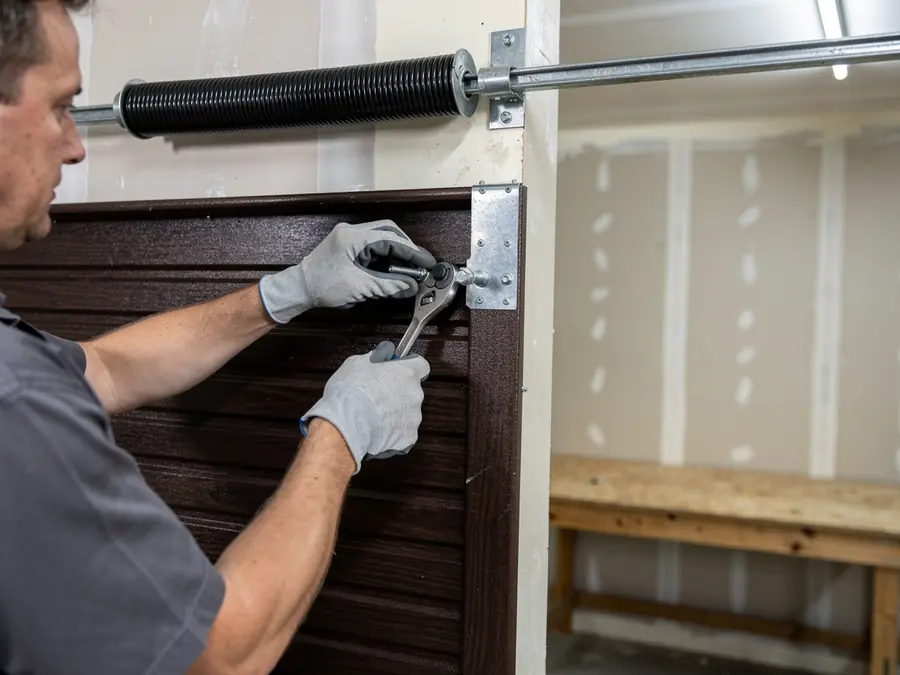 08MaintenanceBothell garage door maintenance for homes built 1966-2001: spring, roller, and opener tune-ups built for cold winter swings in the service area near Kenmore.Read more
FAQ
Questions about this
Why does my garage door only come off track in winter?
Springs lose some tension in cold weather, which throws the door's balance slightly off. On a track that's already a bit loose from years of bracket movement, that extra pull on one side is often enough to walk a roller off the rail. It's rarely the cold causing it outright - it's the cold exposing a track that was already marginal.
Is it safe to push the door back onto the track myself?
No. A door off track is usually still under spring tension, and forcing it back into the rail can snap a cable or let the door drop without warning. It's a call-us situation, not a DIY one, especially on anything with the original torsion hardware common in houses from the 1960s through the 90s.
Can you just re-bolt the track instead of replacing it?
Sometimes, yes - if the track is straight and the jamb wood underneath is still solid, we re-set the bracket into sound wood and it holds. If the track itself is bent from repeated off-track events, re-bolting won't fix that, and we'll say so rather than charge you for a fix that won't last.
Tell us what your door is doing.
We serve Bothell, WA and nearby communities. Every job starts with a diagnosis, so you know what failed before any work begins.