
Roller Replacement · Cottage Lake
Roller Replacement for Cottage Lake's 1980s Garage Doors
Cottage Lake homes built around 1984 still run original steel rollers on steel track. We drive out from Bothell to swap them before the bearings seize.
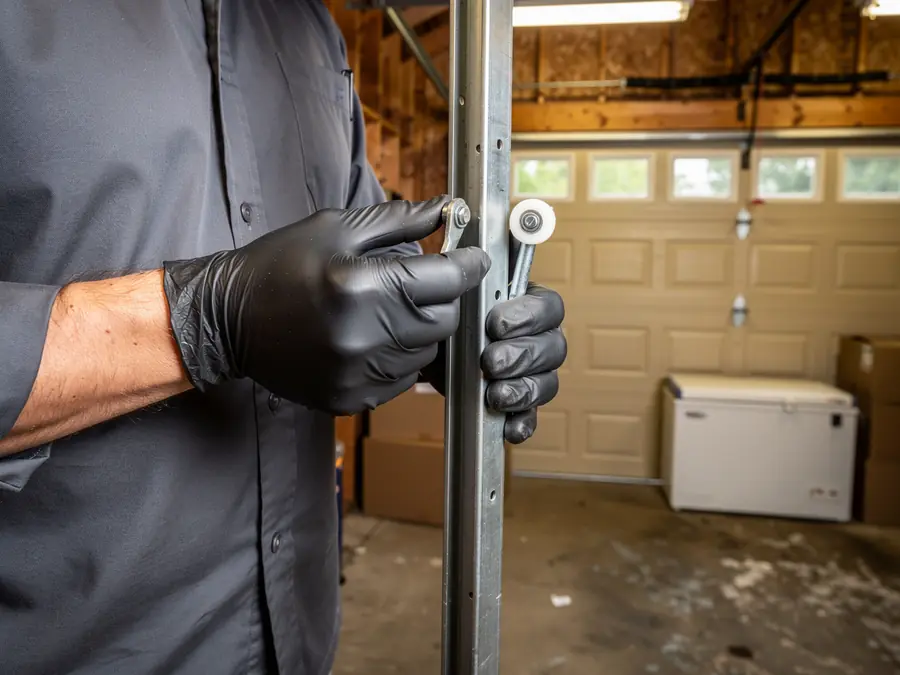
Why It Happens Here
The fault we see most in Cottage Lake isn't a broken spring, it's rollers that have worn a groove into themselves. Steel roller on steel track was standard hardware on doors installed through the 1980s and 90s, and it's loud, slow, and rough on the opener long before it actually fails. You notice it as a grinding or a hitch partway up the track, not a dead stop.
Cottage Lake's housing stock centers on 1984, right in the middle of the broader 1966-2001 build era across this service area. That means a lot of original or first-replacement hardware is now 30-plus years old, and steel rollers from that era didn't come with the sealed bearings you'd get today. Once the bearing dries out, the roller stops spinning freely and starts dragging, which chews the track edge and puts extra strain on the opener's drive gear.
The cold moderate climate here doesn't help. Grease inside an old steel roller thickens in a cold snap, so the door that worked fine in October suddenly groans in January. It's not the cold breaking anything outright - it's the cold exposing wear that was already there.
How Long It Takes
A straight roller swap on a double door, all ten rollers replaced with sealed-bearing nylon, usually runs under two hours once the technician is on site. That's working time at the house - it doesn't include the drive from Bothell, which is about six miles to Cottage Lake, so plan the visit window around that rather than a tight appointment slot.
If the track itself is bent or the roller has worn a lip into the track edge, that adds time, because the track has to come off and get straightened or replaced rather than just swapped in place. On a lot of the 1984-era doors we see out here, the track is original and shows that kind of wear on at least one side, usually the side that takes more daily traffic.
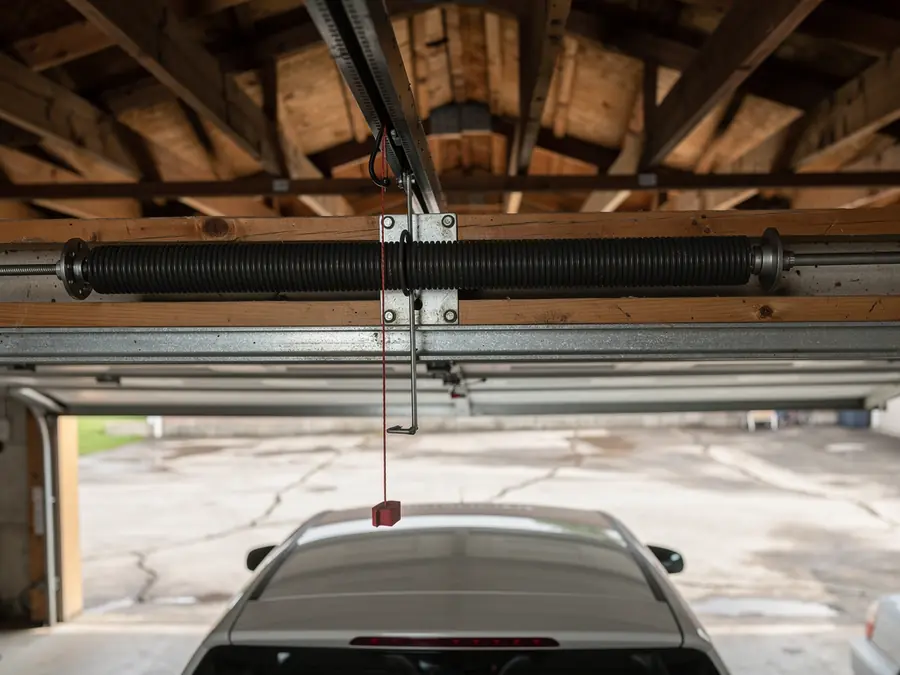
Where This Job Goes Sideways
The job gets harder, not easier, when someone's tried to fix the noise without replacing the roller - a shot of spray lubricant on a dry bearing quiets it down for a week and masks how far gone it actually is. By the time we're called, the roller stem is often worn enough that it's wallowing in the bracket, and that's a bracket replacement too, not just a part swap.
The other place it goes sideways is cable and drum wear that's been hiding behind the roller noise. On a torsion system from the 1984 era, if the rollers have been dragging for years, the extra resistance puts uneven load on the cables. We won't quote a roller-only job and then walk away from a fraying cable - that's a safety call, not an upsell, and it's the kind of thing that turns a two-hour visit into a half-day one if it's been neglected long enough.
Booking a Visit
We cover Cottage Lake from our Bothell location, about six miles out, so there's no local branch to call - just the one shop handling the drive. When you book, tell us the door's approximate age and whether it's single or double, since that changes how many rollers and what size bracket we bring.
For general background on garage doors across the neighborhood, see our Cottage Lake Garage Doors page. If you're also weighing roller replacement against other repair options, the full breakdown lives on our Bothell roller replacement page.
Can You Do This Yourself
Replacing a single roller on the bottom section of the door, away from the spring system, is within reach for a homeowner comfortable with a wrench and a stepladder. The rollers higher up the track, close to the torsion spring and cable drums, are a different situation - the door is under tension there, and working near it without the right clamps is how people get hurt.
We won't talk anyone into a service call for a job they can safely do themselves, and a single bottom roller on a door that's otherwise sound is usually one of those jobs. Where we'd push back is a full ten-roller swap on a 1984-era door with an original track - that's enough hardware, and enough chance of hitting a bent track or a worn cable along the way, that it's worth having someone who does this daily take the first look.
FAQ
Questions about this
How do I know if it's the rollers and not the opener?
If the noise or hitch happens at the same spot on the track every time the door moves, that's usually a roller or track issue, not the opener. An opener problem tends to show up as the door not responding at all, or stopping and reversing, rather than a localized grind partway through the cycle.
Why are my rollers worse in winter?
Older steel rollers use grease-packed bearings that thicken up when it's cold, which is common in this area's climate. A roller that was marginal in fall can seize or drag hard once the temperature drops, even though nothing new actually broke - the wear was already there.
Do you carry parts for a 1980s door on the truck?
Sealed-bearing nylon rollers and standard brackets are common stock sizes that fit most doors from Cottage Lake's main build era around 1984. If the track itself needs full replacement rather than straightening, that may require a follow-up visit depending on the size.
Tell us what your door is doing.
We serve Bothell, WA and nearby communities. Every job starts with a diagnosis, so you know what failed before any work begins.