Where This Job Goes Sideways
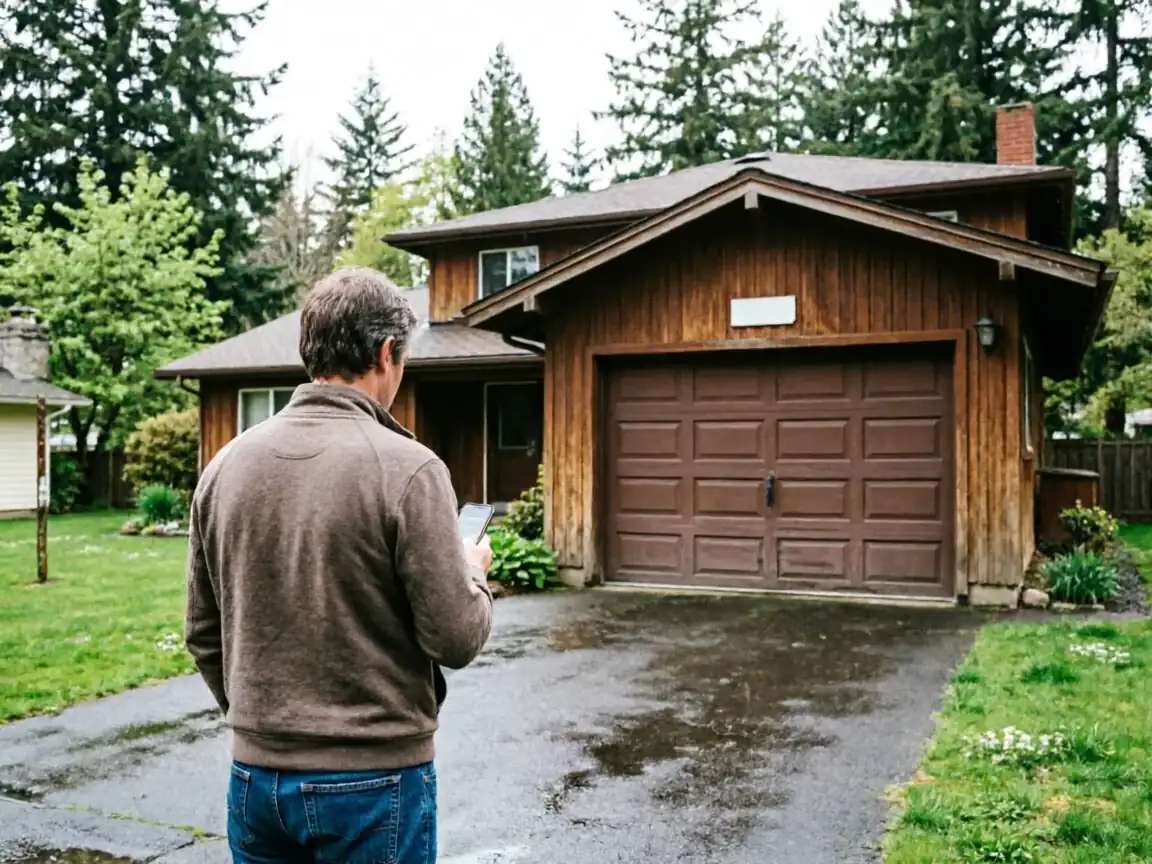
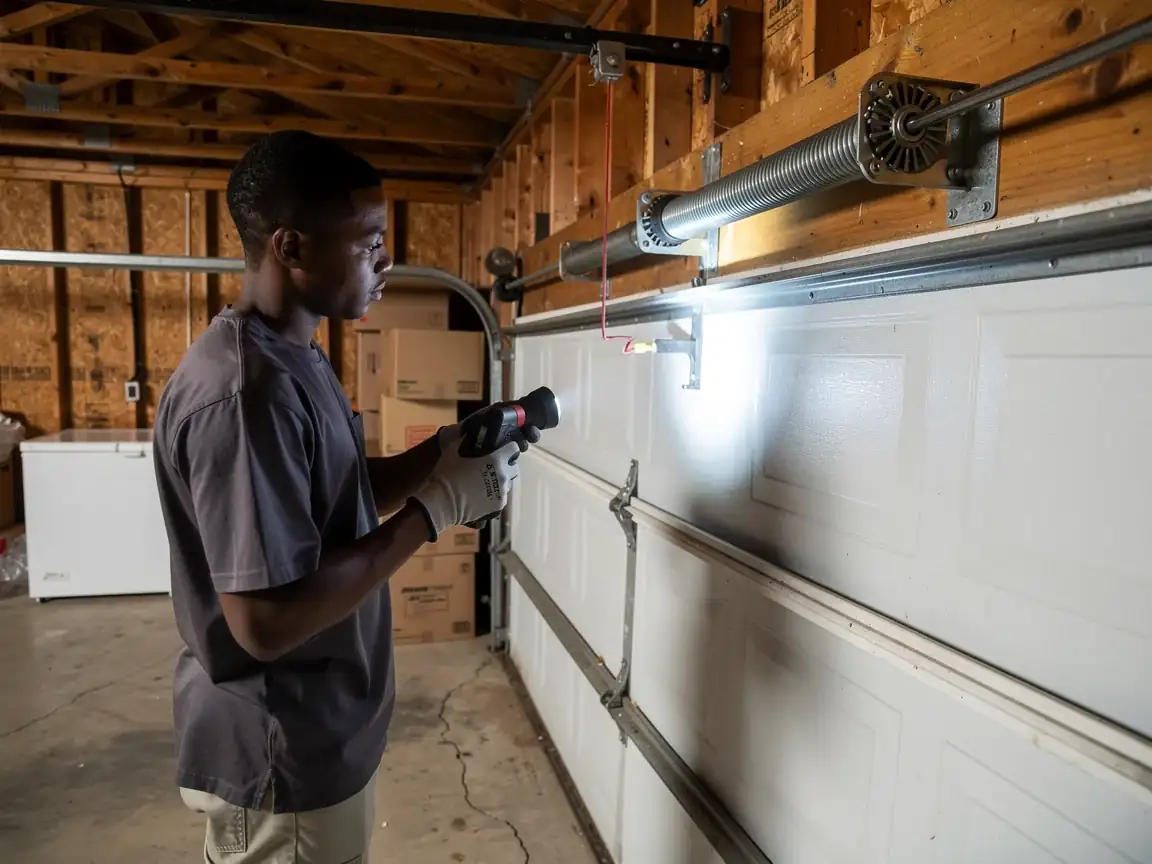
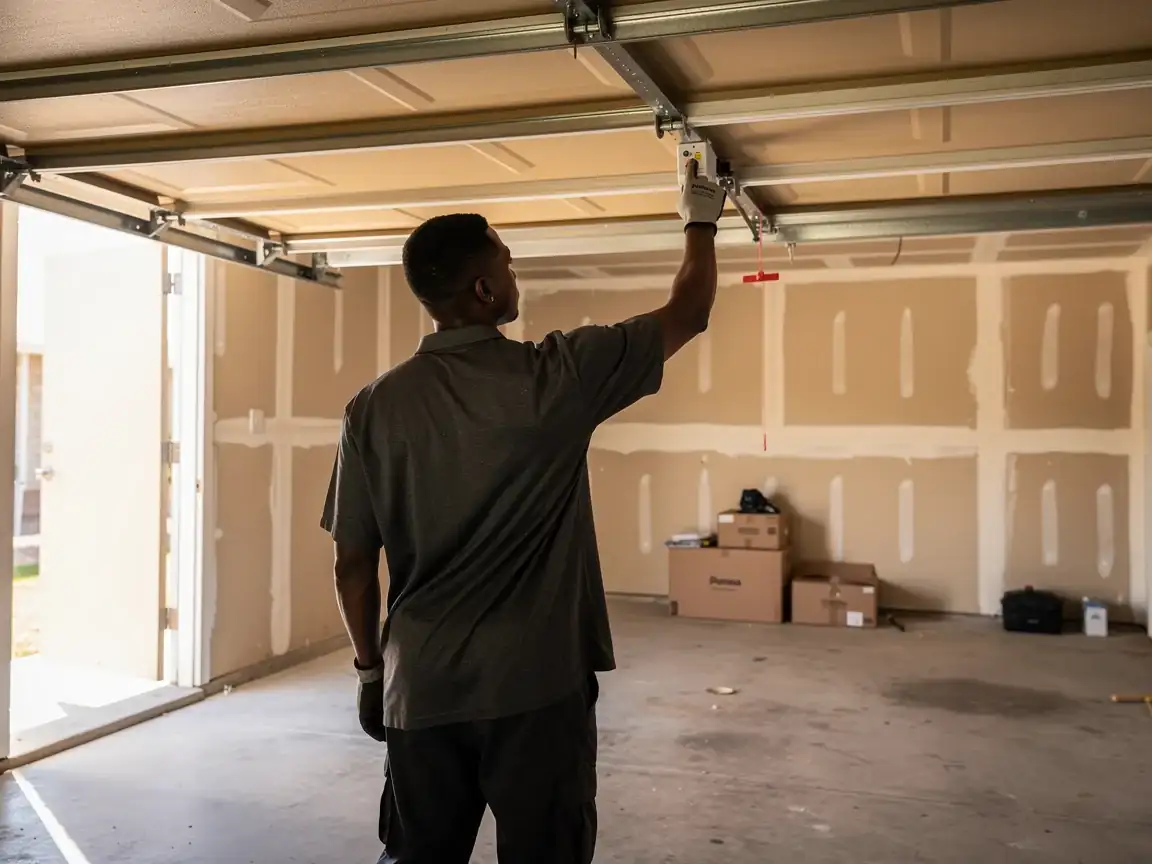
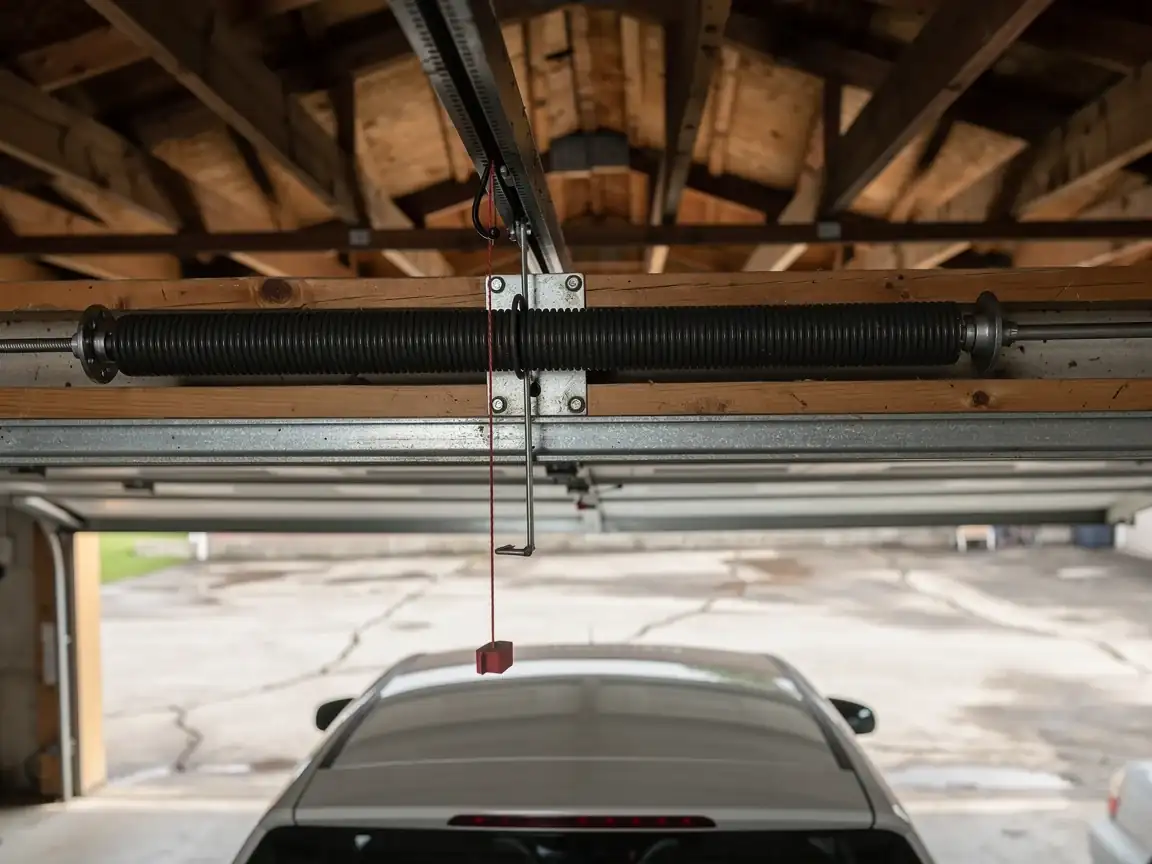
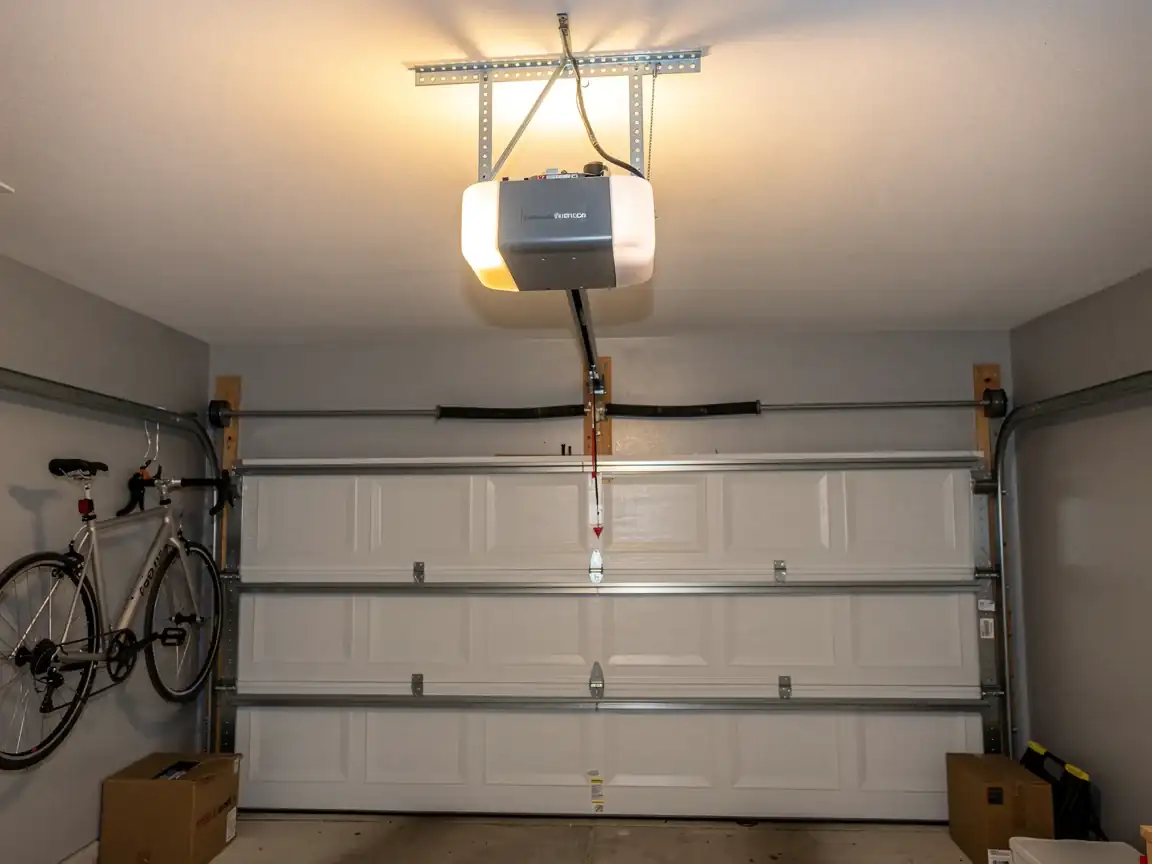
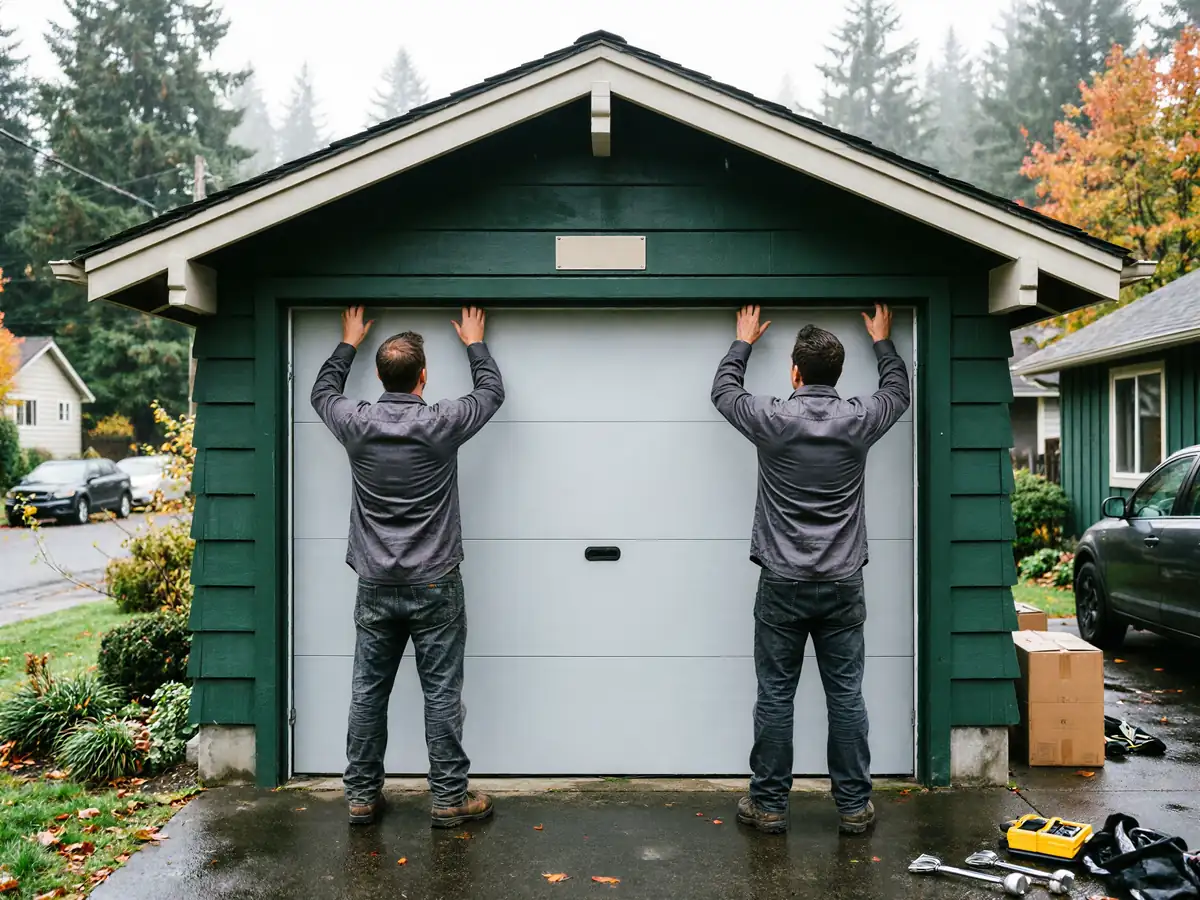
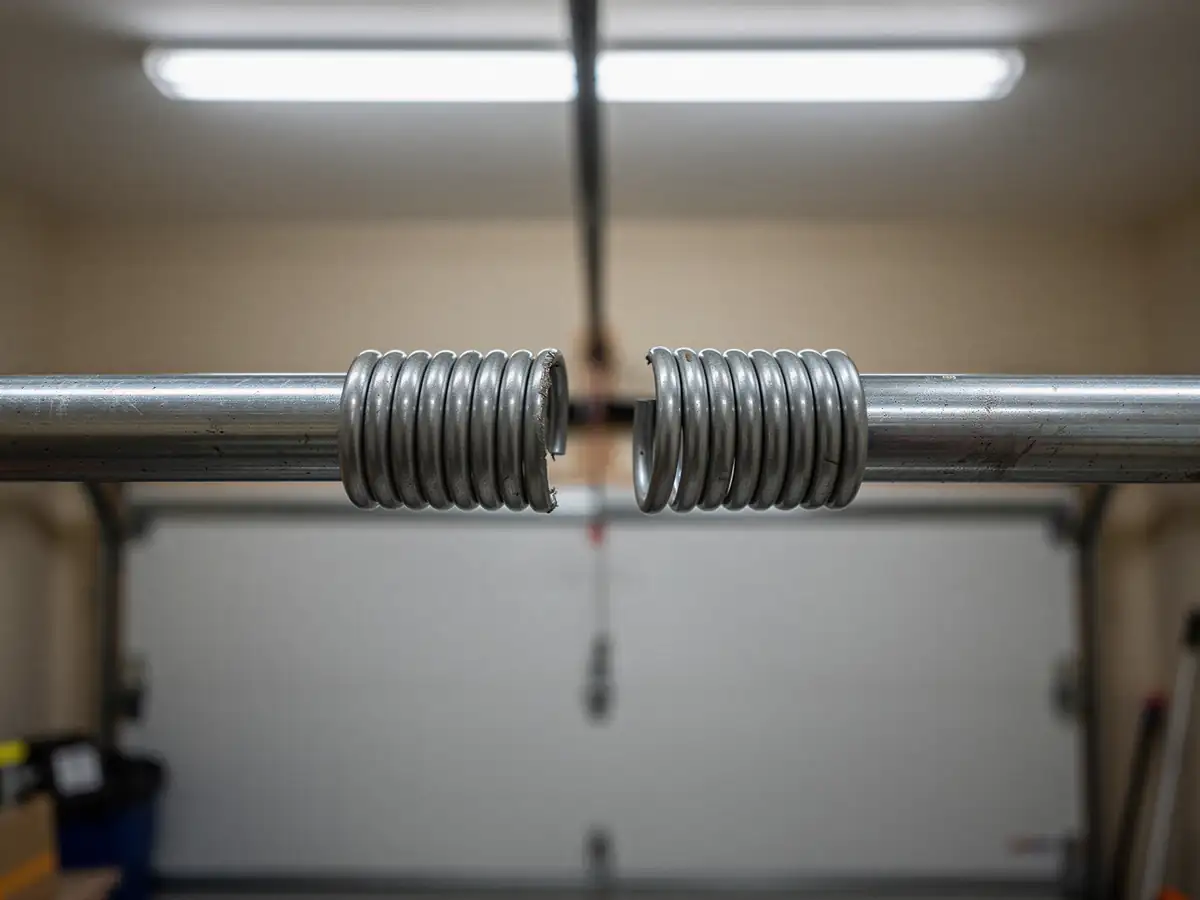
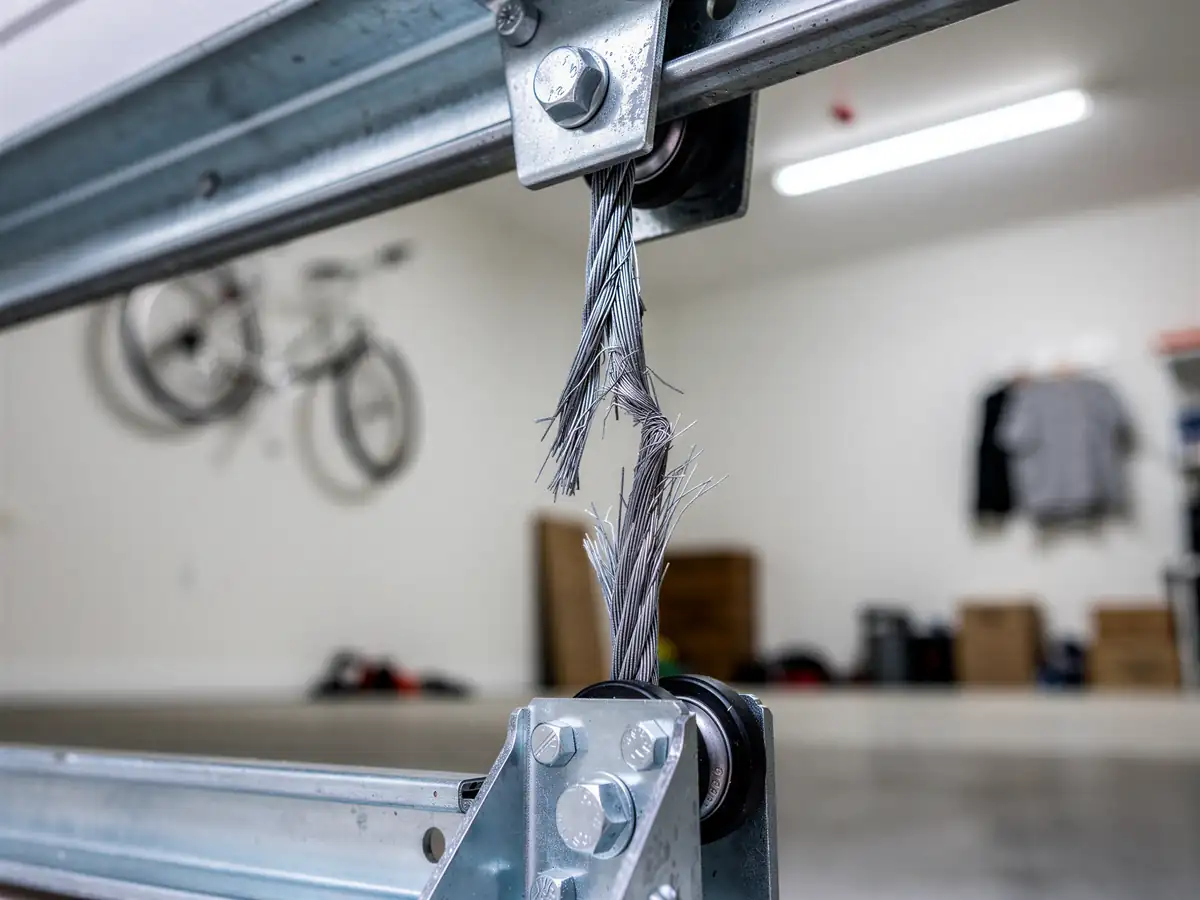
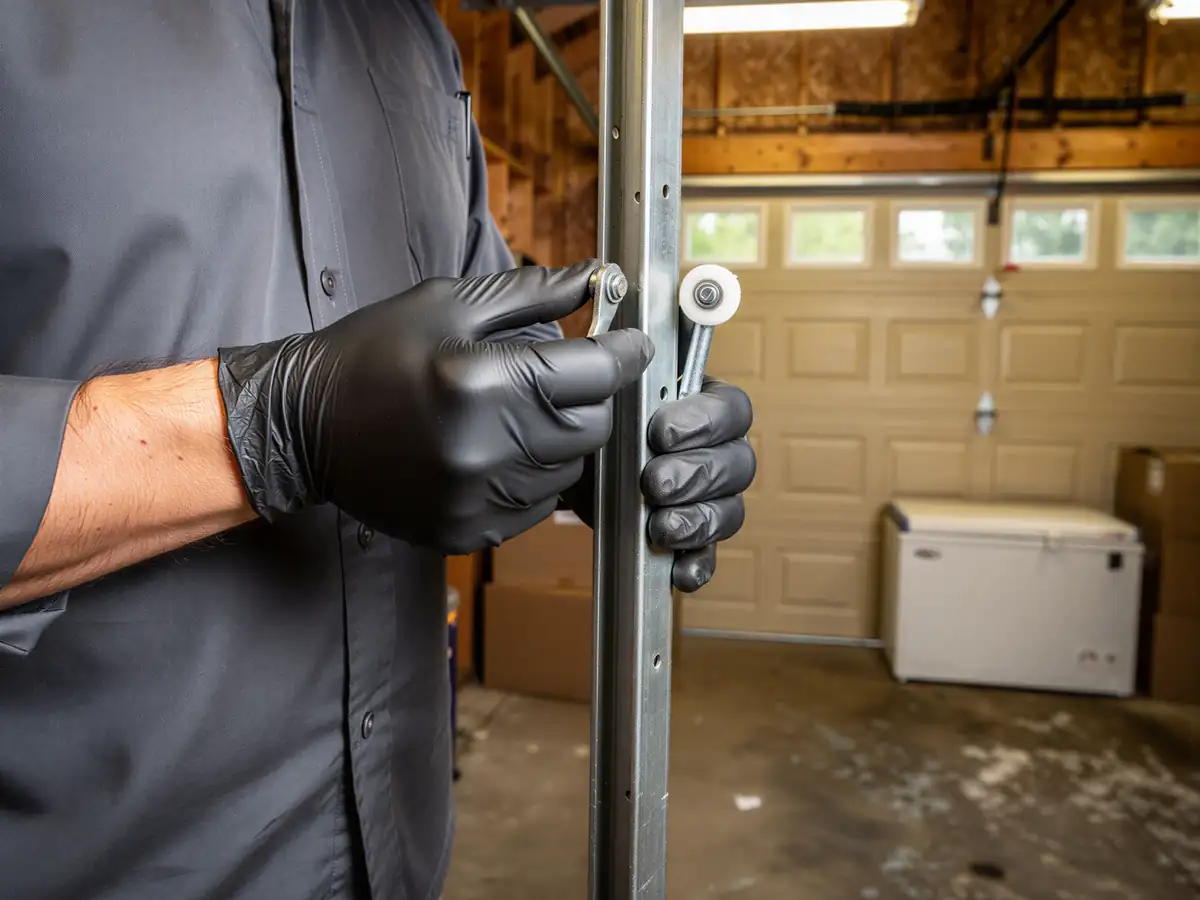
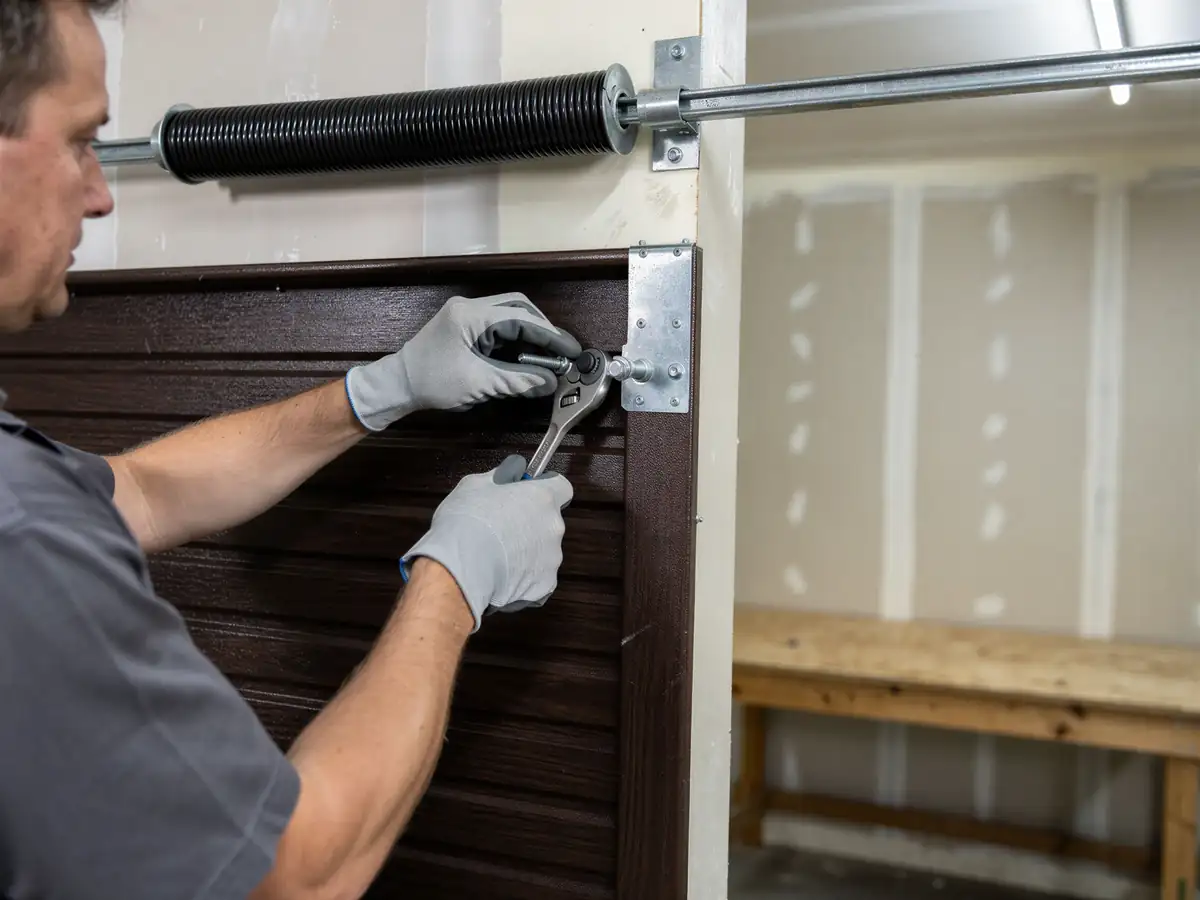
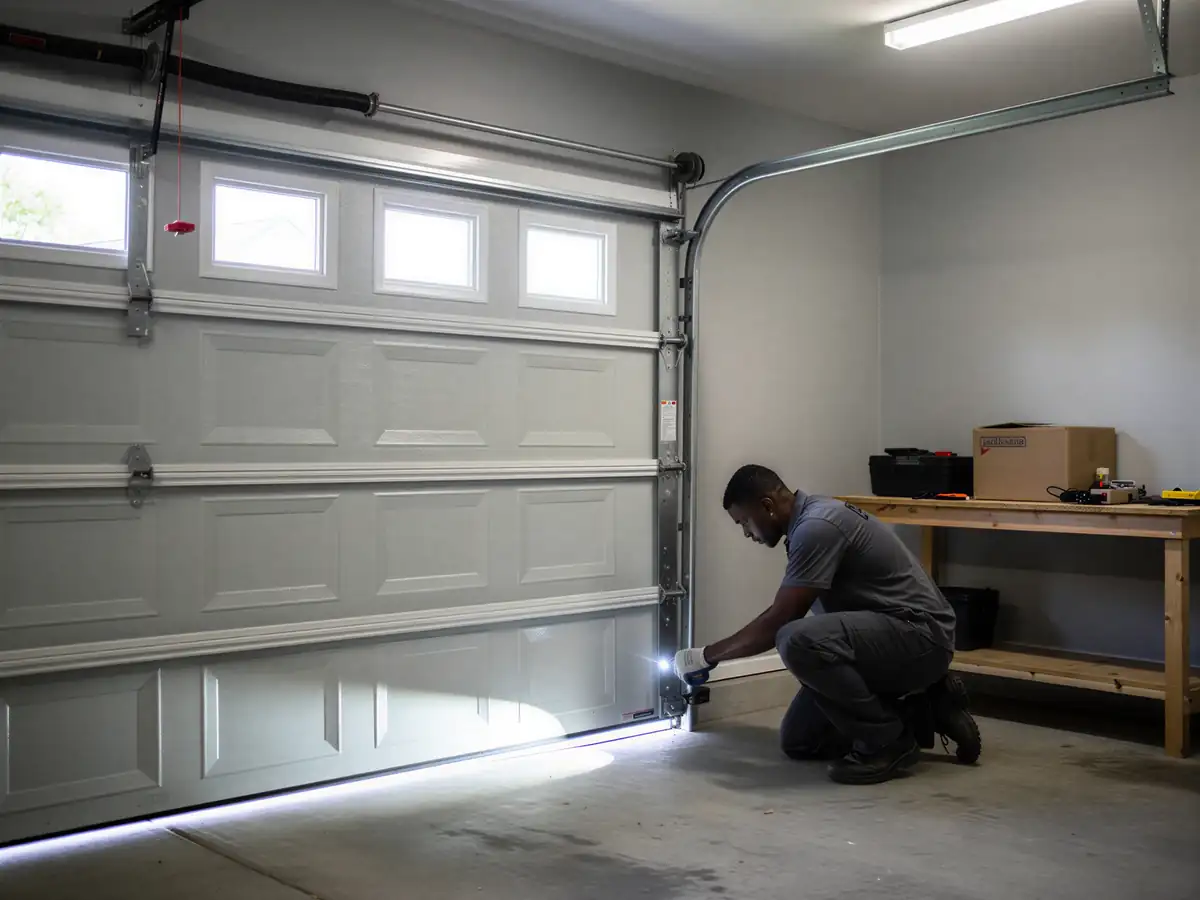
Most calls we get start the same way: the door worked fine last week, now it won't budge or it slams the last foot of travel. In a lot of Bothell neighborhoods that's a torsion spring that's been doing its job since the house was built sometime between 1966 and 2001 - the window that covers the bulk of this area's housing. A spring rated for a certain number of cycles doesn't care what year it is, it cares how many times the door has gone up and down, and a house built in 1985 has had three or four decades to burn through that count. The sideways part is when a homeowner tries to muscle a stuck door open by hand. With a broken spring, the opener and the rollers are carrying weight they were never built to carry alone, and that's how a cheap fix turns into a cracked panel or a bent track. The other place this goes wrong is when someone replaces the opener but not the spring underneath it, because the new motor is louder about its struggle than the old one was, so the real problem gets masked for another six months until the cable gives out too.
The Cost of This Job
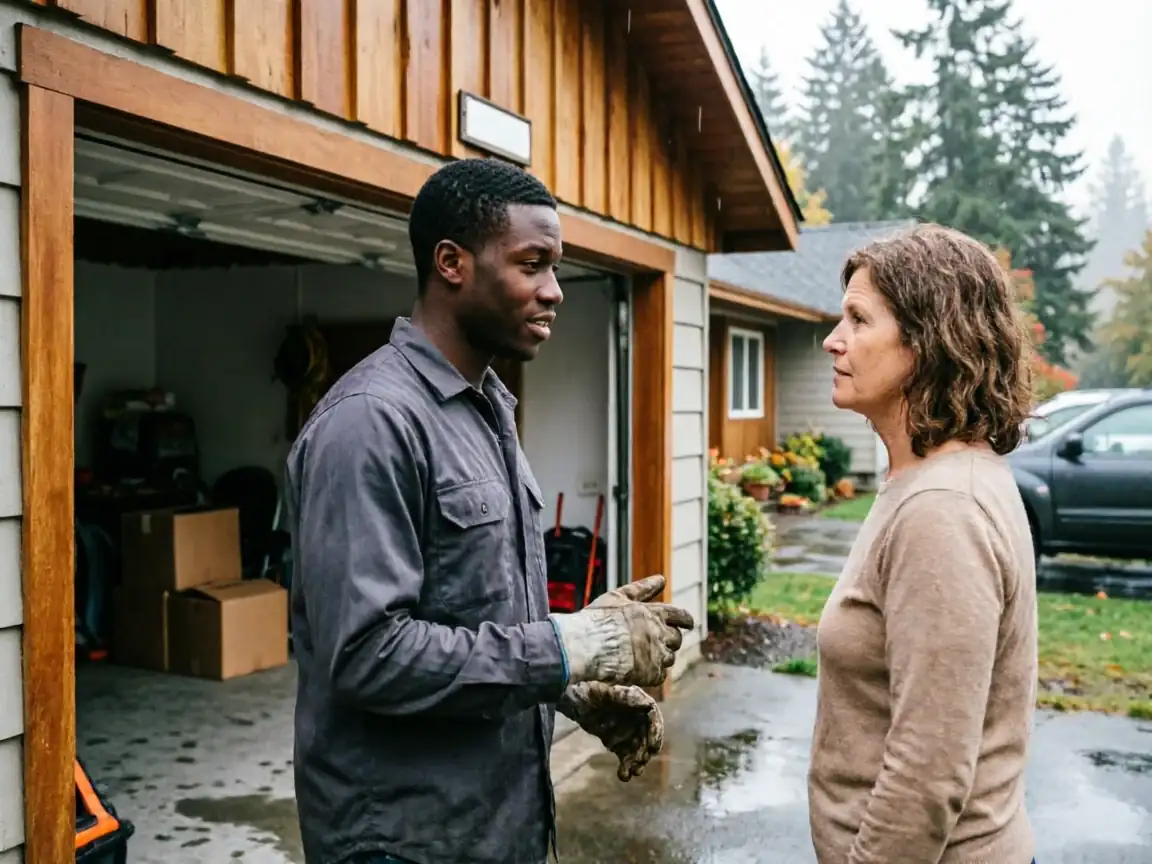
We don't post a flat number here because spring jobs and opener jobs aren't priced the same, and a double-wide door costs more in parts than a single. What we can tell you is what drives the number: whether it's one spring or a matched pair, whether the drums and cables need replacing alongside the spring (they usually do if the spring's original to a house from the 1980s or 90s), and whether the track has been knocked out of alignment by the failure. Across the households we see in this service area - median income around $138,000 and a housing market that's mostly owner-occupied - the honest advice is this: if your door is original to a house built before the mid-90s, replacing the spring alone without checking the cables and rollers is a short-term patch. We'll tell you straight if a repair isn't worth it compared to replacing the whole assembly, rather than stacking small fixes on hardware that's past its working life.
Why It Happens Here
Bothell sits in a cold-moderate climate band, which means damp winters and temperature swings that aren't extreme but are constant. That matters for garage door hardware because steel springs and tracks that sit in an unheated garage cycle through condensation daily for months at a stretch, and that's what eats a spring's coating faster than straight cold ever would. Combine that with a housing stock where the bulk of homes - across the 37 named areas that make up this market - were built between 1966 and 2001, and you've got tens of thousands of original torsion setups that are now thirty-plus years old and have never seen a coastal-grade spring. It's not that Bothell homeowners did anything wrong. It's that the hardware installed when these subdivisions went up wasn't built to last past the warranty window, and nobody replaces a spring on a schedule the way they'd replace a furnace filter.