Serving Bothell, WA & nearby
(425) 225-4294
Bothell, WA

Garage Door Maintenance in Bothell, WA

Bothell garage door maintenance for homes built 1966-2001: spring, roller, and opener tune-ups built for cold winter swings in the service area near Kenmore.

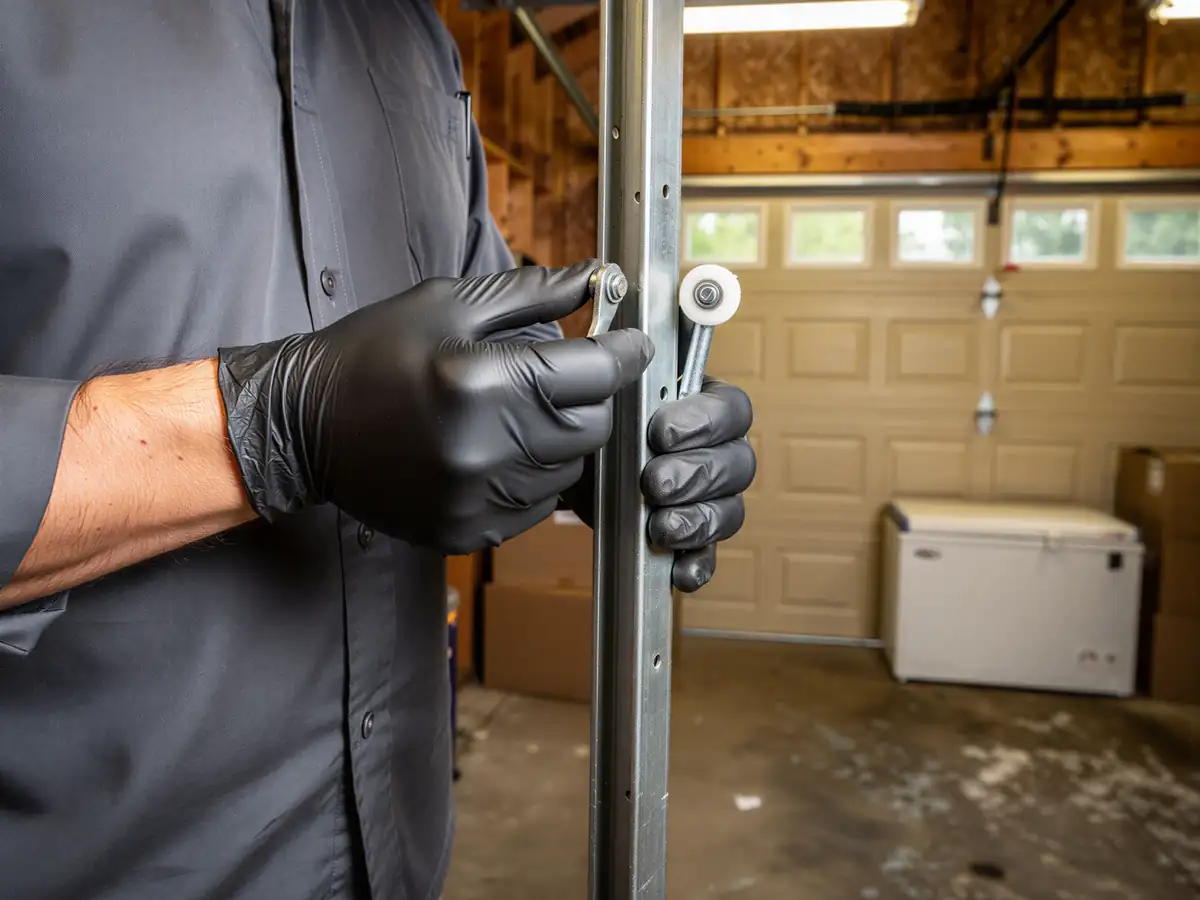
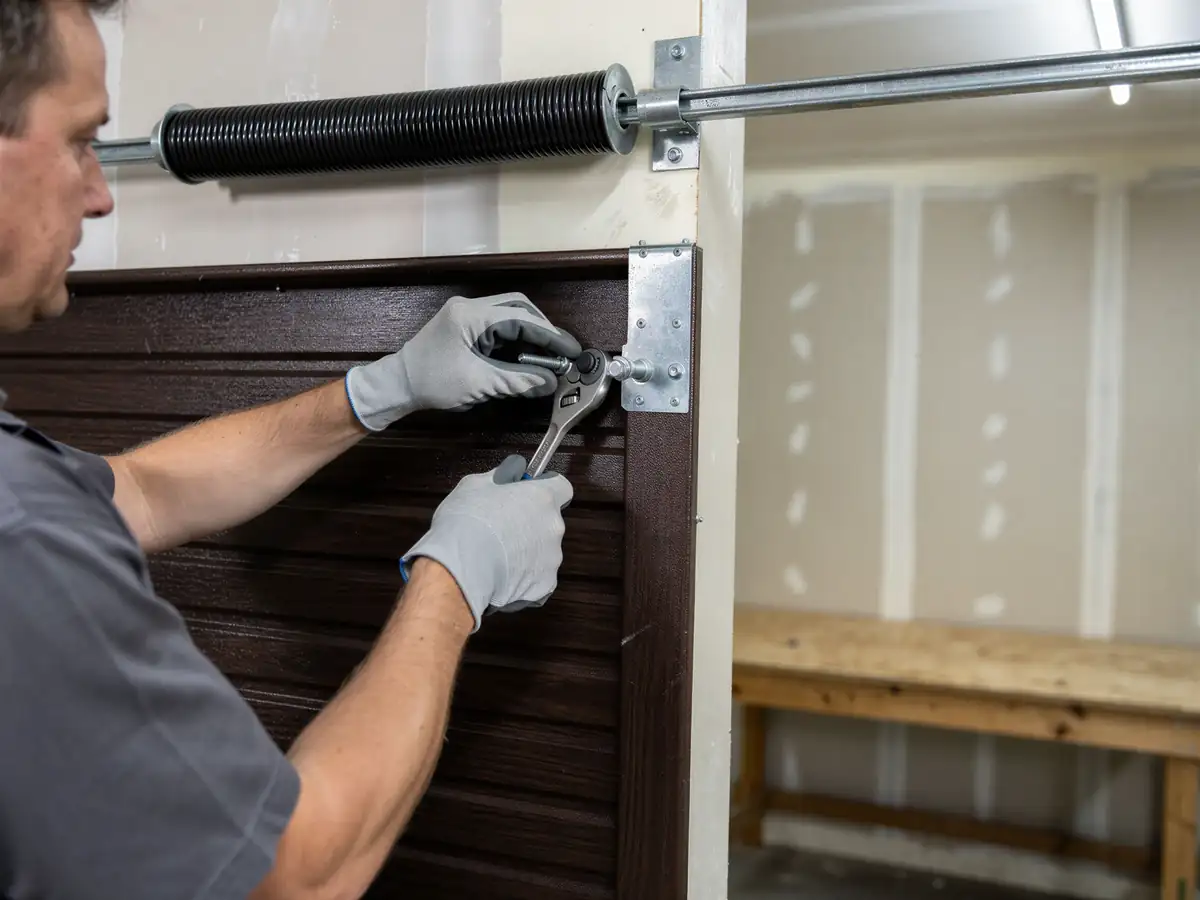
A technician in gloves adjusts a brown garage door with a wrench.
Bothell, WA
8 services
6 service areas
Diagnosis first, then the fix

Where This Job Goes Sideways

Most maintenance calls in this area don't start as emergencies. They start as a door that hesitates for a half-second before it rolls, or an opener that strains a little harder each month. By the time a homeowner calls, the torsion spring has lost enough tension that the opener is doing work it was never built to do, and that shortens the life of the drive gear too.

Where it goes sideways is when a tune-up gets treated as optional because the door still "works." A spring that's 70% through its cycle life doesn't announce itself - it just snaps, usually on a cold morning when the steel is tightest. We can catch that during a maintenance visit by checking spring wind and cable wear before failure, but we can't un-stretch a cable or re-temper a spring that's already fatigued. At that point it's a repair, not a tune-up, and we'll tell you that straight rather than charge for a service that won't hold.

The other sideways moment is track alignment. Houses in this service area built from the 1960s through the early 2000s often have tracks mounted on wood jambs that shift slightly over decades. A maintenance adjustment can true up minor drift. It can't fix a jamb that's actually out of square - that's carpentry, and we'll say so instead of forcing a door into hardware that doesn't want it.

The Cost of This Job

We don't post a flat price for maintenance here because what a door needs depends on what we find - a door that's been serviced regularly costs less to maintain than one that's gone ten years untouched. What drives the bill is the number of moving parts that need attention: rollers, hinges, cables, the spring system, the opener's gears and sensors, and the track itself.

Doors from the 1966-2001 building wave that makes up most of this area's housing stock tend to carry more wear per part than a newer door, simply because the hardware is older and has logged more open-close cycles. A house built in the 1980s has had roughly four decades of temperature swings working on its steel components, and that shows up as drier bearings and slacker cable tension compared to a door installed in the last ten years.

The honest limitation: if a door needs more than adjustment and lubrication - if a roller is cracked, a cable is fraying, or a spring is visibly stretched unevenly - that's no longer a maintenance-scope job, and we'll quote the repair separately rather than fold it into a tune-up price that wouldn't reflect the real work.

How It Shows Up

  1. The most common thing we hear on the phone is that the door "sounds different"

    A grind on the way up, a shudder partway through the cycle, or a pause before the opener catches. That's usually dry rollers or a spring that's lost even tension, both common in doors that have been through many cold-to-warm swings without lubrication service.

  2. Uneven closing is another one

    The door looks level going down but one side touches the floor a beat before the other. That's often a cable that's stretched slightly more than its twin, which happens gradually and is easy to miss until it's pronounced.

  3. A third pattern is the opener running longer or louder than it used to

    Straining to lift a door whose spring assist has weakened. Owners sometimes blame the opener motor when the real cause is upstream - the spring isn't doing its share of the lifting anymore, so the motor compensates every single cycle. None of these are emergencies on day one. Left alone through another cold season, any of them can turn into a stuck door or a snapped cable, which is why a maintenance check before winter catches problems while they're still adjustments instead of replacements.

Why It Happens Here

This service area's housing stock was mostly built between 1966 and 2001, with the heaviest concentration going up in the 1980s and 90s across the 37 named areas we work in. That means a large share of the garage doors in daily use are running on hardware that's 25 to 55 years old, even if the door panel itself has been swapped at some point. Original torsion hardware, rollers, and cable drums from that era weren't built with today's sealed bearings, so they need more frequent attention to stay smooth.

The climate band here is cold and moderate, which means steel cables and springs go through real seasonal tightening and loosening rather than staying in one steady state. That cycle stresses lubrication and metal fatigue points harder than a mild, stable climate would.

Across the roughly 84,943 owner-occupied houses in this service area, that combination of an older housing stock and a cold-moderate climate is the main reason maintenance calls cluster around the same handful of failures - dry rollers, uneven cables, and opener strain - rather than being random. It's a pattern tied to the buildings and the weather, not to any one house doing something unusual.
How it works

From “it’s stuck” to “it’s fixed”

A quick, honest process - no guesswork and no surprises.

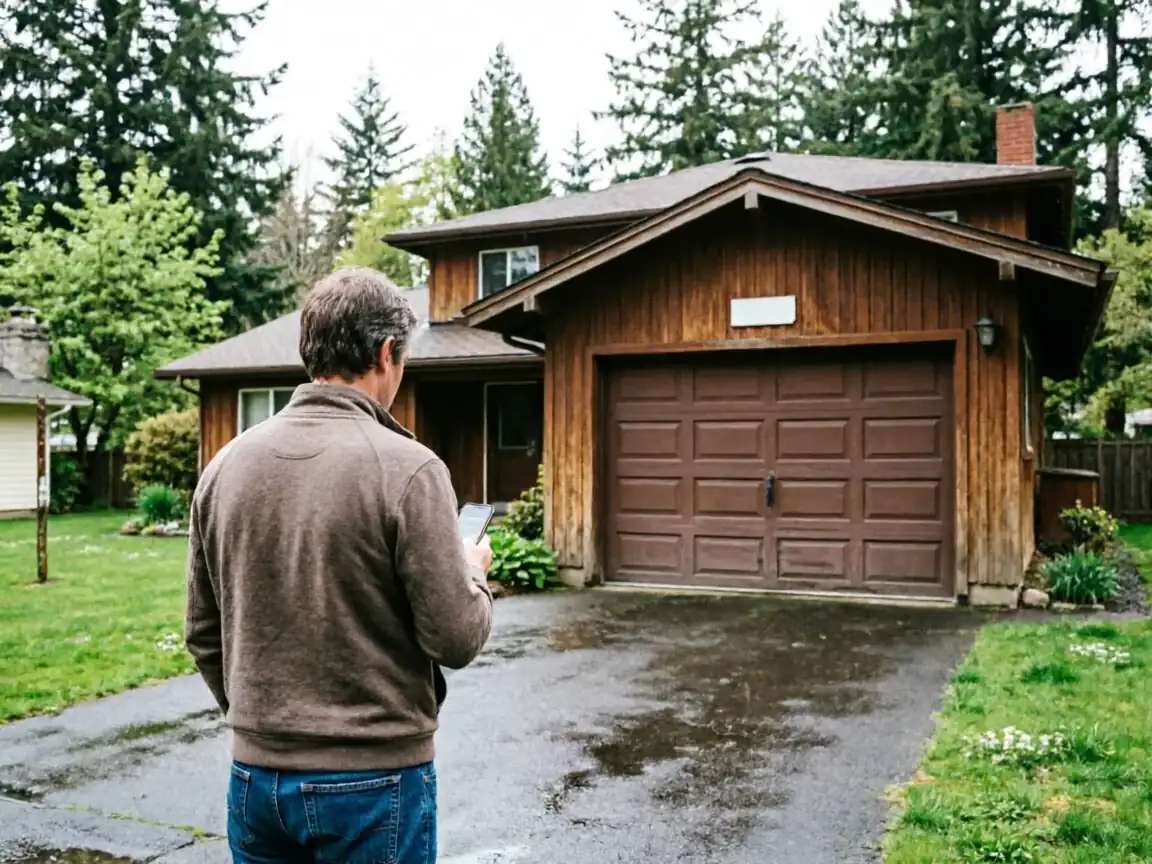
  1. A man stands in a driveway looking at his phone in front of a house with a brown garage door.
    1

    Tell us what’s wrong

    Describe the symptom - won’t open, loud bang, opener runs but the door won’t move.

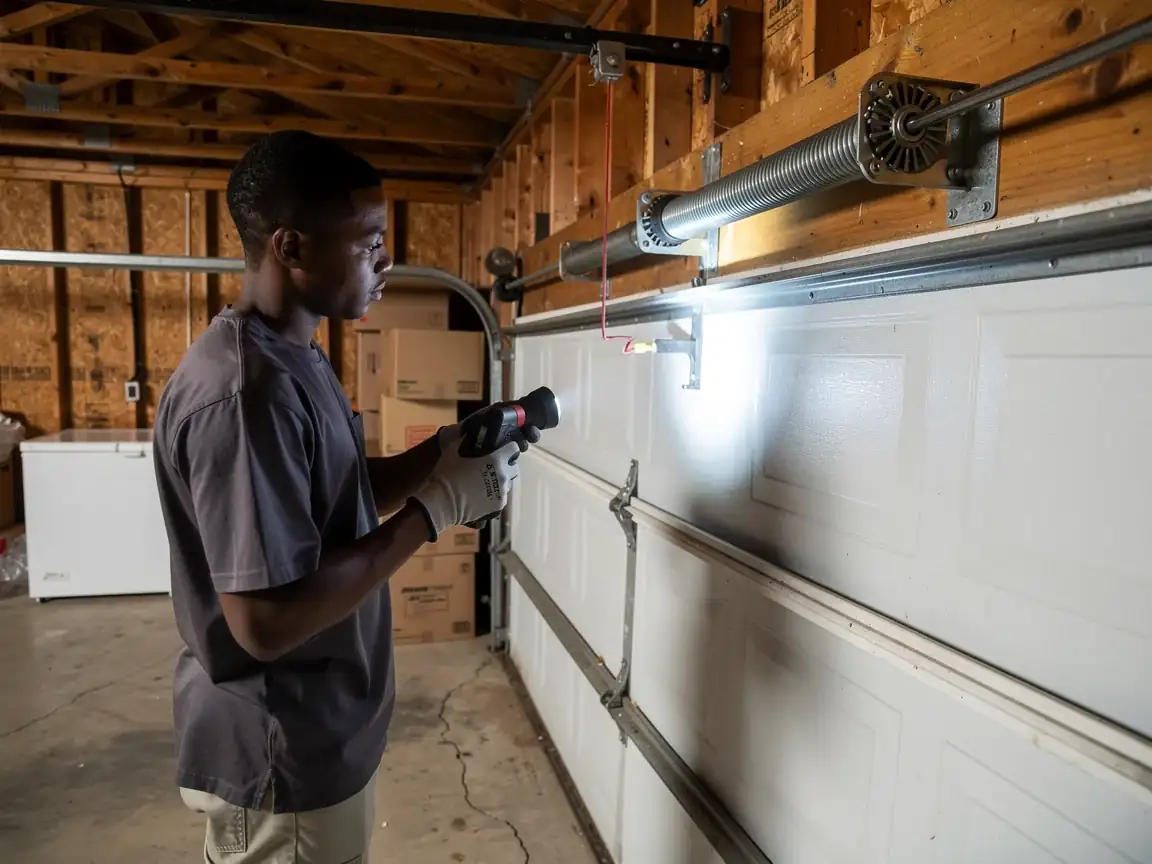
  2. A technician shines a flashlight on a white garage door and torsion spring.
    2

    On-site diagnosis

    A technician tests the door under power and by hand and finds what actually failed.

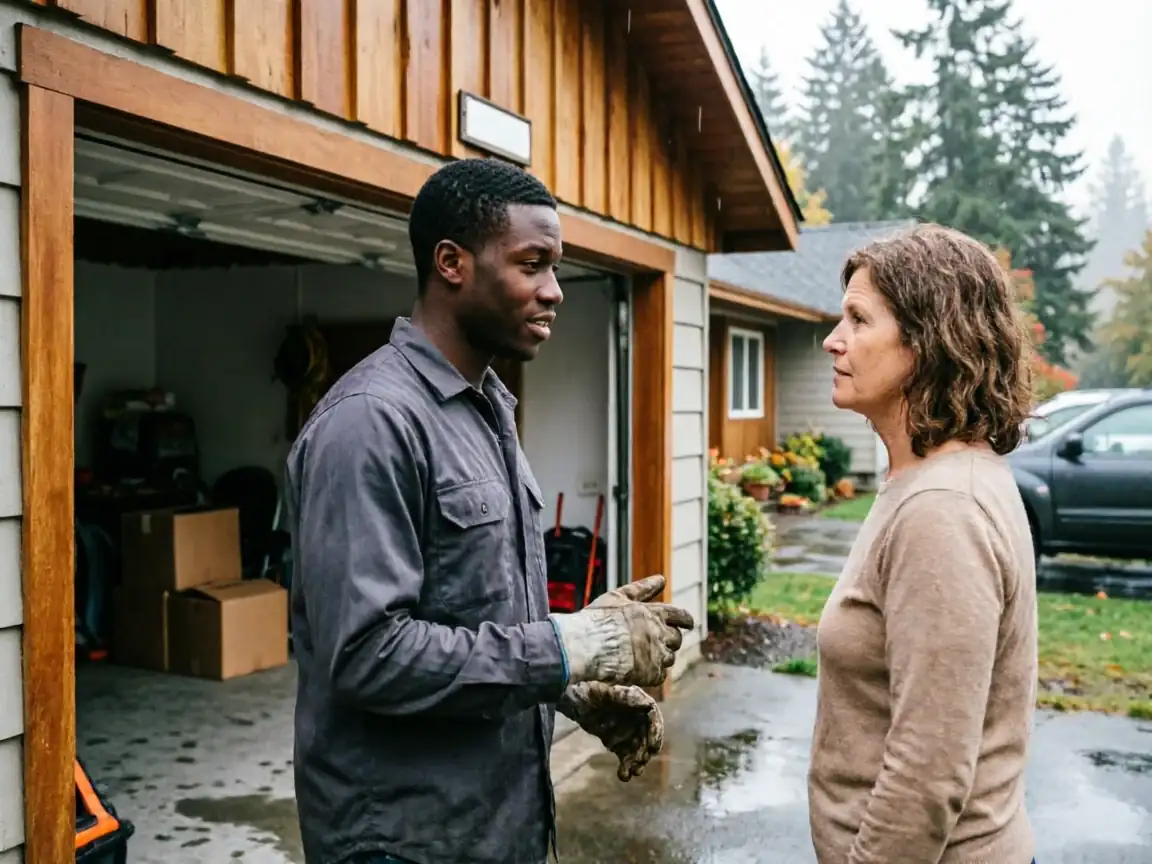
  3. A technician in work gloves talks to a woman in front of a garage.
    3

    Clear, up-front plan

    You get the fix that’s needed and what drives the cost - before any work starts.

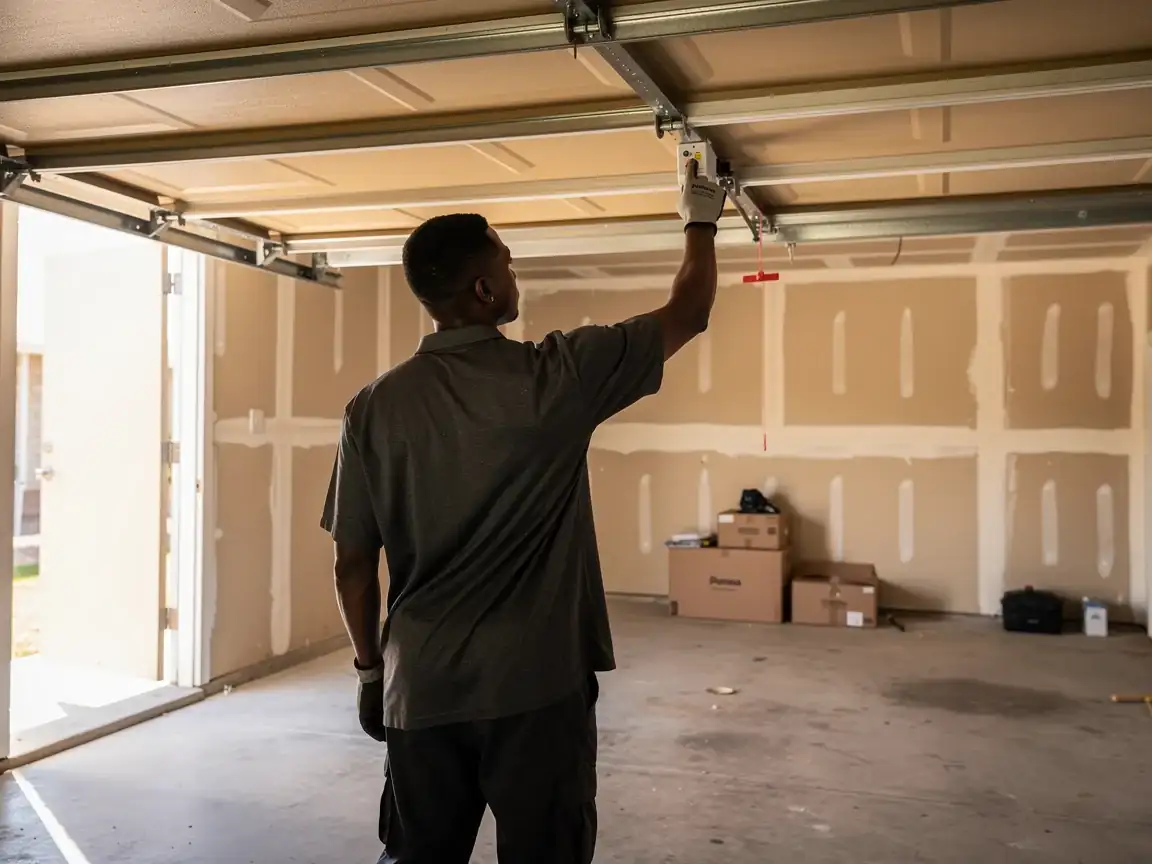
  4. A technician in a gray shirt adjusts a garage door opener in a garage.
    4

    Repaired & tested

    The repair is done, the door is set true and tested, and the work area left clean.

Next step

Not sure which repair your door needs in Bothell, WA? Describe what it’s doing - every job starts with a diagnosis.

How we work

What to expect

A straight, honest approach on every Bothell job - diagnosis first, the right parts, and clean work.

01

Diagnosis first

Every visit starts by finding what actually failed - not a pre-written parts list.

02

The right part for the door

Springs and openers matched to the door’s weight and age, so the fix holds up.

03

Straight answers

When a repair makes more sense than a replacement - or the reverse - you hear it plainly.

04

Clean, careful work

Tension released safely, hardware set true, the door tested under power before we leave.

42,939Residents in Bothell
8Garage door services
6Neighborhoods & suburbs
WAServing Bothell, WA
What we do

Garage Door Services

Repair and installation work for Bothell homes and businesses.

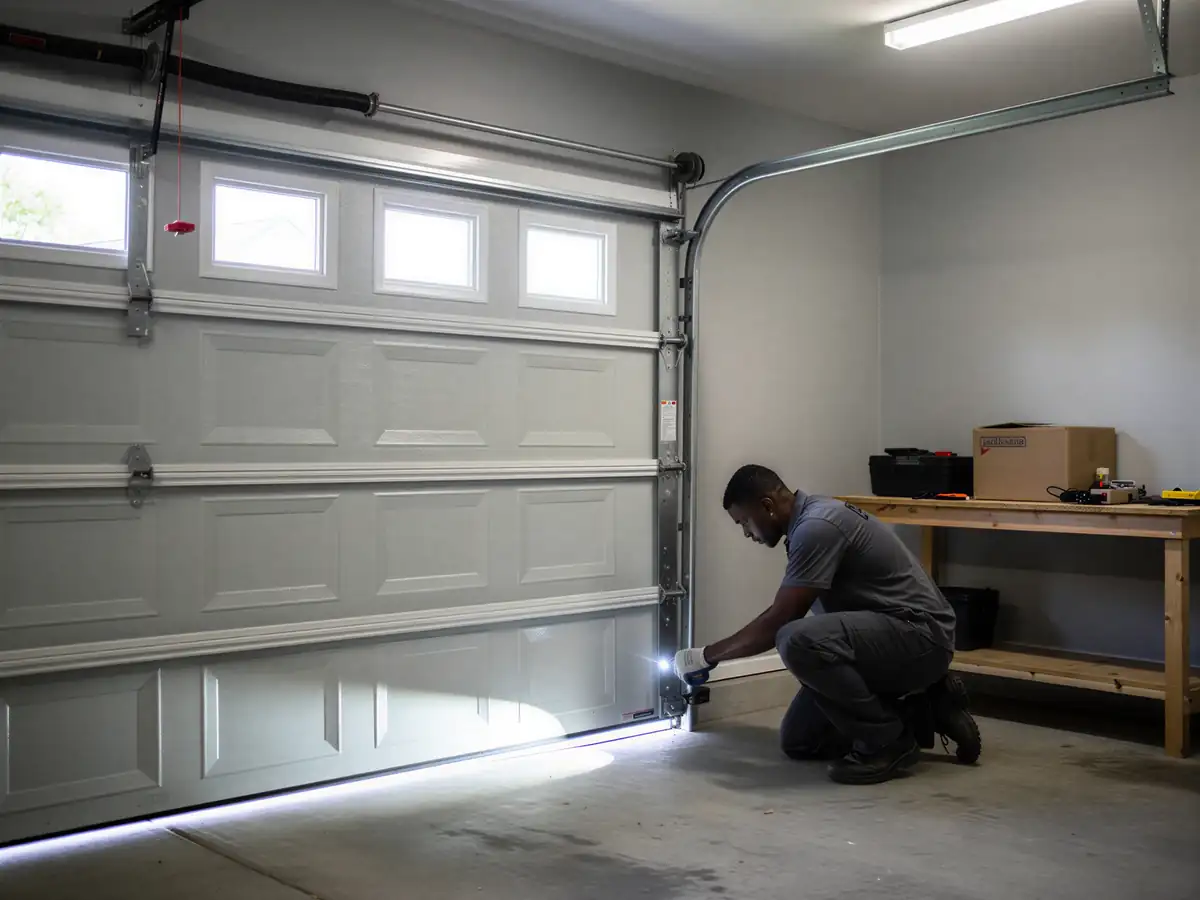
A technician kneels, shining a flashlight on the bottom of a gray garage door.

Garage Door Repair

Bothell homes built mostly between 1966 and 2001 carry original torsion hardware that wasn't made for Pacific Northwest damp winters. Here's where it fails and why.

Learn more
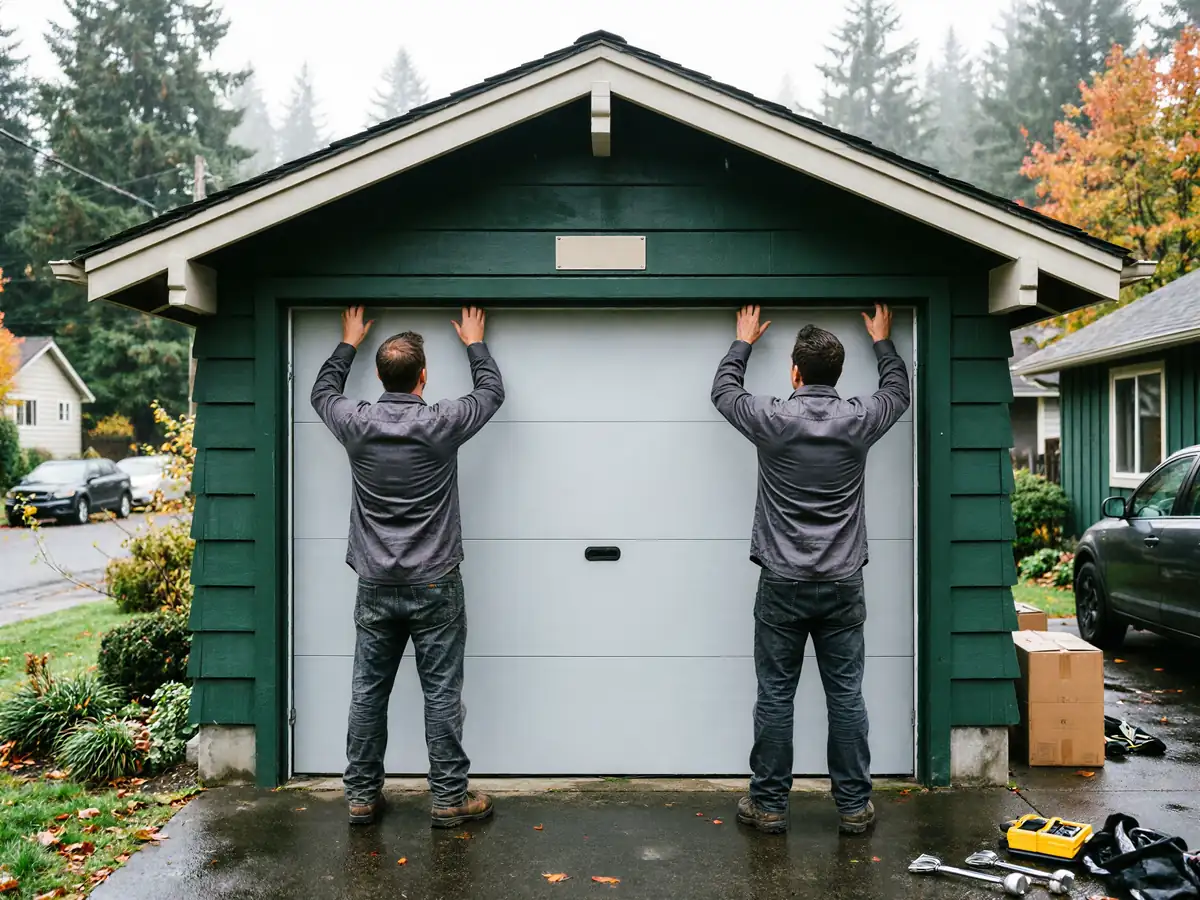
Two technicians install a new white garage door on a green garage.

Garage Door Installation

Garage door installation for Bothell homes built mostly between 1966 and 2001, where original hardware and single-layer steel doors are reaching the end of their run.

Learn more
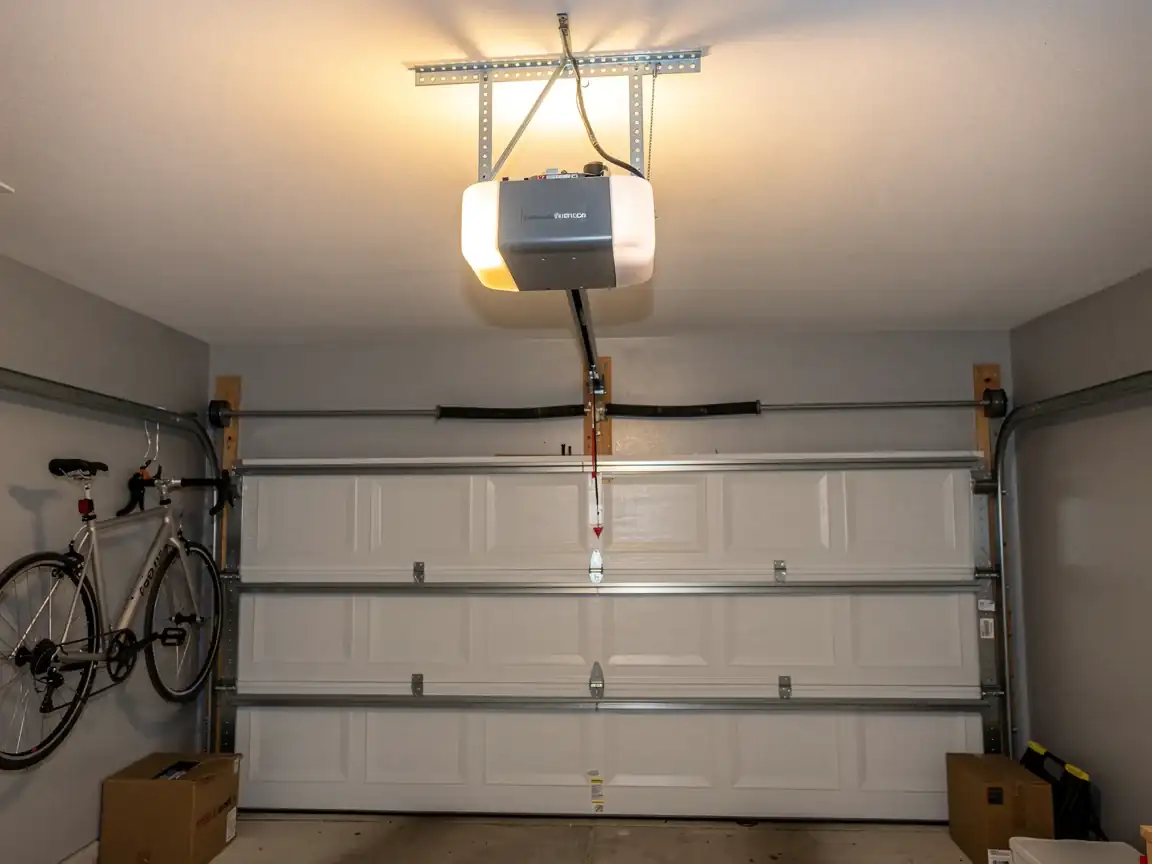
A garage door opener is mounted above a white garage door.

Garage Door Service

Bothell homes built between 1966 and 2001 carry original garage door hardware that struggles in our cold, wet winters. Here's where that hardware fails first.

Learn more
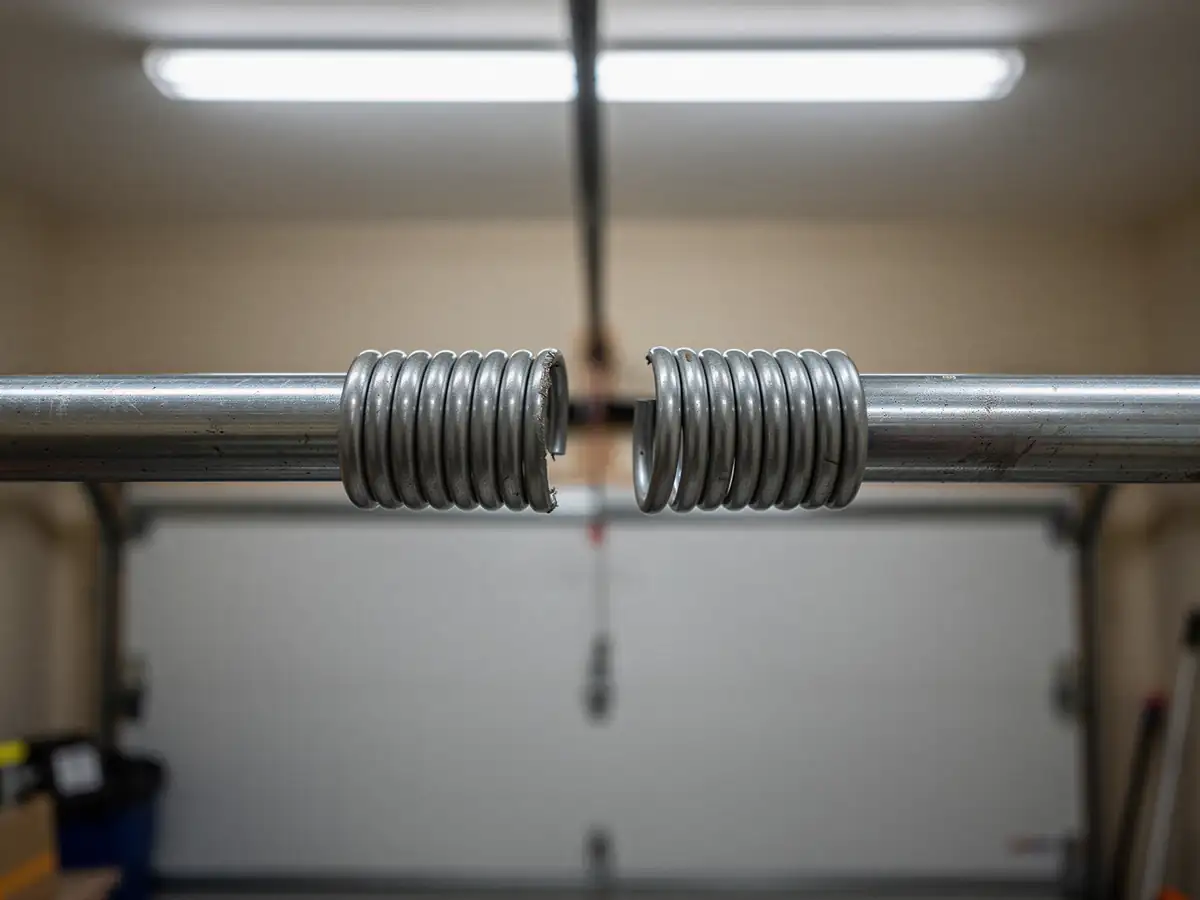
A broken torsion spring is on a metal rod in front of a white garage door.

Spring Repair

Torsion and extension spring repair for Bothell-area homes built mostly between 1966 and 2001, where cold damp winters put extra load on aging spring hardware.

Learn more
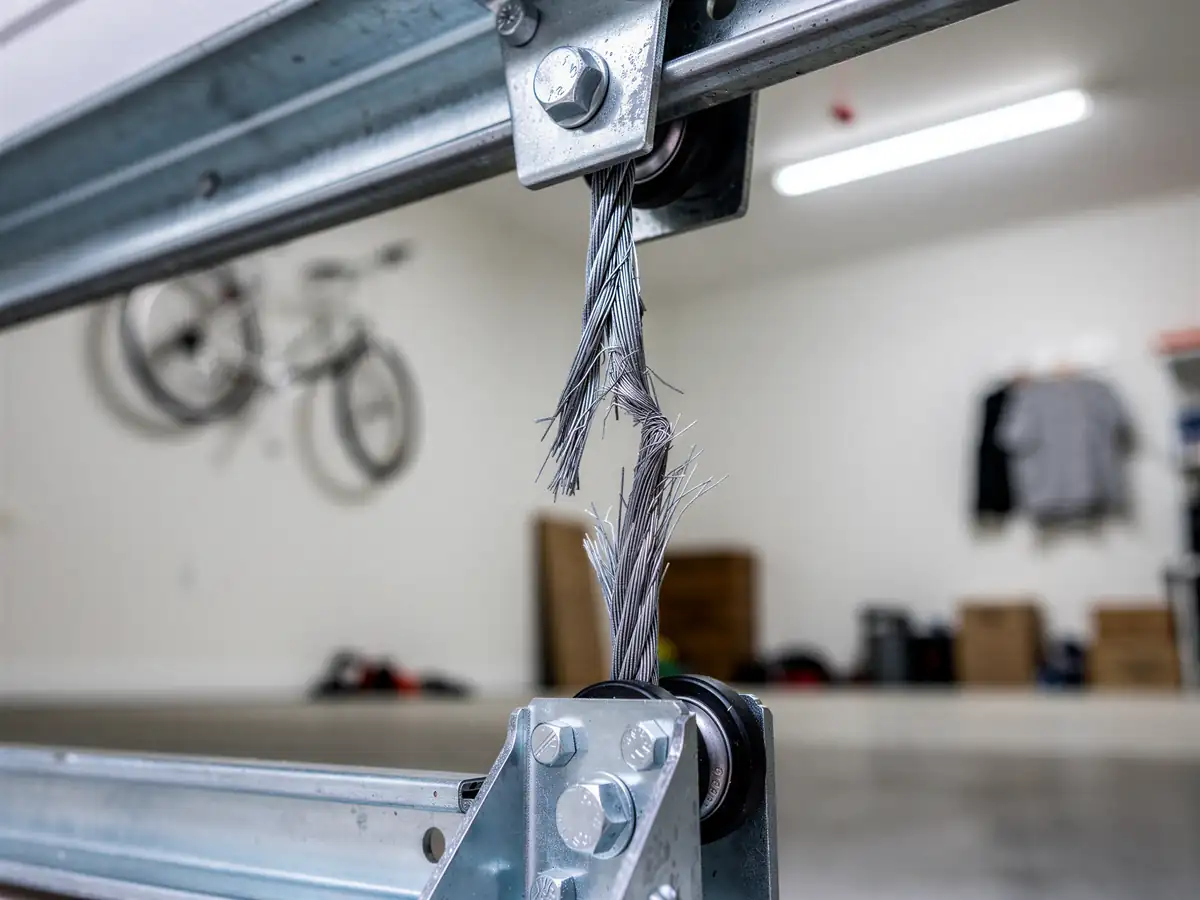
A frayed garage door cable is attached to a metal bracket.

Cable Repair

Frayed or snapped garage door cables are common in Bothell's 1980s-90s housing stock. Same-area cable repair from Bothell Garage Door Pros, serving homes built 1966-2001.

Learn more
A technician in a gray shirt and gloves works on a white garage door.

Panel Replacement

Panel replacement for Bothell homes built 1966-2001, where cold winters and original steel sections crack, dent, and warp. Call for a straight look at the job.

Learn more
A technician in black gloves installs a garage door roller into a metal track.

Roller Replacement

Worn rollers on Bothell's 1970s-90s steel doors bind and jump track in cold, wet weather. Bothell Garage Door Pros replaces them with nylon rollers built for this climate.

Learn more
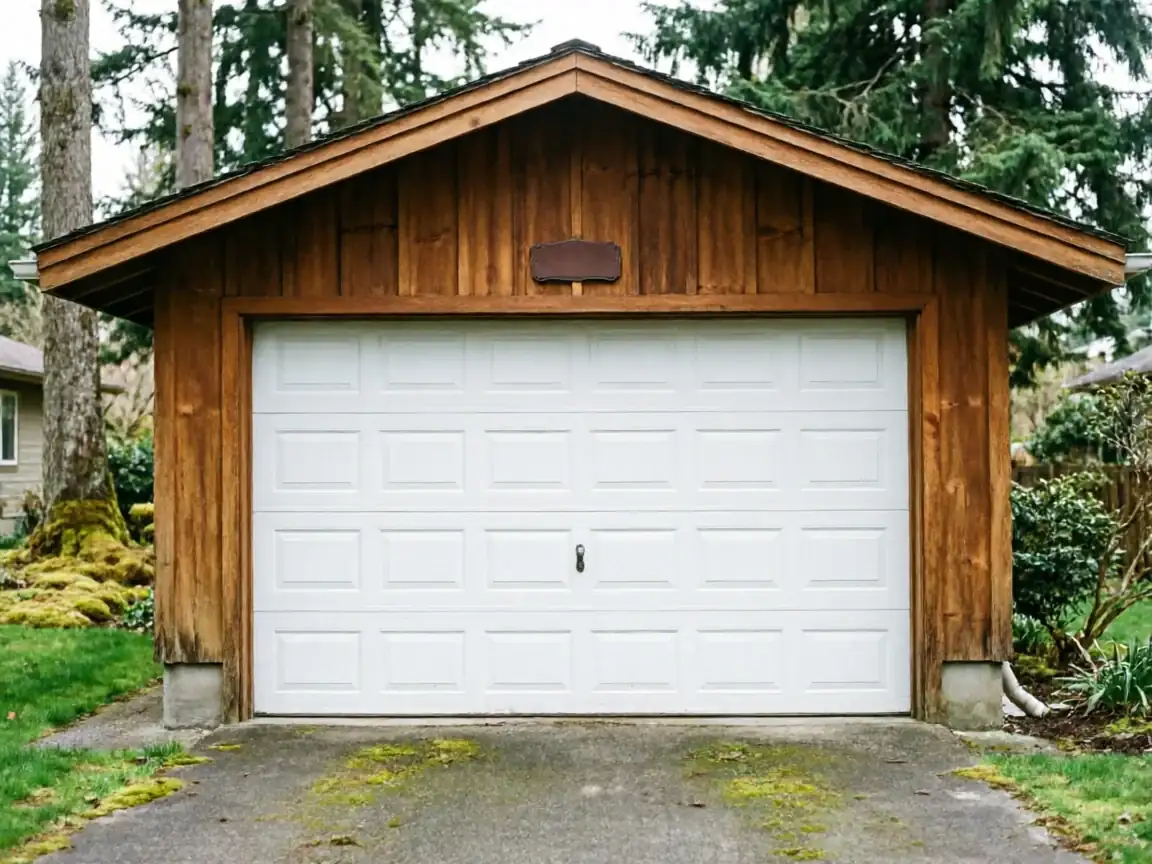
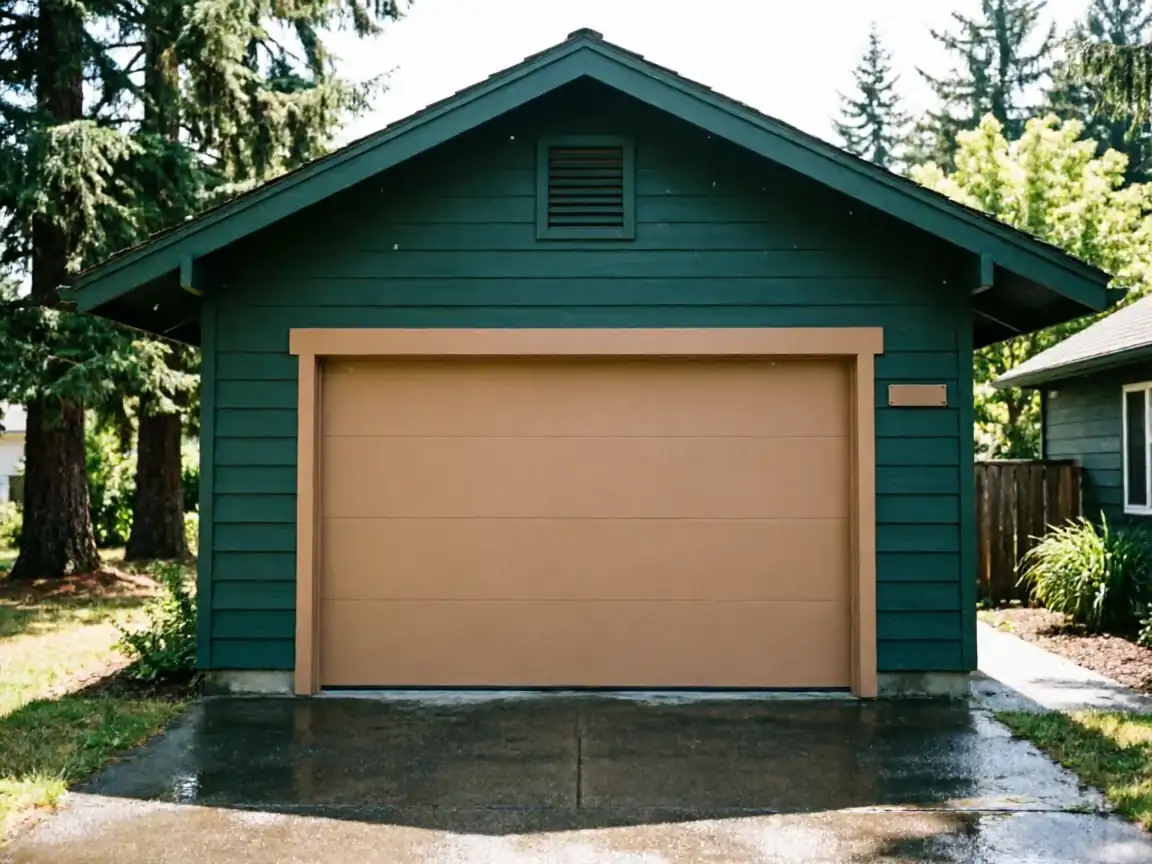
A green garage has a brown garage door and a wet driveway.

Maintenance

Bothell garage door maintenance for homes built 1966-2001: spring, roller, and opener tune-ups built for cold winter swings in the service area near Kenmore.

Learn more
Where we work

Serving Bothell & nearby

Local garage door service across 6 Bothell-area neighborhoods and communities - is your street on the list?

6

Bothell-area neighborhoods & nearby communities we cover

Questions

Frequently asked

Straight answers about garage door repair in Bothell. Still unsure? Ask us directly.

How often should I get my garage door serviced in Bothell?

It depends on the door's age and how much it's used, but doors from the common 1966-2001 building wave in this area benefit from a check before winter, since cold swings are when dry rollers and tight springs cause the most trouble. If your door hasn't been serviced in a few years, that's a reasonable time to have it looked at.

Can maintenance fix a door that's already making noise?

Often yes, if the noise is from dry rollers, loose hardware, or a hinge that needs lubrication. If the noise is from a stretched cable, a damaged roller, or a spring that's visibly uneven, that's past maintenance scope and we'll quote it as a repair instead of trying to service it away.

Why does my opener seem to work harder in winter?

In a cold climate band like this one, steel springs and cables contract slightly, and lubricant inside the opener gearbox stiffens. If the spring is also past its service life, the opener ends up doing more of the lifting than it should, which is a sign the spring system needs attention, not just the opener.

Ready to get your garage door sorted?

Tell us what it’s doing and where you are in Bothell - we’ll take it from there.

Request a QuoteCall