This Area's Housing
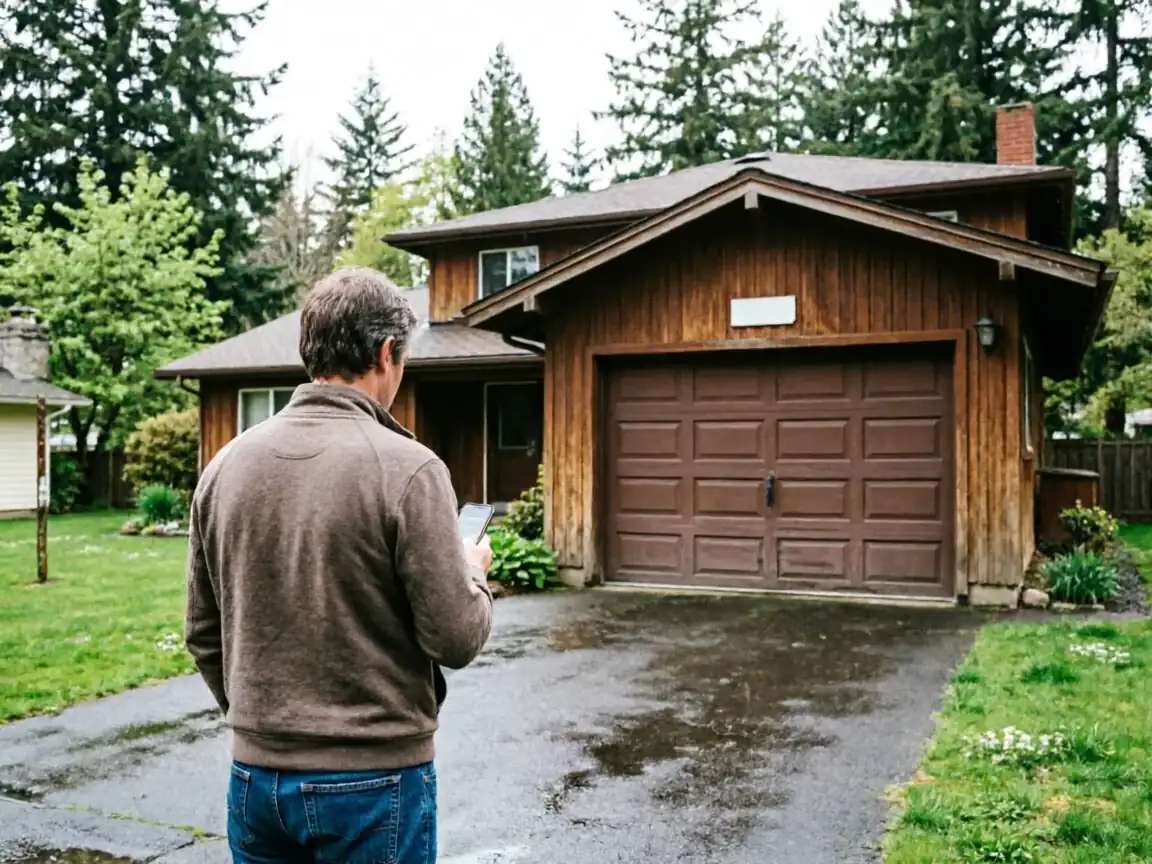
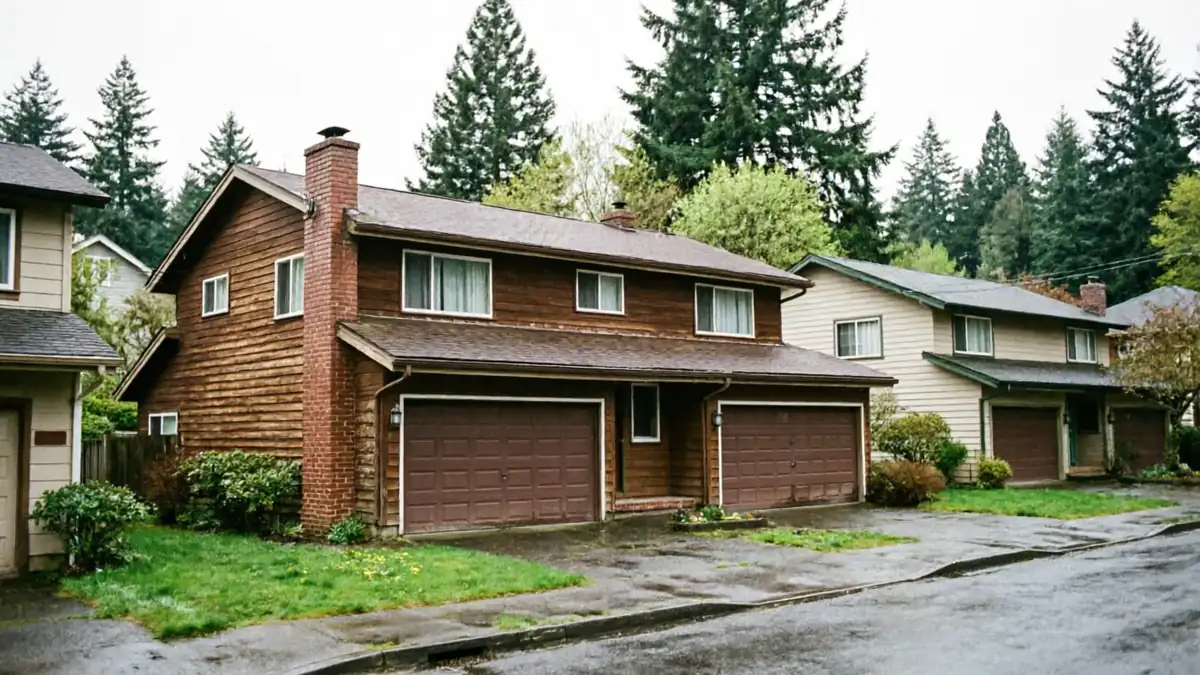
Kenmore sits about 3 miles from our Bothell shop, and the houses here cluster tighter around one era than the service area as a whole does. Across our whole coverage area homes went up anywhere from 1966 to 2001, but Kenmore's median build year lands right at 1984 - squarely in the middle of that run, not spread across it. That matters for garage doors because 1984 was deep in the sectional steel door era, after the old single-panel doors fell out of use but before lighter-gauge insulated doors and modern safety sensors became standard.
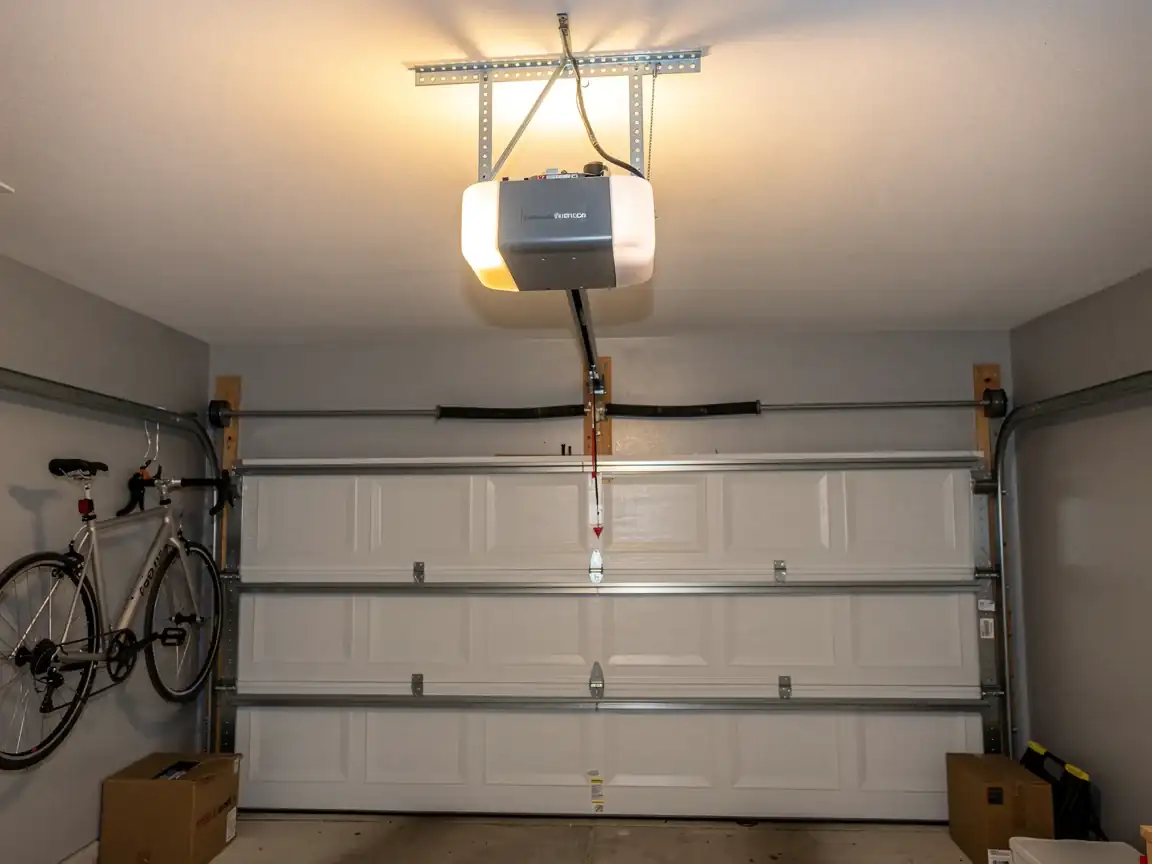
Roughly 9,004 households call this part of the service area home, and a large share of those garages still carry the opener and spring setup that came with a mid-80s build: torsion springs sized for heavier steel panels, chain-drive openers from before photo-eye sensors were required, and tracks that have never been swapped. We see this pattern across the broader 37-area service region too, where 80s and 90s stock dominates, but Kenmore's number sits almost exactly on that median, which is why the same handful of failures show up here more than most other things we get called for.
How Soon We Can Come Out
We run out of Bothell, not a depot in Kenmore, so every job here starts with a 3-mile drive. We don't advertise a guaranteed arrival window because traffic on a Tuesday morning and traffic on a Friday afternoon are not the same trip, and we'd rather tell you that straight than promise a number we can't back up.
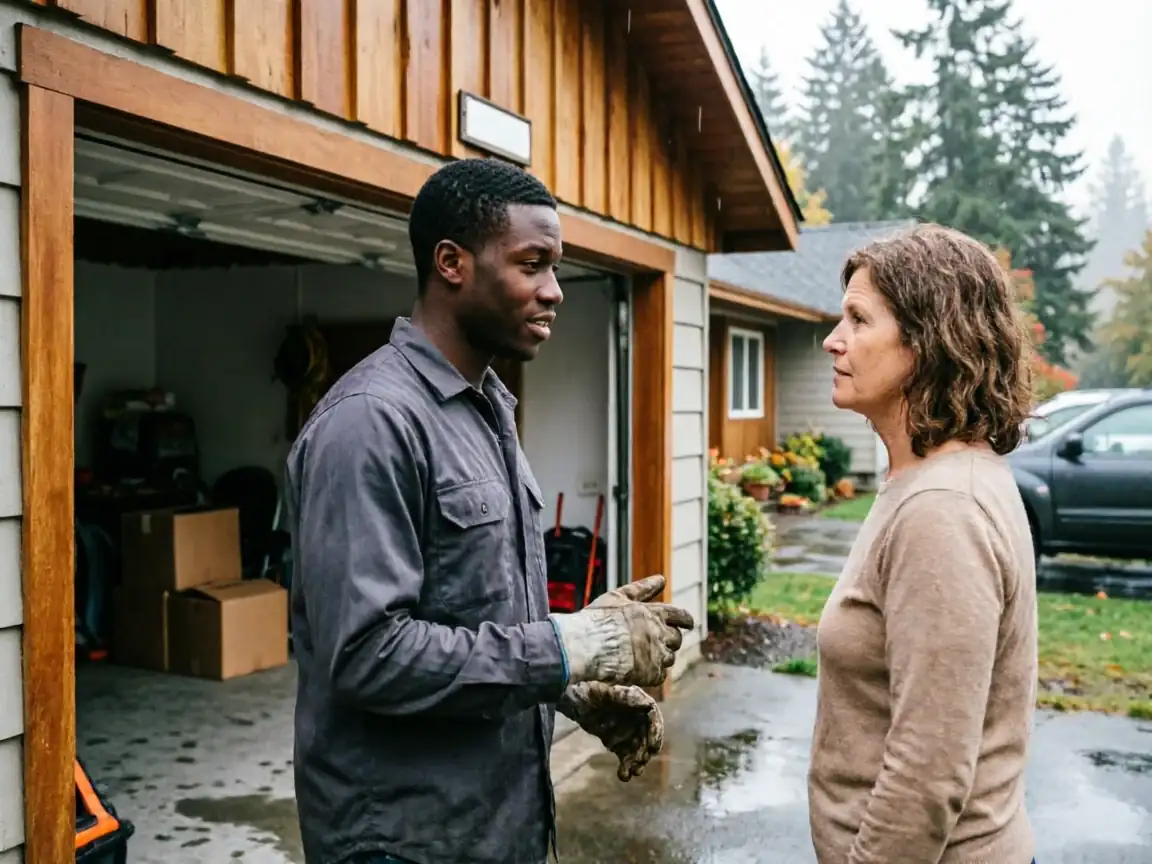
What we can tell you is that Kenmore is close enough to our shop that it's one of the areas we get to without much lead time built in, the way we would for stops further out on our coverage map. If you call, we'll give you a real estimate for that day based on where our trucks already are, not a canned promise. For a broken spring or a door stuck open, that short drive from Bothell usually works in your favor.
What We Do Most in This Area
Given a median build year of 1984, the calls we get most from Kenmore track pretty closely with what you'd expect from a garage that's forty-ish years old and hasn't been touched since
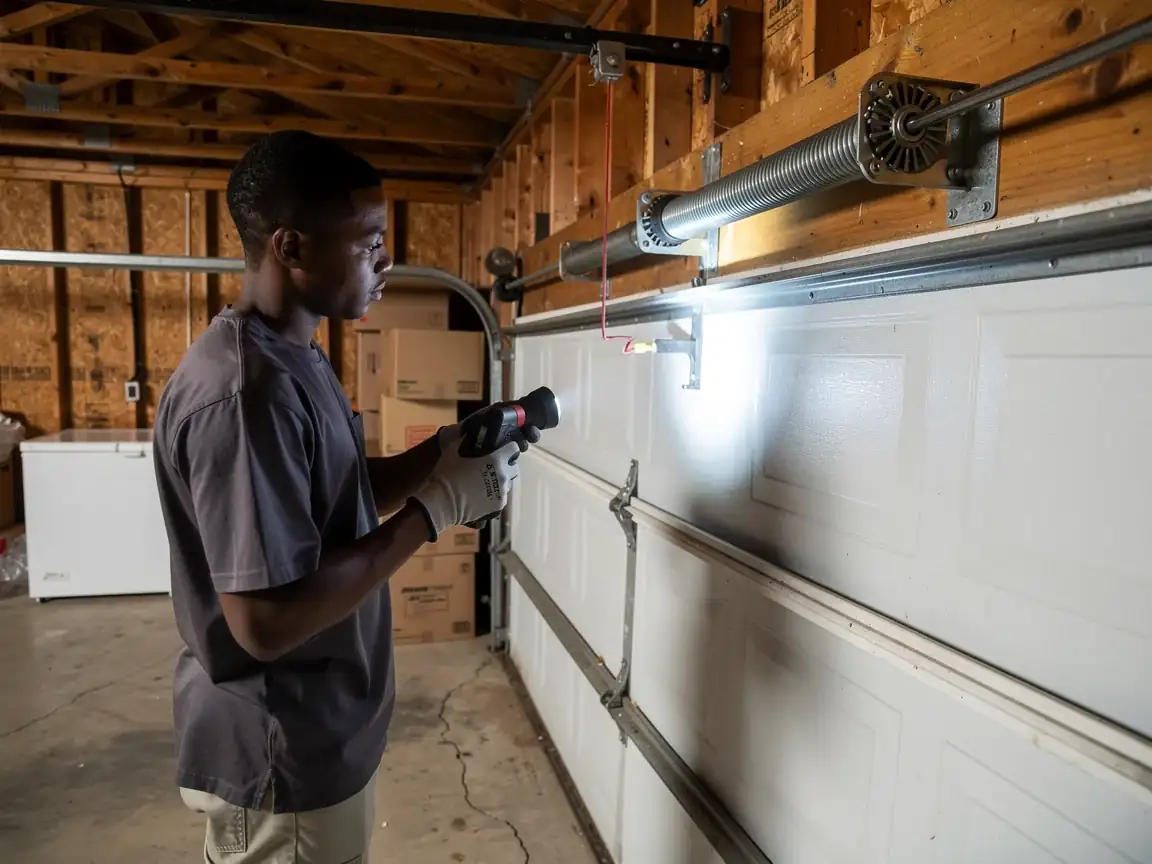
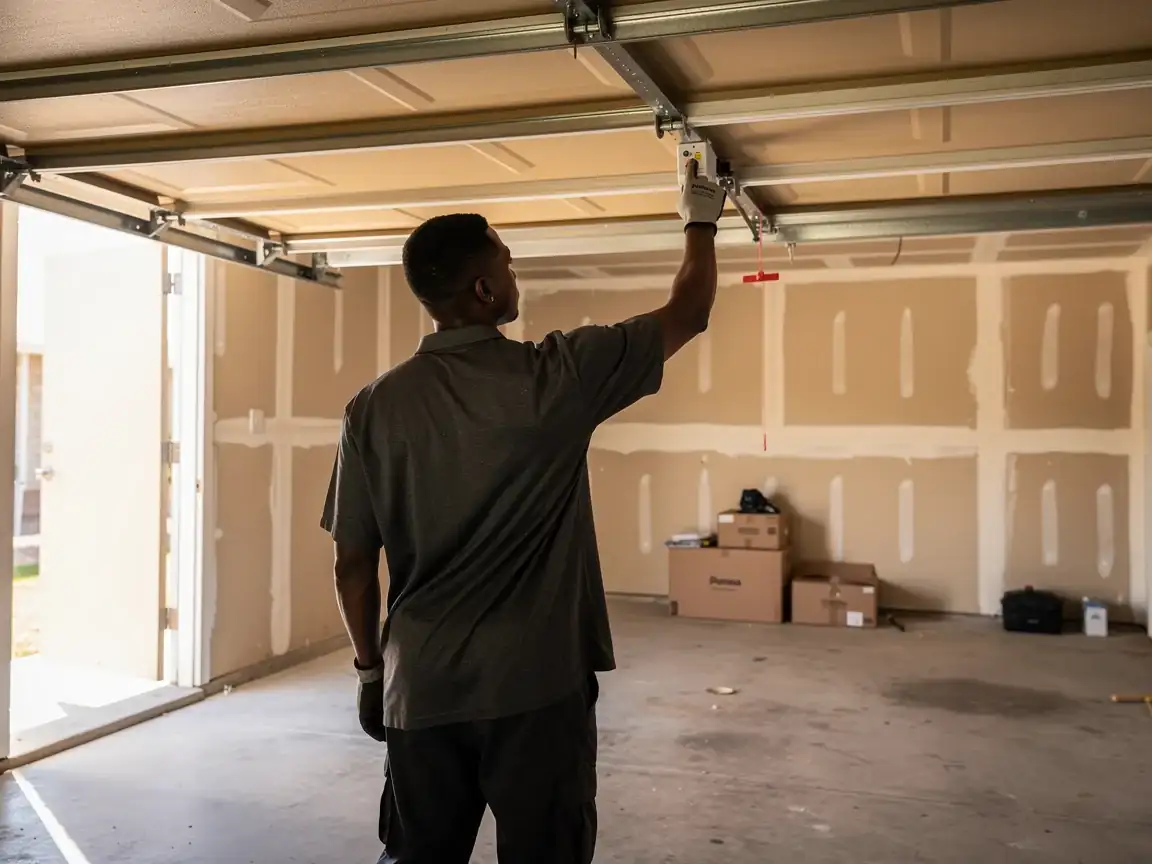
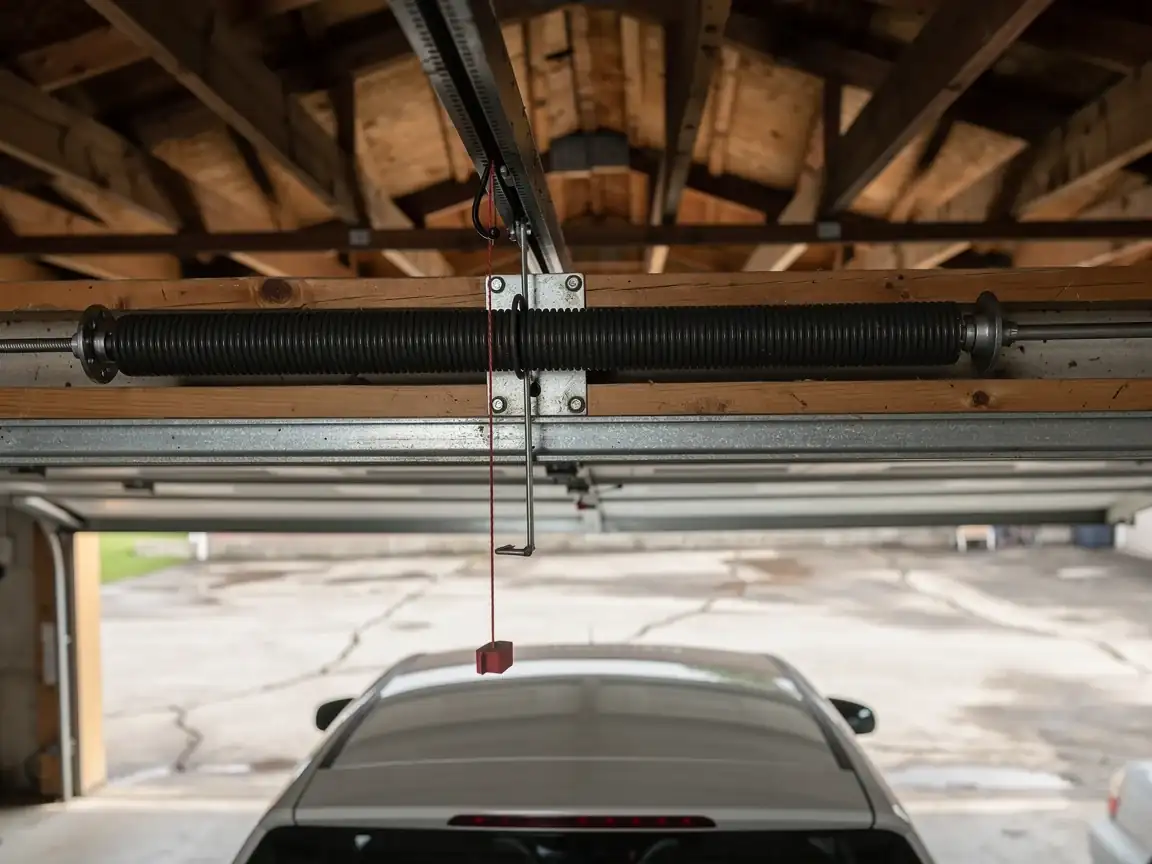
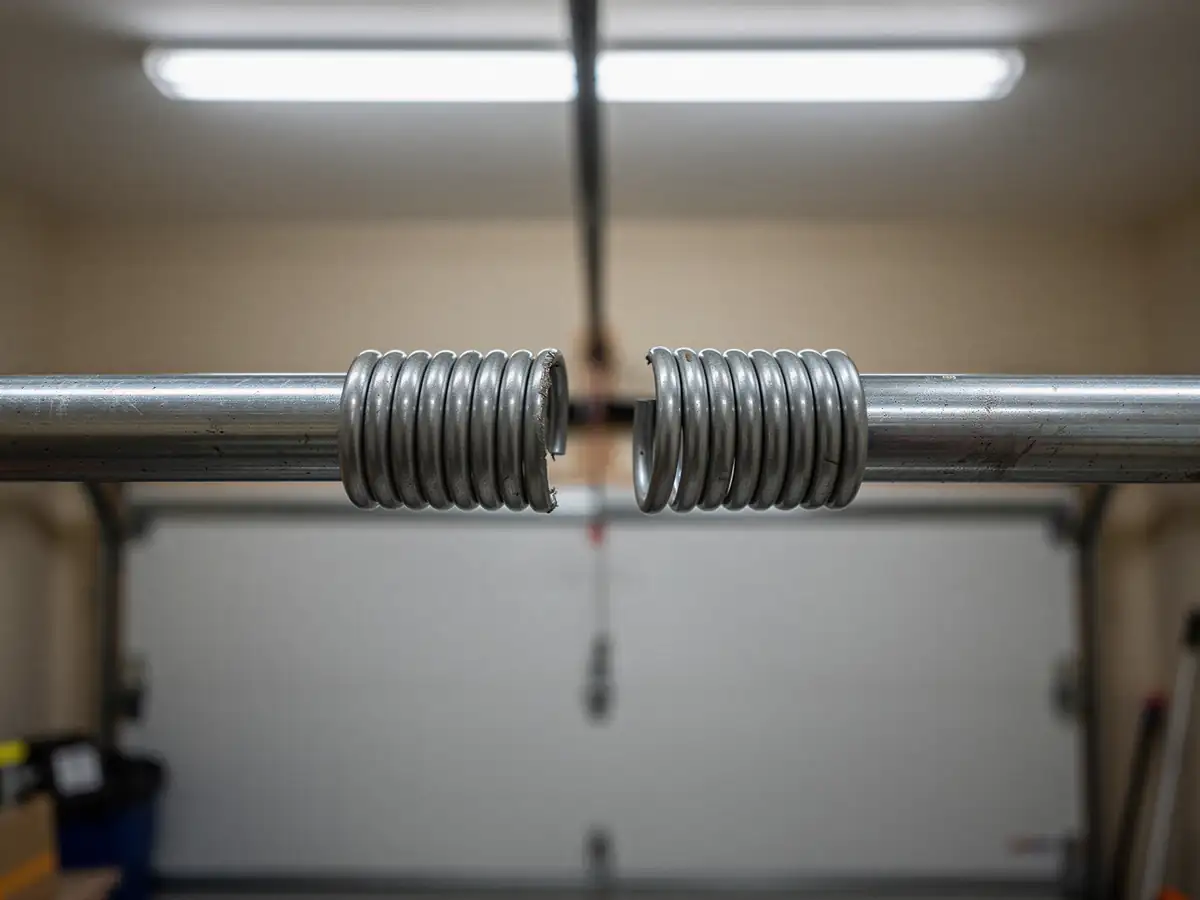
Torsion springs rated for original steel doors are well past the cycle count they were built for, and when they go, they tend to go without much warning. Chain-drive openers from that era are also reaching the point where the motor, not just the remote battery, is the problem.
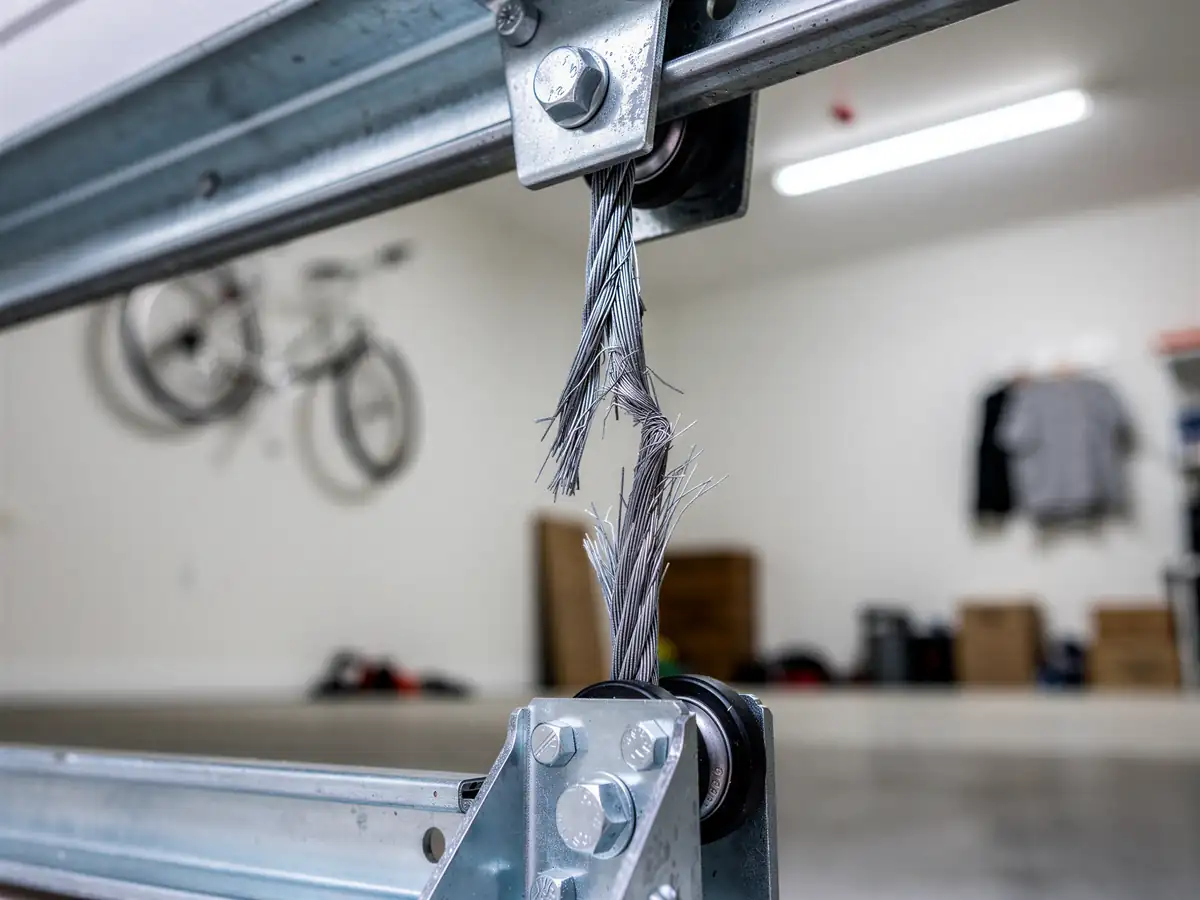
We also see panel damage that's really a track problem
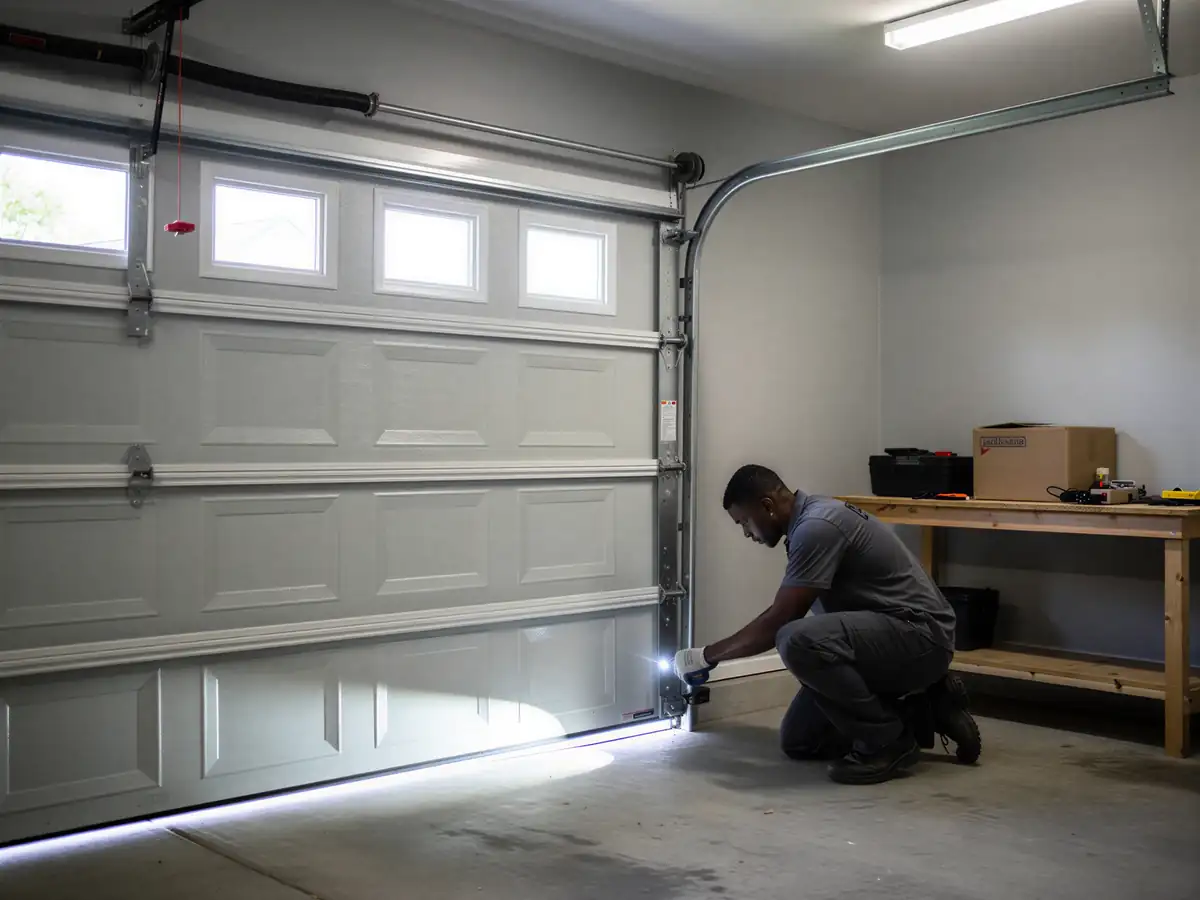
Rollers worn enough that the door binds and eventually dents itself trying to close. Houses built in the broader 1966-2001 window share some of this, but the concentration around 1984 specifically means openers and springs in Kenmore tend to be failing in the same few-year window rather than being scattered across decades like they are in older or newer pockets of the service area. One honest limit: if your opener is original to an '84 build, parts for that specific drive assembly are often no longer made, and replacement is usually cheaper than hunting down a match.
What That Means for Doors
The climate here runs cold and moderate rather than extreme, so we're not dealing with the kind of freeze-thaw cracking that wrecks hardware in harsher climates. The bigger issue in Kenmore is just age meeting weather over and over: steel panels from the mid-80s were rarely insulated, so on cold mornings they sweat, and that moisture works on uninsulated tracks and springs that have already outlived their rated cycles.
With median household income here around $137,926, most of the Kenmore owners we talk to end up choosing full opener or spring replacement over a patch job once they're past the original 80s hardware, since a repair on a 40-year-old assembly often just buys a few more months. Kenmore also sits close to about 2 miles north, and Brier, about 4 miles away, both part of the same build-era cluster, so the same torsion-spring and chain-drive failures we see in Kenmore show up on that side of the service area too.