Where This Job Goes Sideways
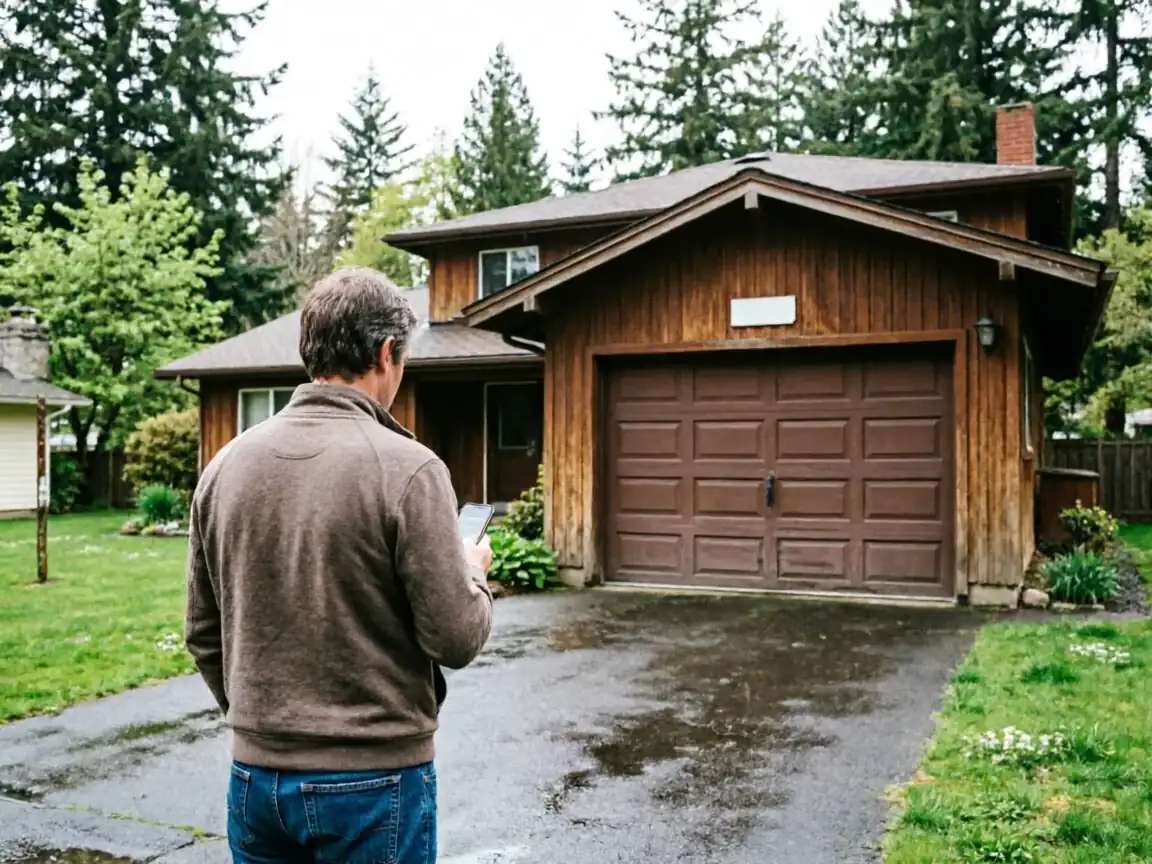
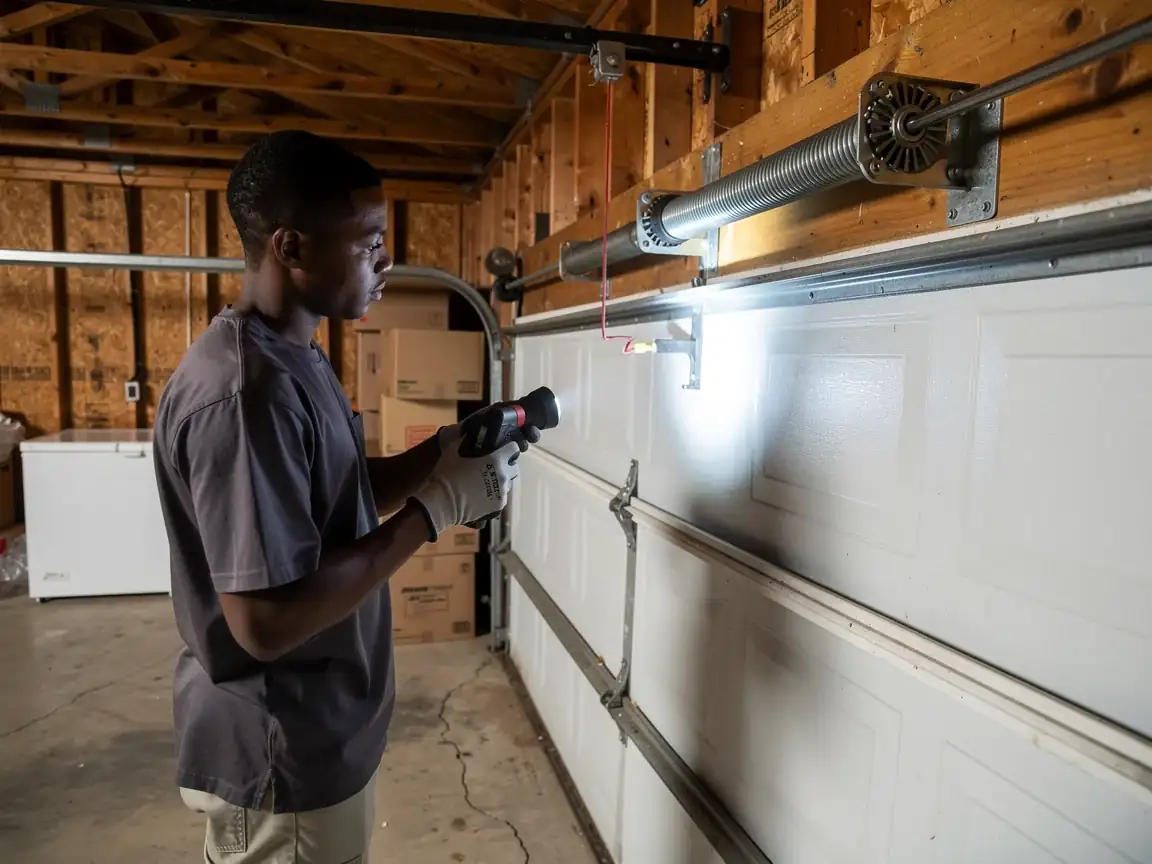
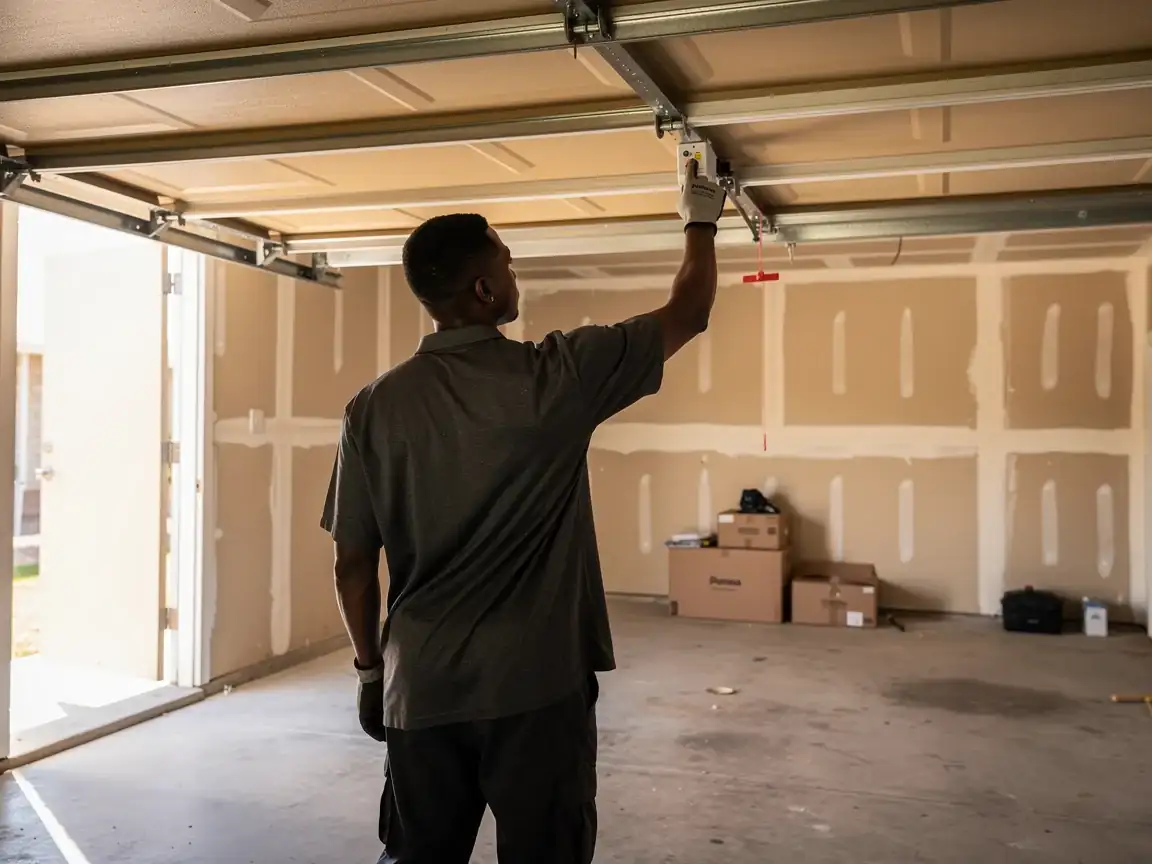
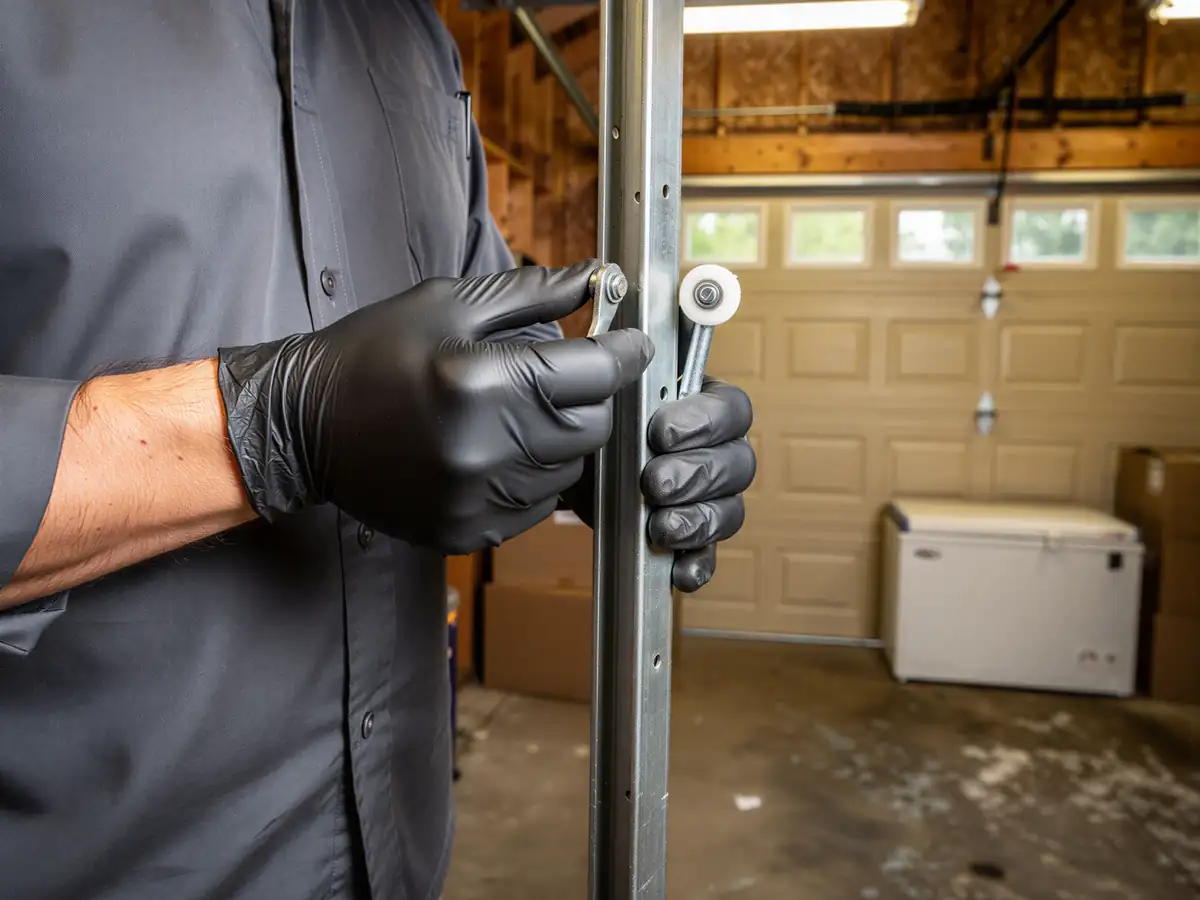
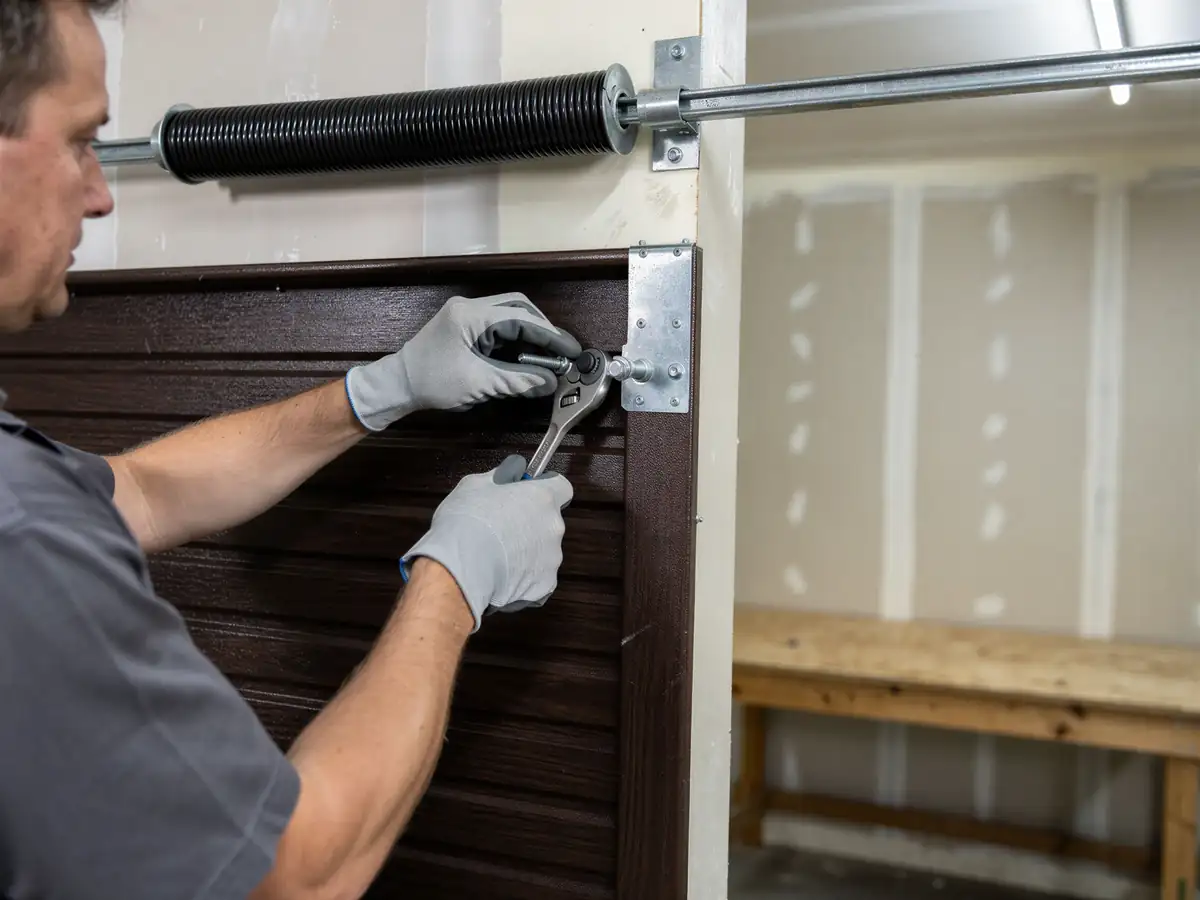
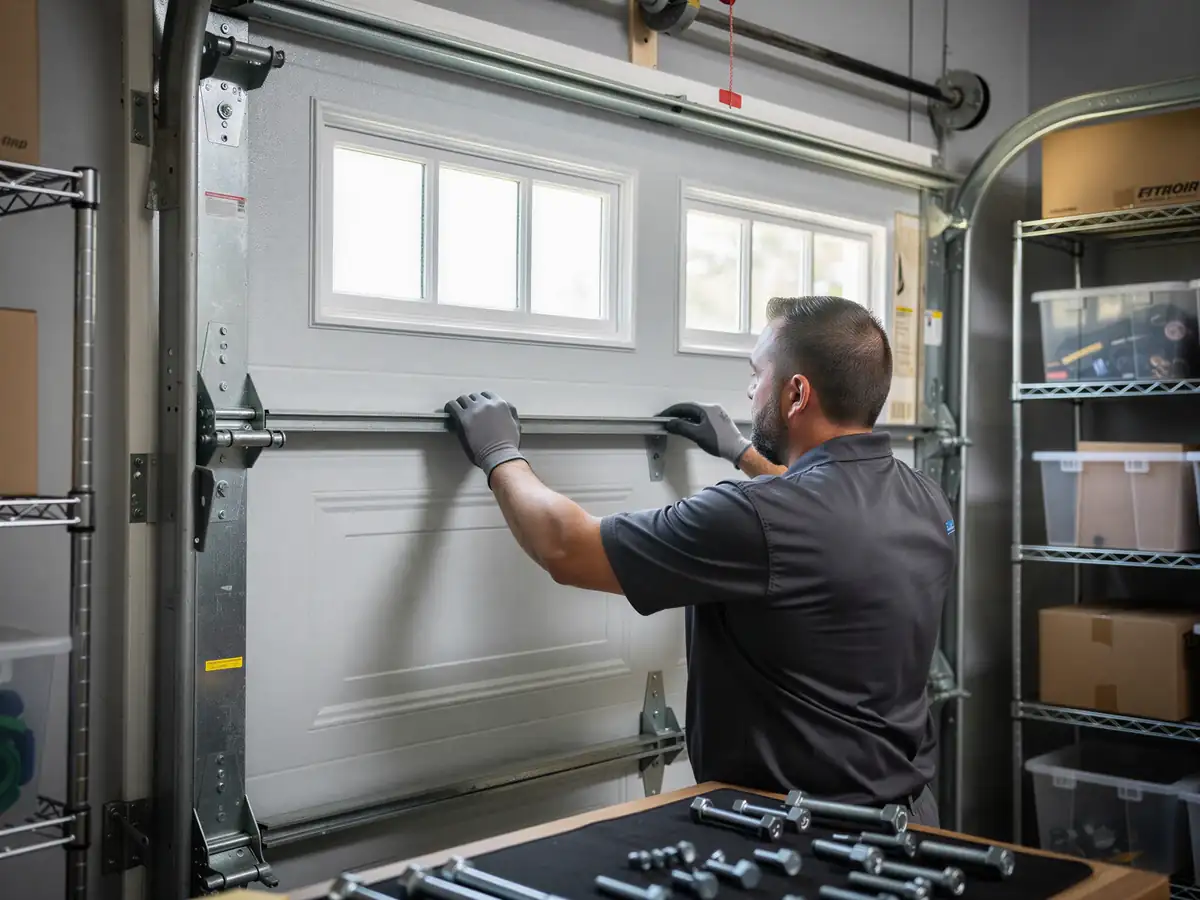
Panel replacement sounds simple until you're standing in front of a door built in 1985 and the manufacturer stopped making that exact section twenty years back. Most houses across this service area went up between 1966 and 2001, with the bulk of that stock dating to the 1980s and 90s, and that's the catch - a lot of those original doors used panel profiles and track widths that don't match what's on the shelf today. We can often match the steel gauge and the color close enough that it doesn't bug anyone, but if your door is an odd width or an older roll-formed panel style, the whole section sometimes has to come from a specialty supplier, and that adds time to the job. The other place this goes sideways is when a homeowner calls about one dented panel and the real problem is the track or the hinges are bent too, from whatever hit it. Replacing the panel without fixing what bent it just means you're back here in six months with the same dent in a new section. We tell people this upfront - a panel swap on a straight, square door is a clean job. A panel swap on a door that's been racked out of square from an impact is two jobs wearing one invoice.
The Cost of This Job
We don't post a flat number for panel replacement because the spread is wide and depends on what we find once the door's open. A single steel section on a common width is a different cost than a custom-order panel for an older door built to a size nobody makes anymore. What we can tell you without seeing it: homes in this area skew toward median household incomes around $138,256, and we size our estimates to match - a straightforward job stays straightforward, we don't pad it because the neighborhood can carry a bigger invoice. If the match-up on color or panel style turns out rough, we say so before we order anything, not after. The one honest limit here: if your door is old enough that panels aren't available at all, replacing one section can cost close to replacing the whole door, and at that point we'll tell you plainly that panel repair isn't the better move.
Why It Happens Here
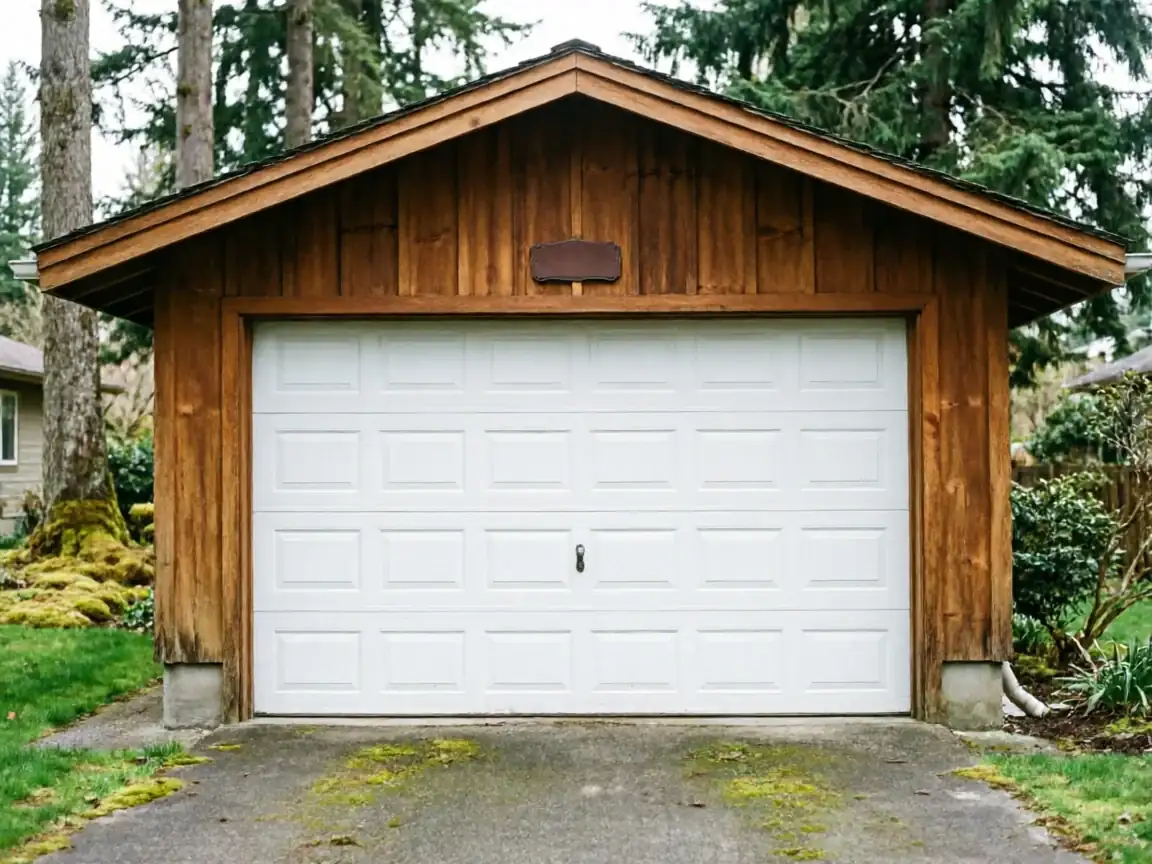
This area sits in a cold, moderate climate band, which means doors go through repeated freeze-thaw cycles every winter rather than one hard freeze and done. Steel panels expand and contract with that, and over thirty-plus years the seams and the foam-and-steel bond on insulated panels start to give a little at the edges - not enough to notice day to day, but enough that one solid impact finishes the job a dent would've started anyway. Because the bulk of the housing stock here was built in that 1966-2001 window, with median construction landing around 1985, we're mostly dealing with doors old enough that their panels have already taken decades of that cycle before anyone calls us. Newer doors in the same climate don't show this pattern nearly as often - it's the combination of door age and the freeze-thaw swing that does it.