Stocked Parts
The truck runs the 10-mile route out from Bothell for every call here, and that drive shapes what rides along. We don't keep a second stock point in Union Hill-Novelty Hill, so a panel job gets scoped by phone or photo first, then the right panel comes out on the truck rather than getting hunted down after the tech is already standing in the driveway.
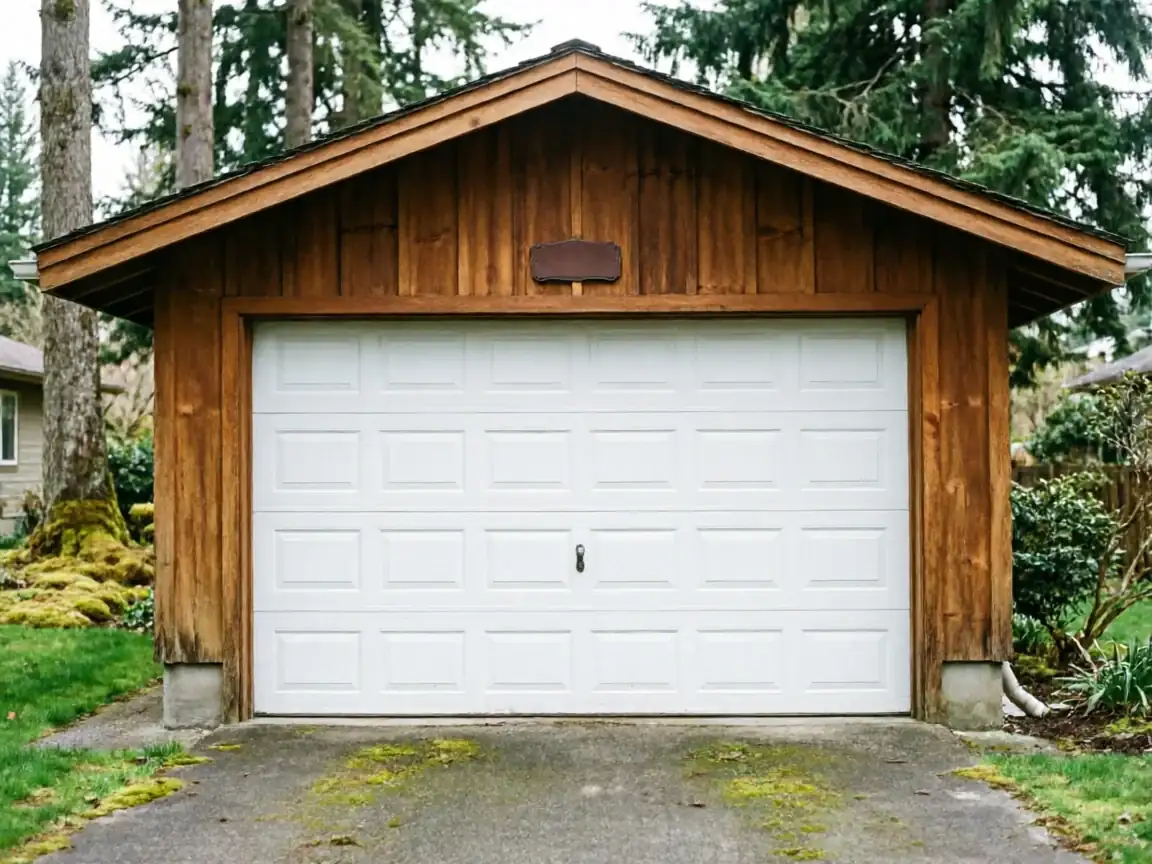
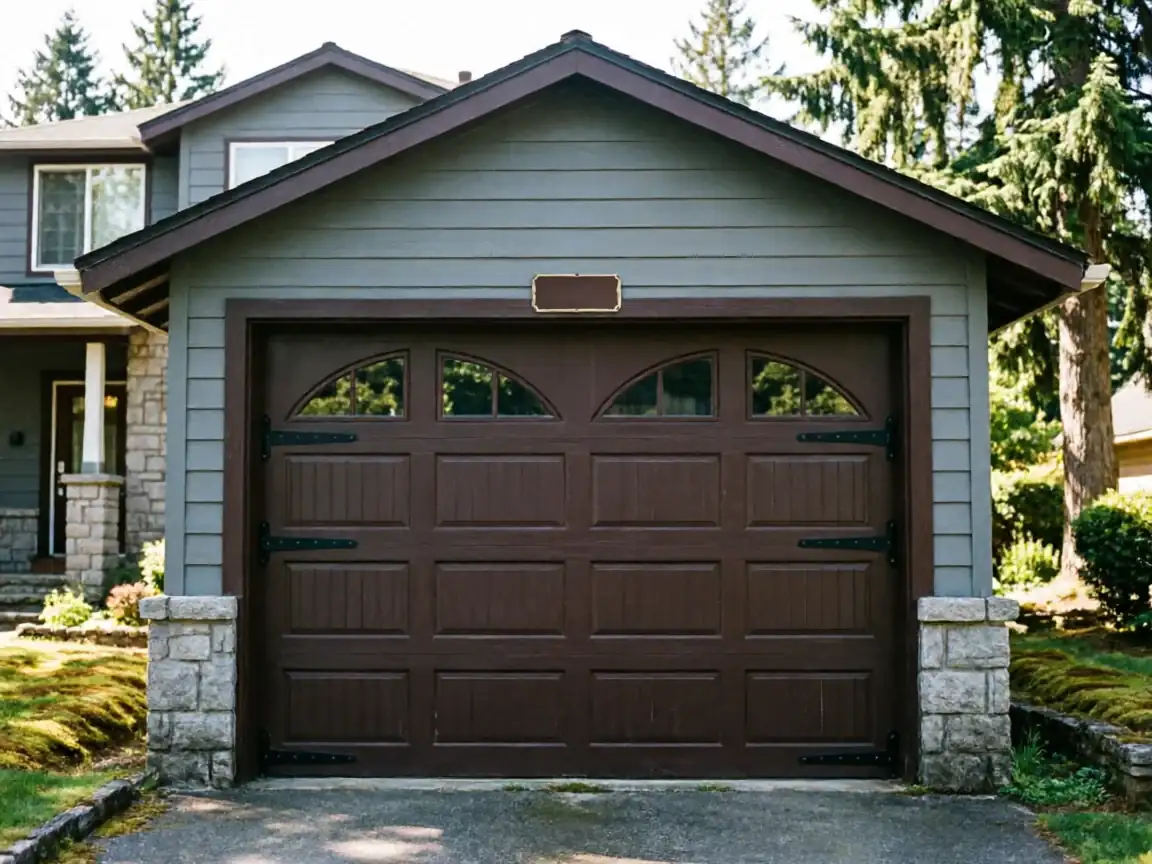
What's different about this area is the housing stock itself. The broader service area runs a median build year of 1985, but homes out here cluster closer to 2001 - a solid fifteen years newer. That matters for panels because doors from that era are almost always factory steel sectional, foam-injected for insulation, not the older wood-and-hardboard sandwich panels you'll still find on 1970s and 80s houses closer to Bothell. Matching a single damaged panel on a 2001-era door means tracking down the right steel profile and finish, which is a narrower search than it sounds - manufacturers changed panel tooling more than once since then, and an exact match isn't always possible. When it isn't, we'll say so rather than force a mismatched panel onto a good door.
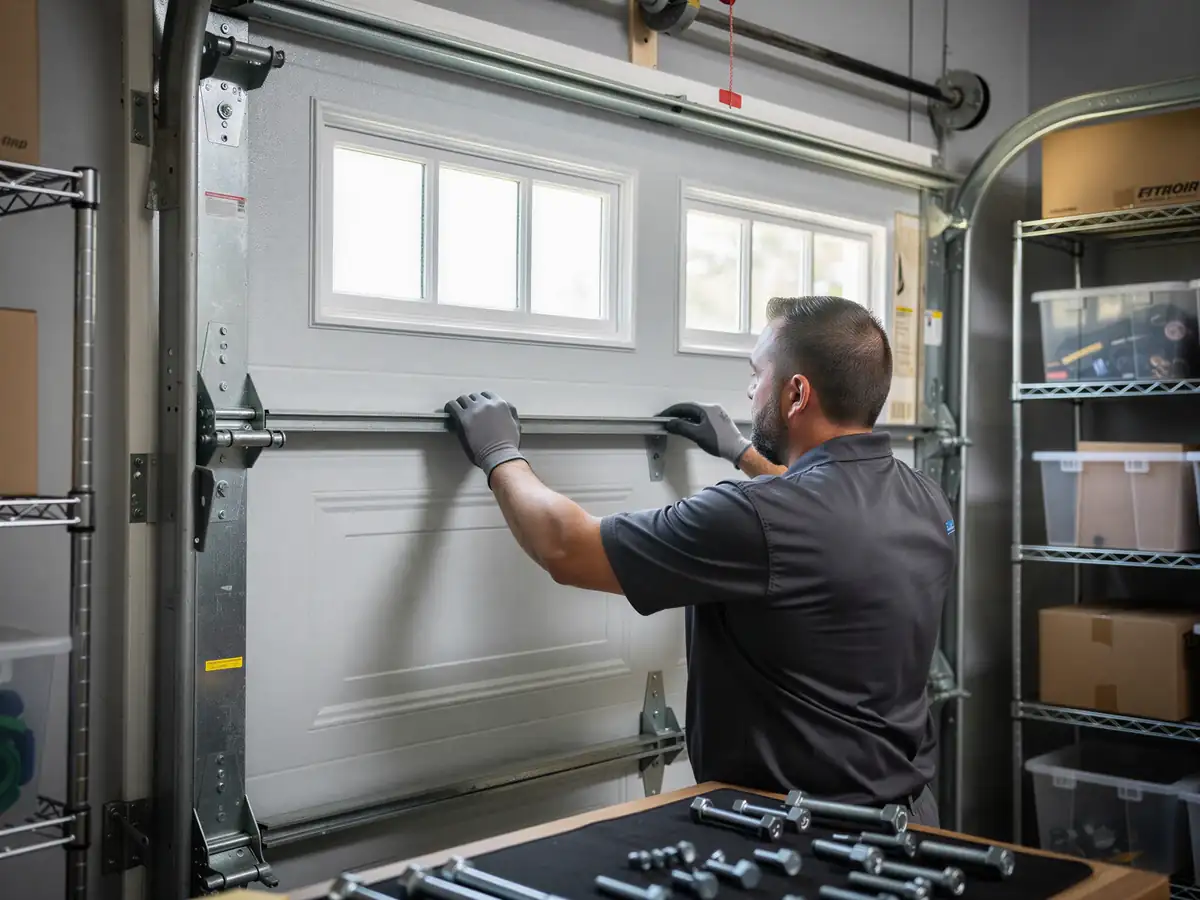
We carry common steel panel sizes and foam cores on the truck, but a specific embossed pattern or discontinued color sometimes has to be ordered, which adds lead time we can't shrink.
Booking a Visit
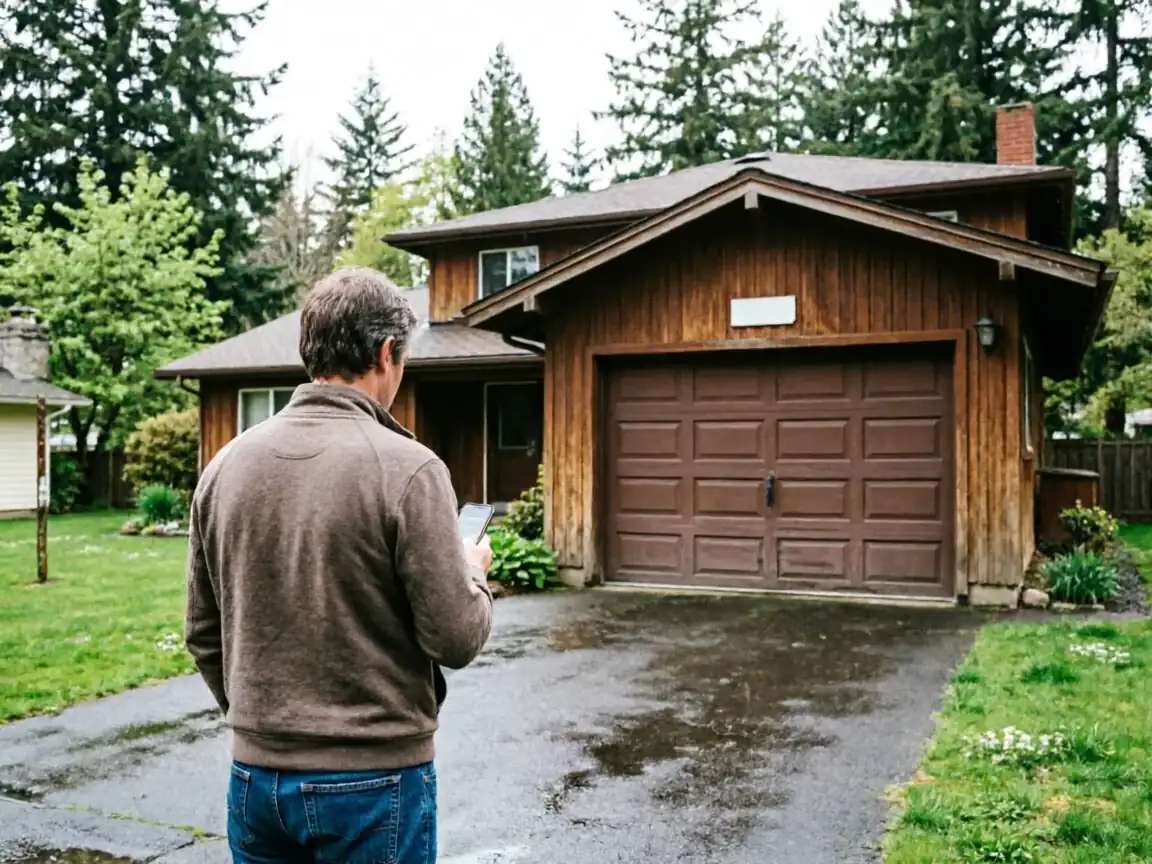
Because the job is covered out of Bothell, booking a visit for Union Hill-Novelty Hill means building in that drive time when we schedule the appointment window - we're not dispatching from somewhere closer. A panel replacement call usually starts with a photo of the damaged section and the door's age or brand if you know it, since that lets us figure out before the truck leaves whether this is a stock panel swap or a special-order situation.
Given that most doors in this part of the area are newer builds, a lot of these calls turn out to be dent or impact damage on an otherwise sound door rather than failure from age - a car backing into a panel, a stray branch, that kind of thing. That's good news for the homeowner: a 2001-era steel door with one bad panel is usually a panel swap, not a full door replacement, as long as the panel profile is still available.
We book the visit once we have enough information to bring the right part, rather than rolling a truck to diagnose on-site and coming back a second time. If your garage sits on an upper floor or detached structure with limited access, mention that when you call - it affects how we load the truck for the day.
The Cost of This Job
We don't post a flat price for panel replacement because the range depends heavily on whether the panel is a current stock profile or a special order
And on how many panels a given section actually needs. A single bottom panel on a 2001-built door is a different job than matching an upper panel where fading has made an exact color match impossible without doing the whole door.
Household income in this part of the service area runs well above the wider region's median
$181,820 against $138,256 across the broader area - which doesn't change what we charge, but it does mean we see more owners opting for a full door swap when the panel match isn't clean, rather than living with a visible mismatch. That's a reasonable call on some houses and not worth it on others, and we'll tell you honestly which situation yours is once we've seen the damage.
The cost driver that matters most on this particular job is panel availability, not labor
If your door is a common builder-grade model from the early 2000s, parts move fast. If it's a less common import or a discontinued line, expect the quote to reflect a longer wait on the part itself.
What the Repair Takes
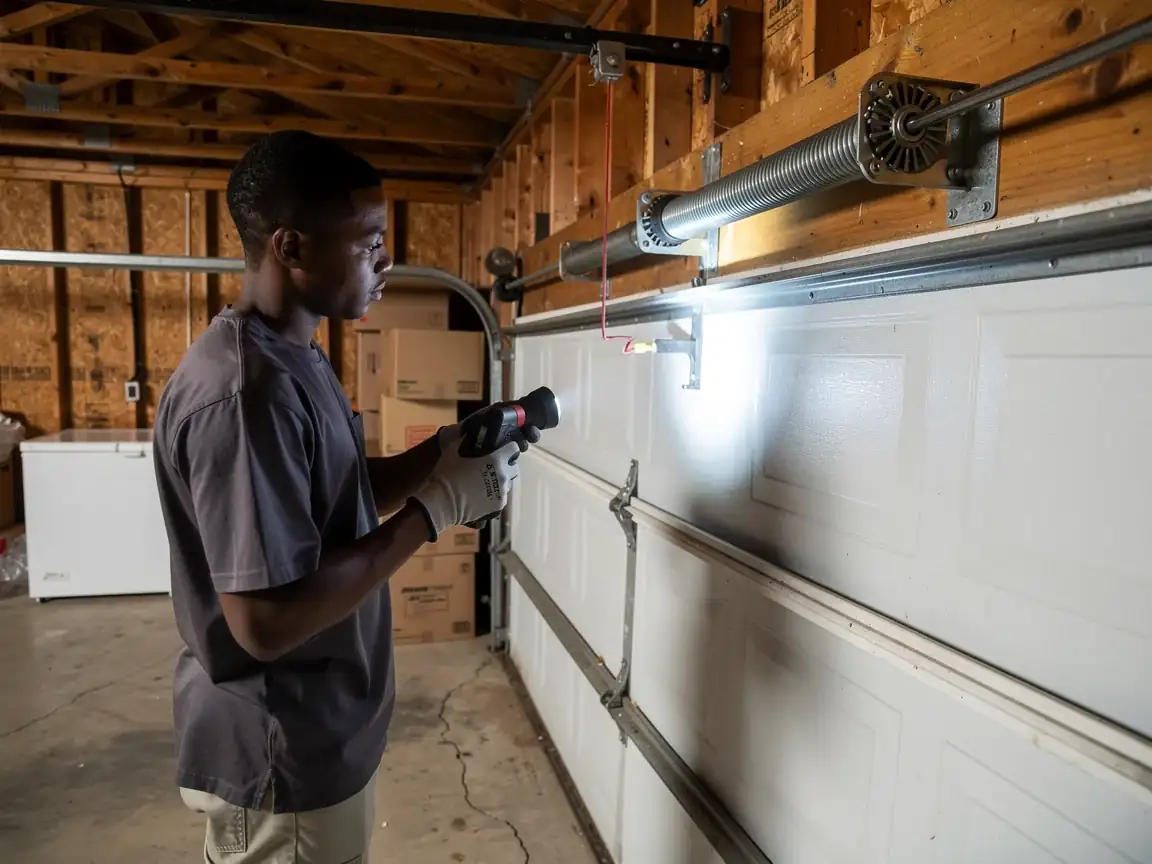
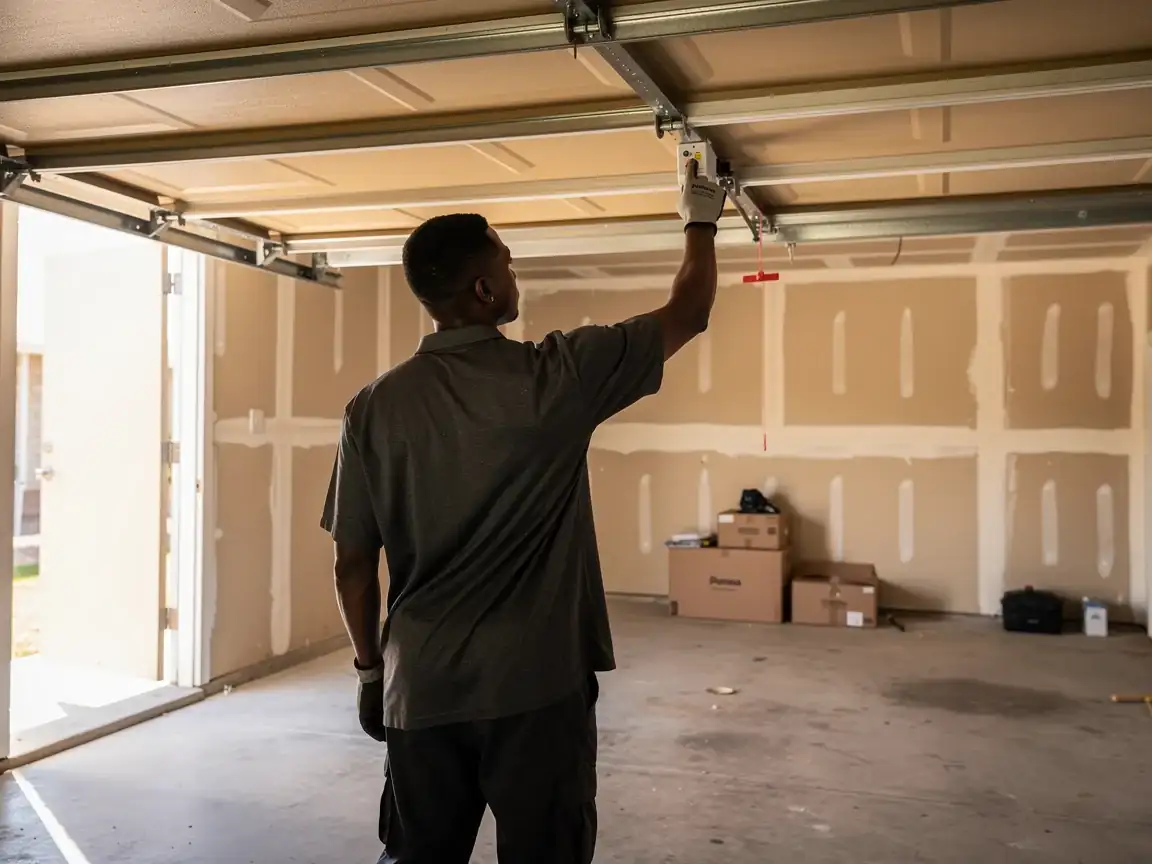
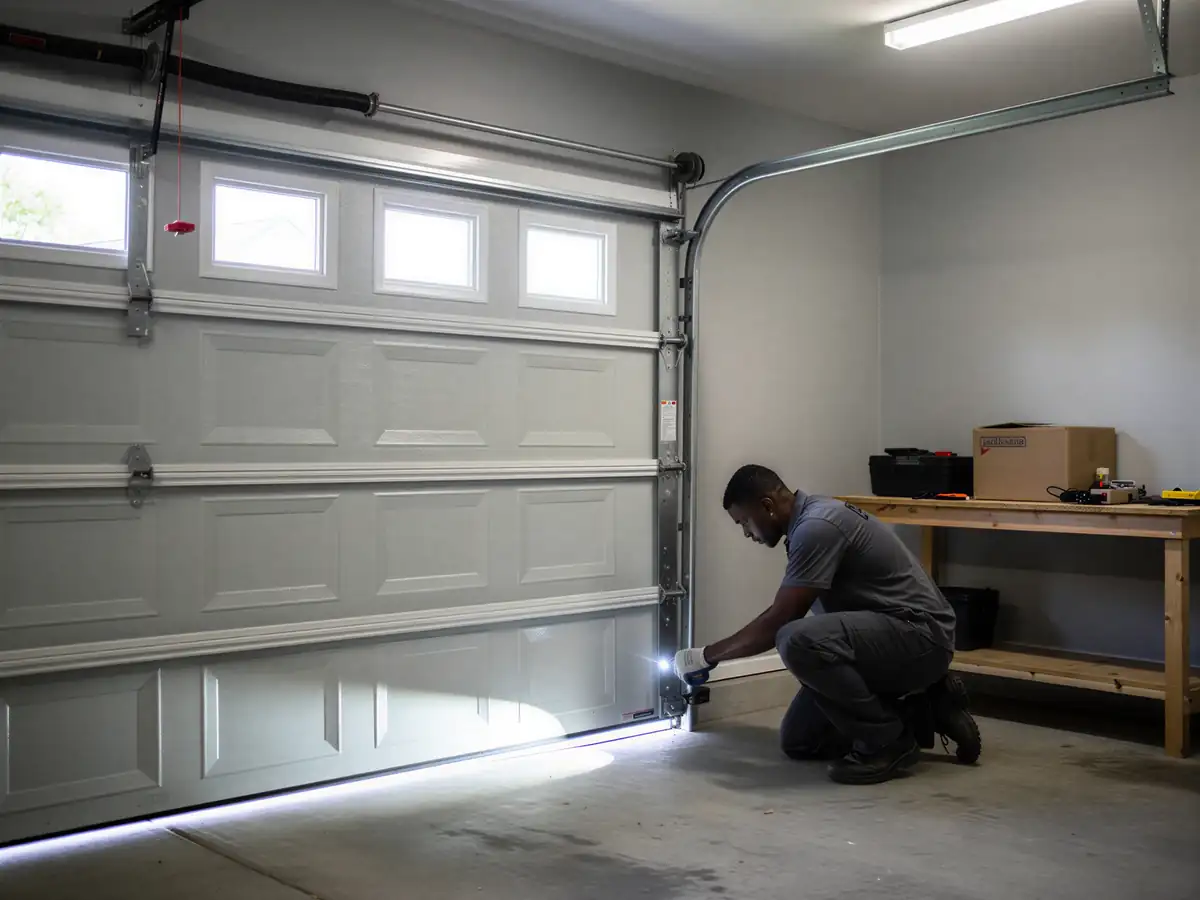
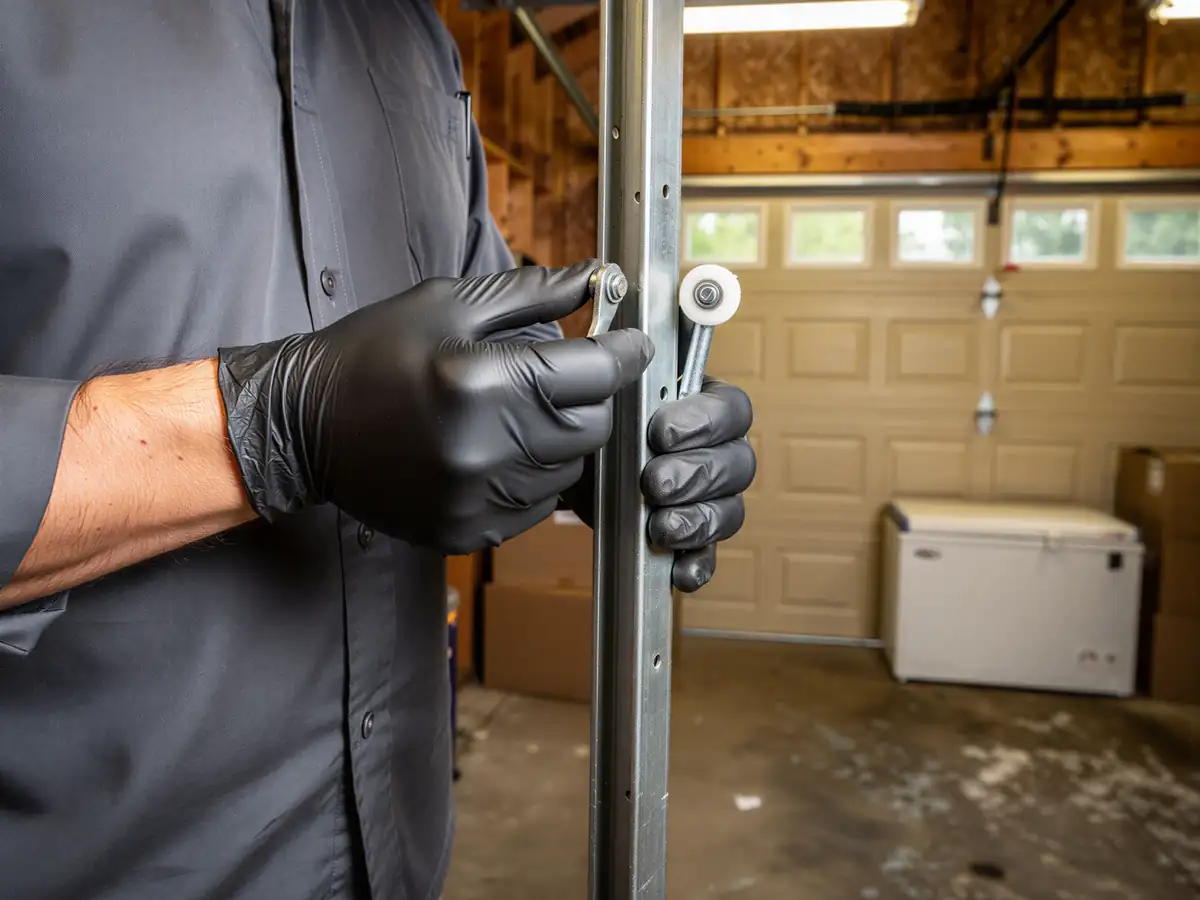
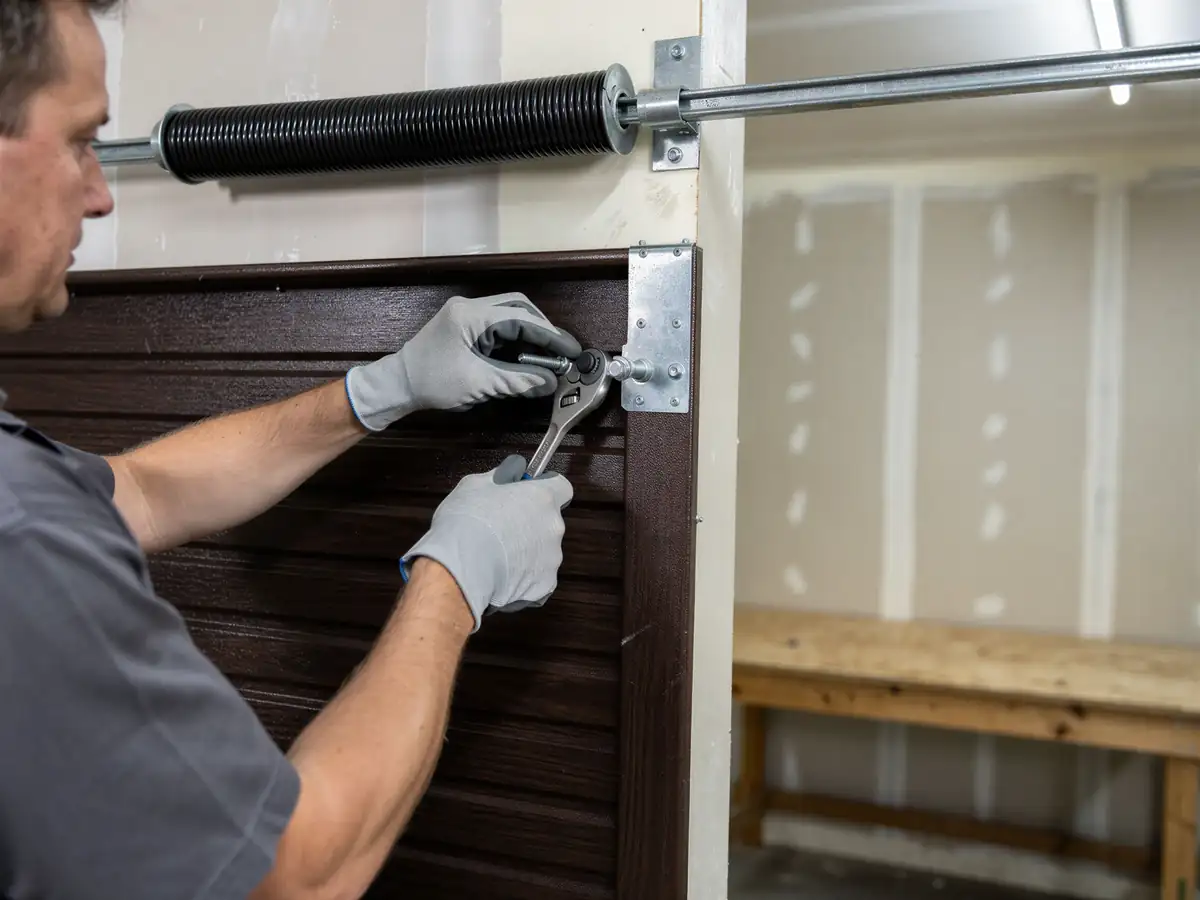
Pulling and replacing a single steel panel on a 2001-era door is mechanically straightforward once the right part is in hand: disconnect the opener, support the door, remove the end hinges and roller brackets holding the damaged section, swap the panel, and reset the hardware. The work itself doesn't take long.
What takes longer here, more than on older wood-panel doors, is making sure the replacement panel actually seats flush with its neighbors. Steel sectional doors from this era rely on tight panel-to-panel fit for the weatherstripping to seal properly, and this area sits in the same cold, damp climate band as the rest of the region - a gap or a panel that doesn't sit flush shows up fast as a cold draft along the seam, not just a cosmetic issue.
One limitation worth saying plainly: if the damaged panel has been exposed to UV for close to two decades, the surrounding panels may have faded enough that even a correct-profile replacement reads as a slightly different shade. We'll point that out before the work starts rather than let you discover it afterward. On a door that old, sometimes replacing two adjacent panels instead of one gives a better result than chasing a single exact match.