Stocked Parts
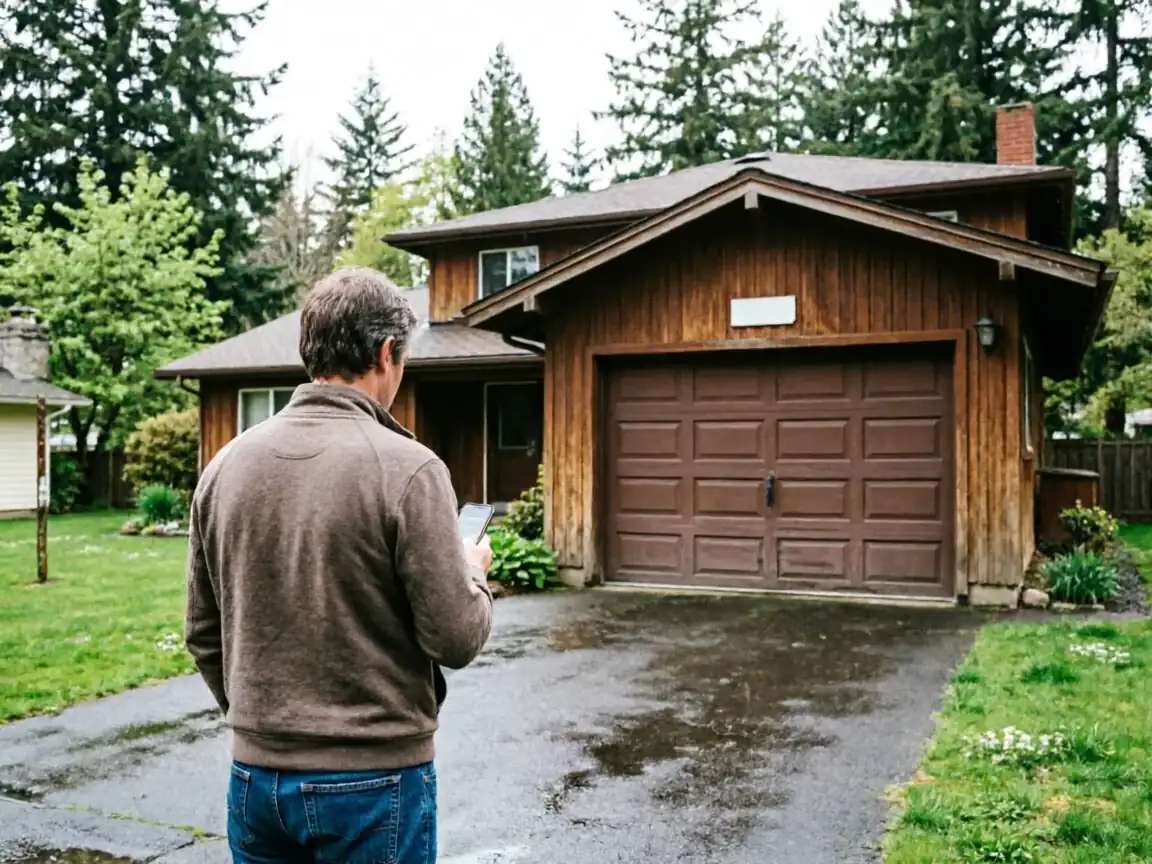
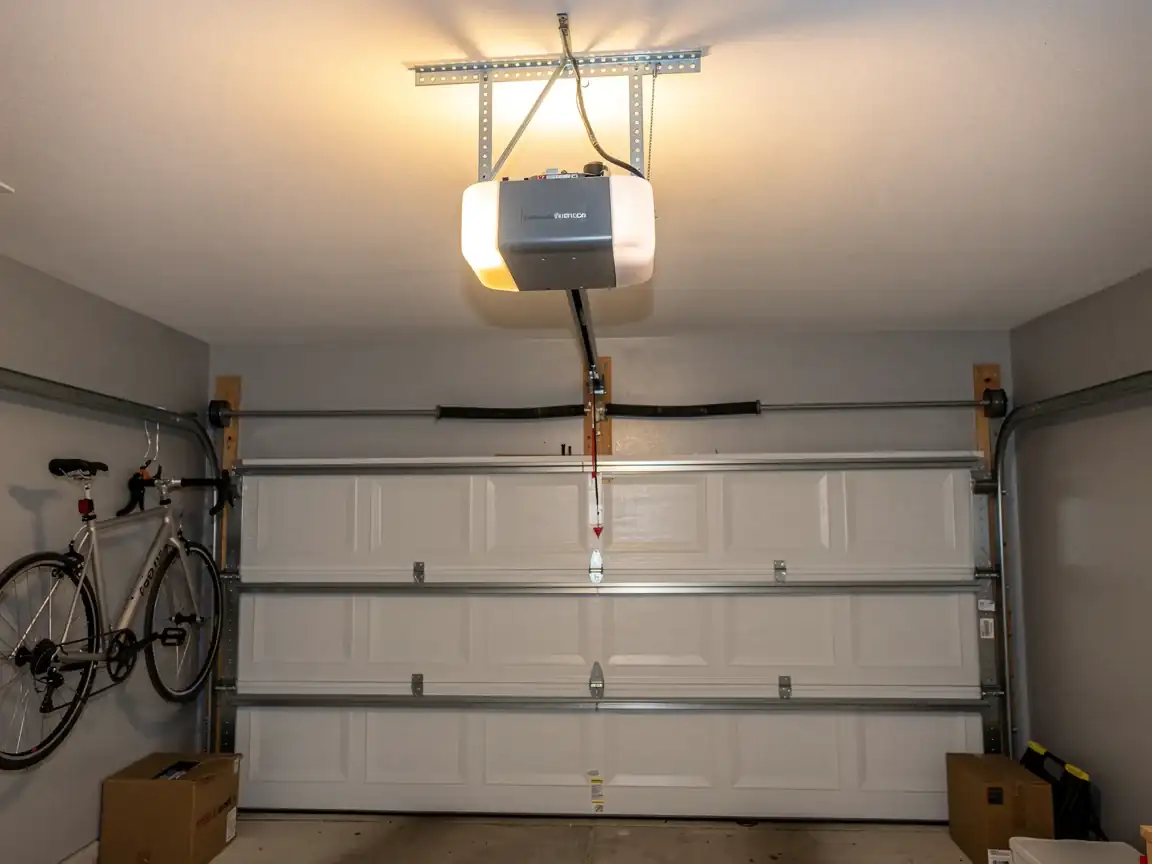
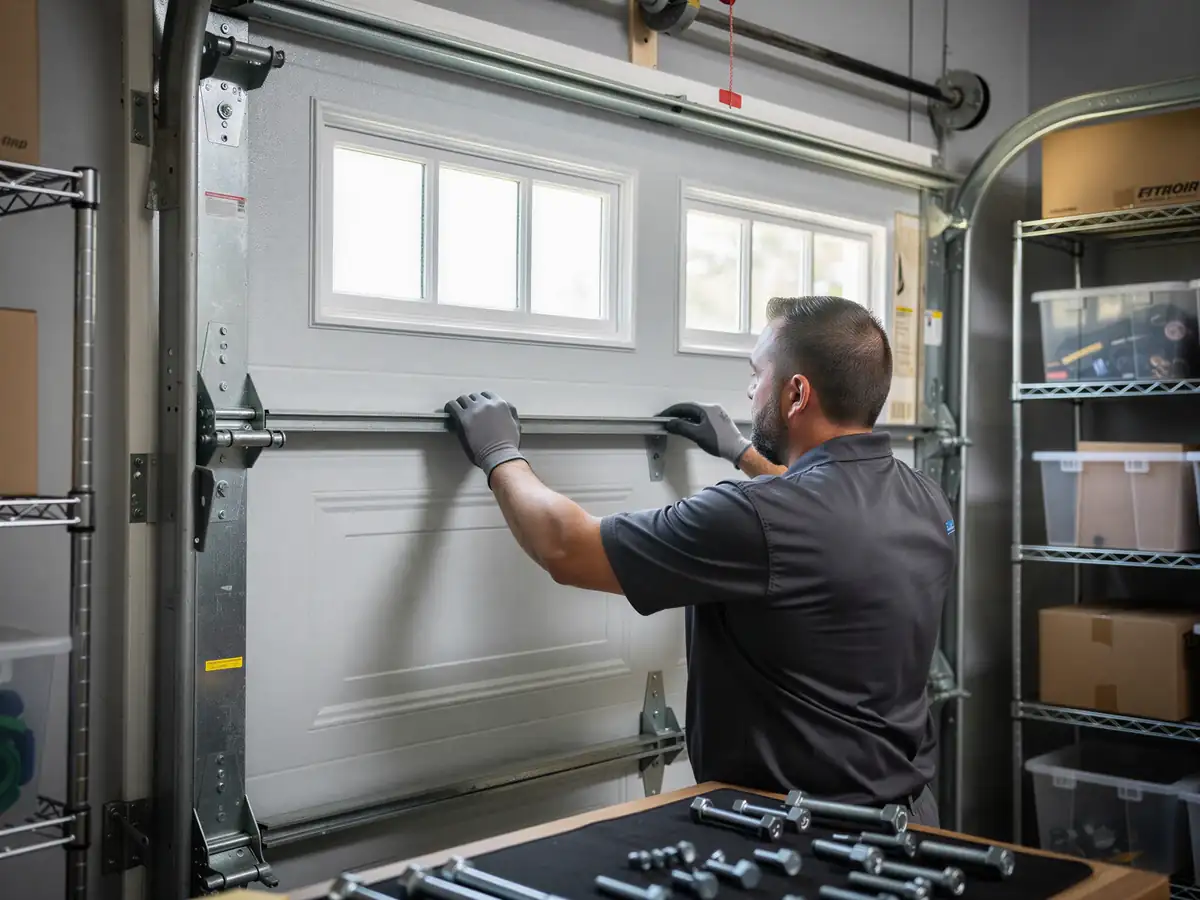
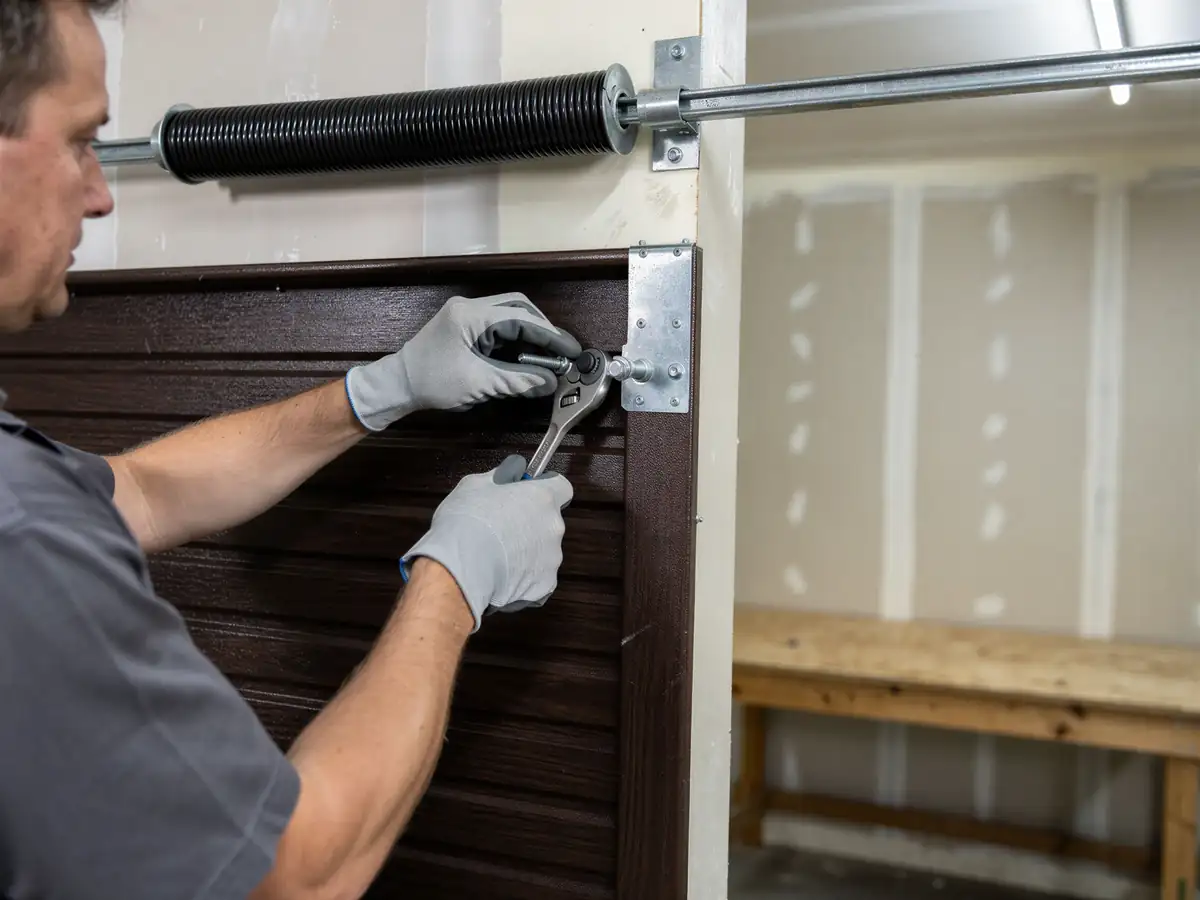
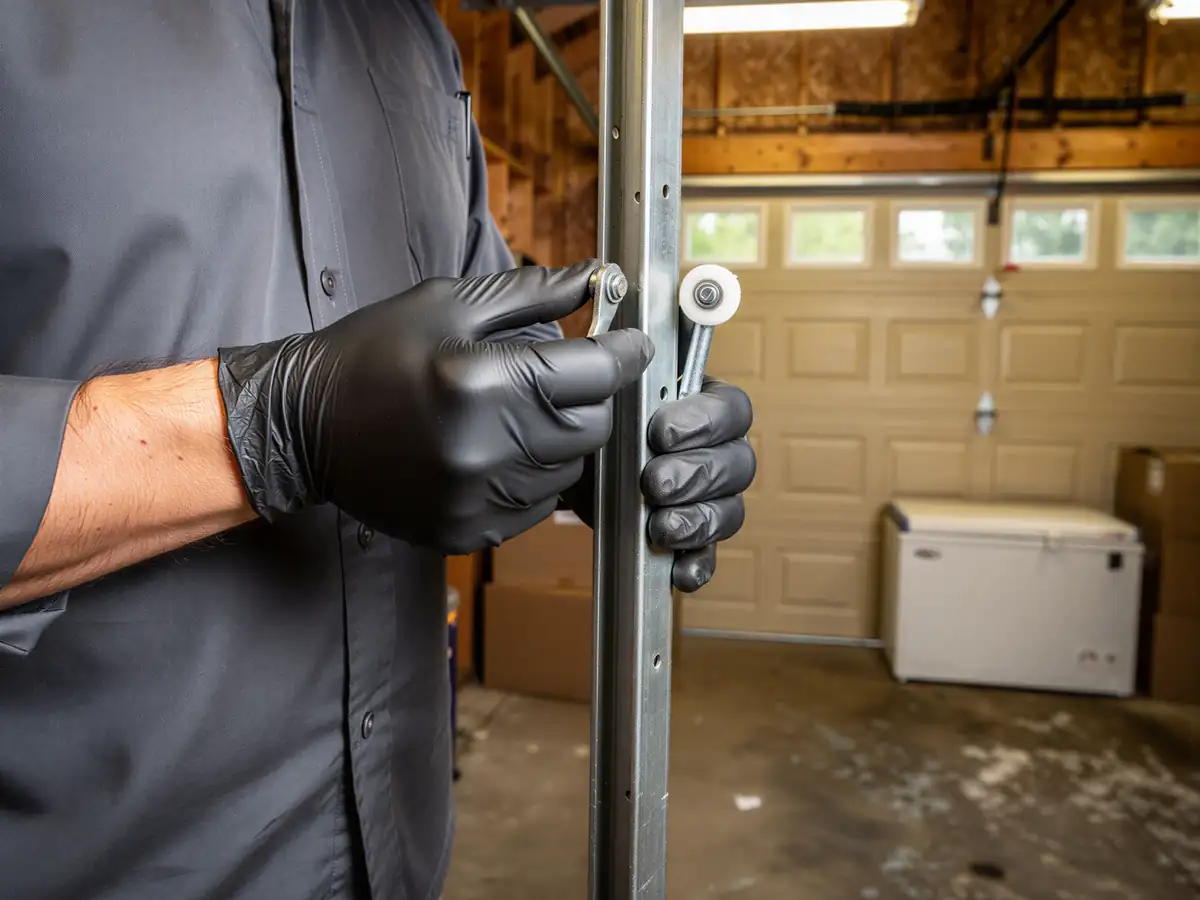
Union Hill-Novelty Hill sits at about 8,555 households, smaller and more spread out than the denser pockets closer to Bothell, so a roller call out here is less routine for us than it is ten minutes from the shop. That matters for what's on the truck. Most houses in this part of the service area went up around 2001, right at the newer edge of the 1966-2001 window that covers the broader area, so doors here tend to run factory nylon rollers on sealed bearings rather than the bare steel wheels you still find on the older stock nearer Bothell. We carry nylon rollers with sealed bearings as a standard stock item because that's what fits the newer doors out this way. Steel ball-bearing rollers for heavier doors are also on the truck. What we don't always carry is a less common roller stem length or a specialty bracket for an aftermarket door - if your opener setup calls for something outside the usual stem sizes, that can mean a short order delay rather than a same-visit swap. We'd rather tell you that up front than have you wait on a truck that doesn't have the part.
Booking a Visit
We work out of Bothell, and Union Hill-Novelty Hill is about a 10-mile drive from there, so a visit here gets scheduled as a route stop rather than a drop-everything call. That's not a knock on the area - it's just the honest shape of covering a service area this size, with roughly 149,942 households spread across 37 named places. When you call, tell us whether the door is still moving (a loud grinding roller on a door that still opens and closes) or whether it's jumped the track (a roller that's cracked or split and come loose). That distinction changes what we load before we head out. If it's still moving, a roller swap is usually a single visit. If it's off the track, we need to know before the truck leaves so we bring the right pry tools and spare track section hardware.
What the Repair Takes
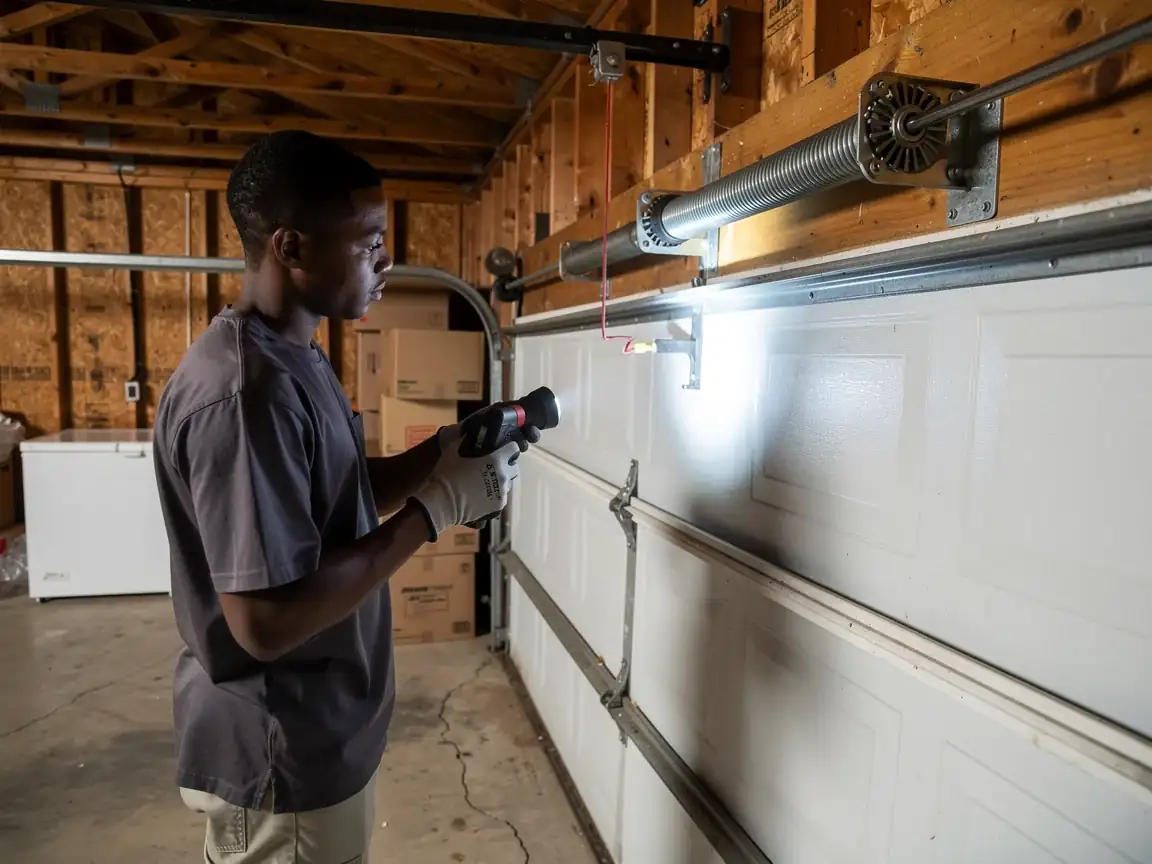
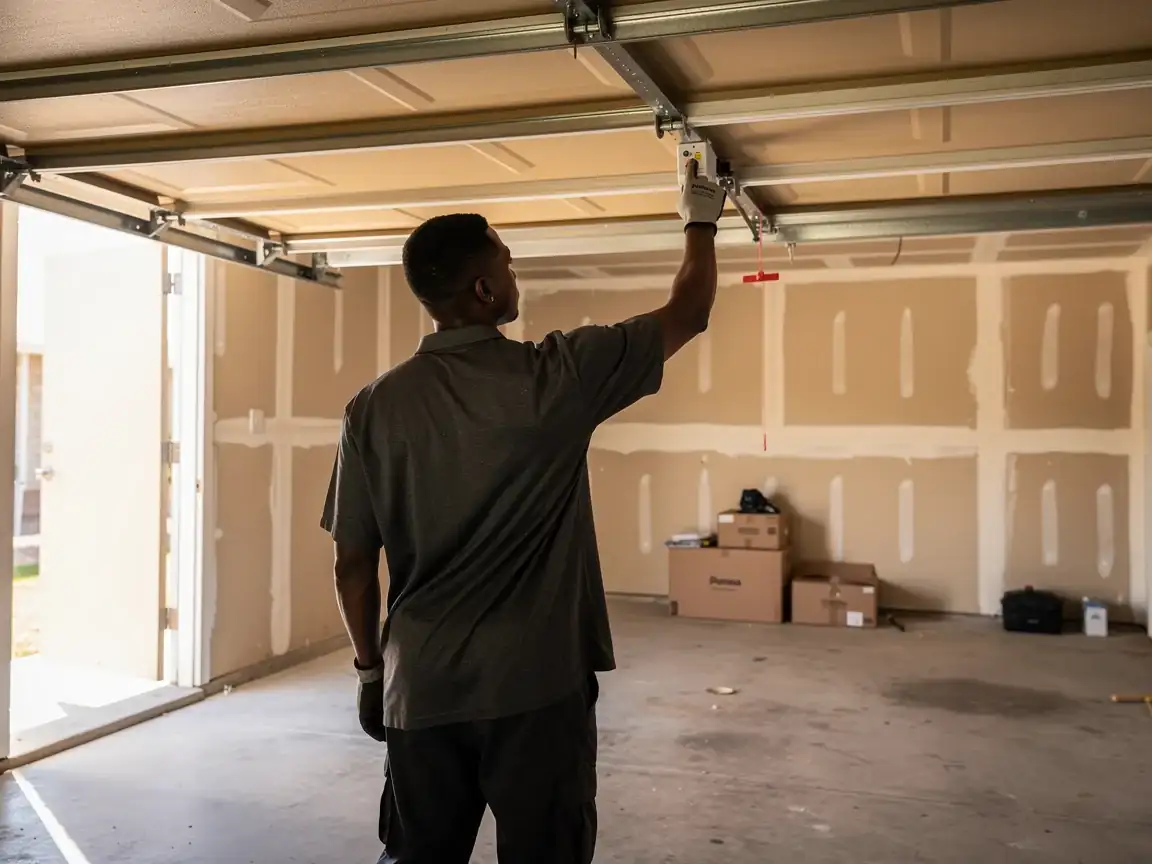
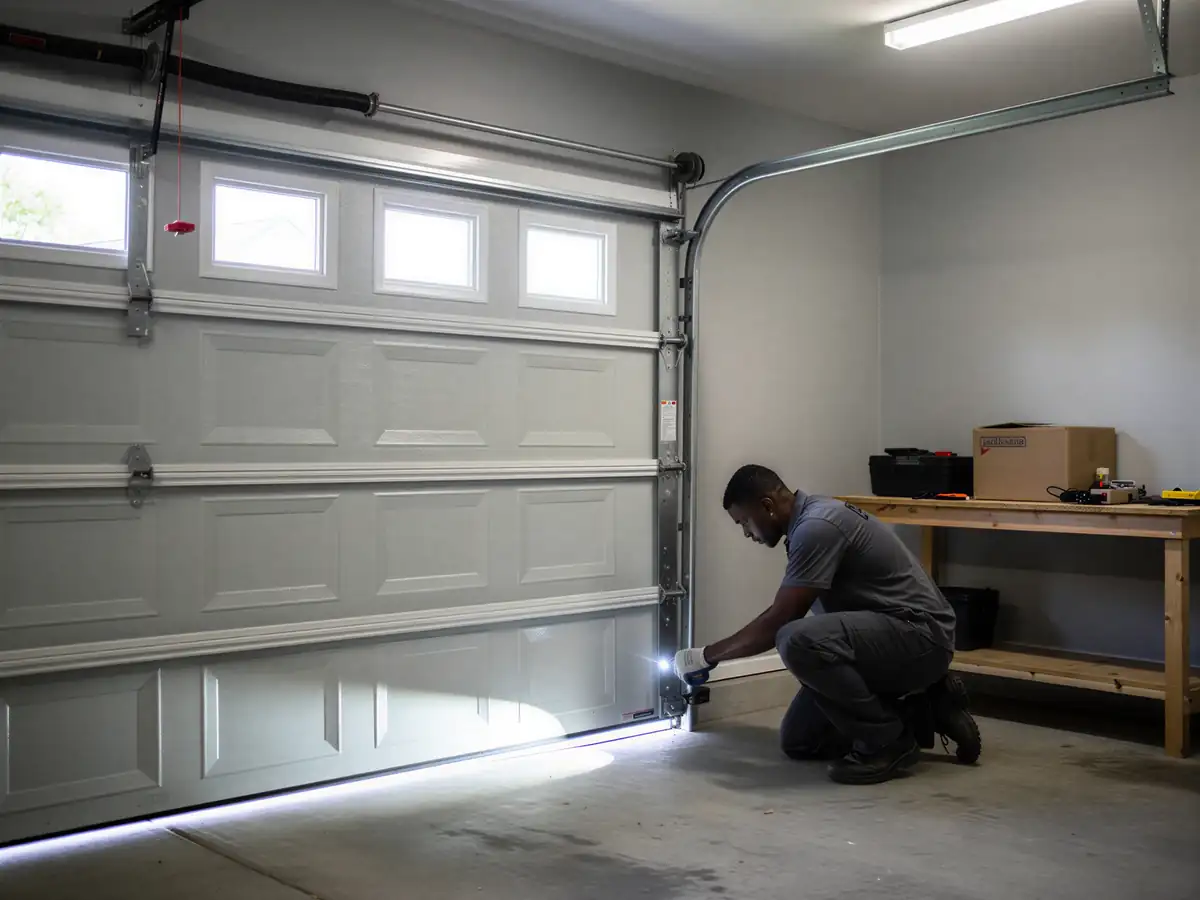
This part of the service area sits in a cold-moderate winter climate, and cold is hard on nylon - the plastic stiffens, the bearing grease thickens, and a roller that was already worn starts binding instead of rolling smooth. On a 2001-era door, that usually shows up as a grinding or clicking sound right as the door starts to move, before it ever gets loud enough to notice from inside the house. The repair itself is mechanical and quick once we're on site: door secured, old rollers pulled from the track one at a time so the door never comes fully loose, new rollers seated, track alignment checked since a bent track is often what wore the roller out in the first place. We don't replace rollers one at a time as a long-term fix - if one roller failed from age, the rest on that door are close behind, so we replace the full set rather than send you a call back in six months for the next one.