How It Shows Up
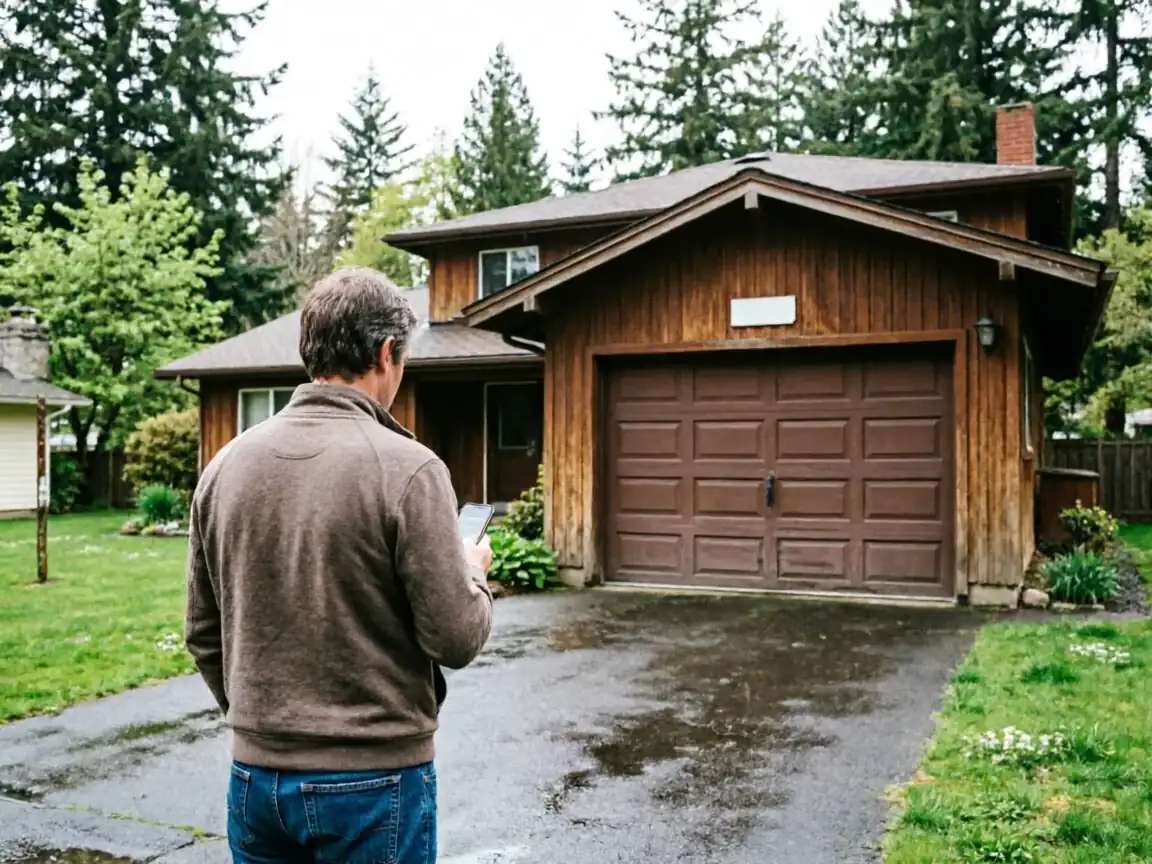
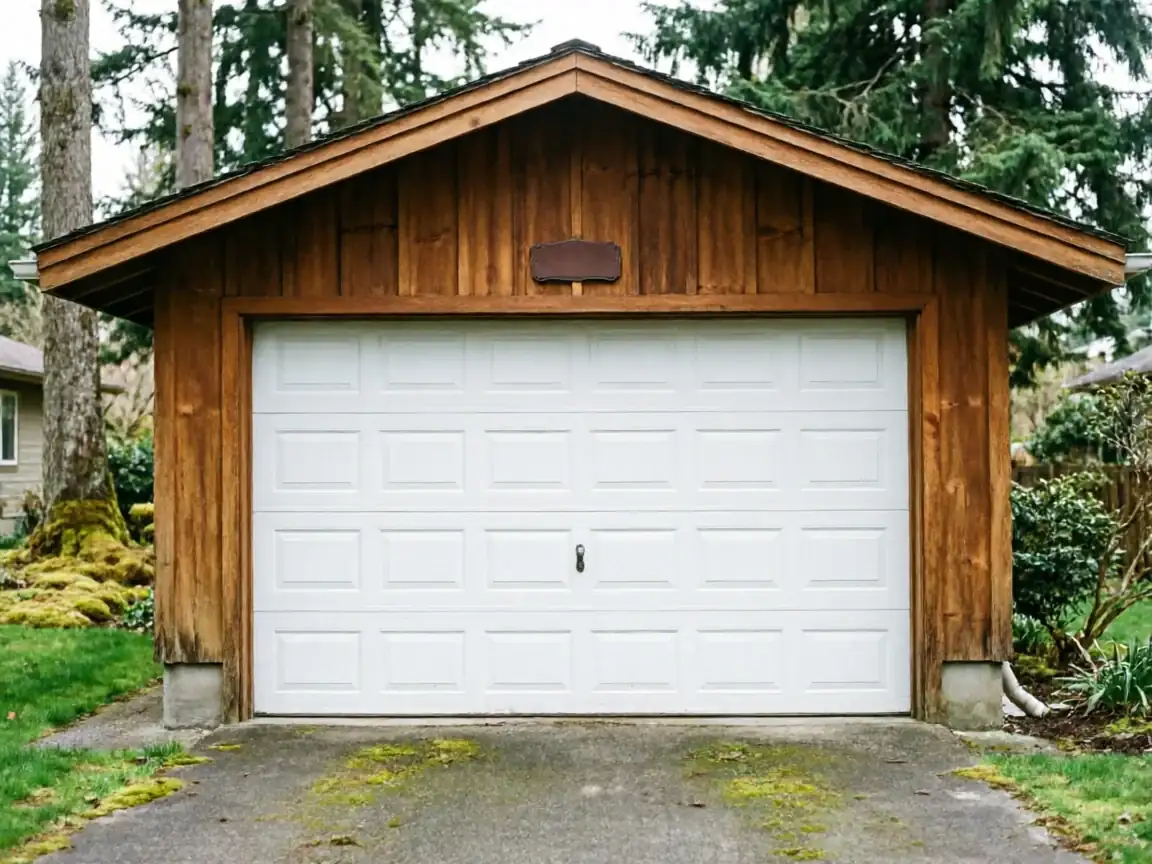
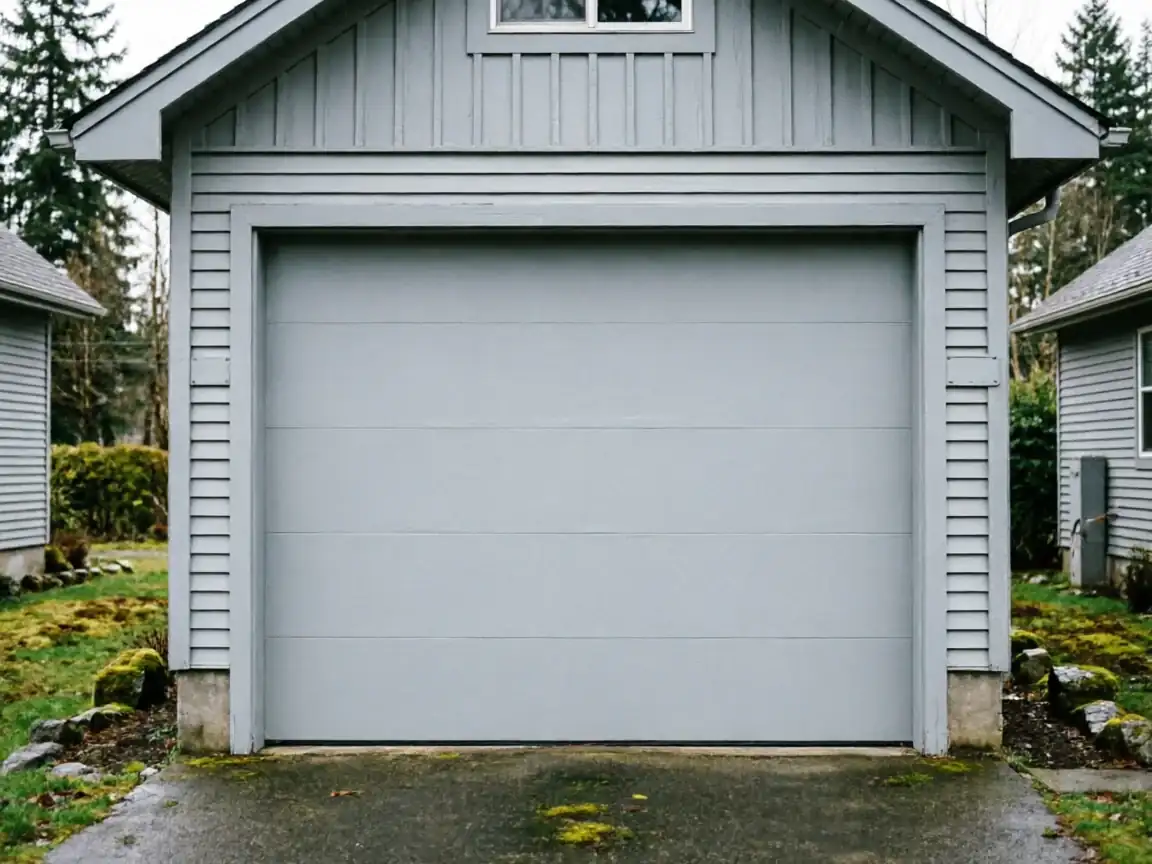
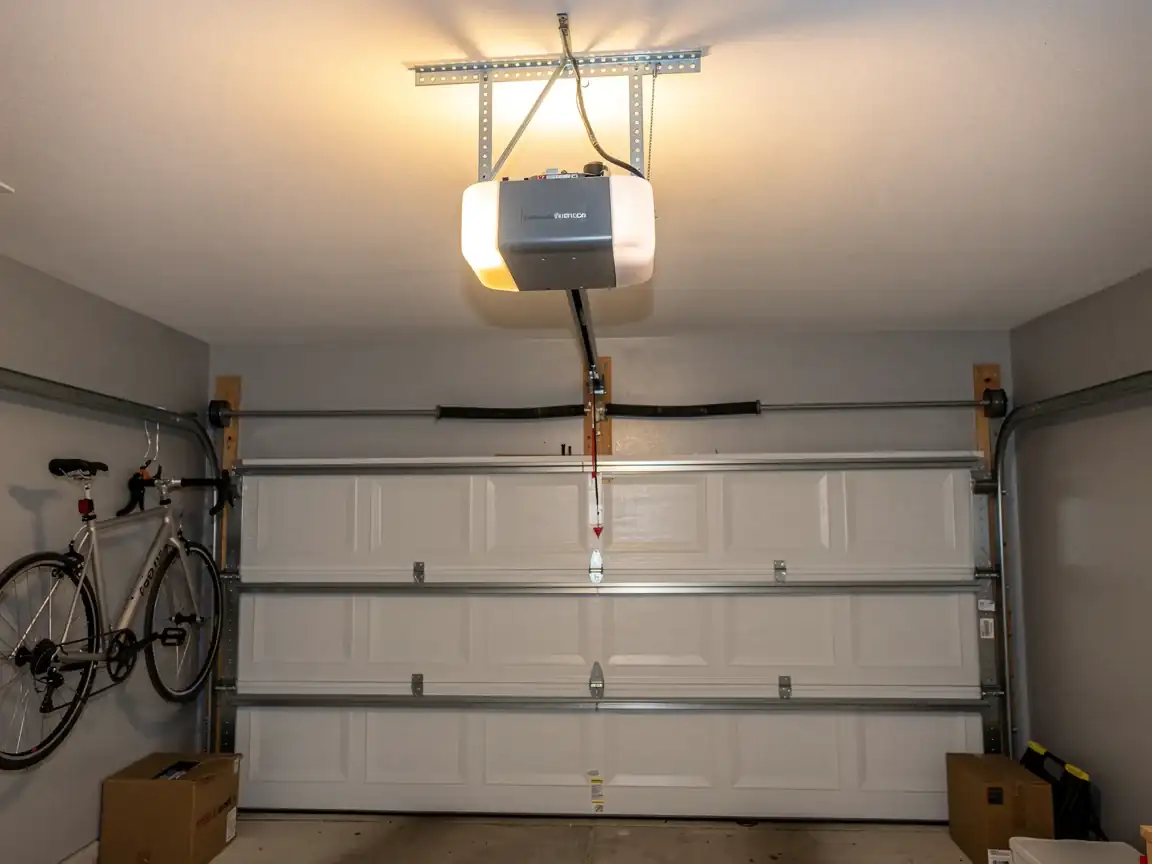
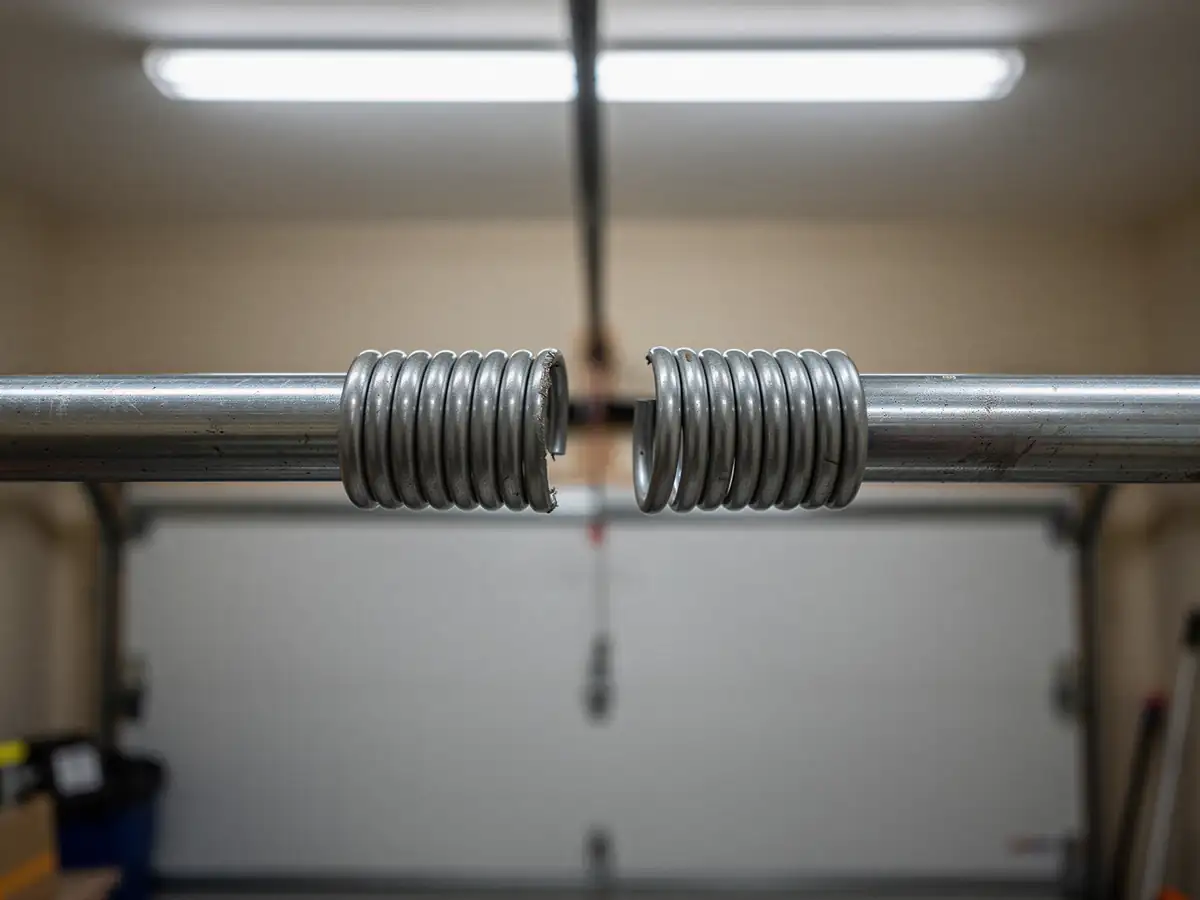
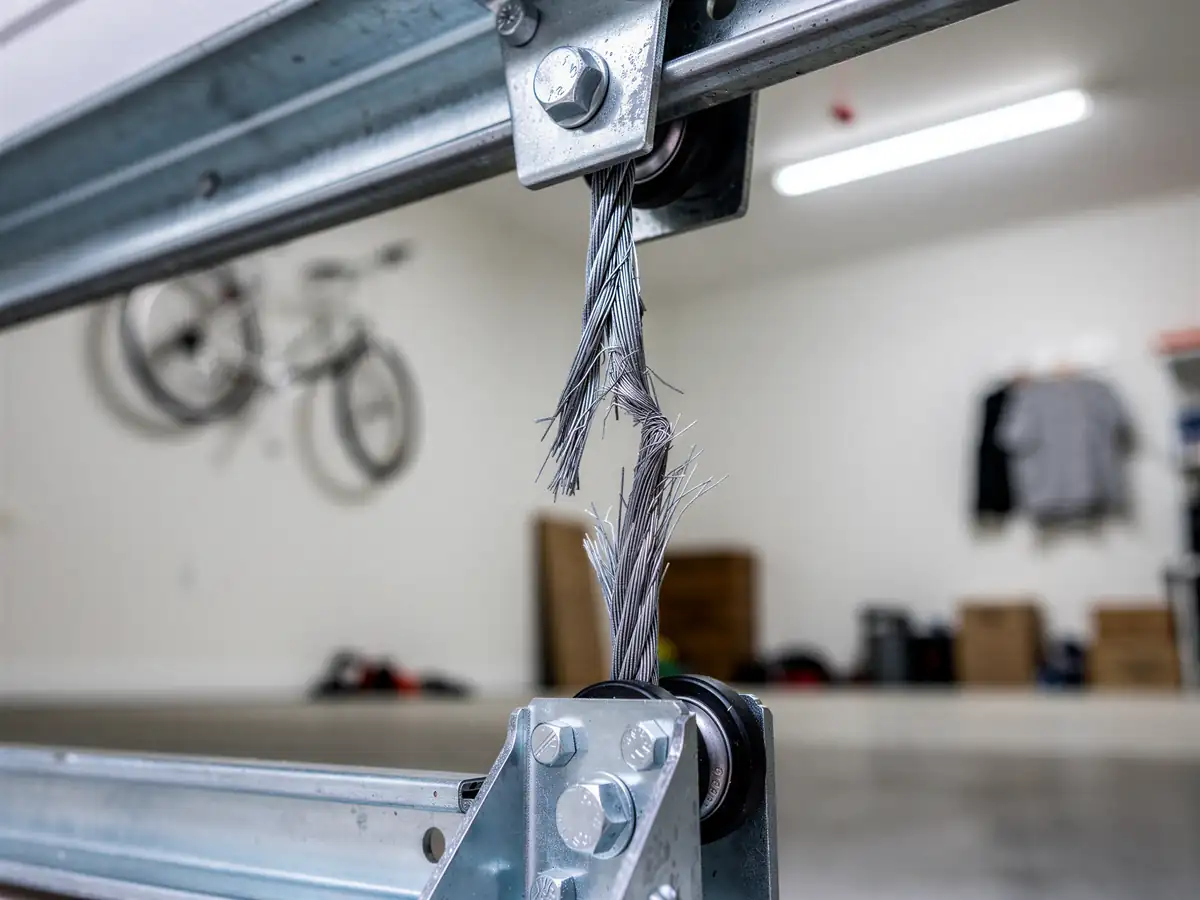
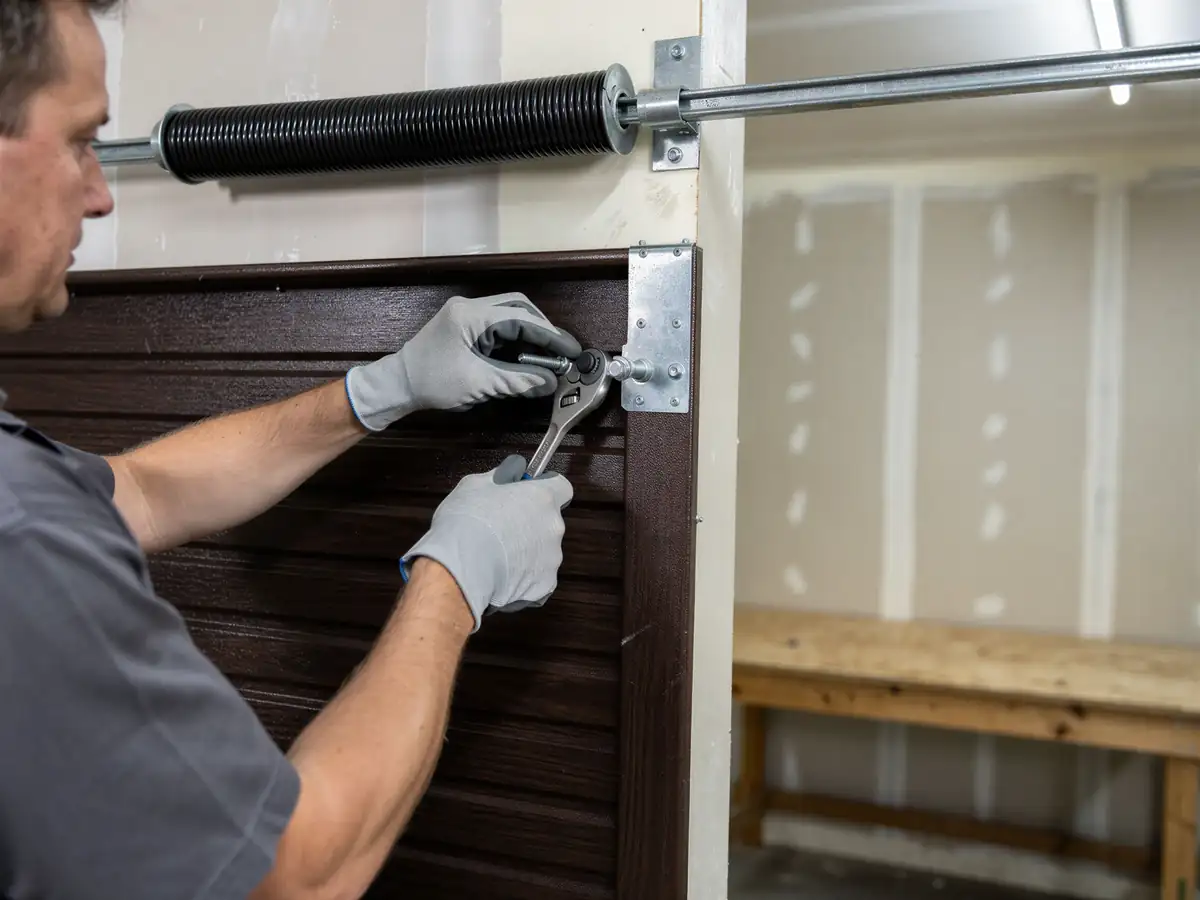
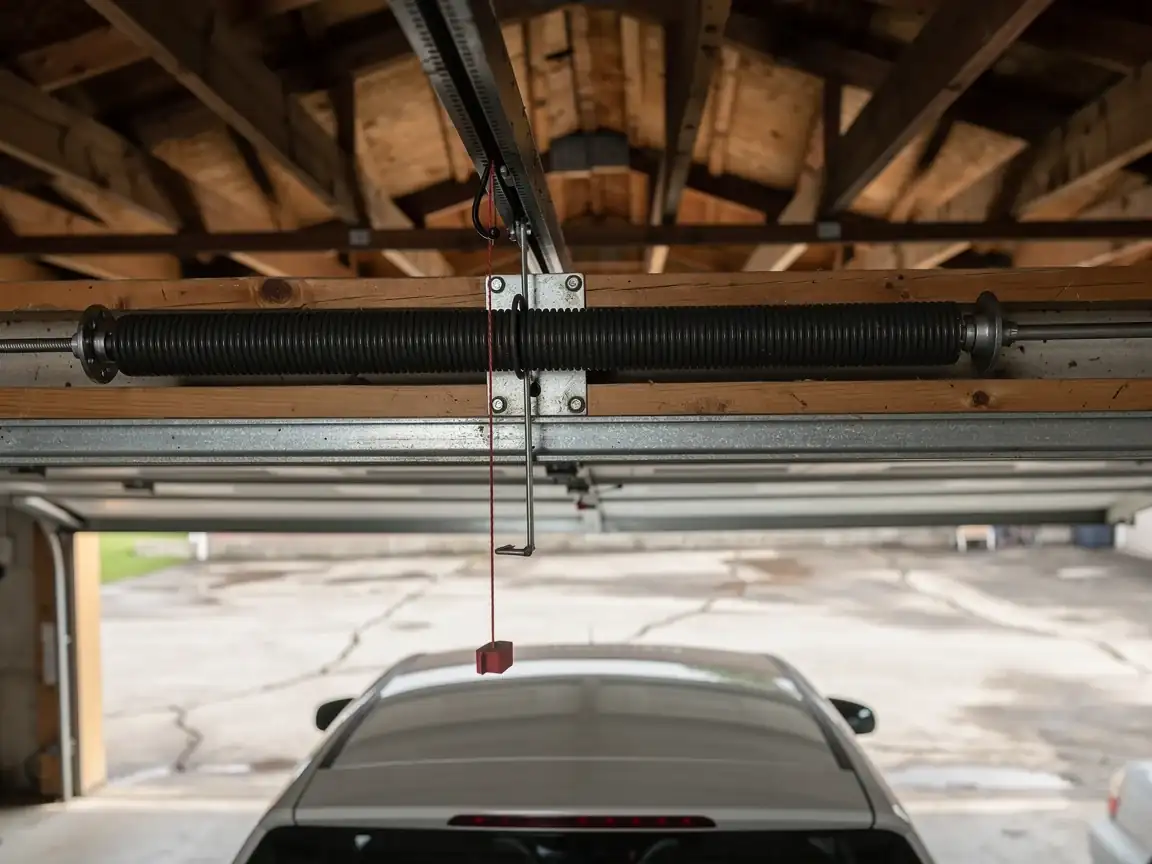
Most of the garage doors on Bainbridge Island went up around 1989. By then steel sectional doors on torsion spring hardware were already the standard, replacing the older one-piece and extension-spring setups you'd find in an earlier neighborhood. That matters for what breaks now: a door from this era is pushing 35 years old, and that's old enough that the original torsion spring has used up its wind cycles even if nobody's touched it since install. You'll hear it first as a grinding roller, a door that slams the last six inches instead of settling, or a opener that strains and chatters before it lifts. Cables on doors this age often show rust bloom at the drum end before they show fraying anywhere visible, which is why a cable that looks fine from the floor can still be close to failing. The climate here runs cold-moderate, which doesn't help steel hardware that's been sitting in a garage for three and a half decades - condensation and temperature swings work on bare metal slower than you'd think, but they don't stop working on it. None of this is damage from a storm or an accident. It's just hardware built to a lifespan, reaching the end of it on schedule.
How Long It Takes
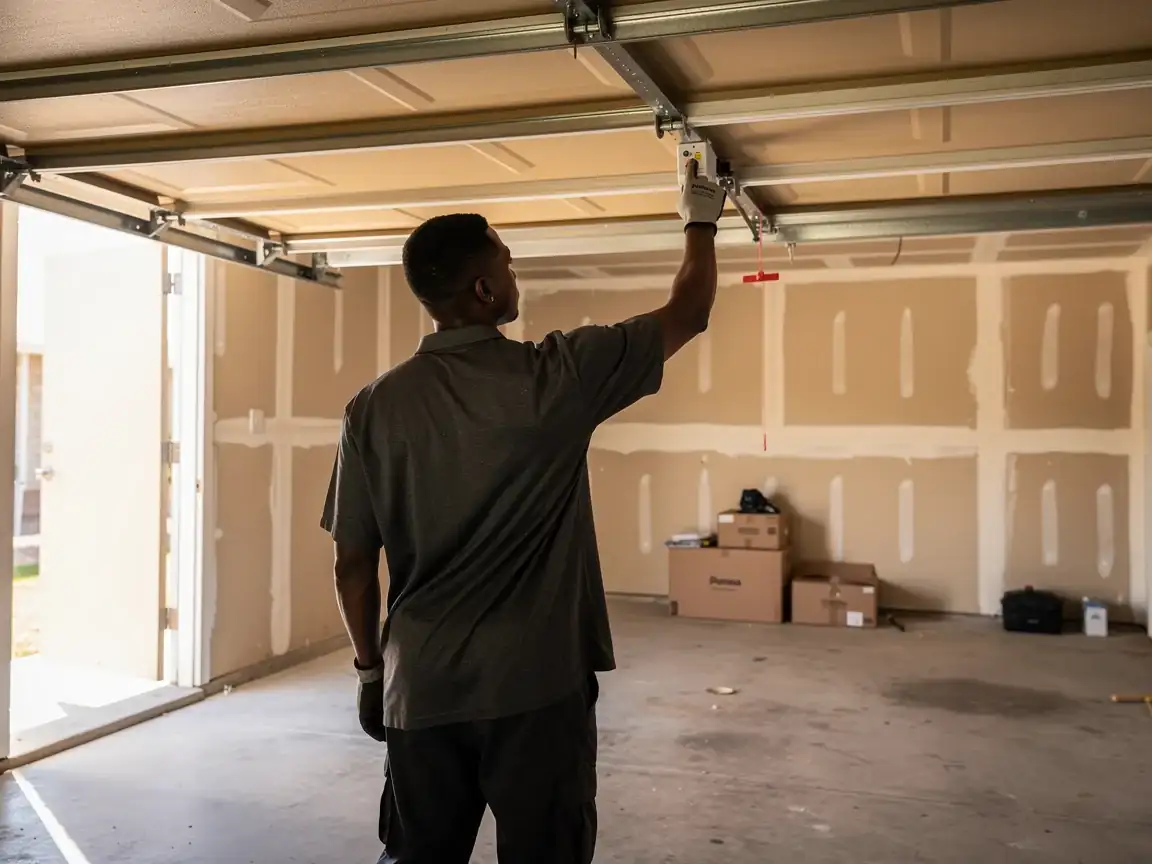
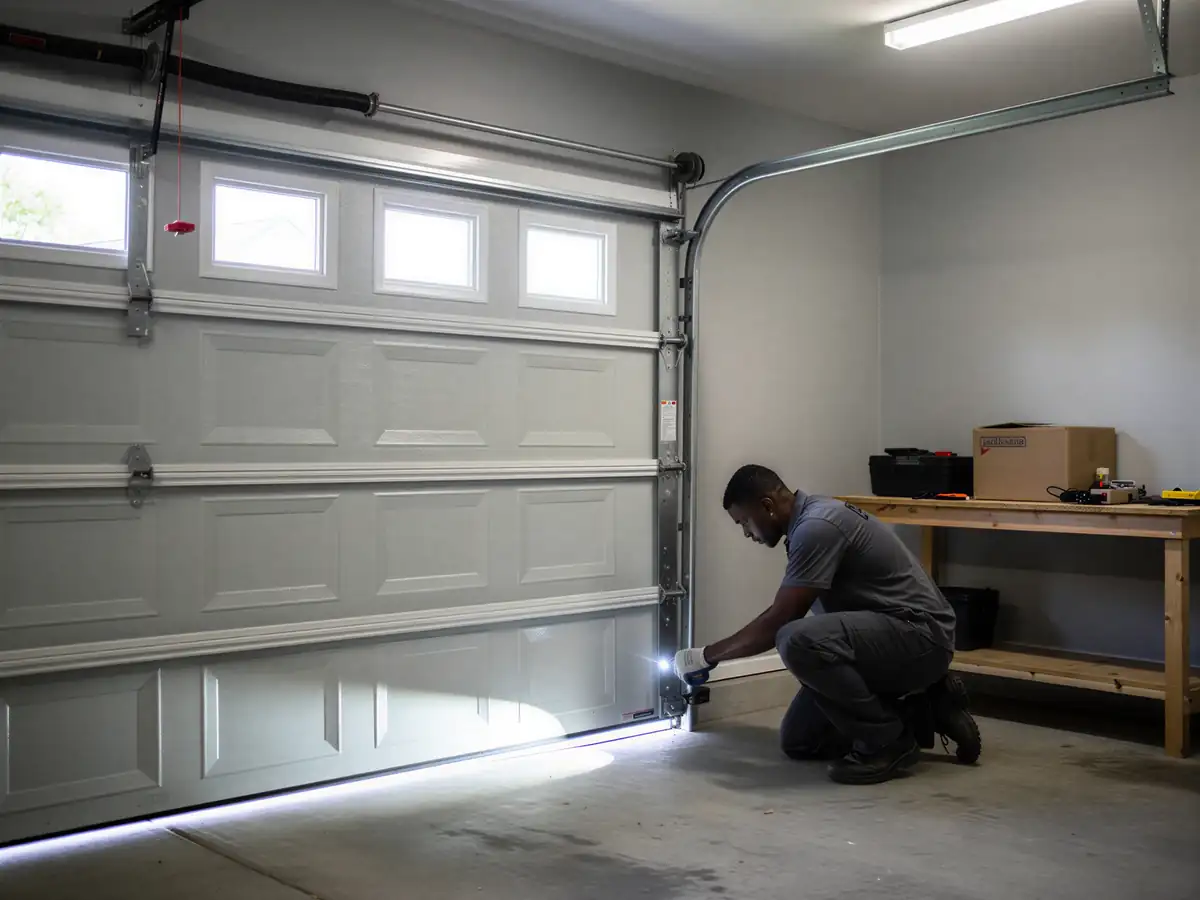
We don't run a branch on Bainbridge Island - the truck comes from Bothell, about 17 miles out, which is one of the longer stops on our route. That distance doesn't change what the repair itself takes once we're on site; a torsion spring swap or a cable replacement is the same job whether it's done five miles from the shop or seventeen. What it does mean is that we're not going to pretend we can turn around and be back in twenty minutes if we forgot a part. We load the truck for what a door from this era typically needs before we leave - springs sized for 1980s-90s sectional doors, standard roller and cable stock - specifically because a second trip across that distance wastes everyone's time. If a job turns up something unusual once the door's open, that's the one case where a return visit makes more sense than guessing at a fix on the spot.
The Cost of This Job
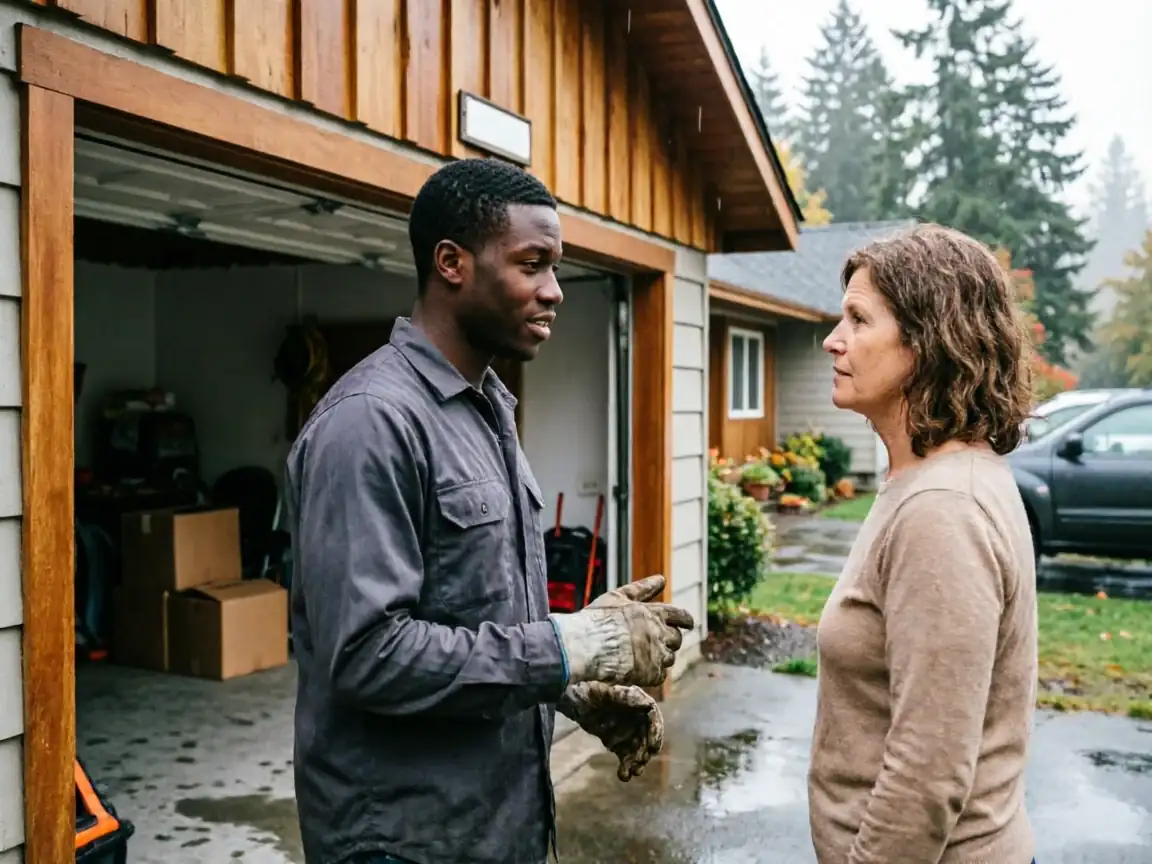
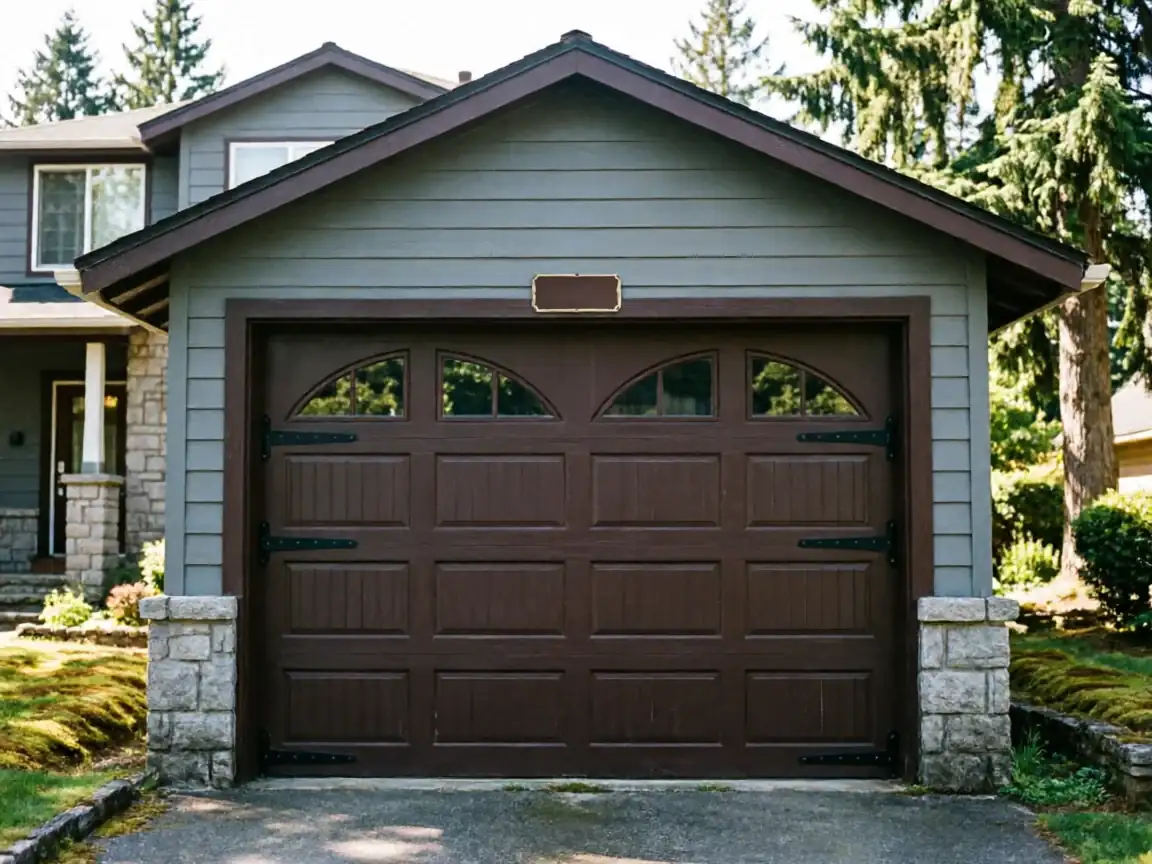
We're not going to put a number on this page that isn't tied to what we've actually quoted, and pricing depends on which part failed and what the opener behind it needs. What we can say: Bainbridge Island sits at a median household income of $159,882, noticeably higher than much of the rest of the territory we cover, and that does shift what's worth fixing versus replacing on an older door. On a cheaper door, a torsion spring repair on 35-year-old hardware is close to throwaway economics - you're patching one worn part on a frame that'll need the next one in a year or two. On the kind of door that's common in a higher-income area like this, the hardware and panels are often worth carrying forward, and a spring and cable job makes more sense than a full teardown. We'll tell you which situation you're in before we start, not after.
Can You Do This Yourself
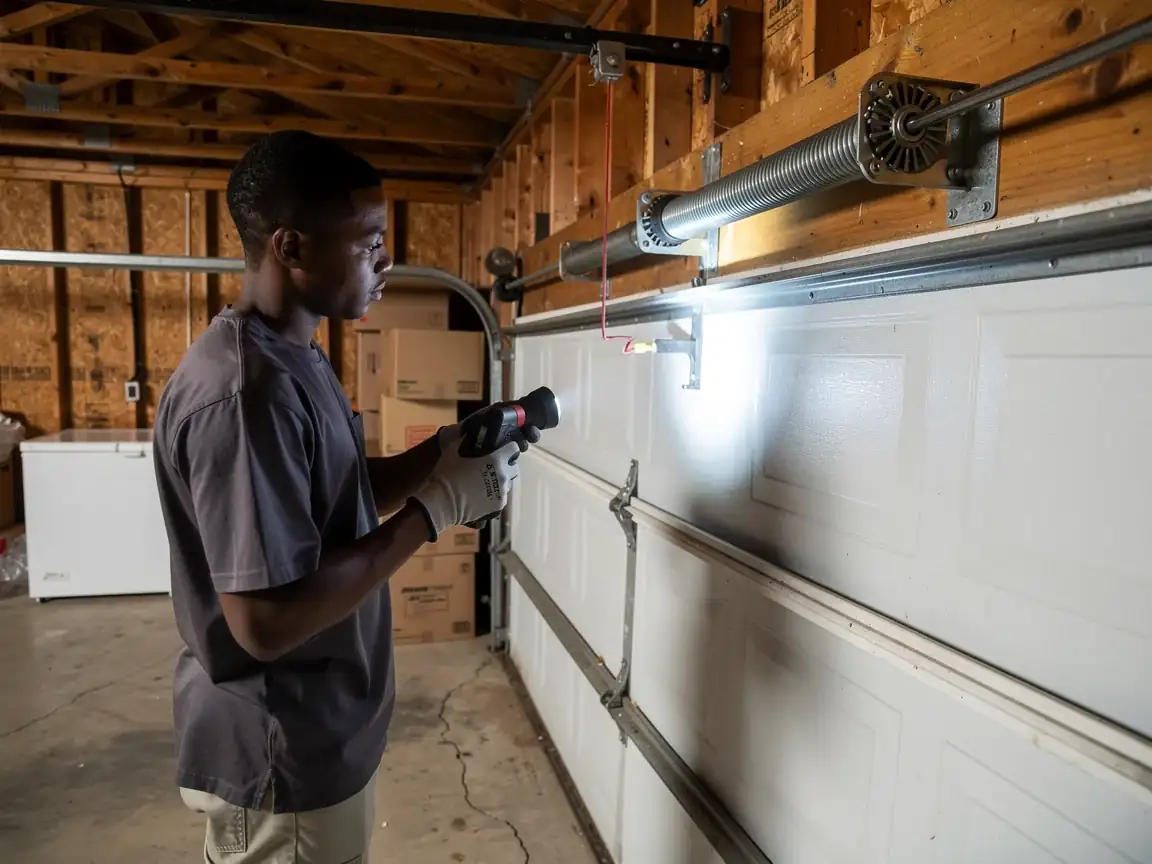
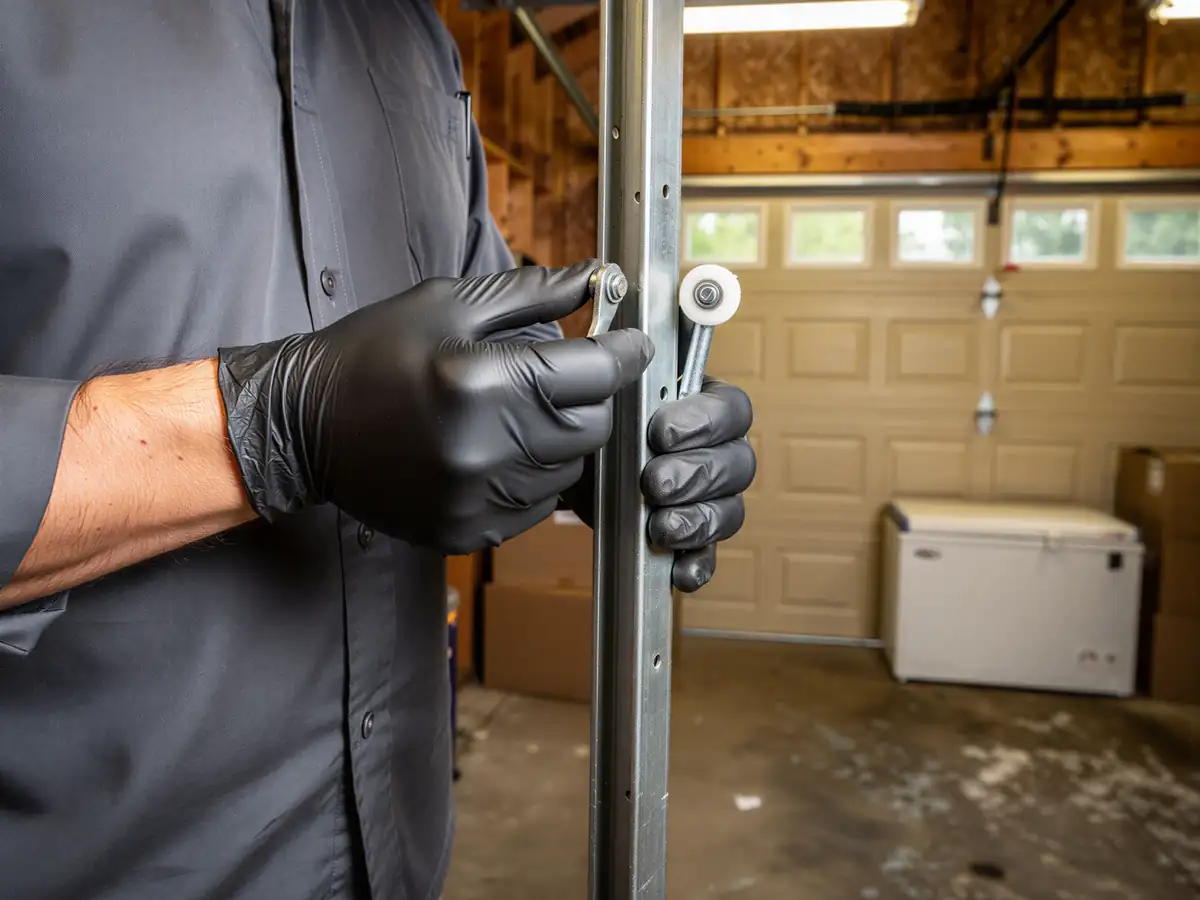
Rollers, weatherstripping, and tightening loose hinge bolts are reasonable DIY territory on a door this age, and there's no reason to call us out for those. A torsion spring is not in that category. It's wound under enough tension to break a wrist or worse if the winding bars slip, and a 1989-era door's spring has had decades to develop fatigue you can't see by looking at it. Cable work carries the same risk - the cable's under load even with the door closed. If your opener is the original chain-drive unit and it's started grinding on startup, that's also a job we'd want to look at before you keep running it, since a seizing motor can strip the gear set and turn a cheap fix into an opener replacement. Anything involving the spring, the cable drums, or the torsion bar itself is worth the drive out.