How It Shows Up
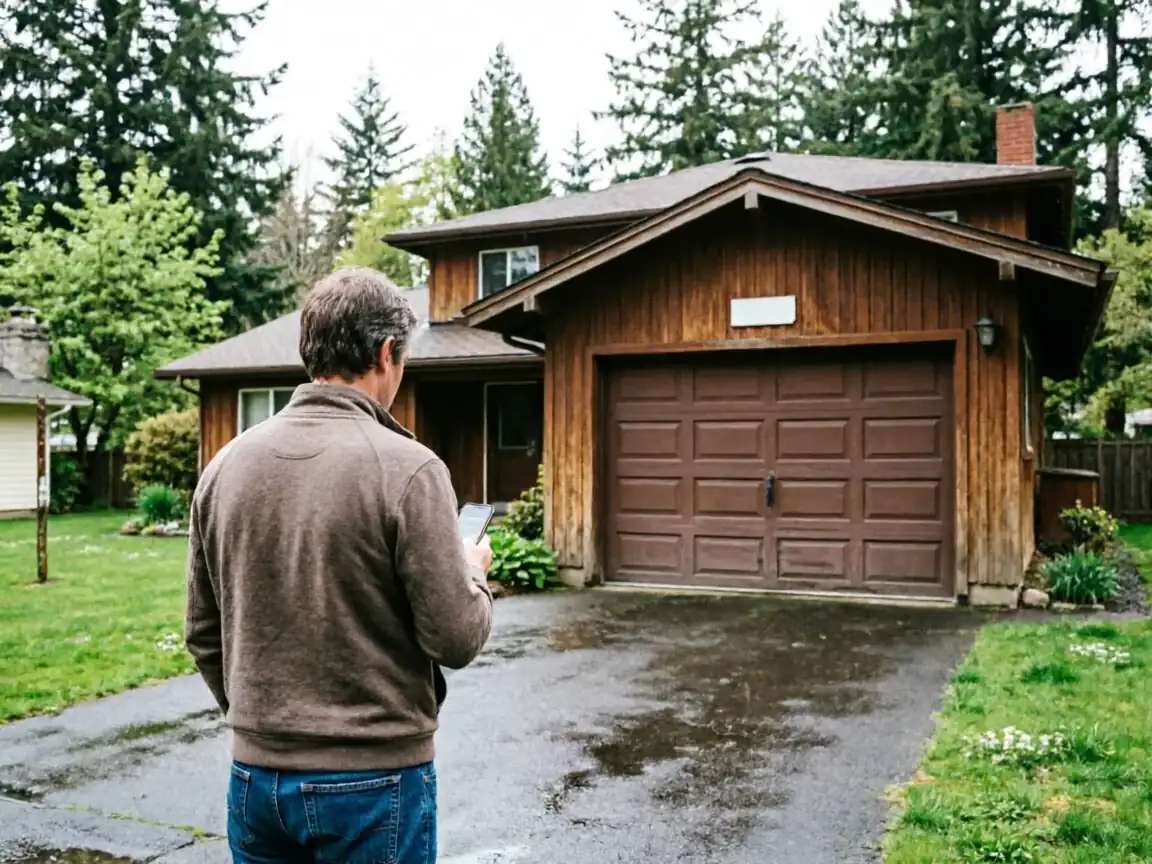
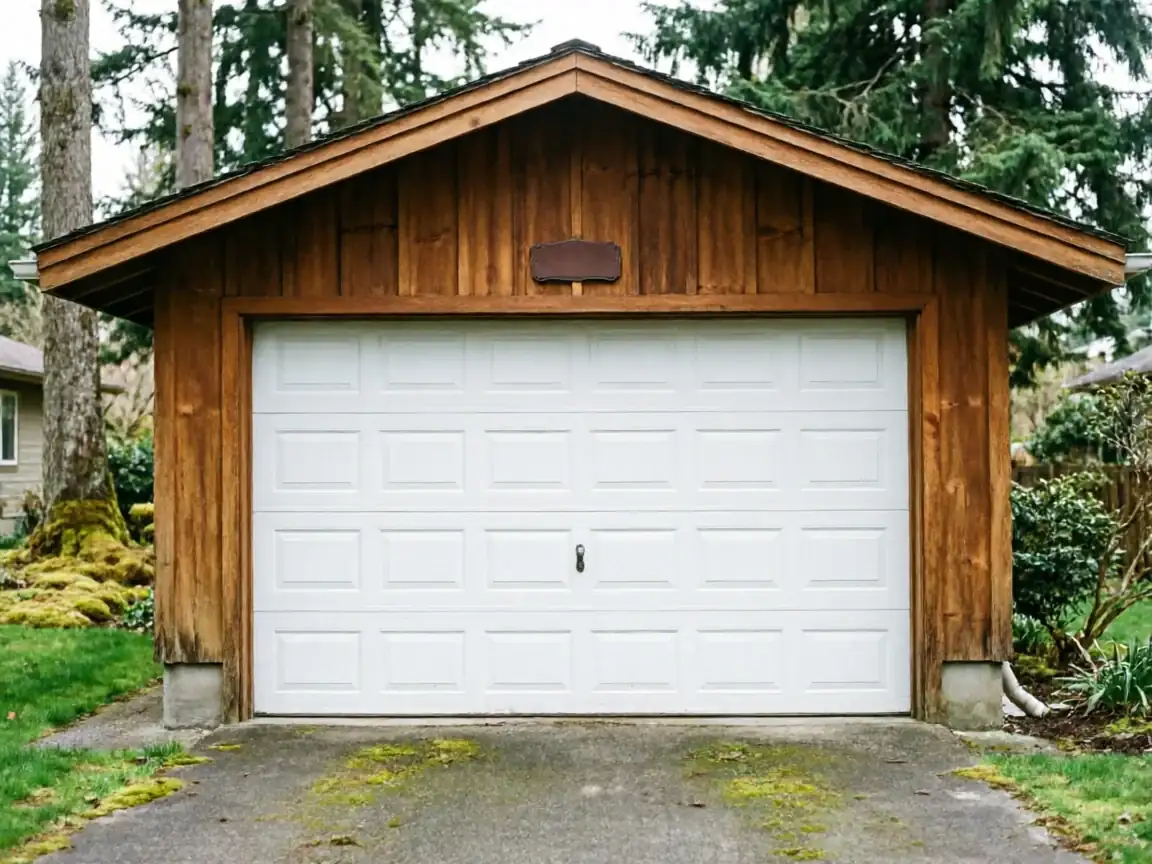
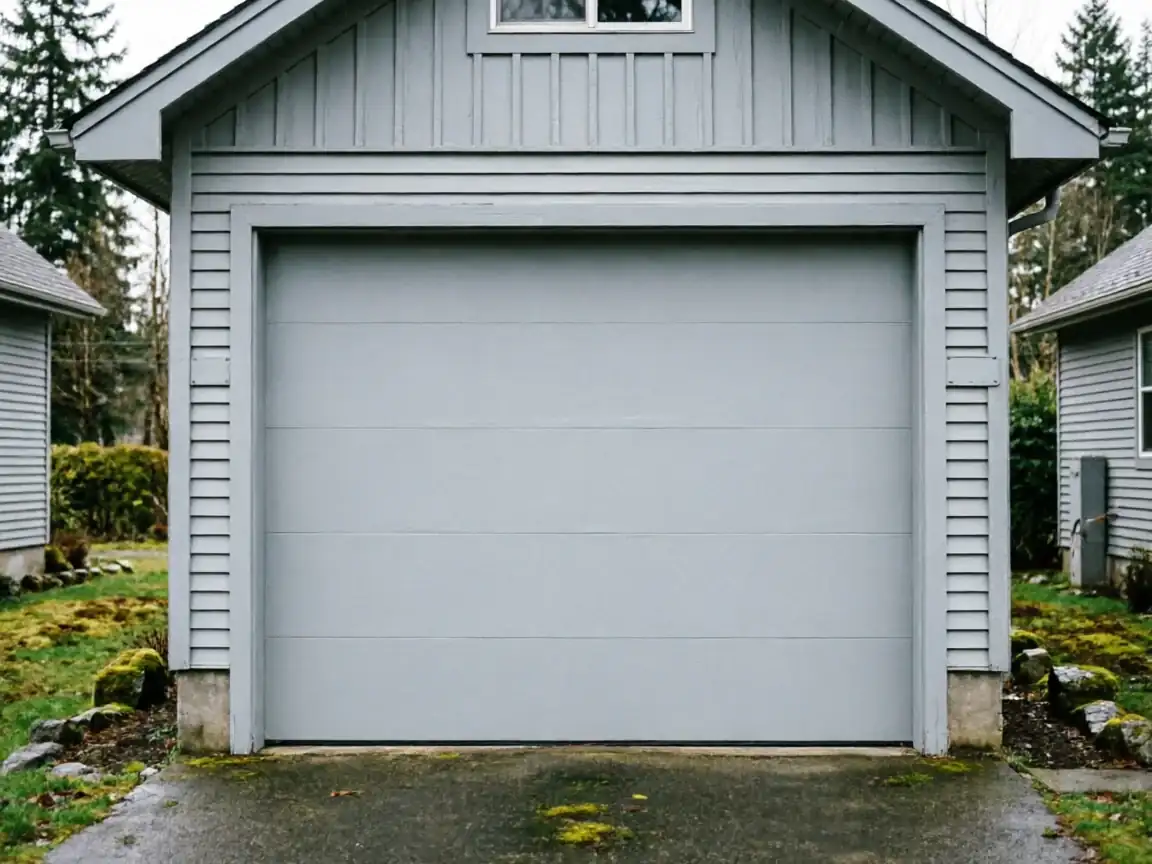
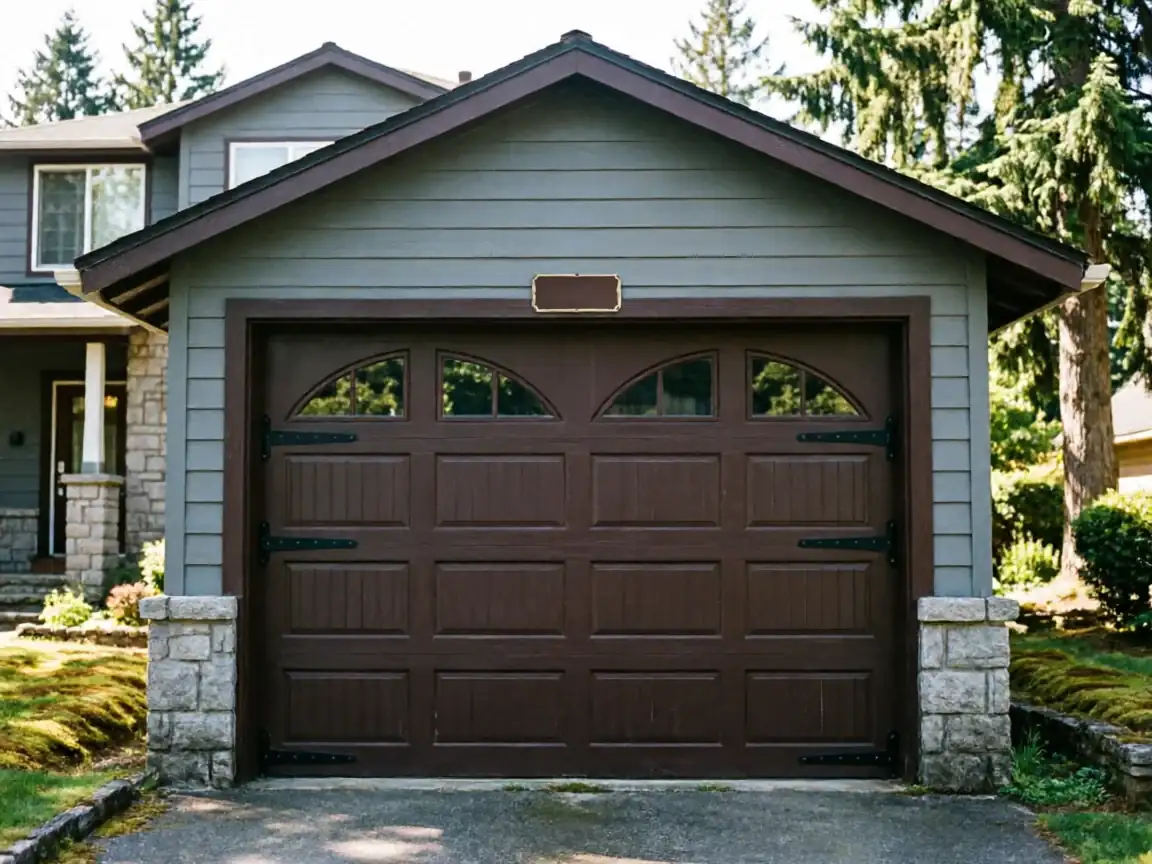
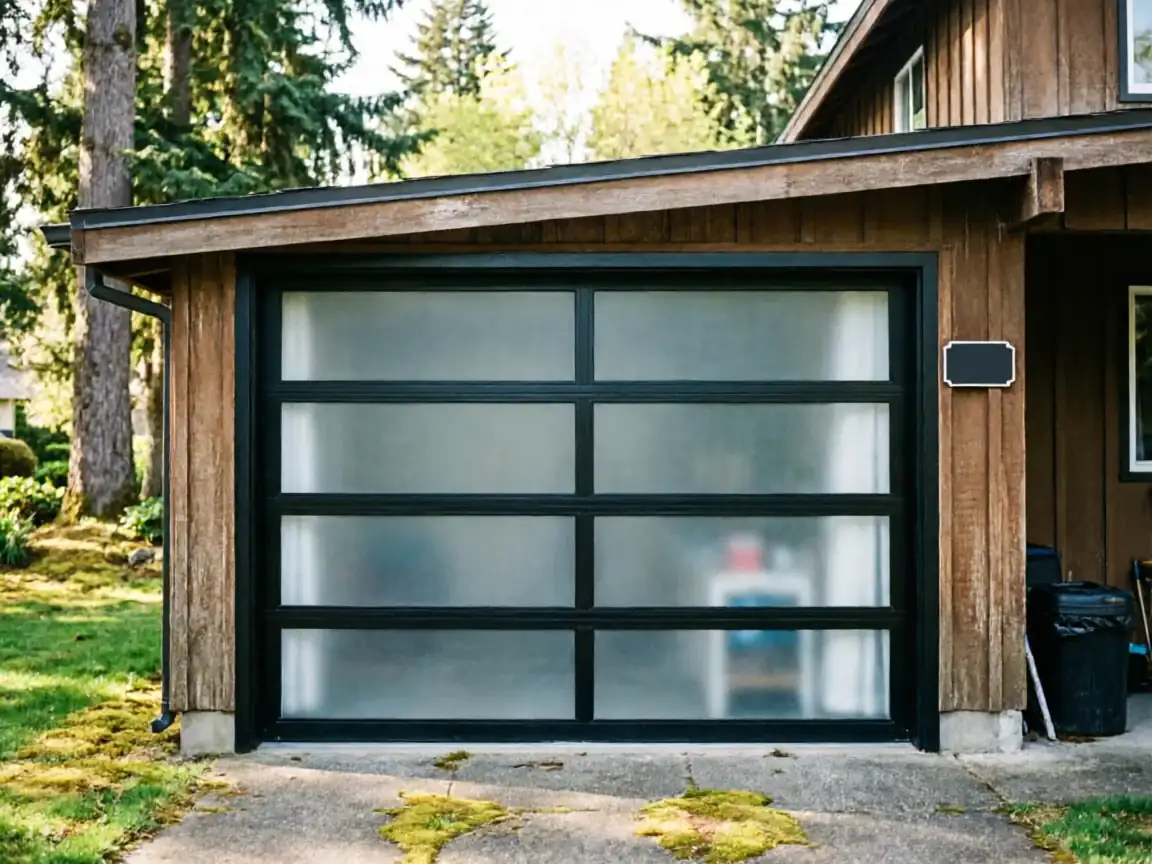
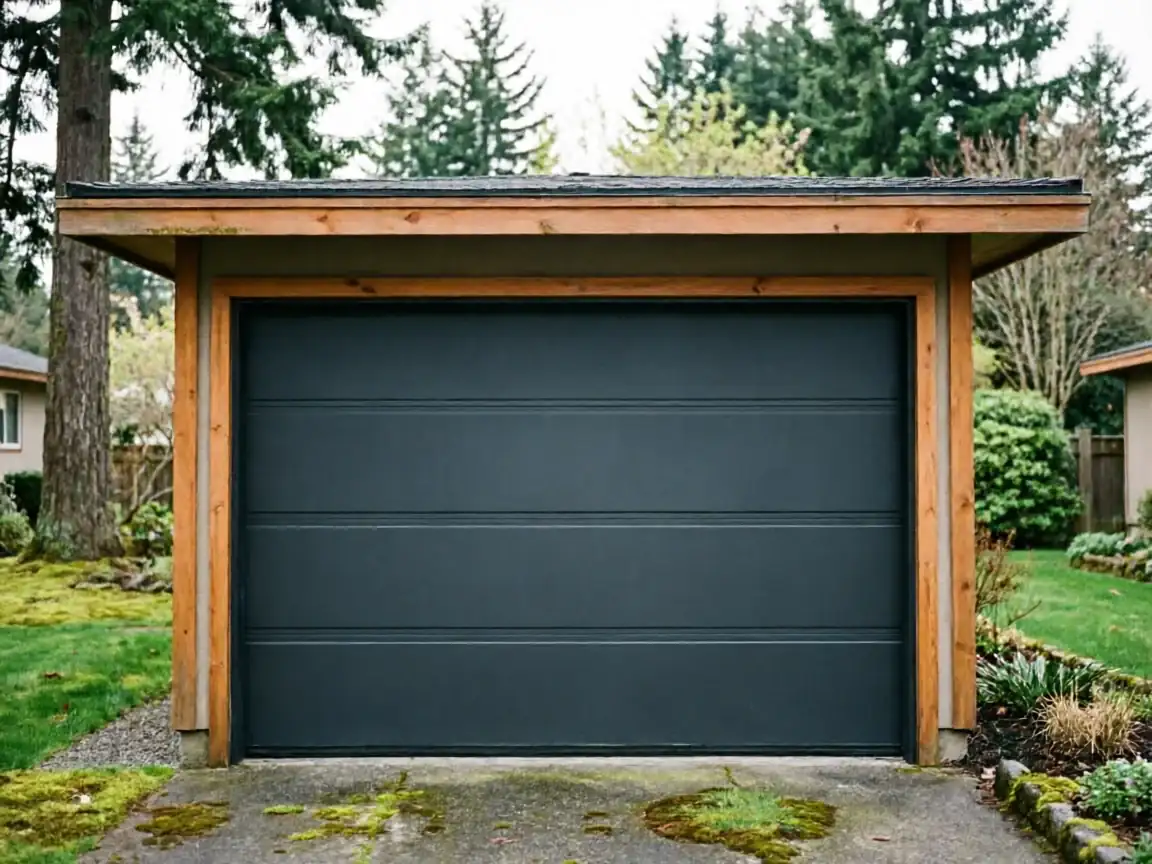
Bainbridge Island's housing stock centers on 1989, which puts it a few years past the median build year for the wider Bothell service area (1985). That gap matters more than it sounds like it should. Doors installed in the late 80s and into the 90s moved away from the thin steel and narrow stile panels common on the earlier houses Bothell crews see closer to home, toward wider sandwich-construction panels with foam cores. When one of those panels takes a hit - a trailer corner, a basketball hoop pole, a plow blade on a shared driveway - the dent or crack usually sits in a panel style that's a step newer than what you'd find on an original-era Bothell door. Cold-moderate winters in this region (same climate band across the service area) also mean the foam core can crack along an old dent line once a hard freeze hits, even if the dent itself looked cosmetic in summer. Owners usually notice it as a section that doesn't sit flush, or a door that binds partway through the cycle because the damaged panel has gone slightly out of square.
How Long It Takes
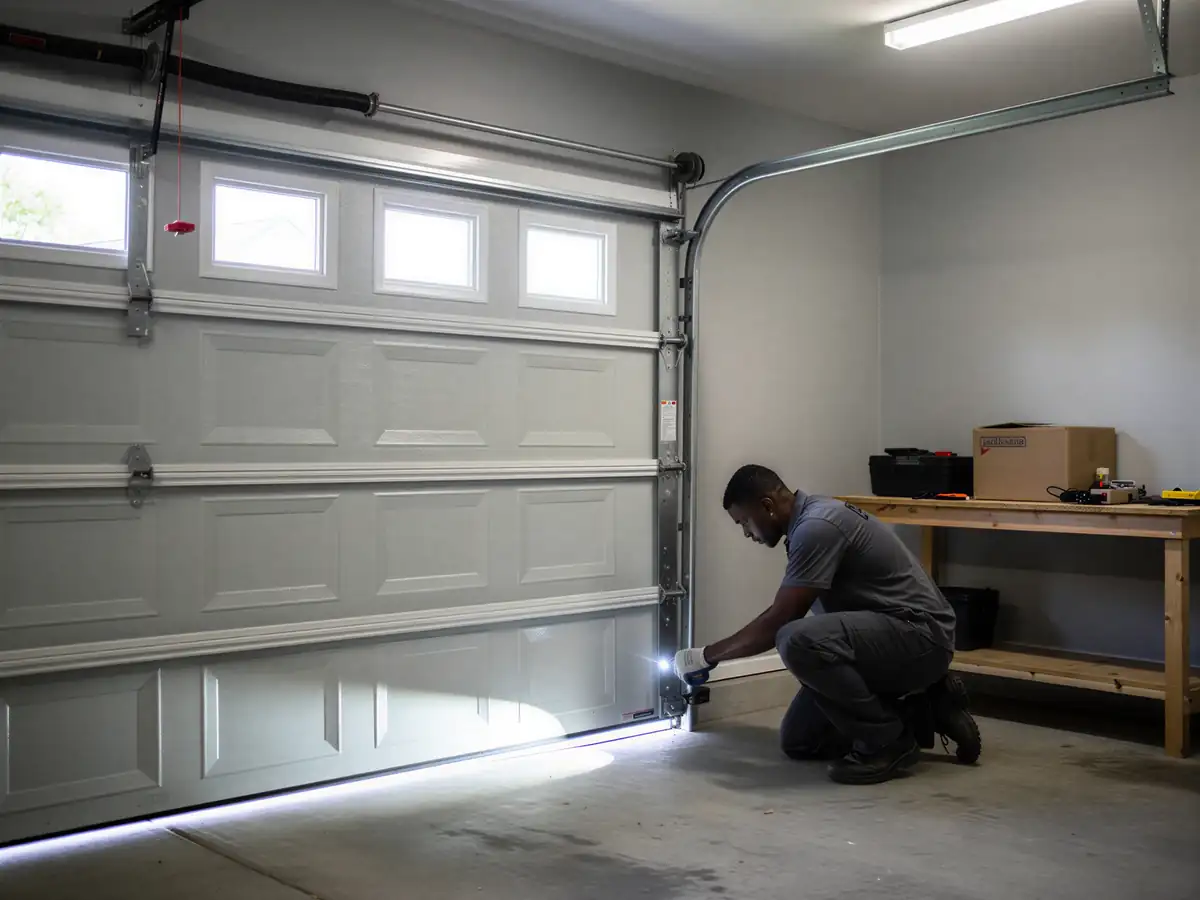
A single-panel swap on a door from this era is usually a one-visit job once the right panel is in hand - the work itself is a few hours, not a day. The variable is sourcing. Because the crew travels 17 miles from Bothell, there's no local stock sitting in a Bainbridge Island yard to pull from; the panel gets matched and brought out on the scheduled visit rather than same-day. If the door's color or rib profile has been discontinued, that adds lead time before the crew ever gets in the truck. We'll tell you up front if a panel needs to be special-ordered rather than promise a date we can't hold.
The Cost of This Job
We don't have a posted price for this job and won't invent one here. What drives the number is whether the panel is a stocked match or a special order, whether the track needs adjustment to true up the section, and whether the opener's travel limits need resetting afterward. None of that is unique to this town, so rather than quote a figure that would be the same guess for any suburb in the service area, we'll give you a real number once we've seen the door or at least a clear photo of the damage and the nameplate.
Can You Do This Yourself
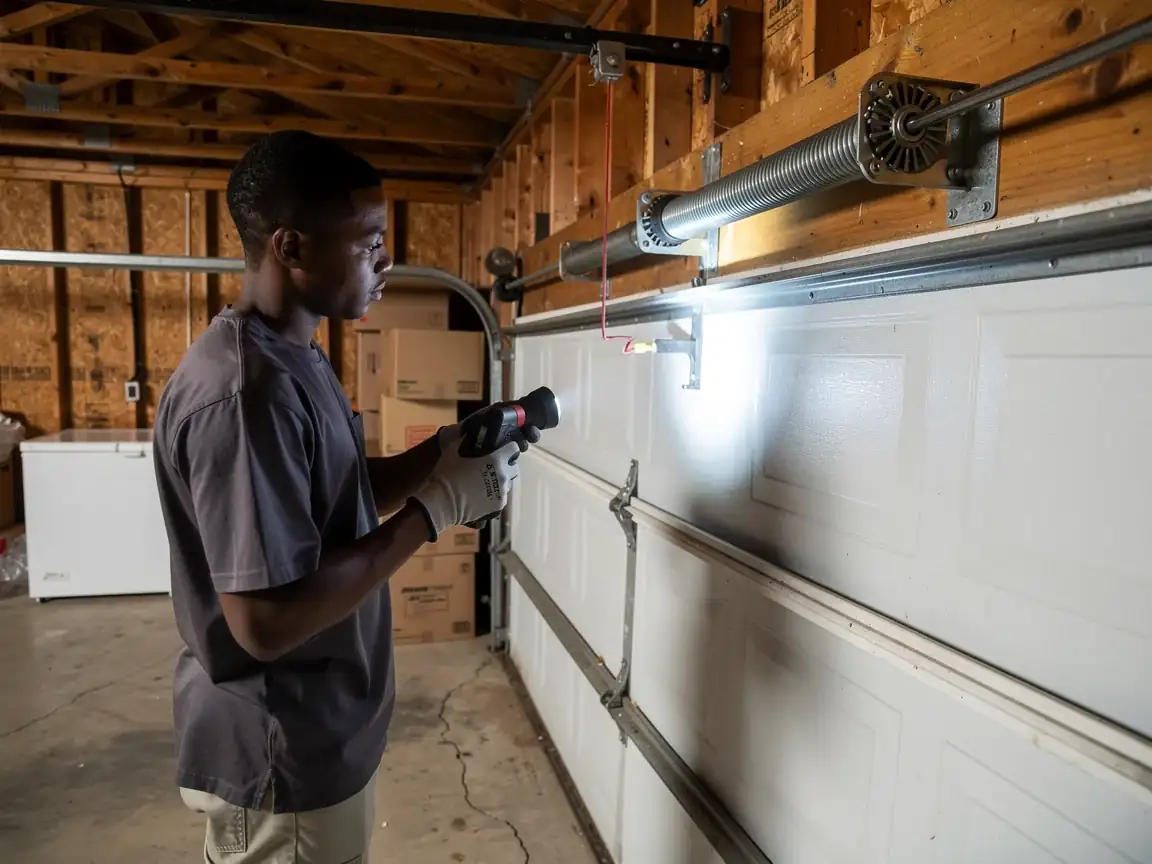
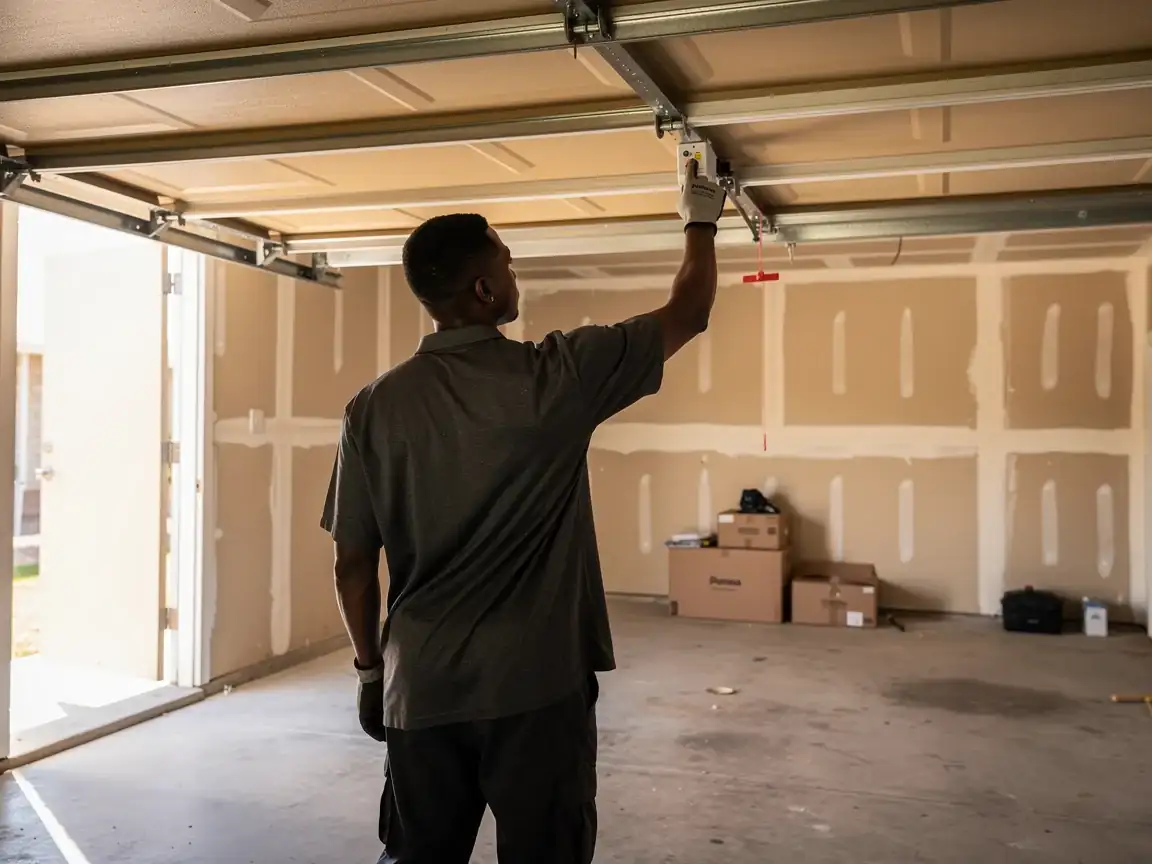
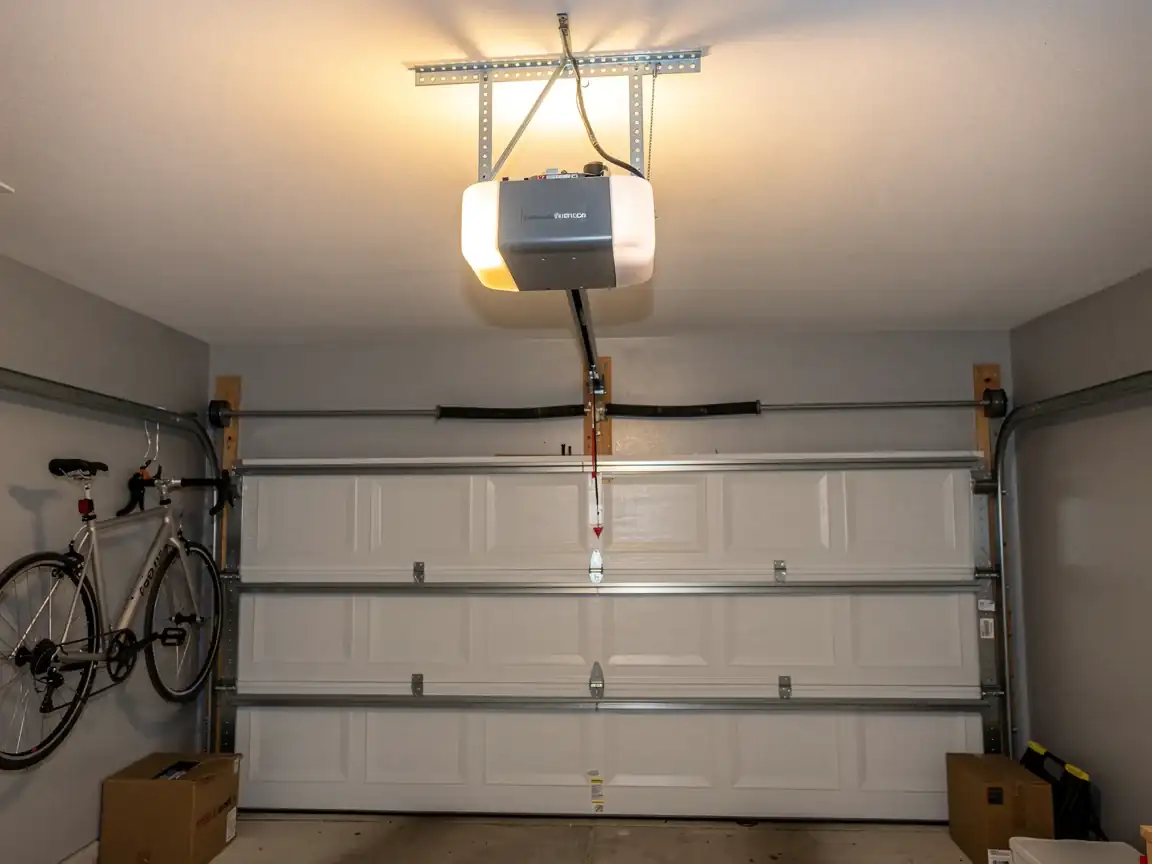
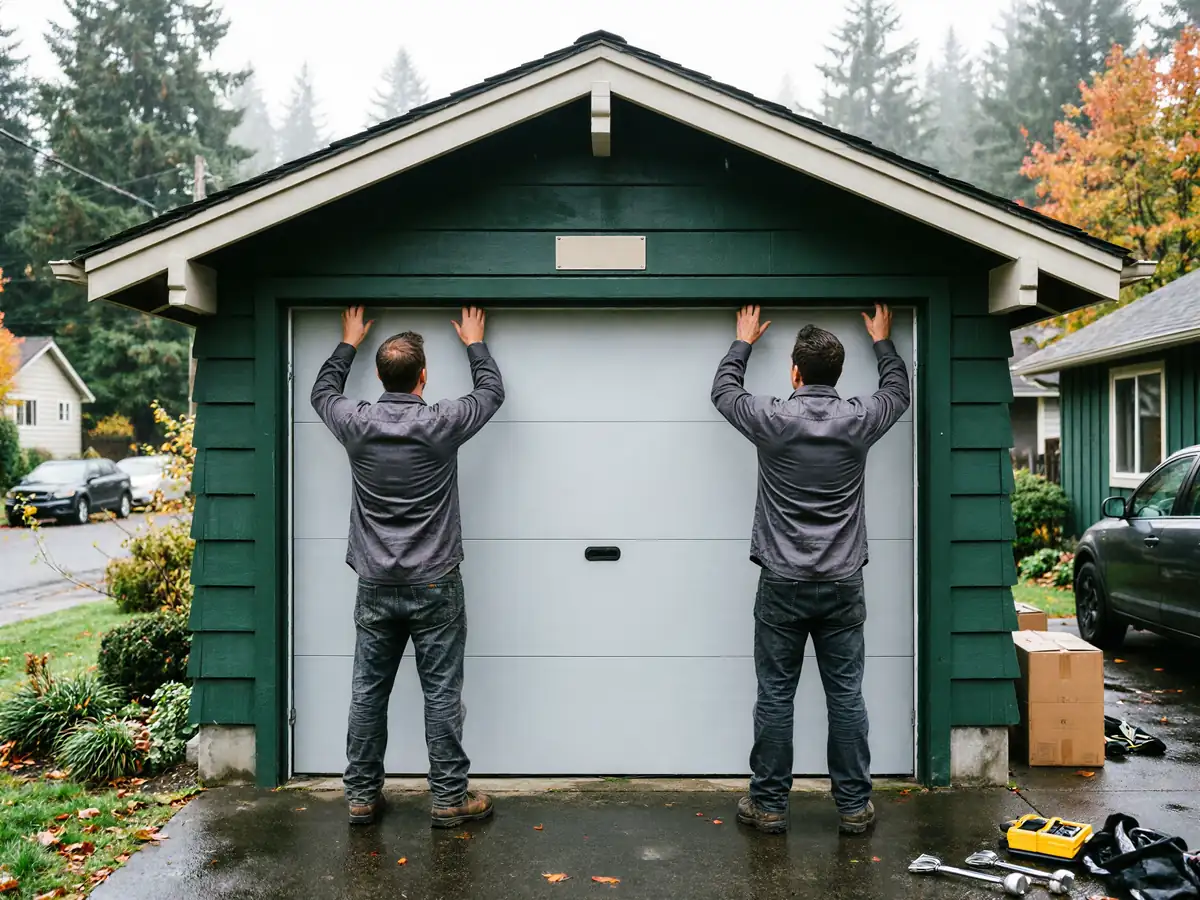
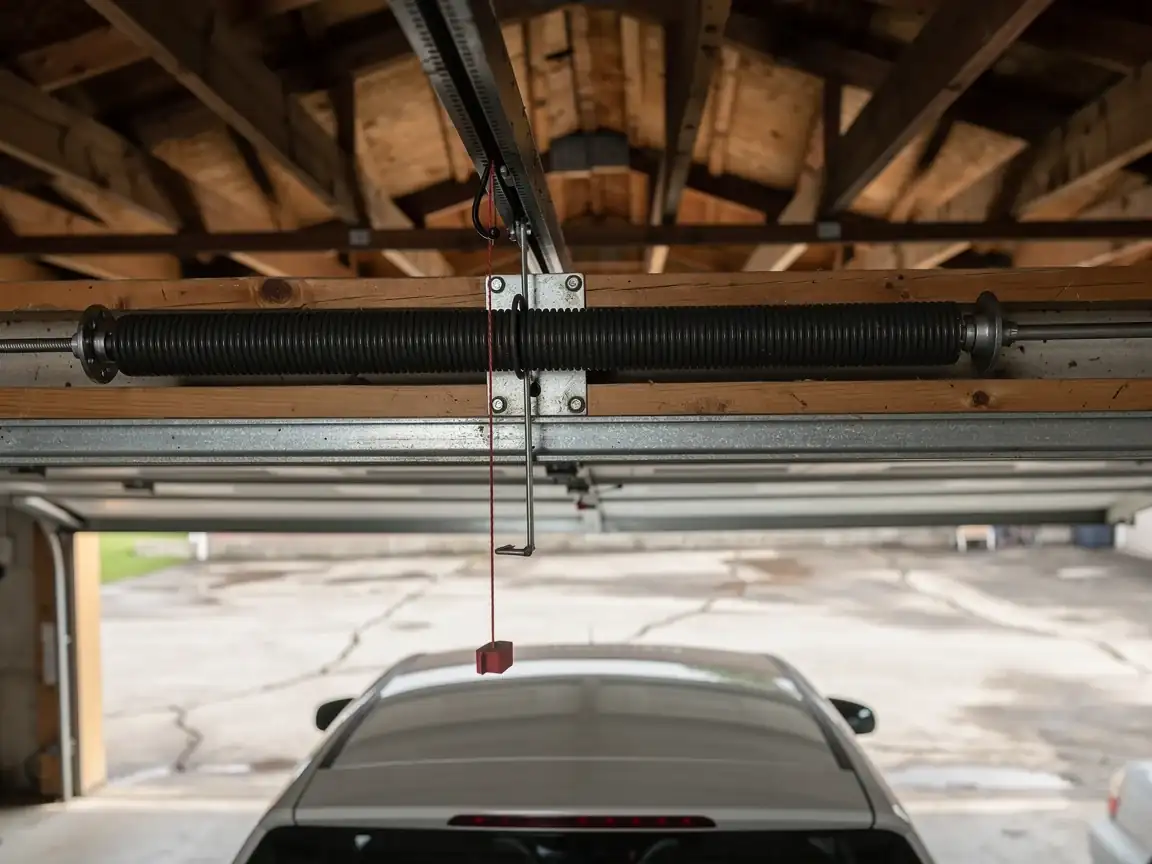
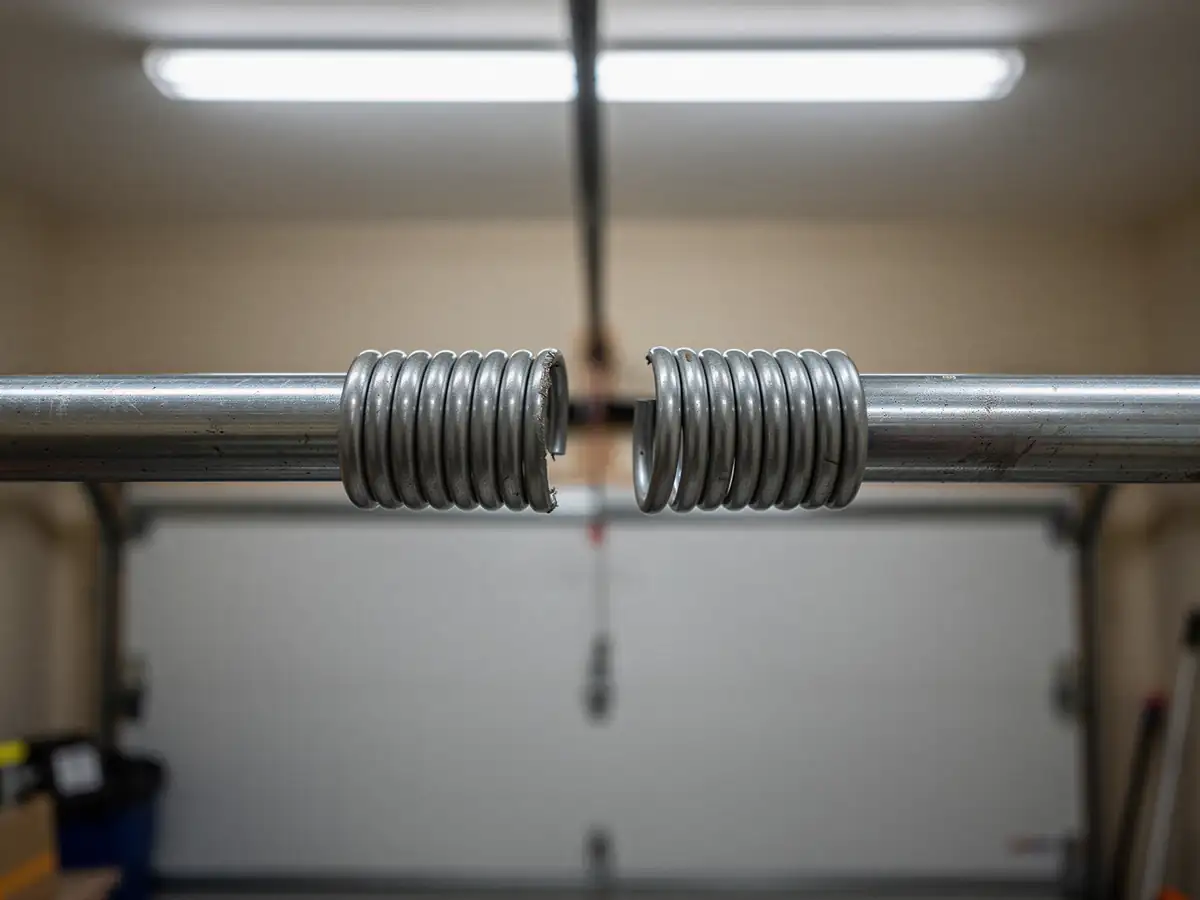
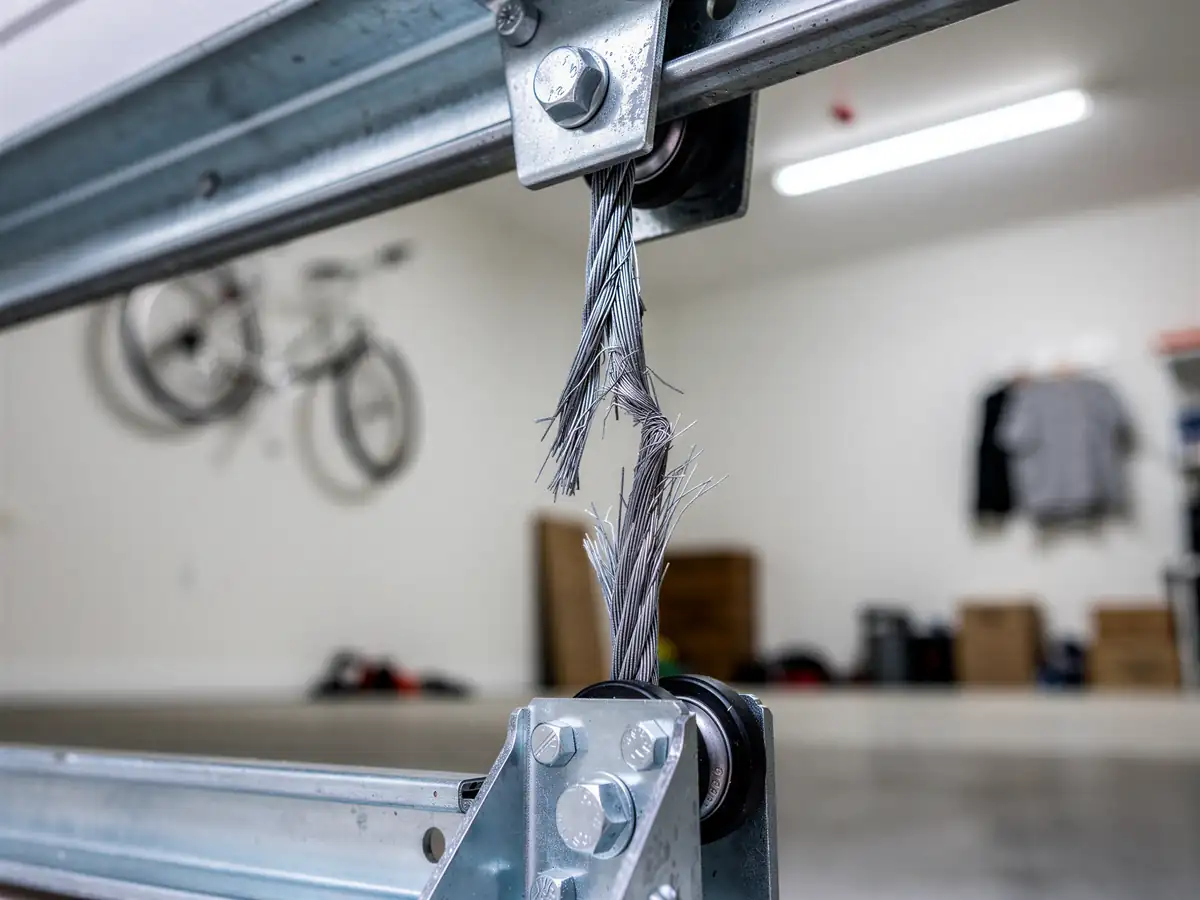
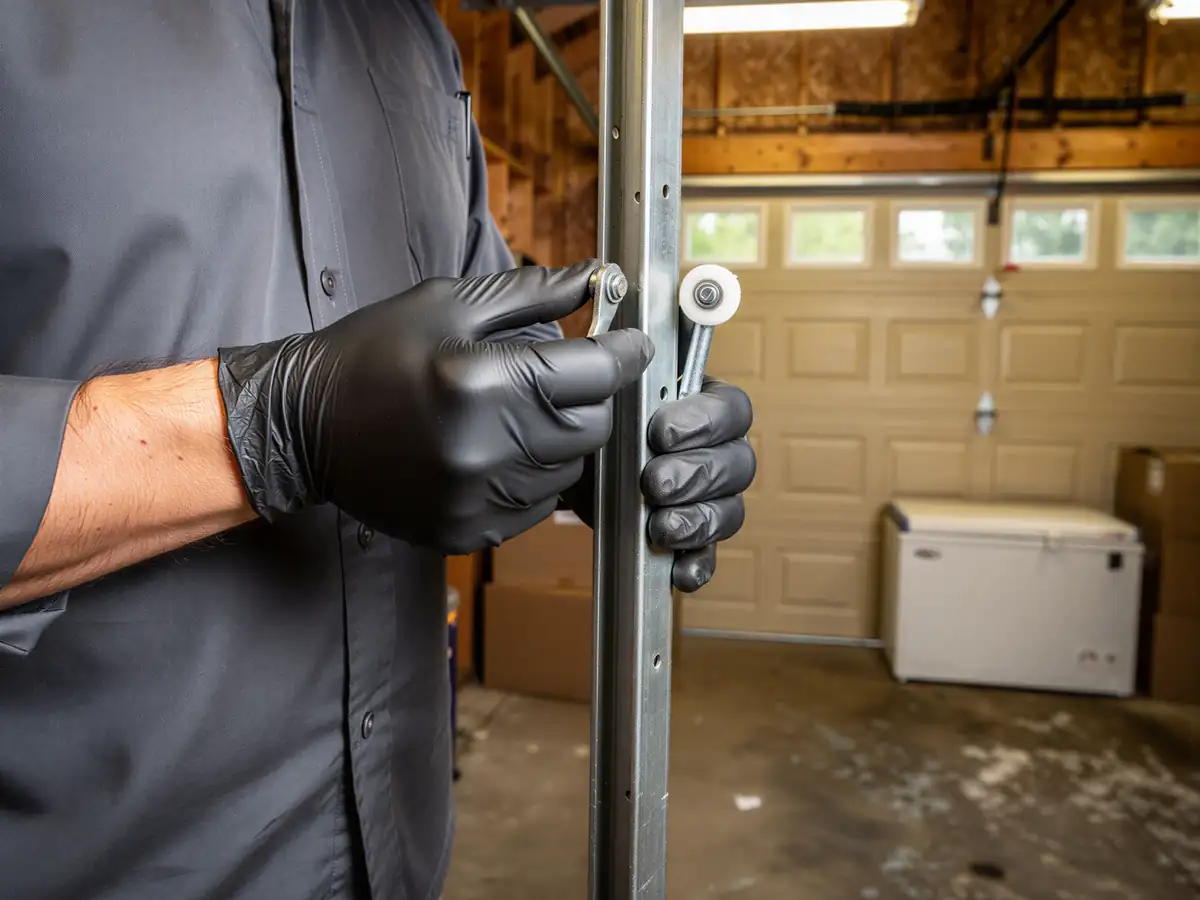
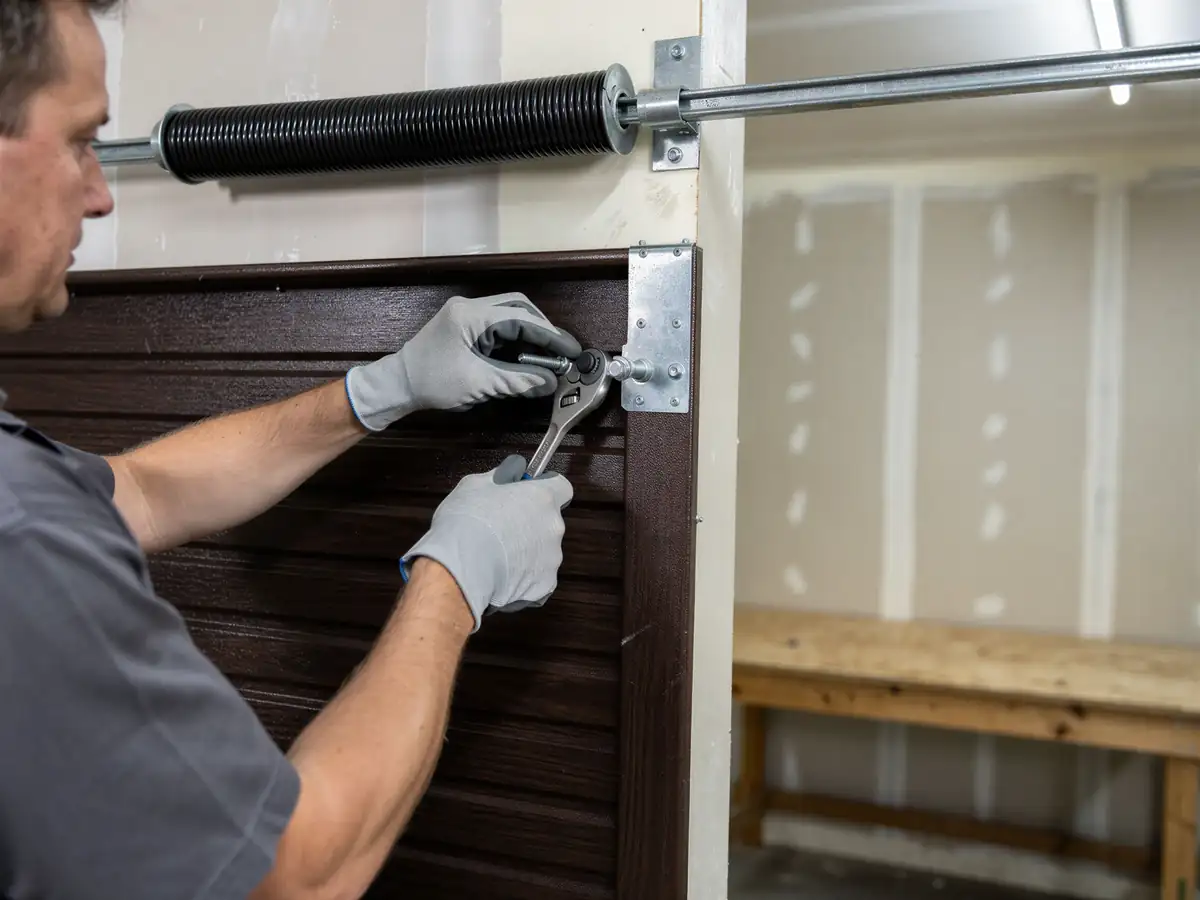
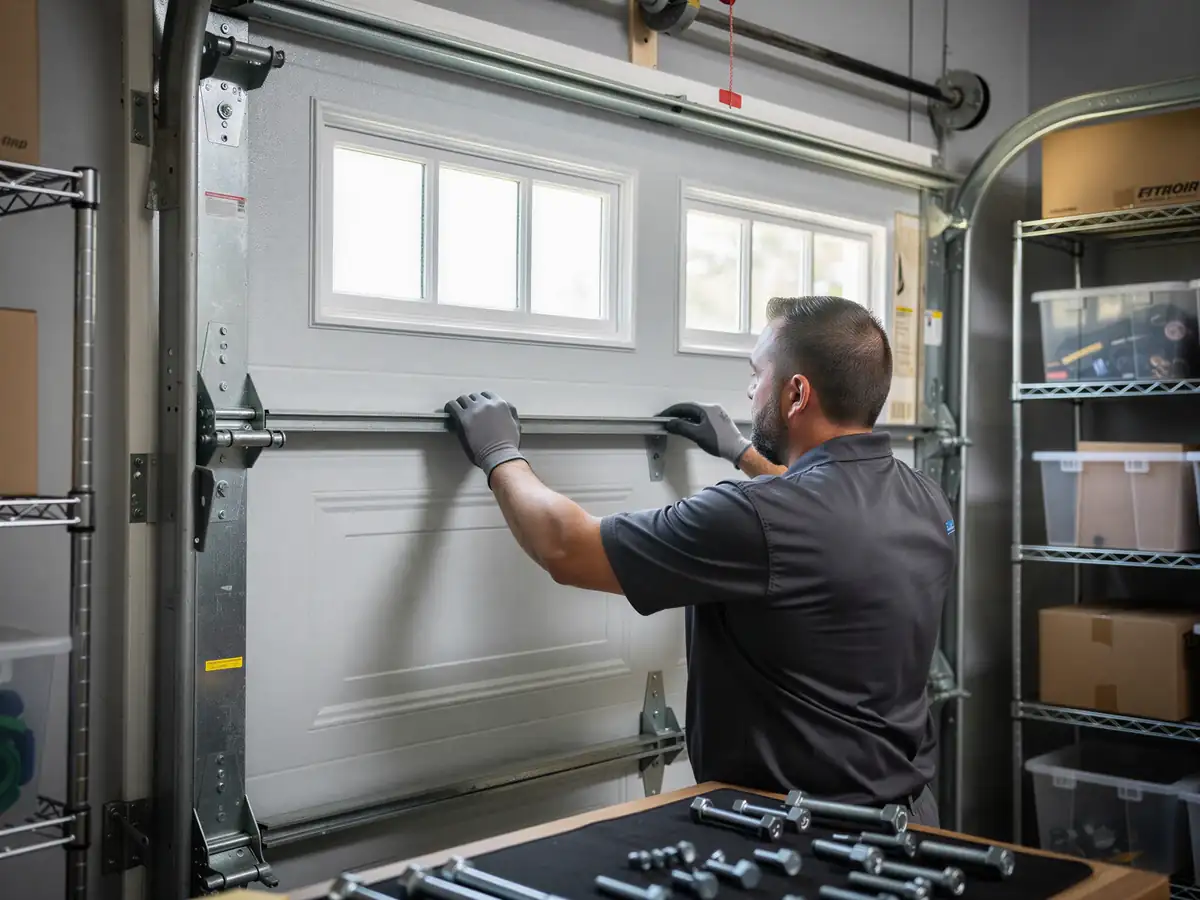
Swapping a single panel sounds like a bolt-off, bolt-on job, and on paper it is - four to eight carriage bolts per seam, depending on the door. The part that trips people up is alignment. A panel that's even slightly out of square at the hinge points will bind the whole door against the track, and on a torsion system that bind can put uneven load on the spring. If you're handy and the door is unplugged from the opener while you work, a single clean panel with no track damage is a reasonable DIY swap. Where we'd tell you to stop and call: if the panel took the hit on a corner near the bottom roller bracket, or if the door is already sagging - that's often a track or hinge problem hiding behind what looks like a panel problem, and fixing the panel alone won't fix the door.