How It Shows Up
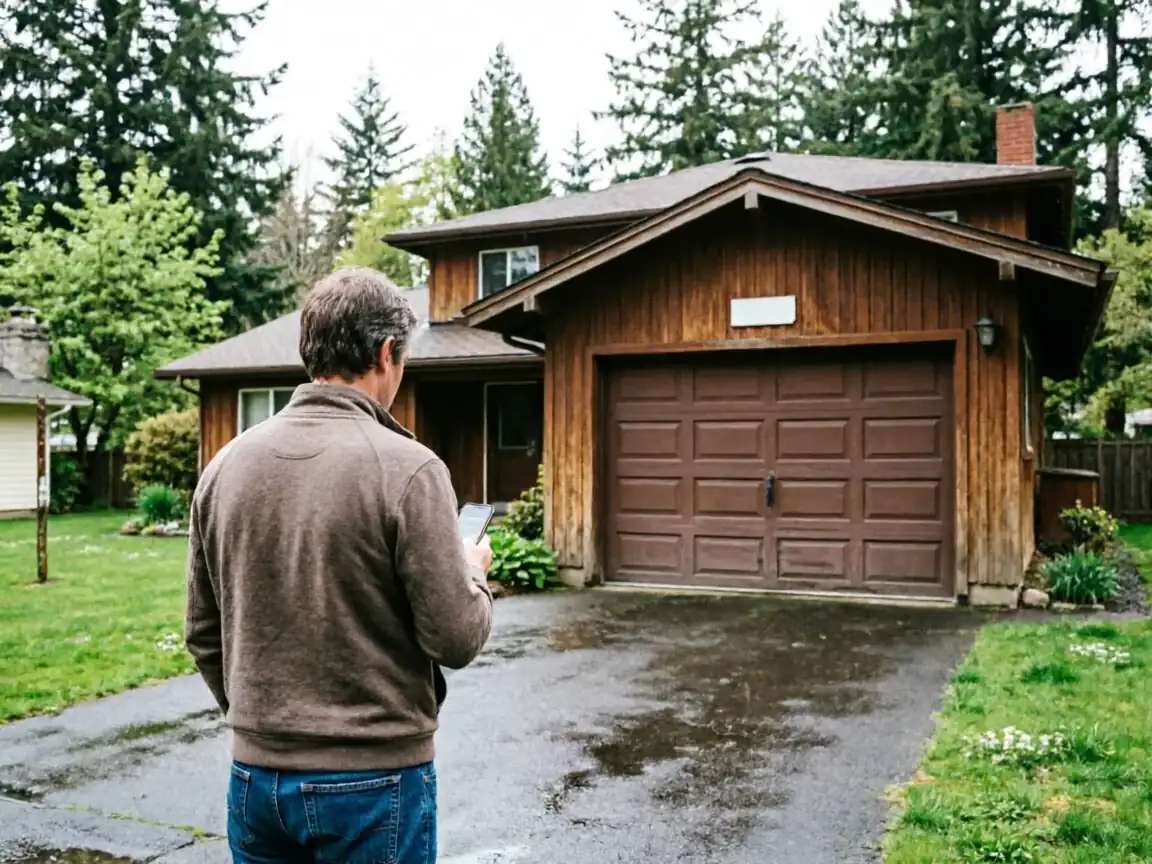
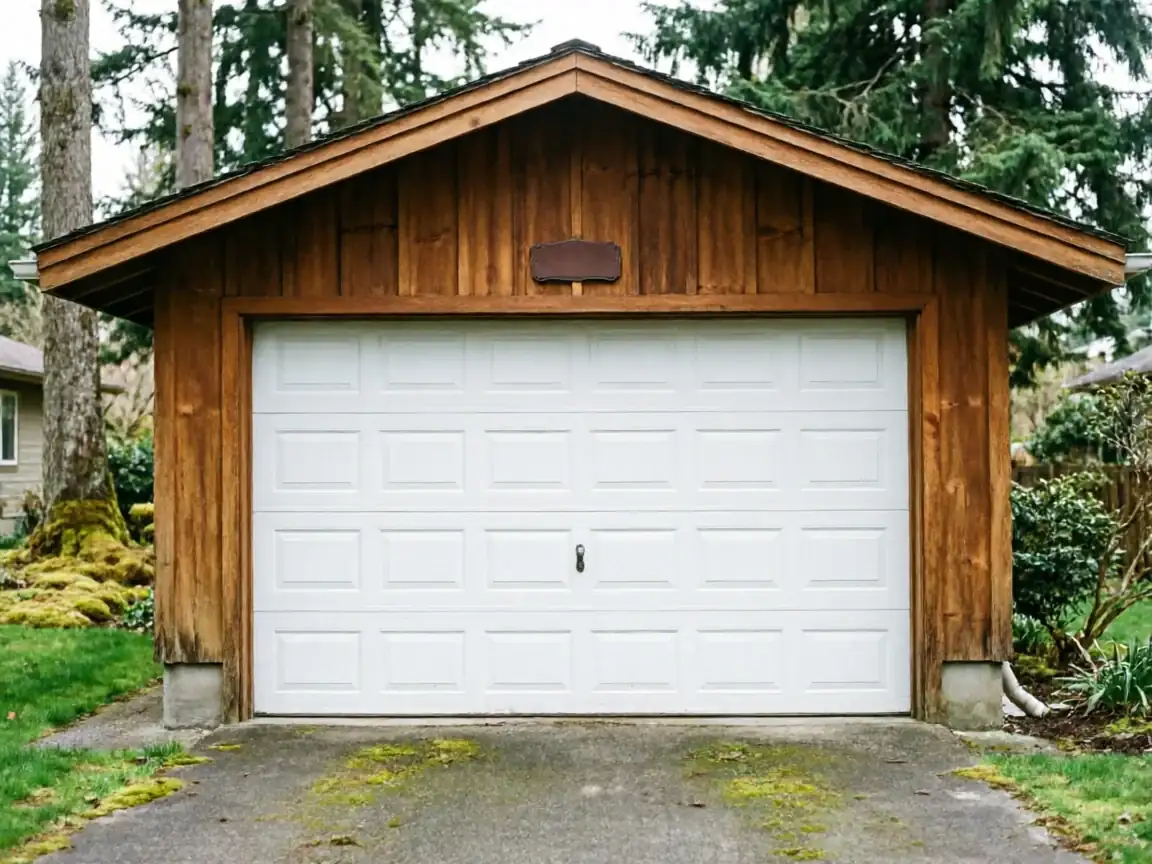
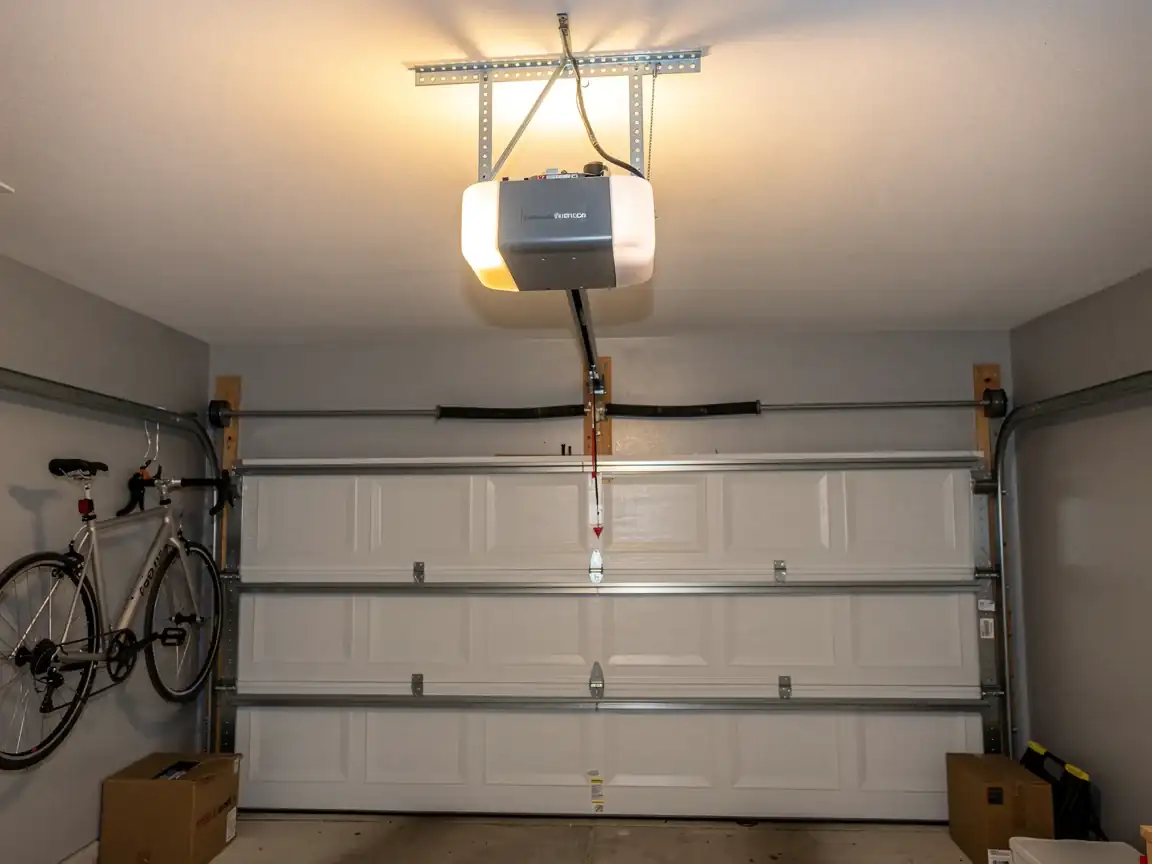
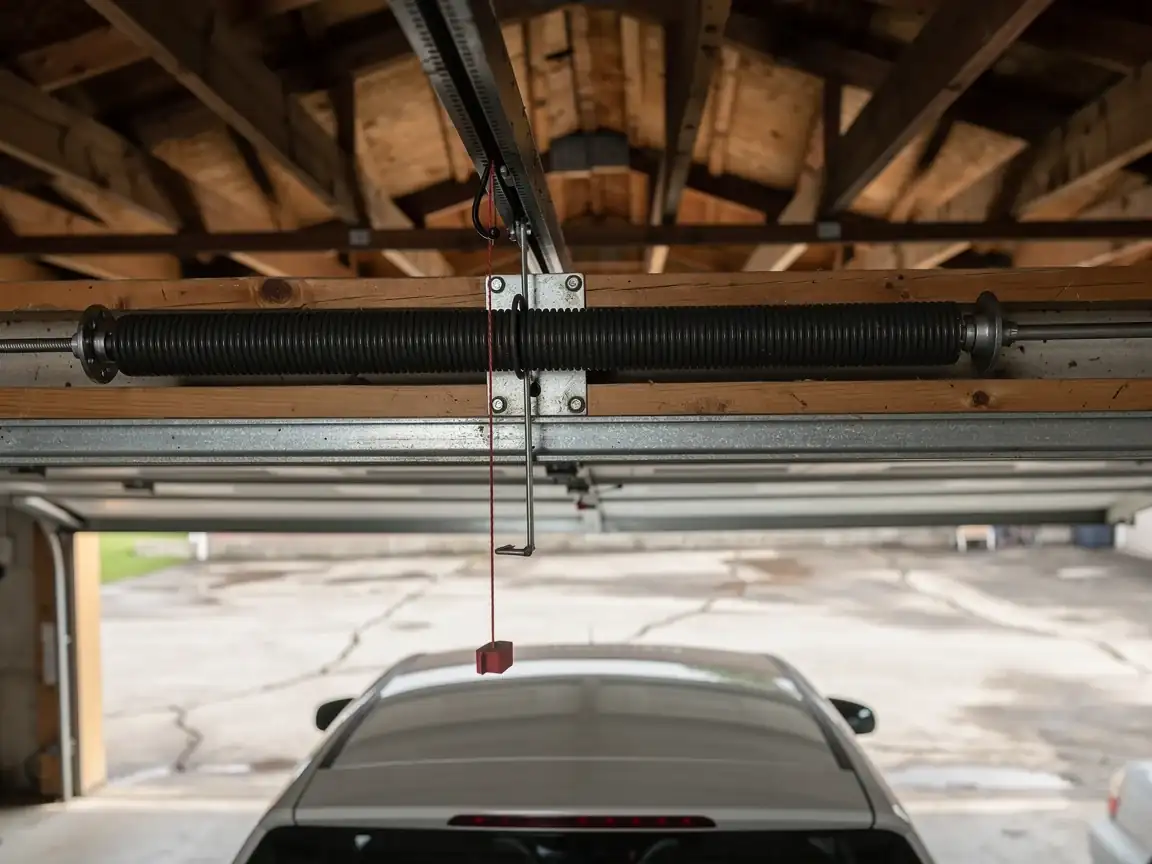
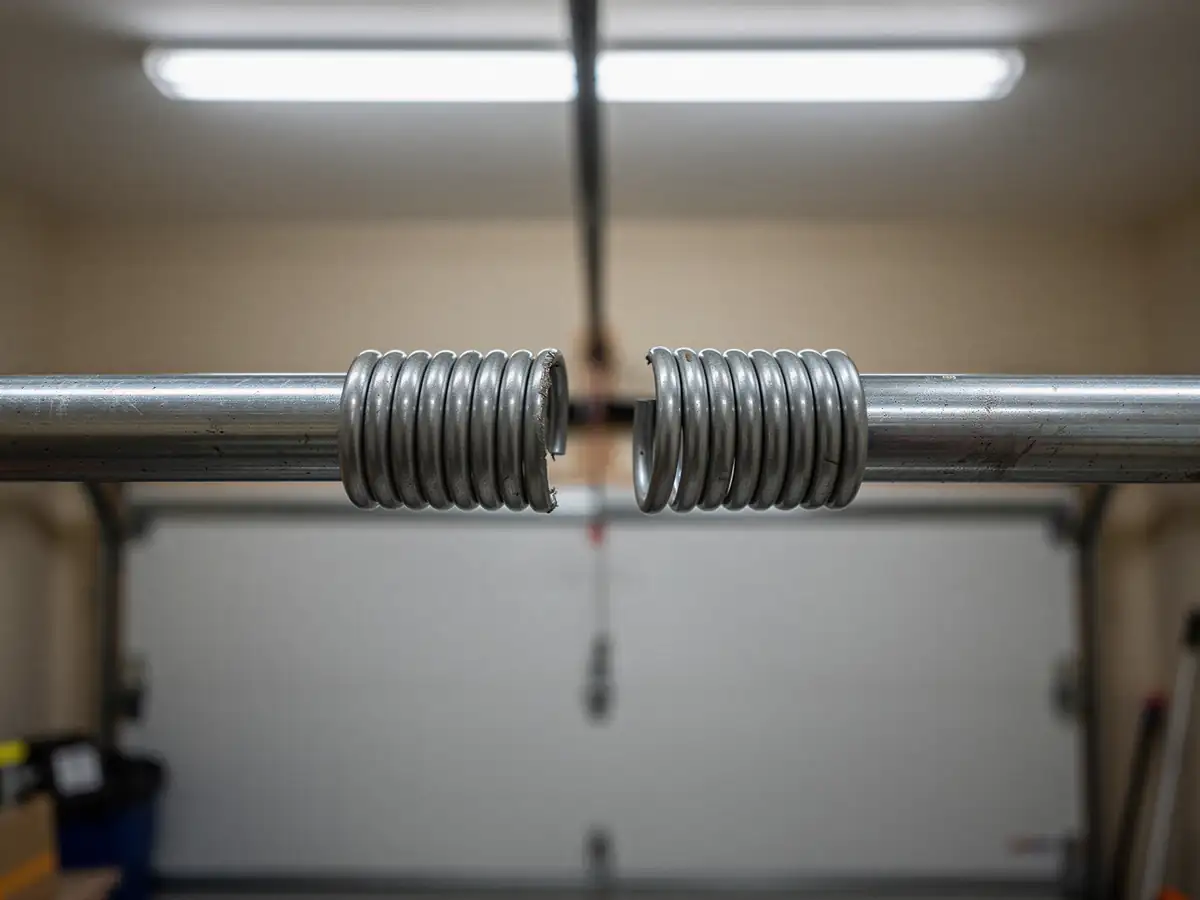
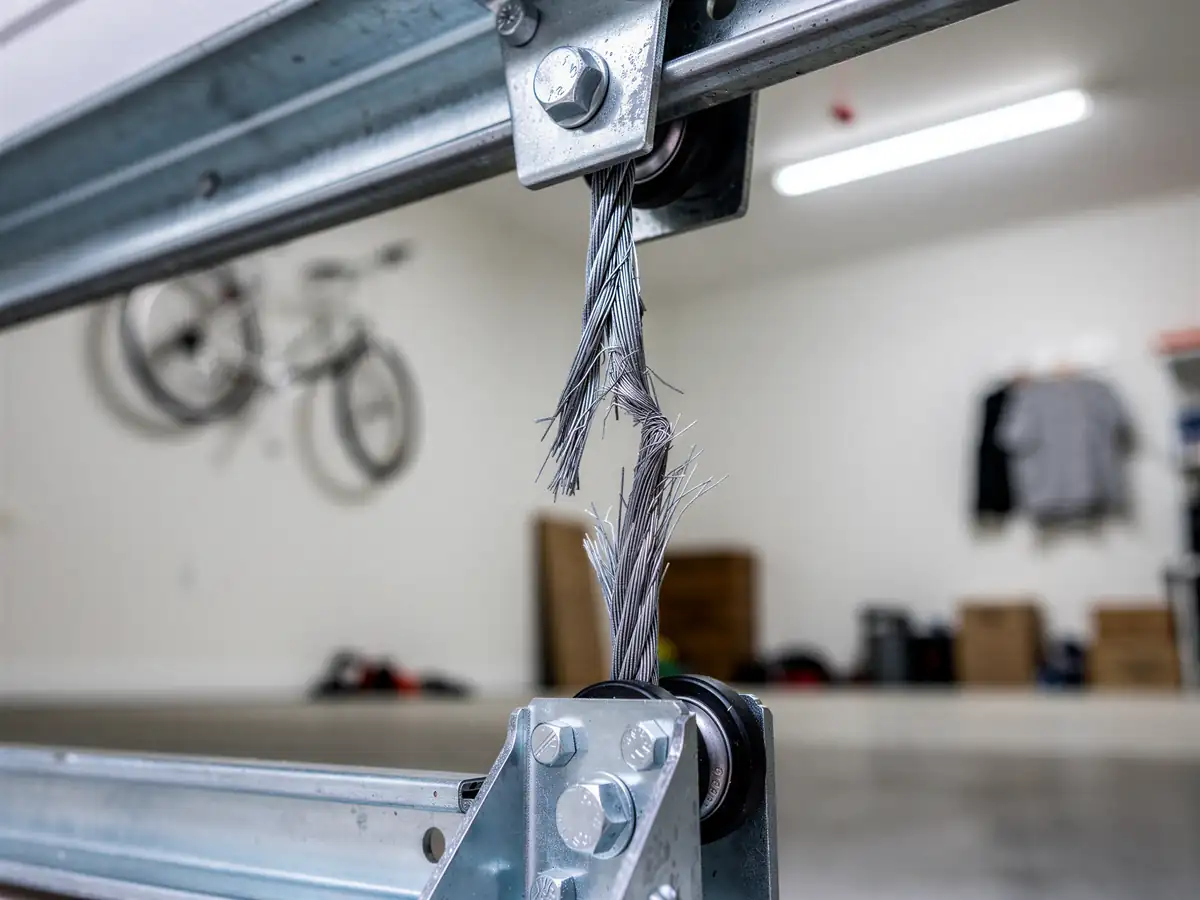
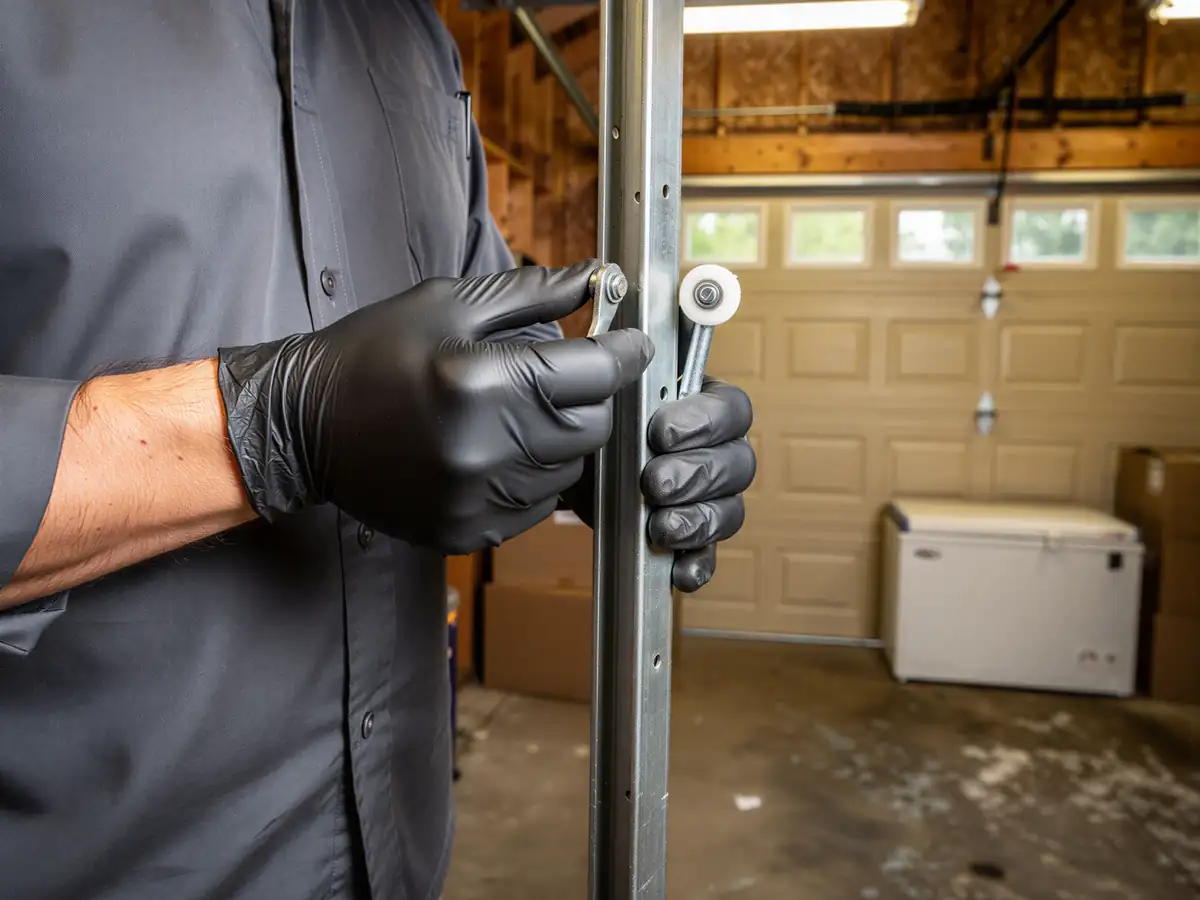
At a median household income of $159,882, roughly $21,000 above the $138,256 average across the rest of the service area, the question here isn't whether you can afford a new door - it's whether a tune-up still makes sense before you get there. Most houses on Bainbridge Island went up around 1989, a few years newer than the service area's overall 1985 median, which puts the original door and opener right at the edge of their expected service life. That means the failures we see are predictable: extension springs that have lost tension after three decades of cycling, galvanized track sections pitted from cold, damp winters, and steel rollers that have worn their stems down to a wobble. The openers from that build era are chain-drive units nearing or past their motor life, and the sensors on them, if original, predate the safety-reversal standards built into anything sold in the last fifteen years. None of this is dramatic. It shows up as a door that's gotten louder, a remote that needs three tries, or a door that drifts down crooked instead of landing flat. Caught early, it's a tune-up. Ignored, it's a cable snapping under load or a spring letting go on a door that's being opened and closed every day.
How Long It Takes
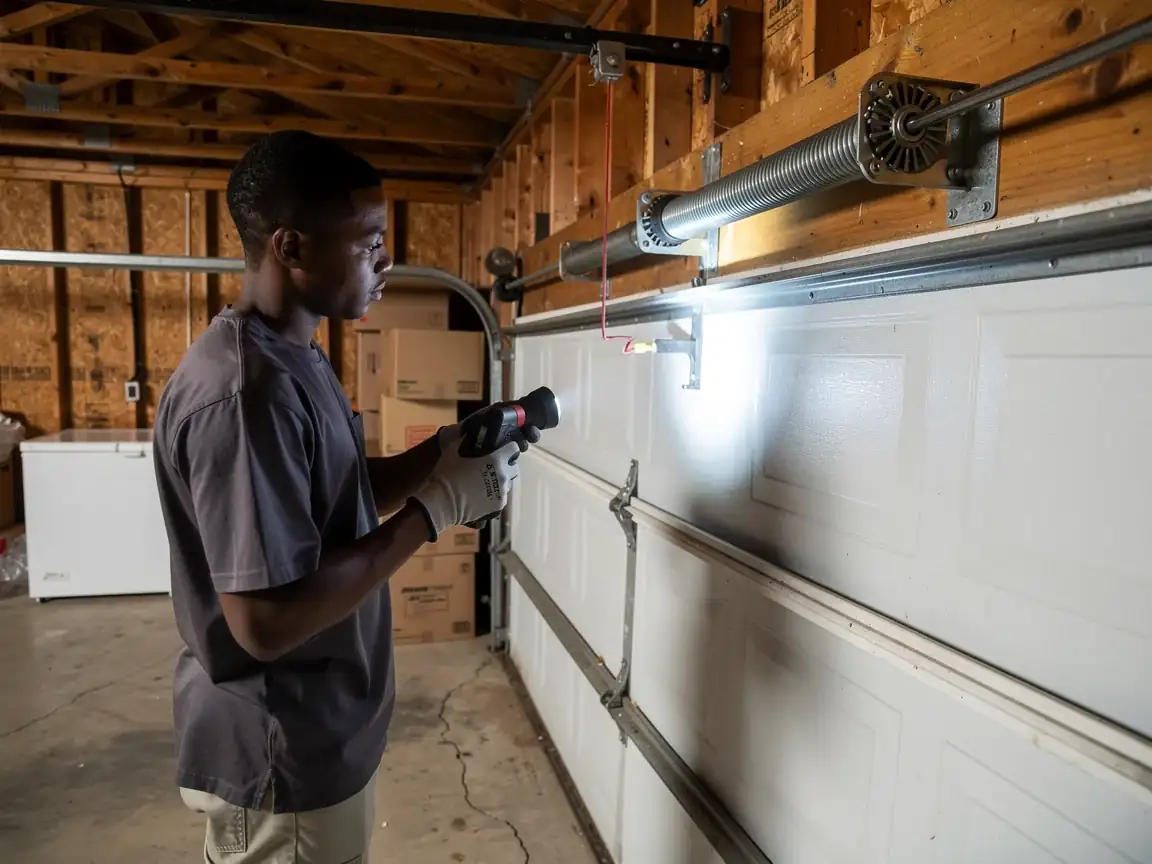
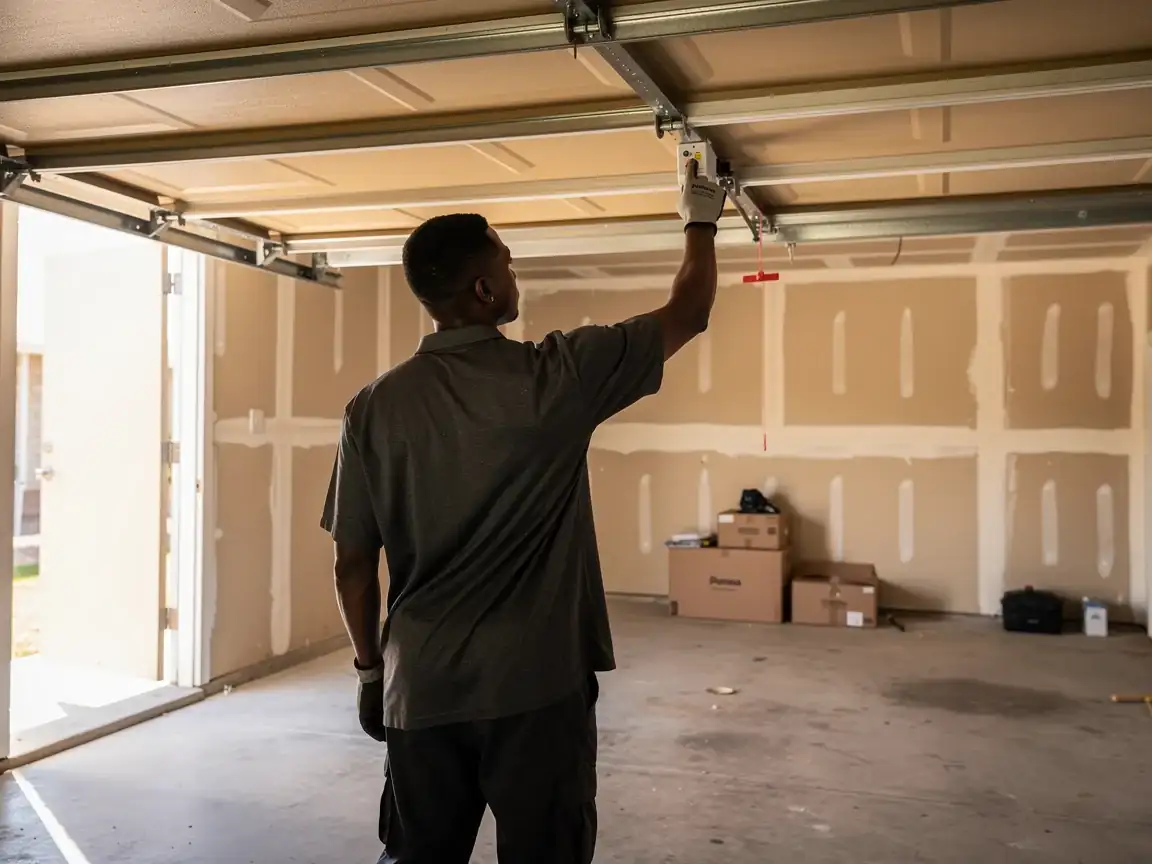
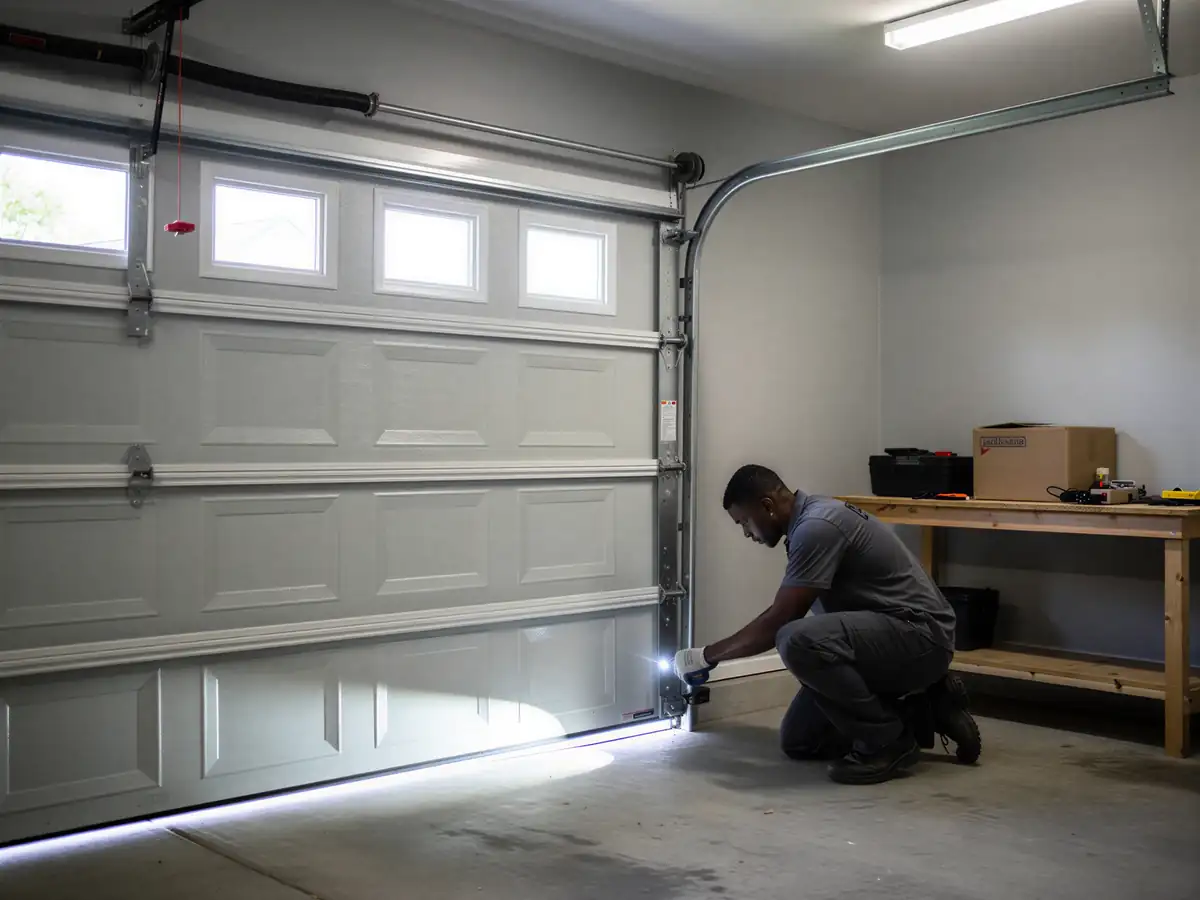
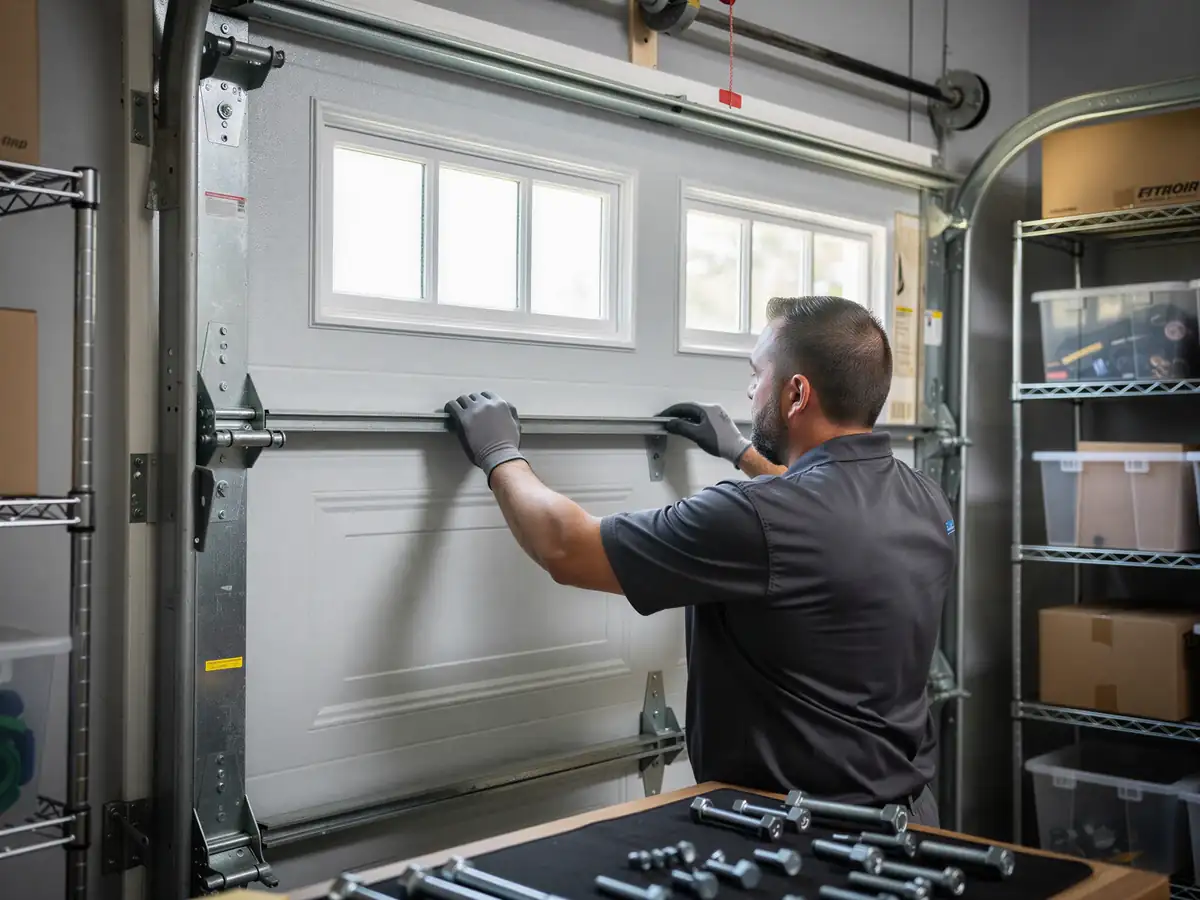
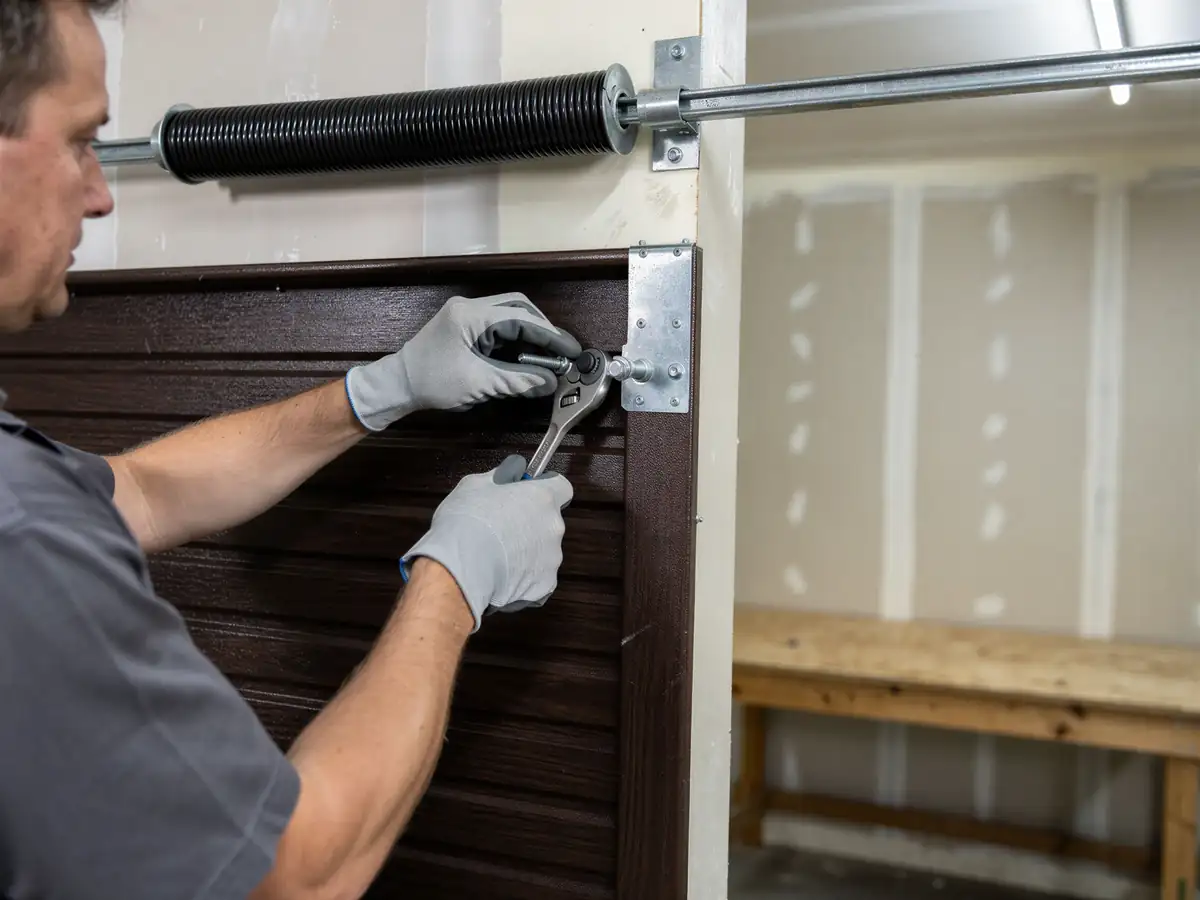
A standard maintenance visit covers the spring system, the track, the rollers, the opener's force and limit settings, and the hardware holding the whole thing to the frame. On a door from the late 1980s, we also check for the specific wear that era shows: stretched extension spring coils, track brackets that have worked loose from thirty-plus years of vibration, and lift cable fraying where it wraps the drum. We don't rush this. A door that's been running on worn parts for years needs a real look, not a five-minute once-over. If something turns up that's beyond adjustment and lubrication - a cracked panel seam, a spring that's visibly stretched past spec - we'll tell you on the spot rather than patch it and have it fail again in a month. The honest limit here: we're driving out from Bothell, so we don't offer same-day emergency response on the island the way we might closer to the shop. Maintenance visits get scheduled, not walked in on, and that's by design - it lets us bring the right parts instead of guessing.
The Cost of This Job
We're not going to put a number here that we can't back up, but the shape of the decision is worth laying out. On a $159,882 median income, a new door and opener is a manageable expense when the alternative is a door that's failing every few months. The math tips toward replacement when the opener is original to a 1989 build and the door has more than one worn system at once - springs and rollers and track all going at the same time usually means the labor on three separate repairs adds up close to half of what a new door costs. The math tips toward a simple tune-up when it's one thing: a roller, a cable, a spring. Most of what we see on the island, given the build era, is still in tune-up territory. We'll say so plainly rather than sell you a door you don't need yet.
Can You Do This Yourself
Lubricating hinges and rollers with a garage-door-rated spray, tightening visible bolts on the track brackets, and testing the auto-reverse by setting a block under the door are all reasonable for a homeowner to do between visits. What isn't reasonable is touching the spring system. Torsion and extension springs on a door this size hold enough stored tension to break a hand or worse, and that's true whether the door is two years old or thirty-five. If your door is a chain-drive opener from around 1989, also leave the opener's force adjustment alone - set it too high and the safety reversal stops doing its job. The honest limitation: we can't give you a same-day fix if something lets go mid-DIY, since we're coming from Bothell. If you're not sure which side of that line a task falls on, it's cheaper to ask than to guess.