Why It Happens Here
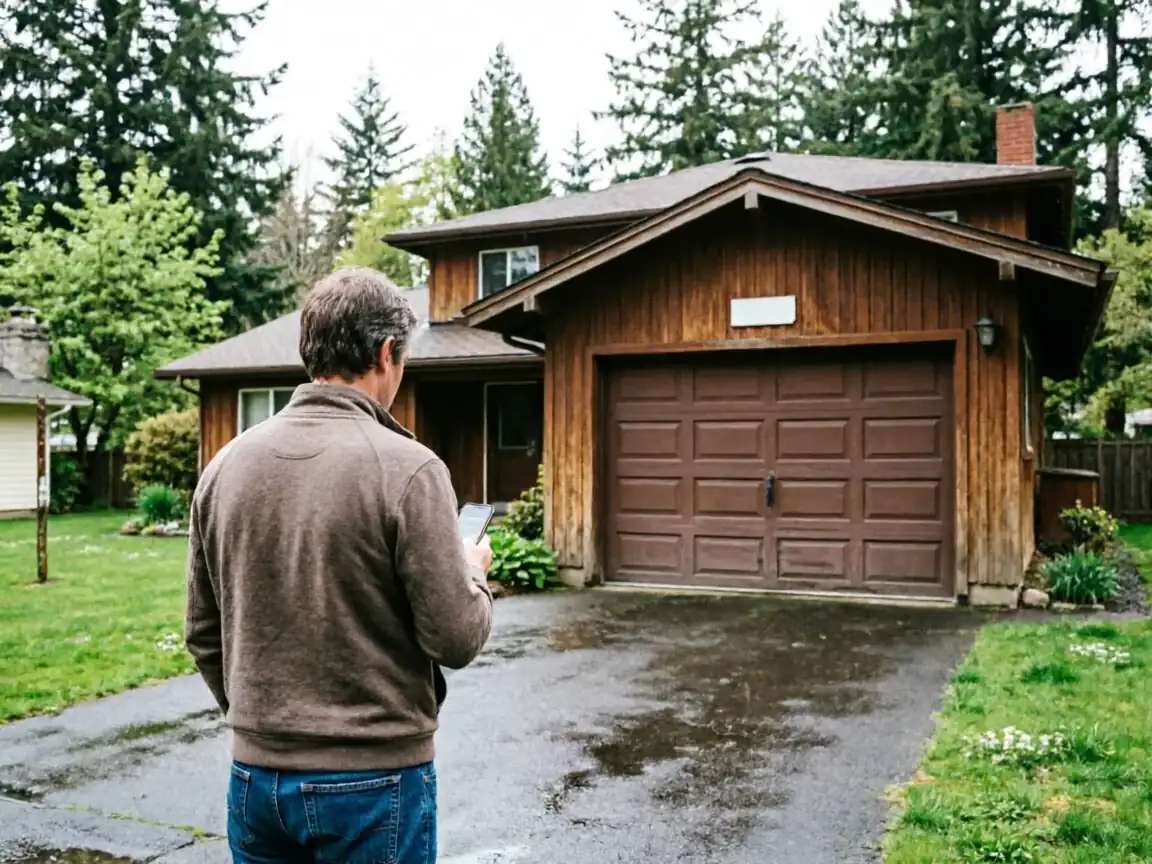
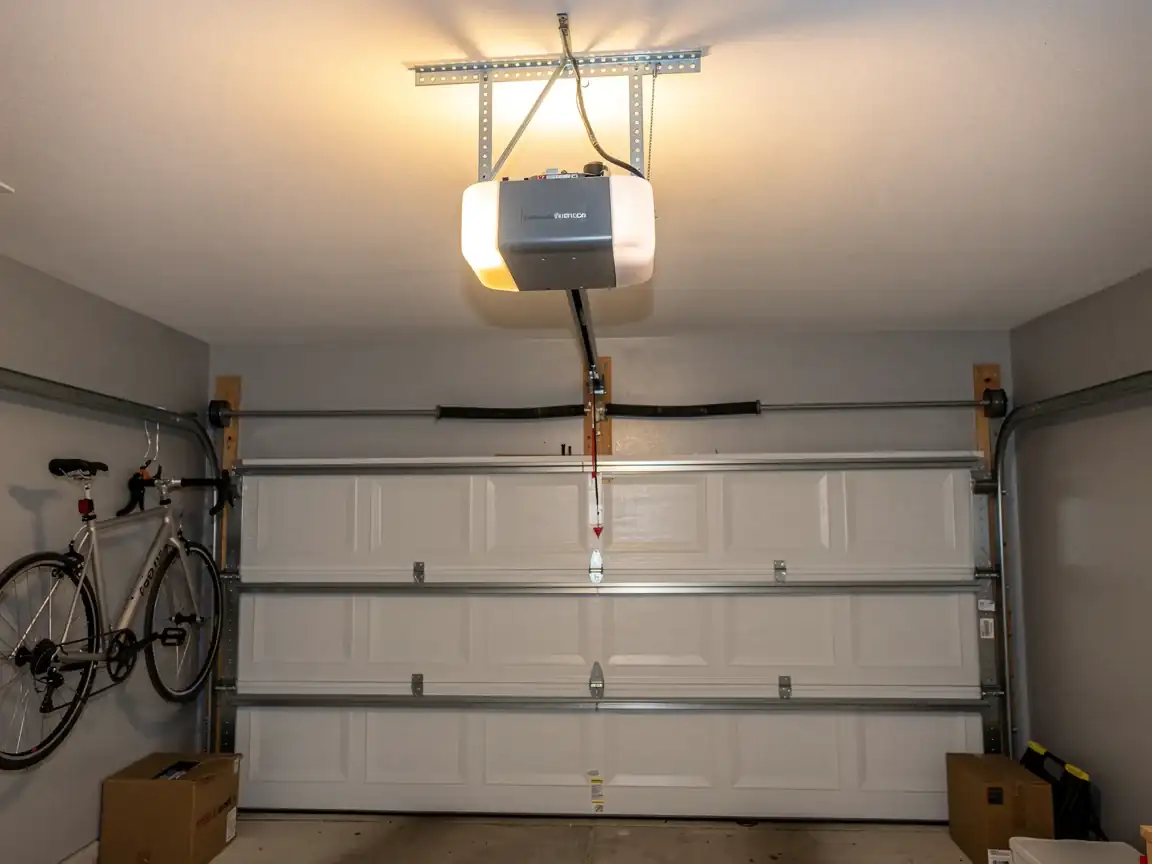
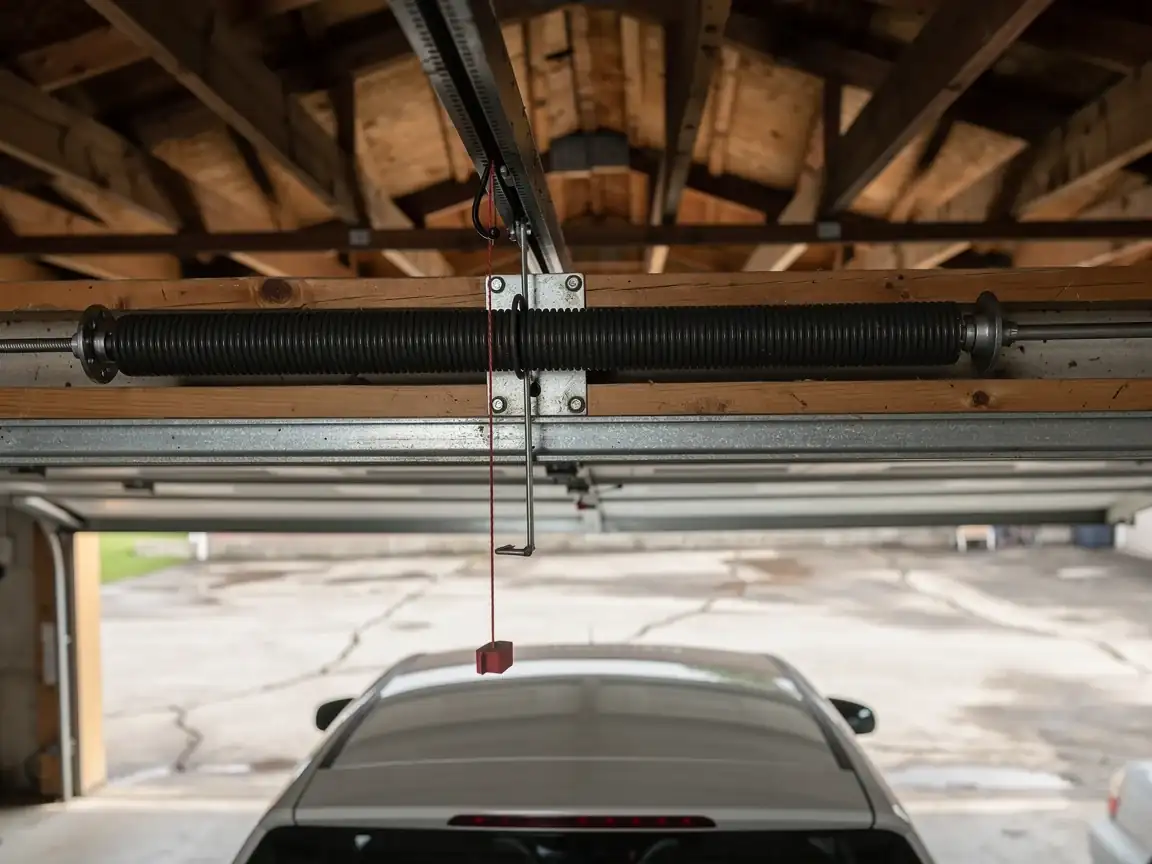
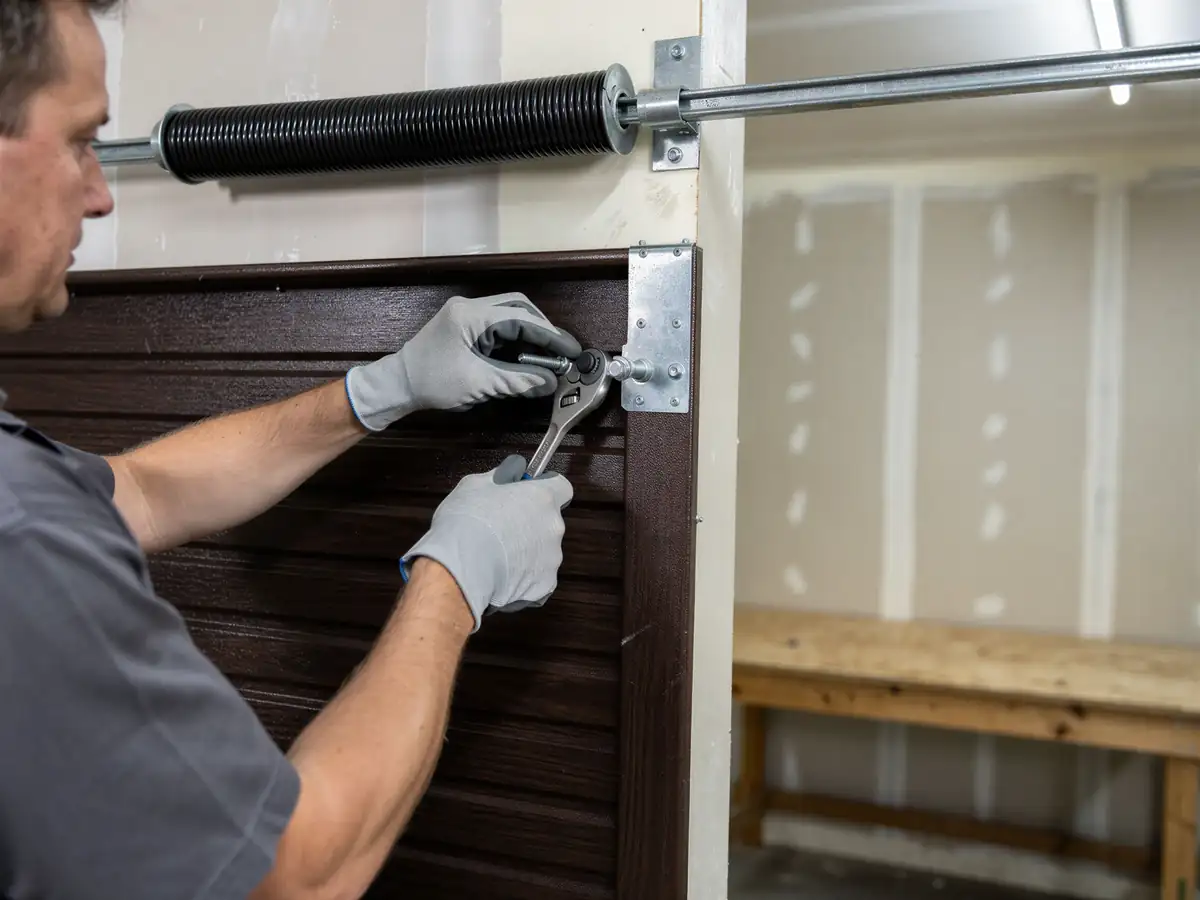
Most houses in Kenmore went up around 1984, during the run of development that gave this part of the service area its 1980s-to-90s character. Doors from that era are usually steel sectional panels on extension or early torsion spring setups, paired with chain-drive openers that are now pushing past their expected lifespan. The springs on a door that old have likely been cycled well past their rated number of openings, even if nobody's touched them since installation. That's the common failure pattern we see on this side of things: a spring that finally lets go, or a drive gear in the opener that's worn smooth after three-plus decades of use. It's not damage, it's just the math of age catching up with hardware nobody thought about until it stopped working. The climate here doesn't help - cold, damp winters stiffen grease in older rollers and tracks, which adds extra strain to parts already near the end of their service life. None of this is unique to one house; it's the pattern across a whole wave of construction from the same ten or fifteen years.
Stocked Parts
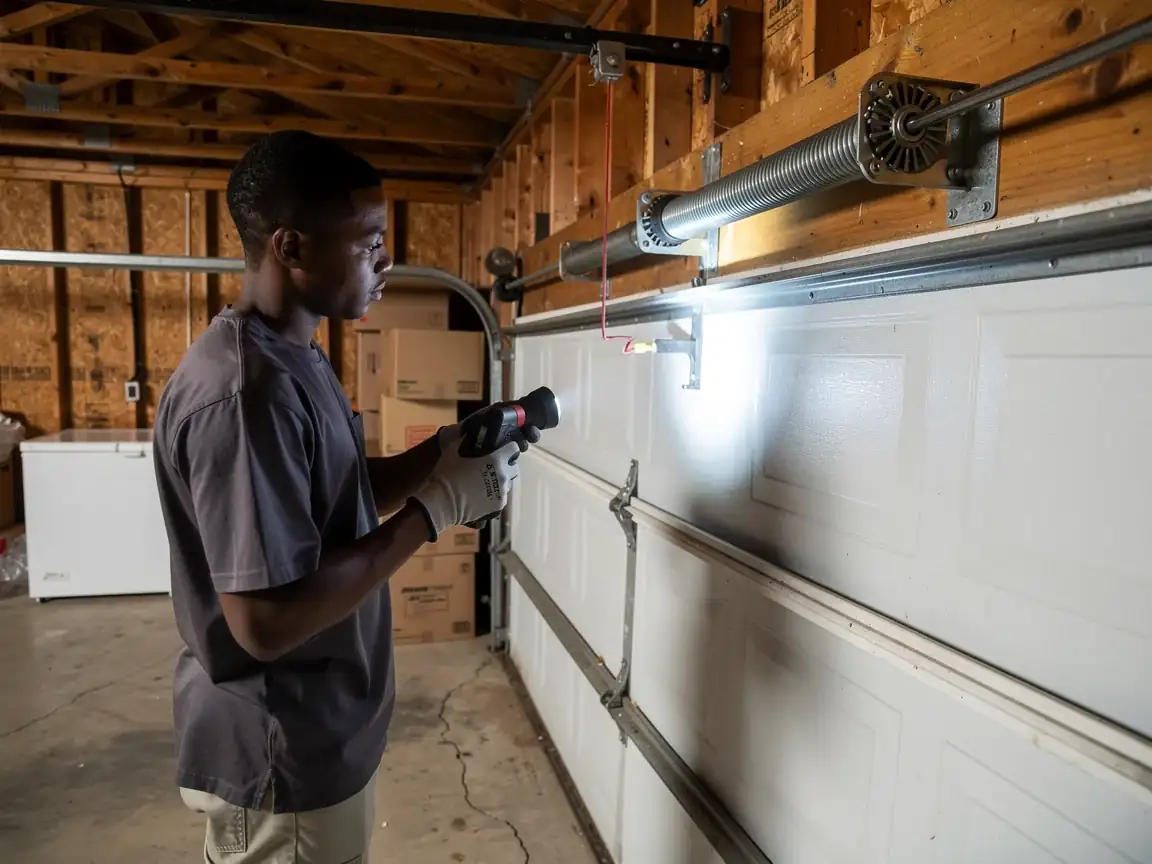
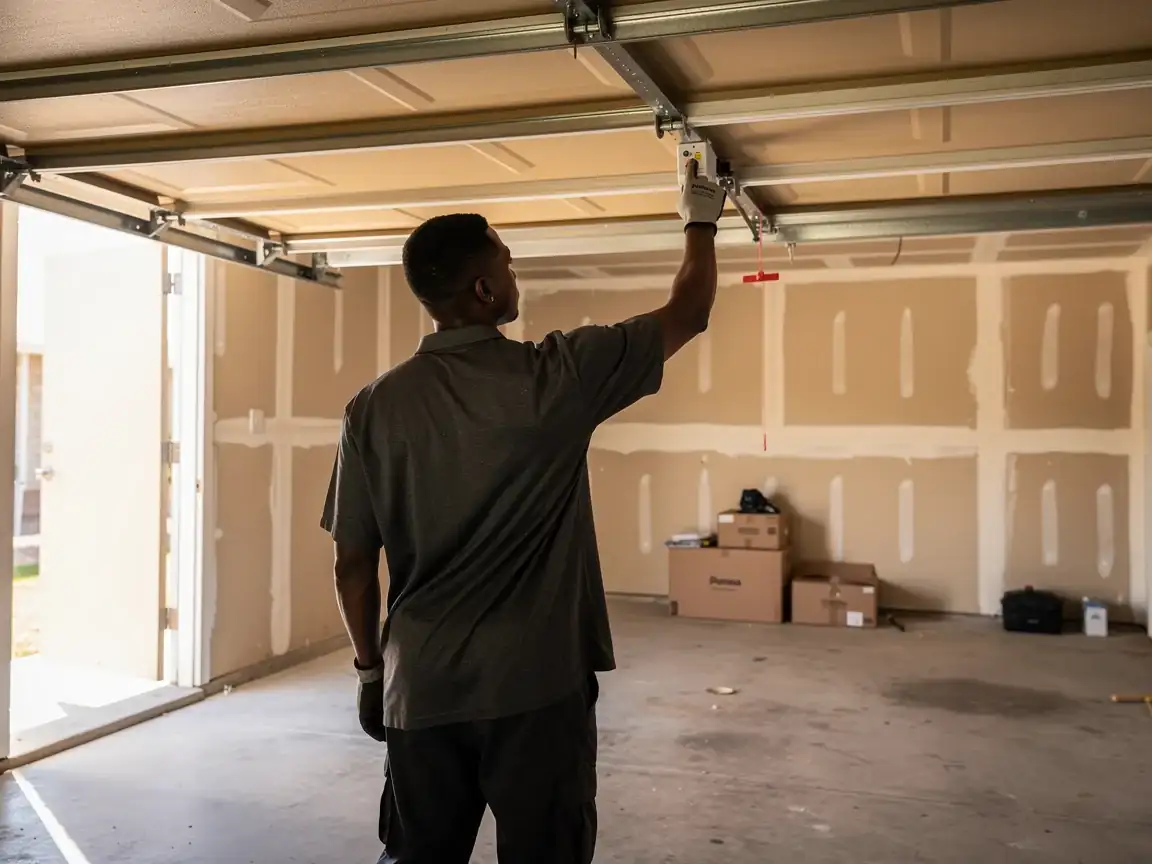
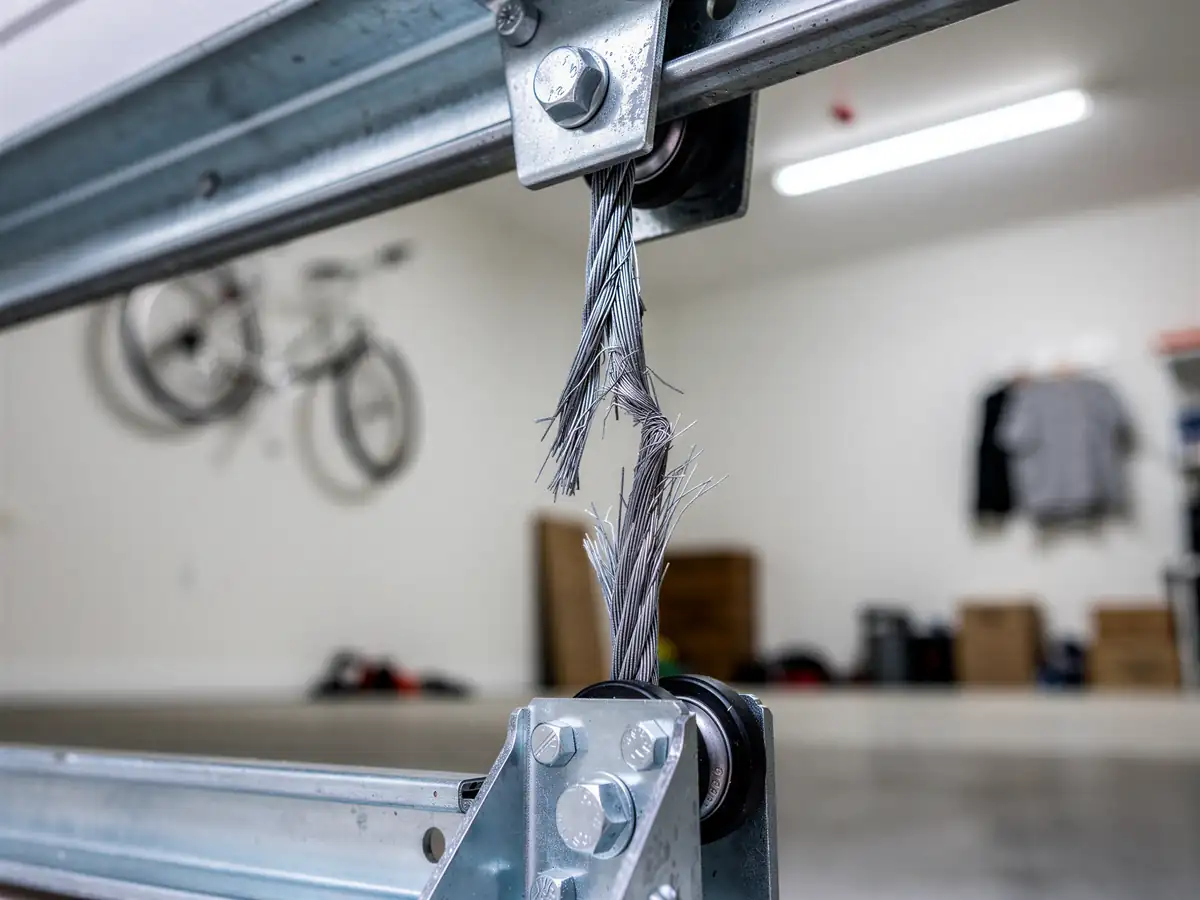
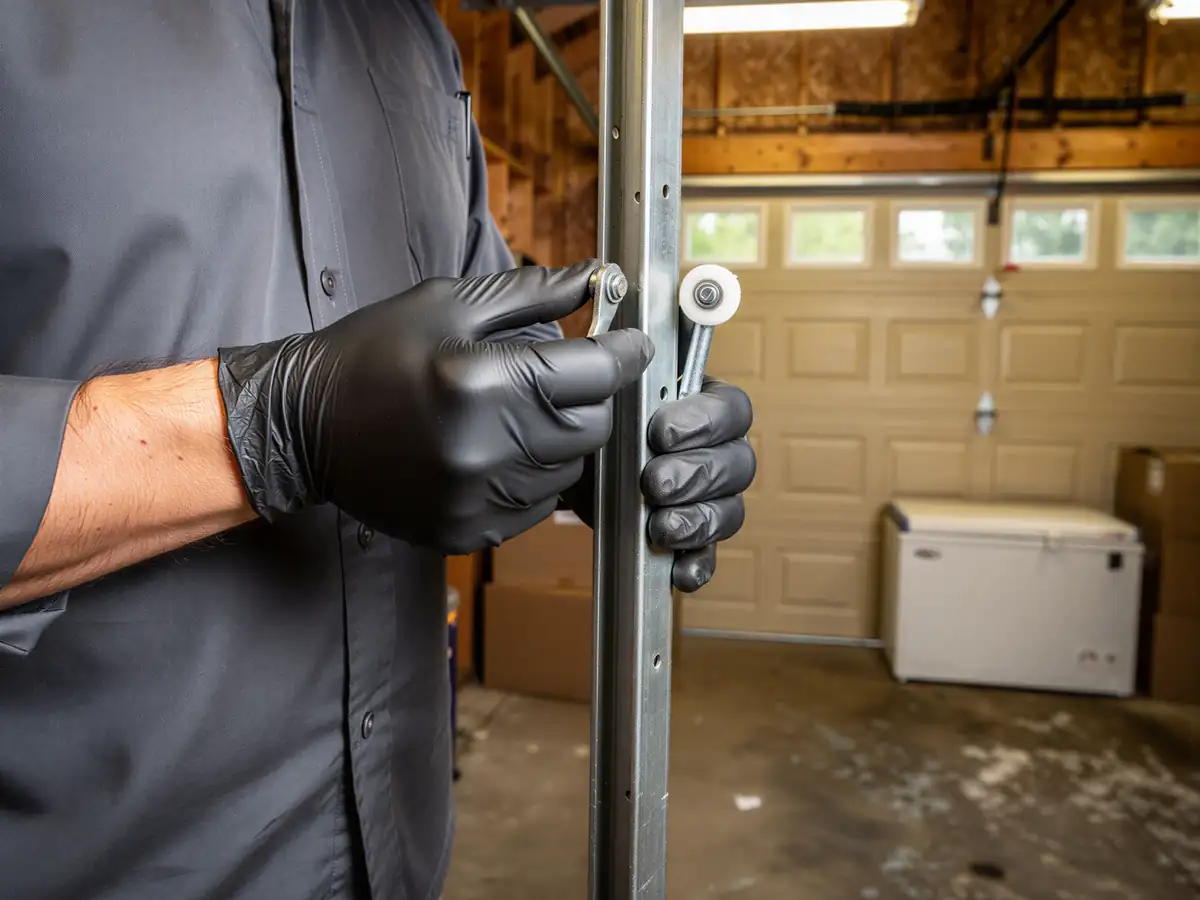
Because so much of Kenmore's housing dates to the mid-1980s, we carry the torsion and extension springs sized for that generation of doors, along with the steel rollers, hinges, and cable that go with them. Chain-drive opener parts - sprockets, drive gears, trolley assemblies - are also common stock, since that's what a lot of these original openers used. We don't carry every obscure part for every door ever made; if your door is a newer install with a belt-drive opener or an uncommon panel style, we may need to order a part, and we'll tell you that up front rather than guess. What we keep on the truck is built around what actually shows up on service calls in this area, not a generic parts list.
The Cost of This Job
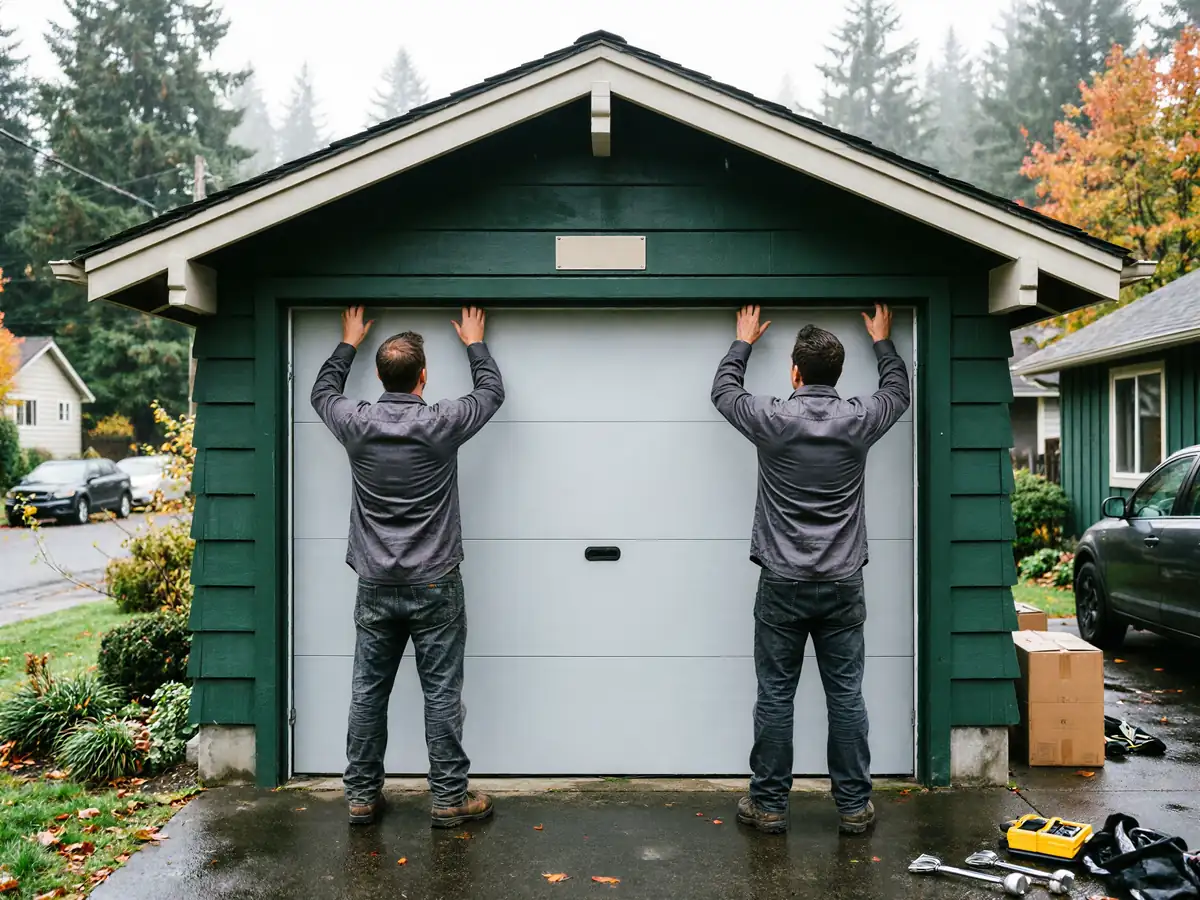
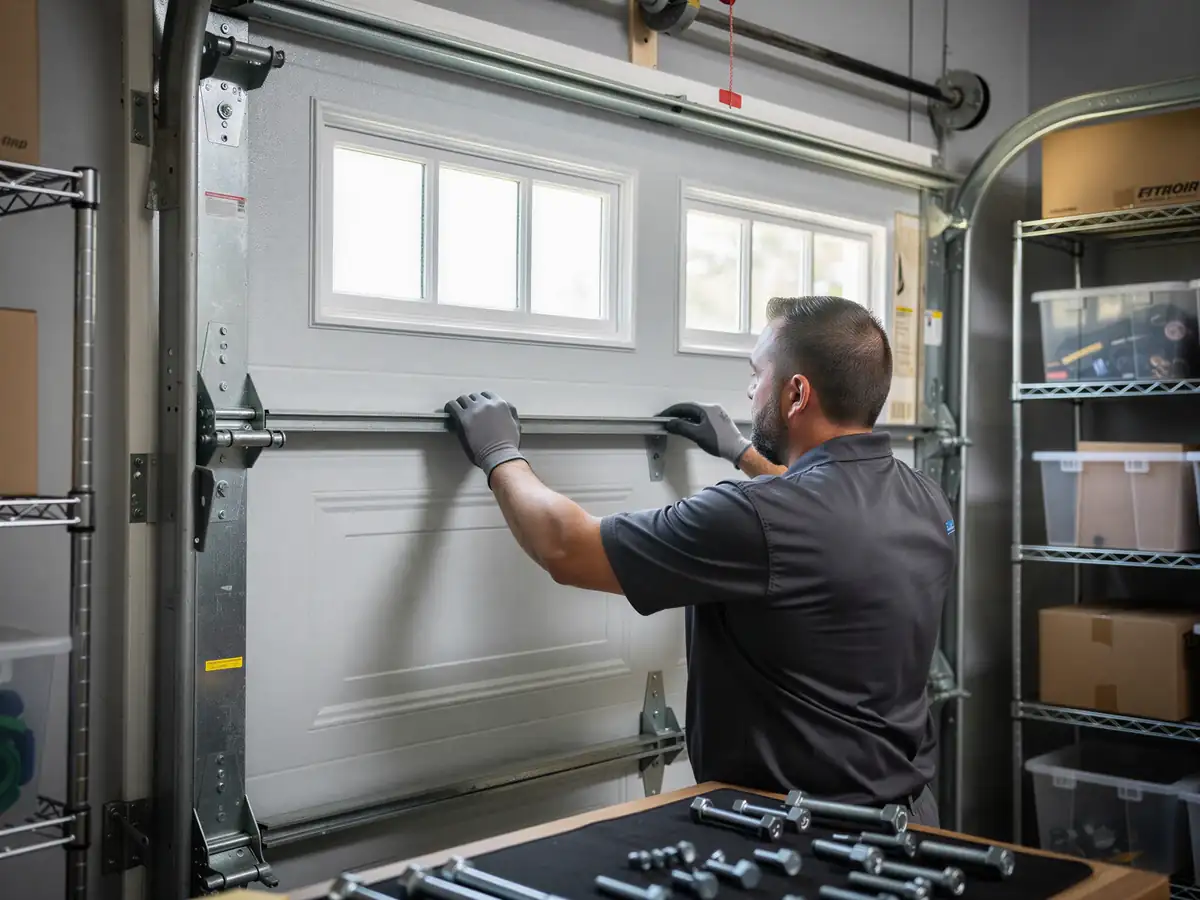
With median household income in Kenmore at $137,926, this isn't an area where people want a repair quote padded with upsells, and it isn't one where corners get cut either. We price the job based on what's actually wrong - a spring job and a full door replacement are not the same bill, and we'll tell you which one you're actually looking at before we start. Older doors sometimes reach a point where patching the opener or replacing a third spring in five years costs more over time than swapping the door. We'll say so if that's the case, even though it's a bigger-ticket recommendation.
How It Shows Up
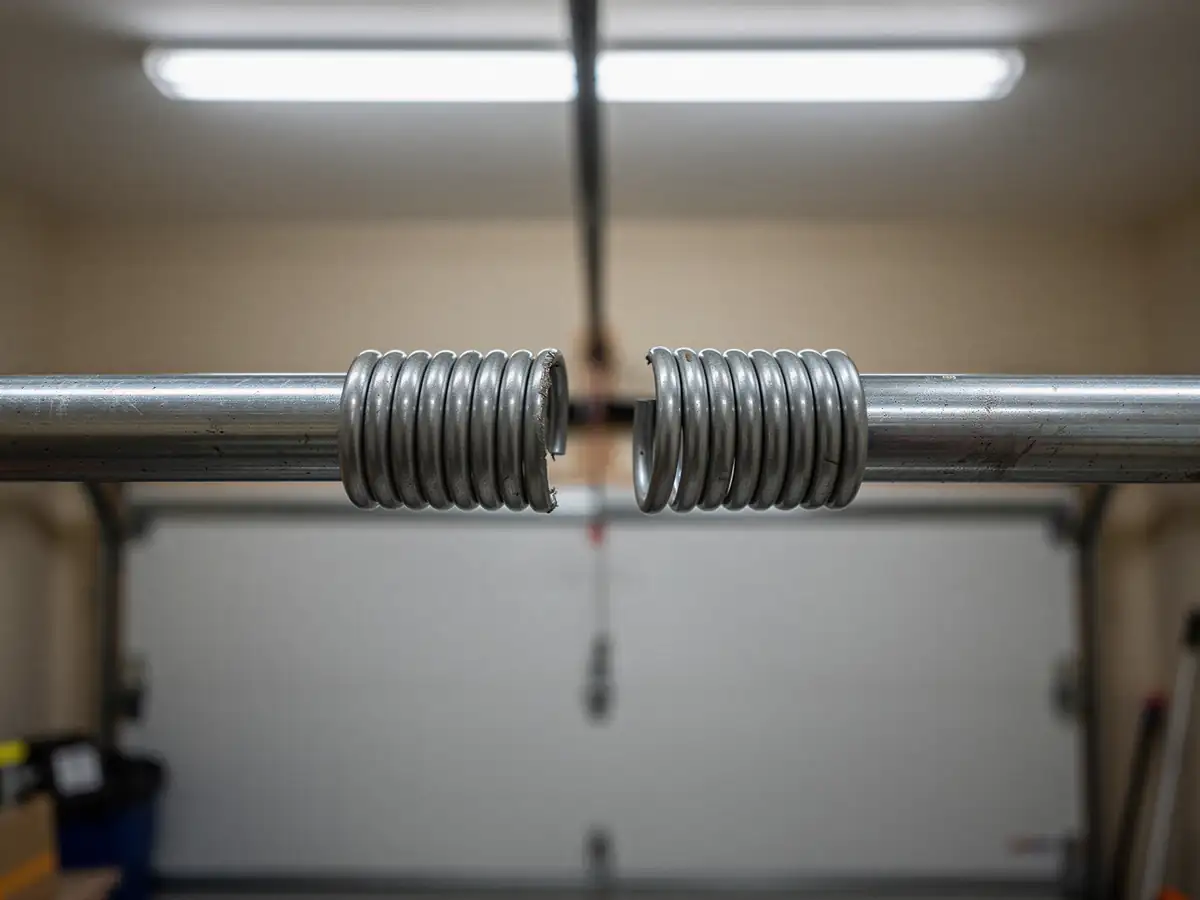
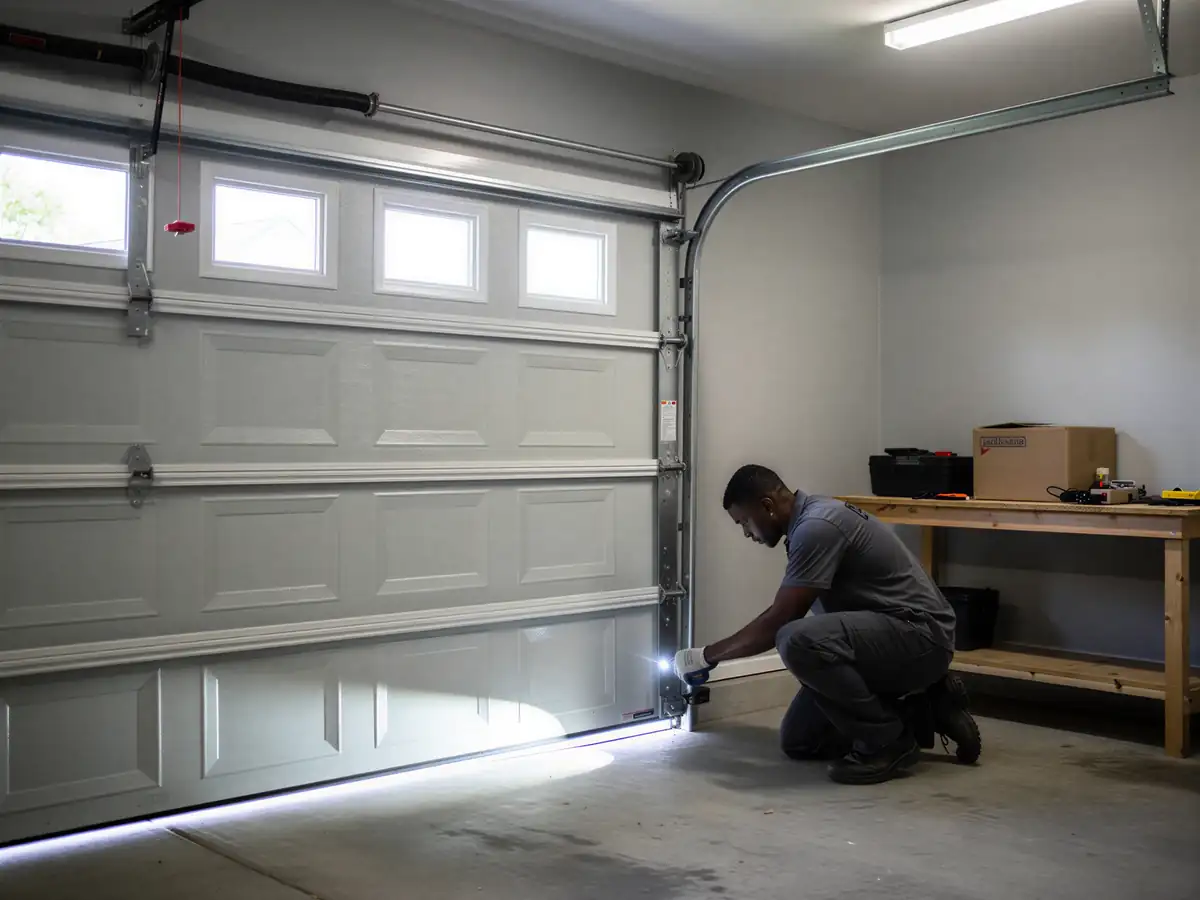
The door won't open past a few inches, or it opens and then reverses on its own partway down - both are classic signs of a spring that's lost tension. A loud bang from the garage, usually heard from inside the house, is almost always a spring snapping, not the opener. Grinding or chain-slap noise points to worn opener gears, common on the chain-drive units original to a lot of these 1980s builds. If the door feels heavy when lifted by hand, or the opener strains and stalls, that's the spring again, not the motor failing. These patterns repeat often enough on homes of this age that we usually have a good guess before we even open the toolbox.