Why It Happens Here
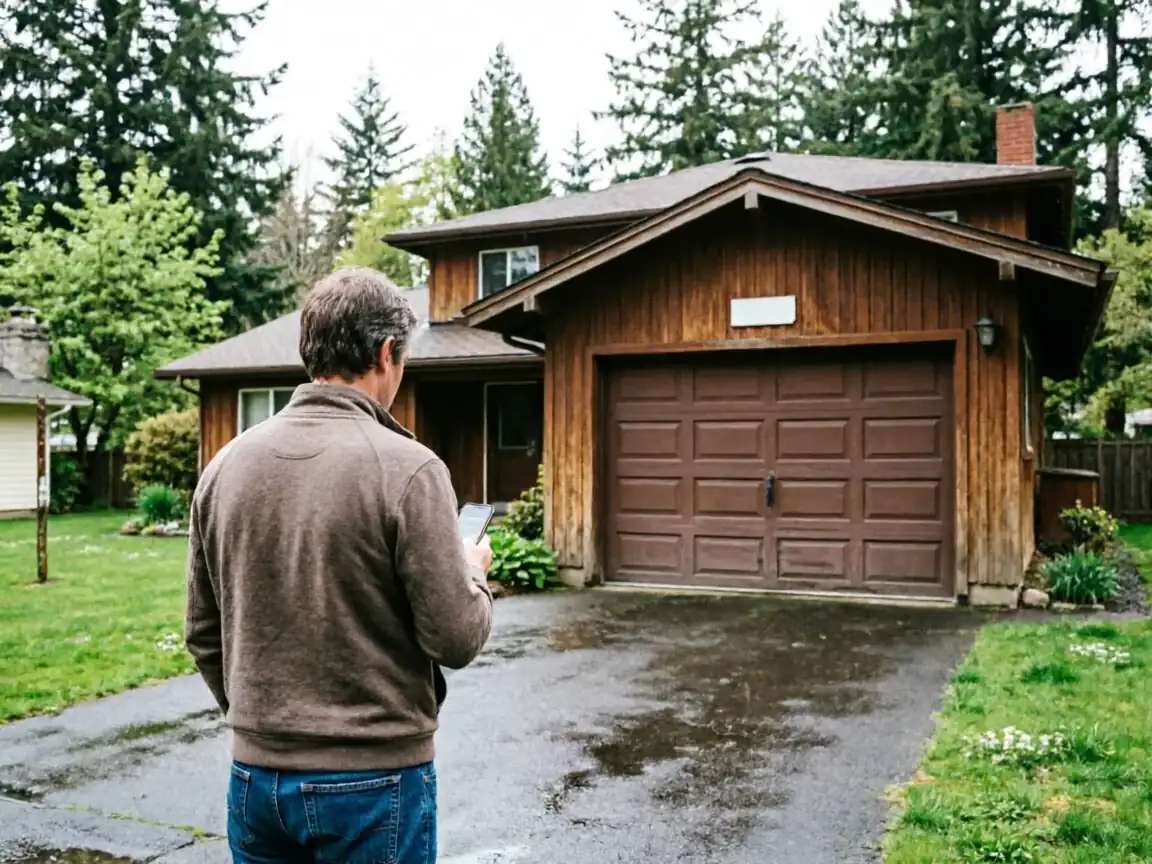
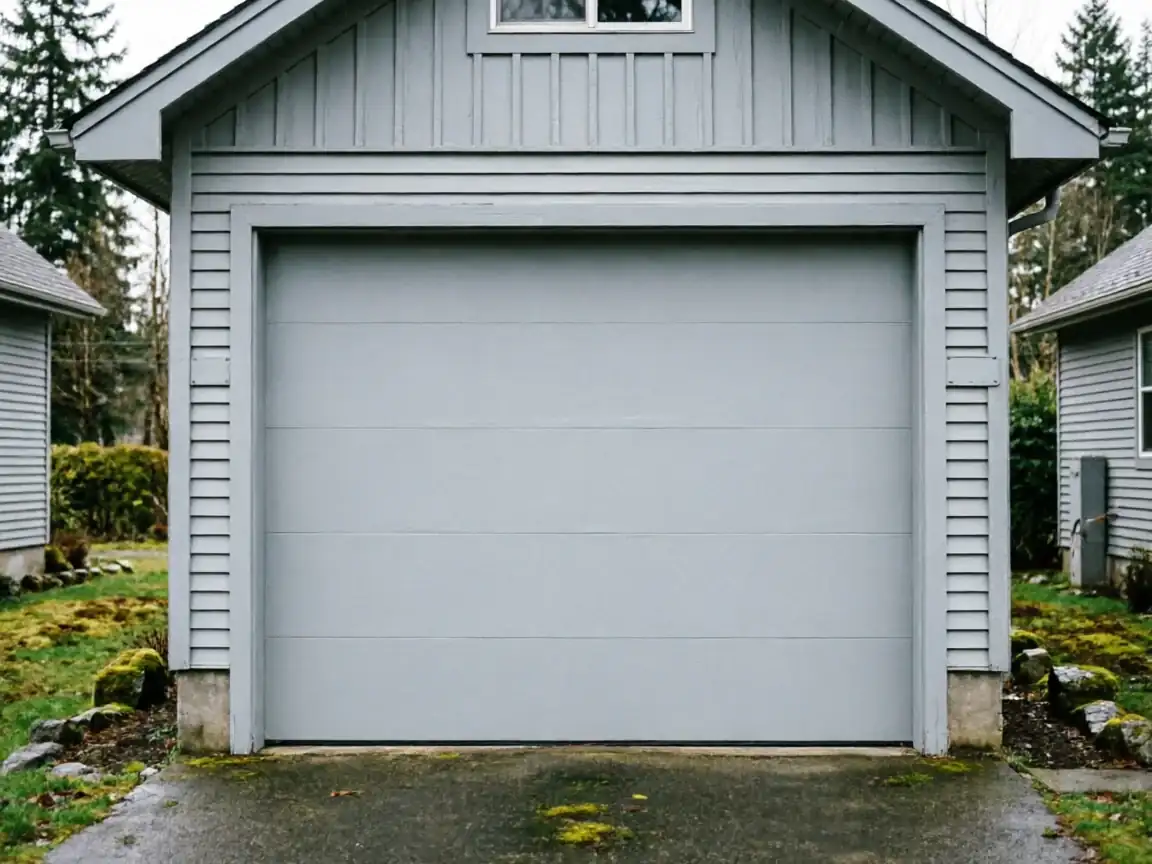
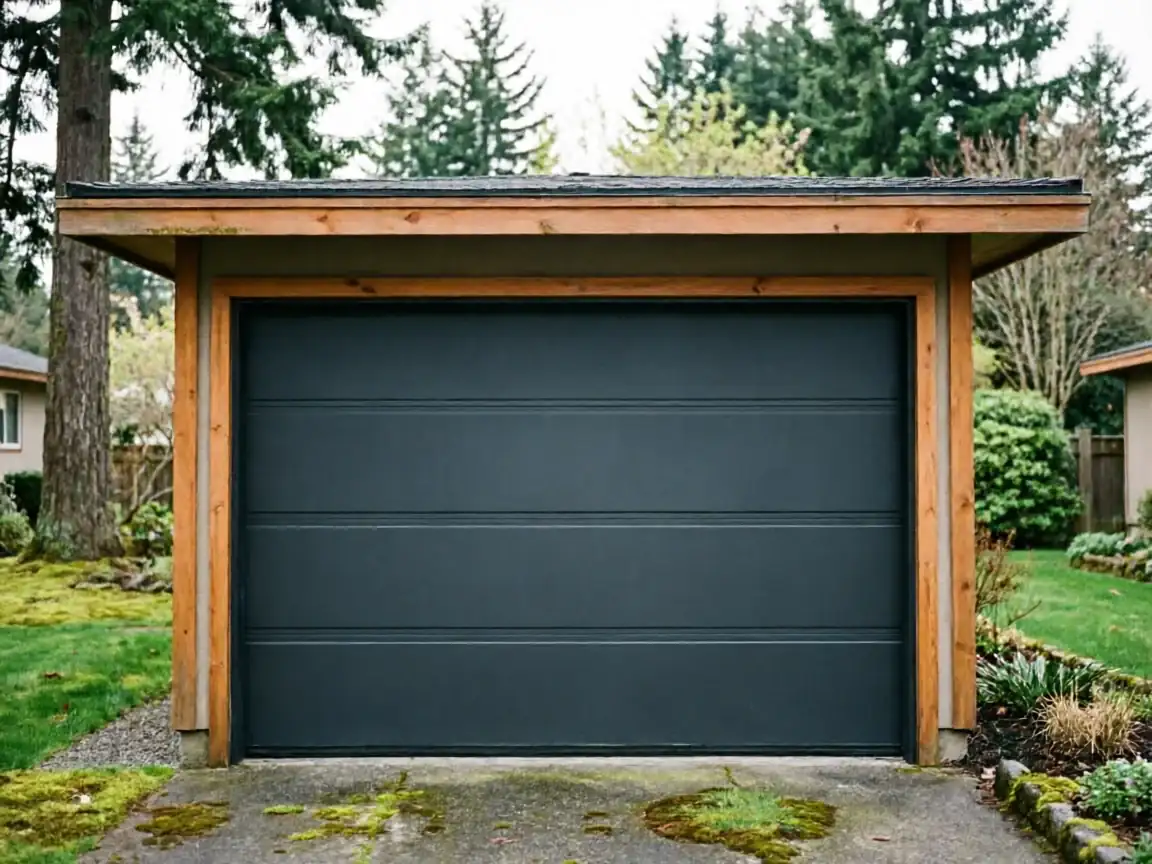
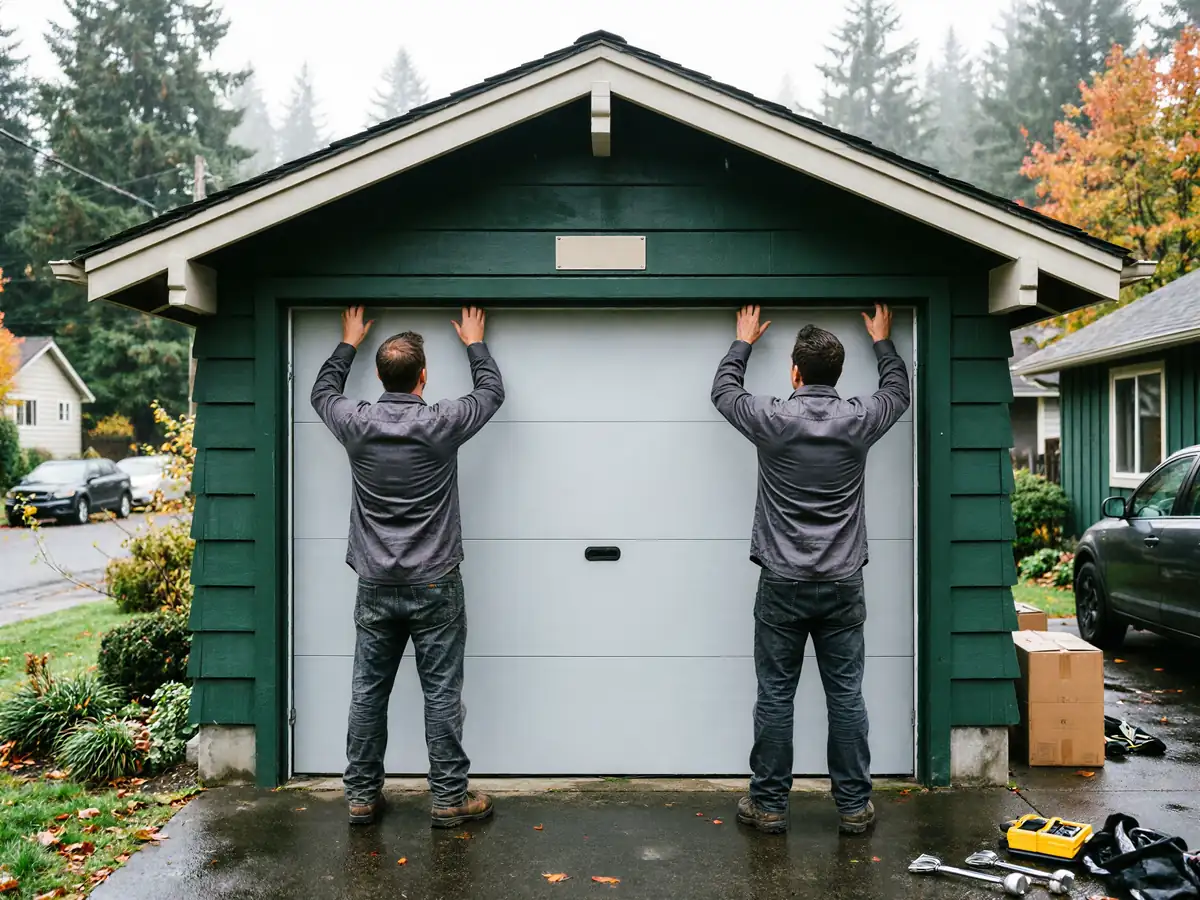
Kenmore has roughly 9,004 households, which puts it in a size range where we're not guessing at what's behind the door panel before we even look. The town's housing stock centers on a median build year of 1984, which lines up with the broader service area's 1966-2001 range and its 1980s-90s concentration across the 37 named communities we work in. That matters for installation because a door going in now is almost always replacing original equipment from that build era - single-layer steel, non-insulated, hung on hardware that was standard for the time but undersized by today's torsion spring charts. We're not swapping out a door that failed last year. We're swapping out one that's been doing its job since the Reagan administration and finally quit, or one the homeowner wants gone before it does. That's a different install than a brand-new subdivision would need, and it's why the door we spec for a 1984-era Kenmore opening isn't the same one we'd spec for a house built in 2005.
Stocked Parts
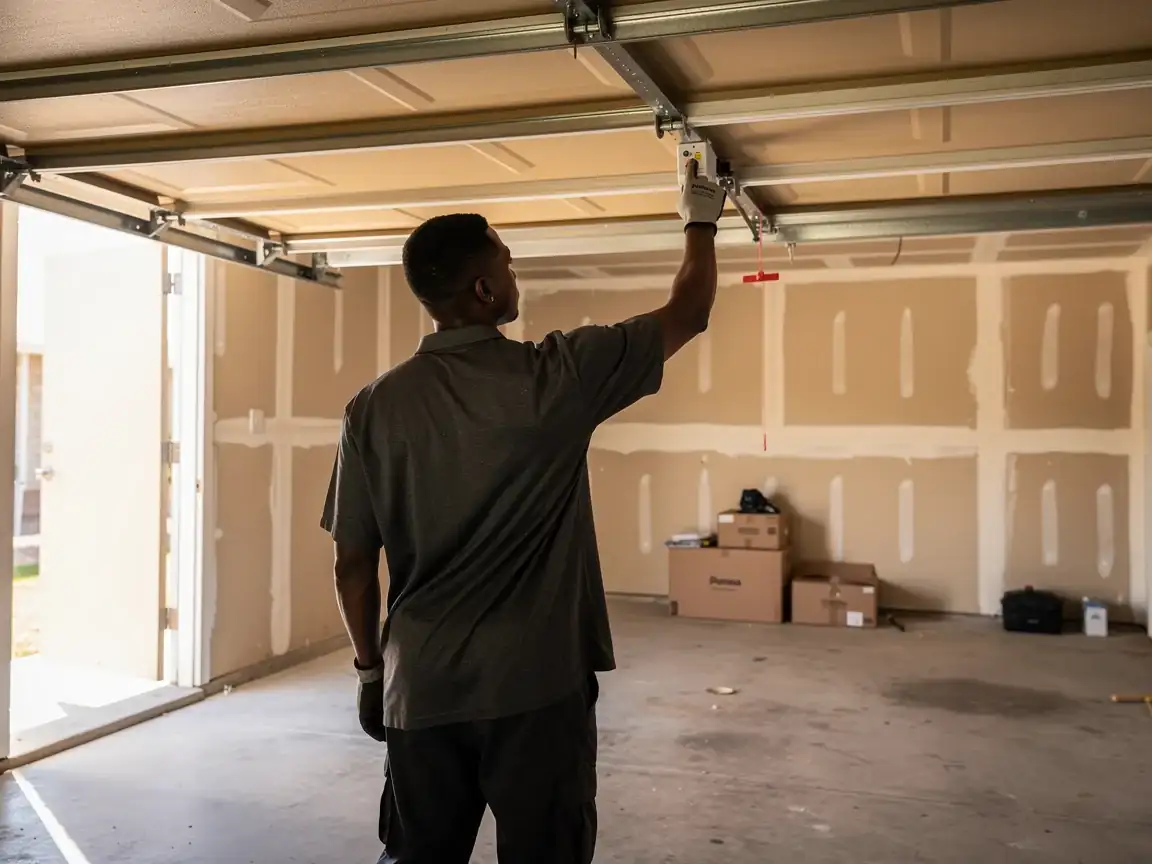
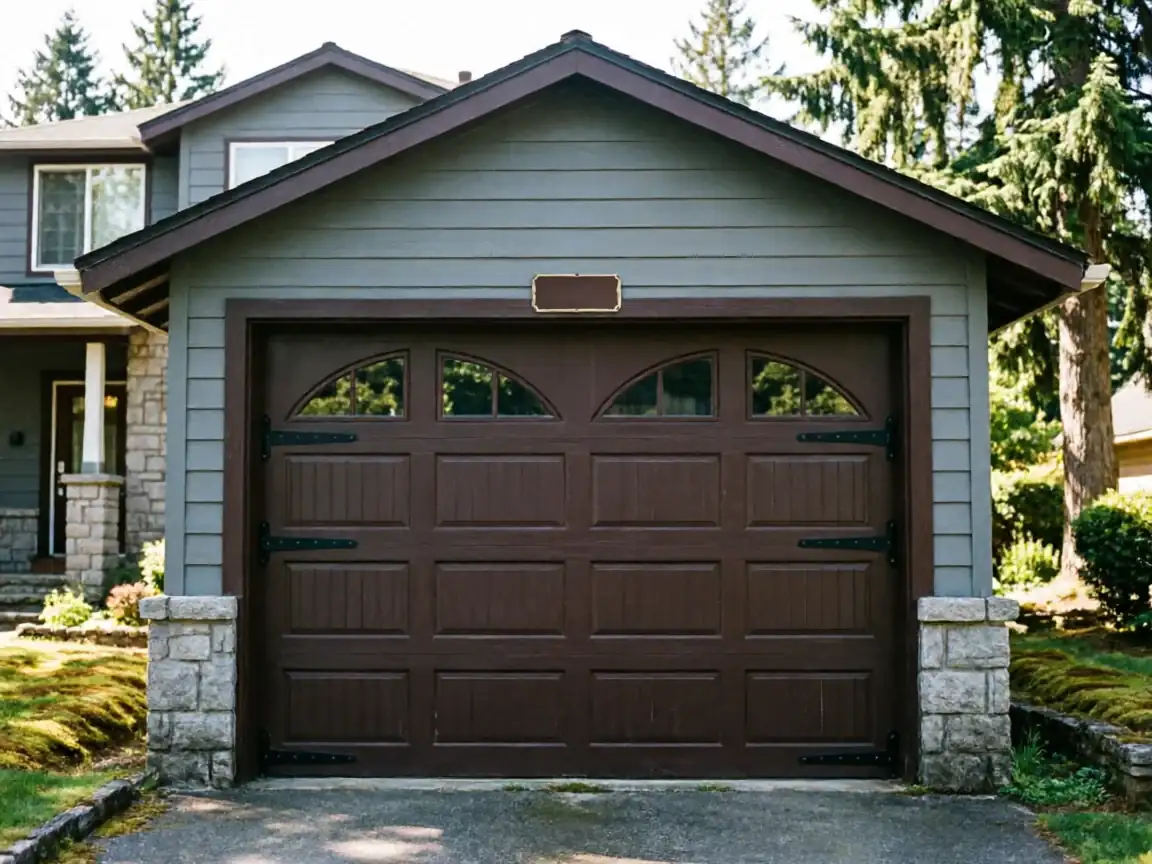
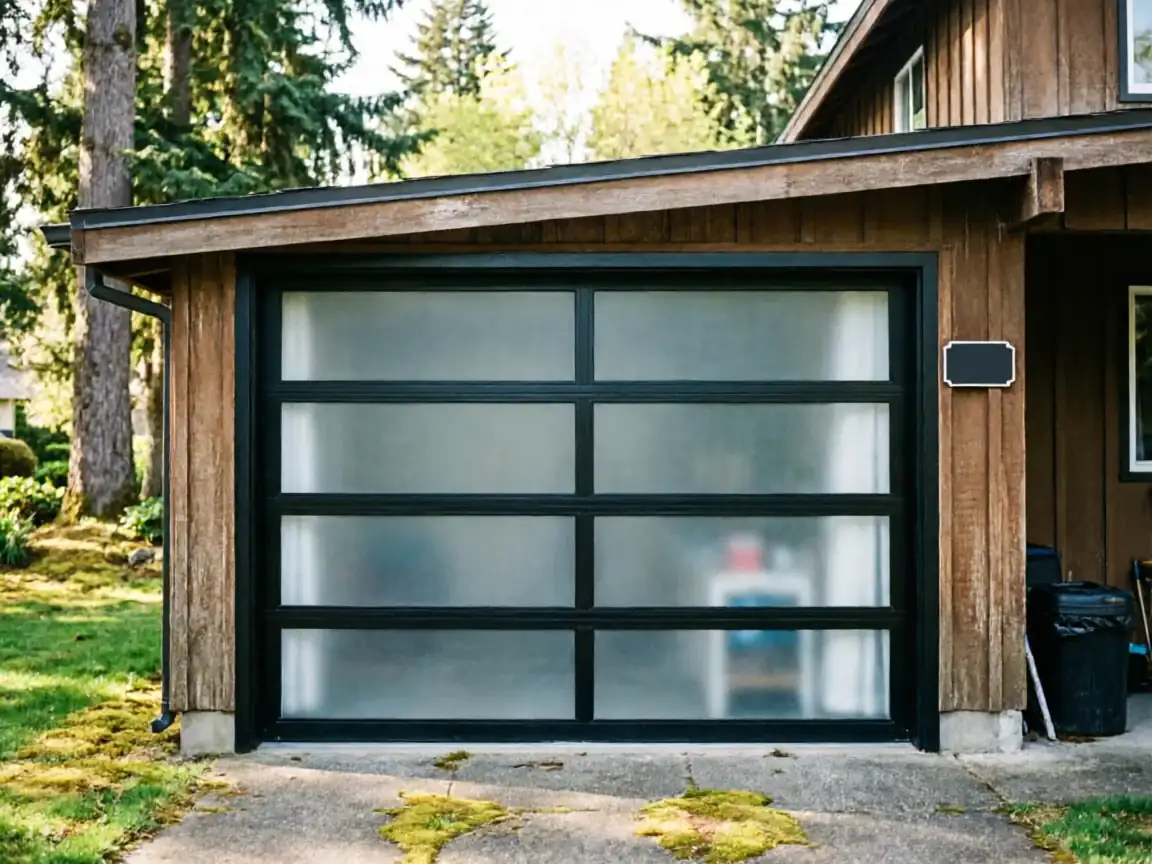
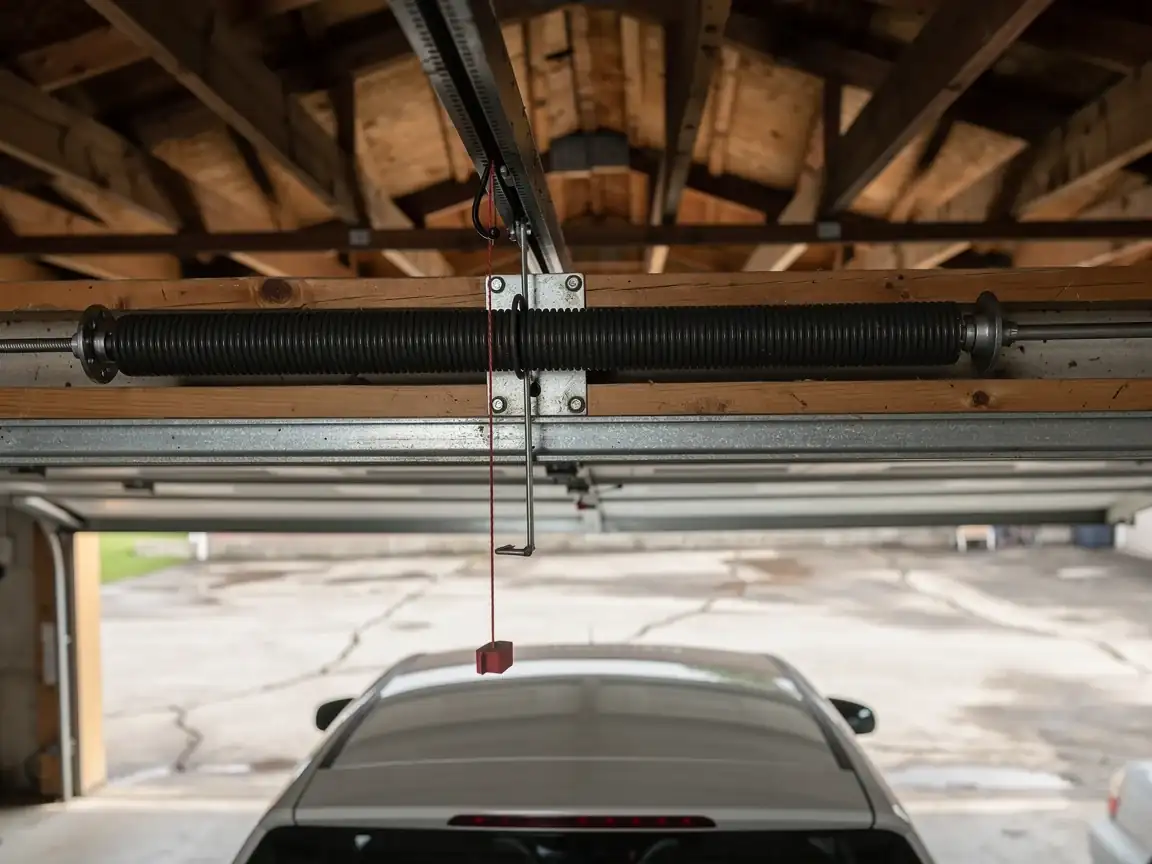
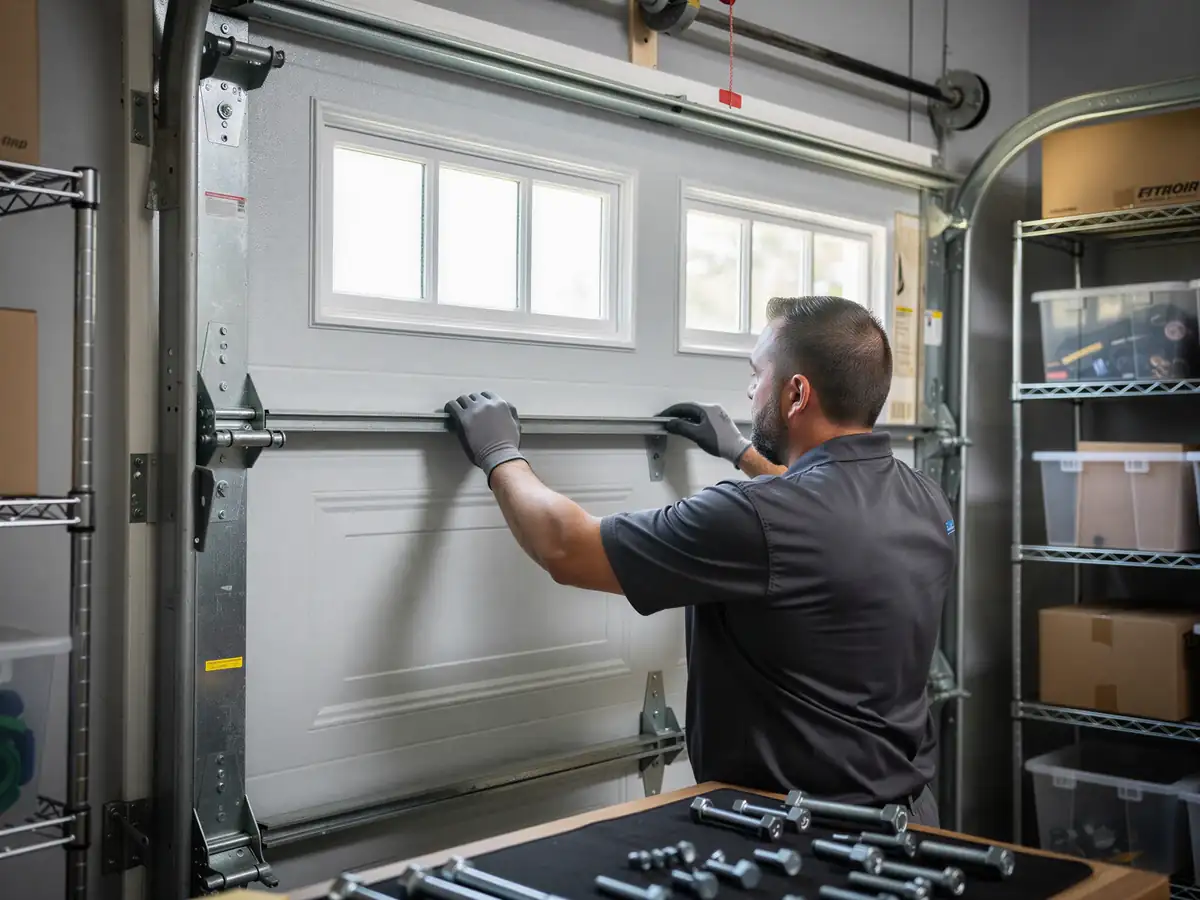
We run the truck out of Bothell, not a Kenmore depot, so what matters is what's loaded before we leave - not what's sitting on a shelf three miles away. Across the service area's roughly 84,943 owner-occupied houses, the openings skew toward sizes and mounting setups common to 1980s and 90s construction, so that's what we stock heavy: standard 16x7 and 9x7 steel sections, torsion springs sized for the heavier double-car openings that era favored, and insulated panel options for owners upgrading from the single-layer doors original to those homes. What we don't carry on the truck is anything custom-ordered - odd widths, specialty wood-look composite, or glass-panel doors with non-standard framing. Those get special-ordered after the visit, and that adds lead time we can't shrink. If your opening is a standard 1980s-construction size, which most of Kenmore's housing stock is, we can usually install off the truck same visit.
The Cost of This Job
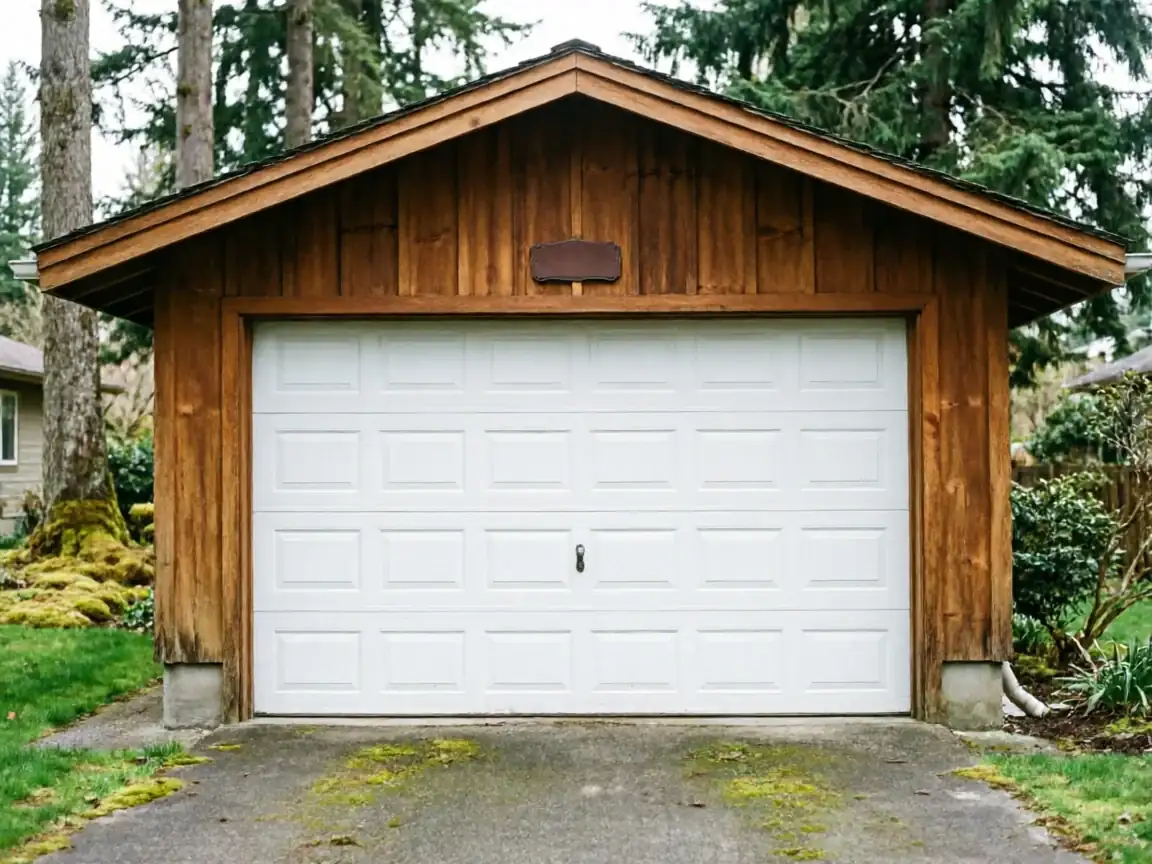
We're not going to put a number here we can't back up, because what a door costs depends on panel material, insulation rating, and whether the opener comes with it. What we can say is that household income across the broader service area runs near $138,256, and Kenmore's own median sits close behind at $137,926 - a range where insulated steel and composite doors are a realistic upgrade for most owners here, not a stretch item reserved for the high end. The honest limitation: if your opening needs reframing because the house has settled, or if you want a non-standard size special-ordered, that adds cost and time we can't estimate without seeing it. A straightforward swap on a standard 1980s-construction opening is the job we can quote with confidence on the spot. Anything custom, we quote after we're standing in front of it.
How It Shows Up
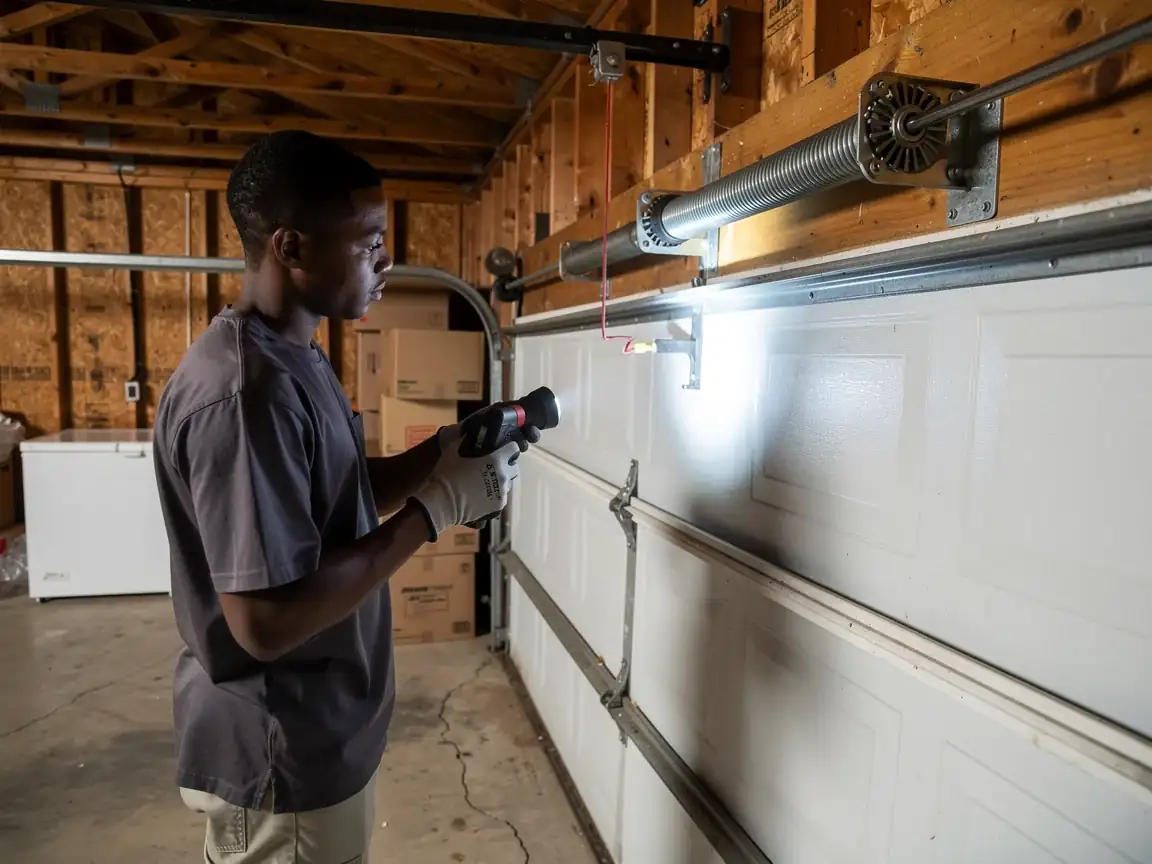
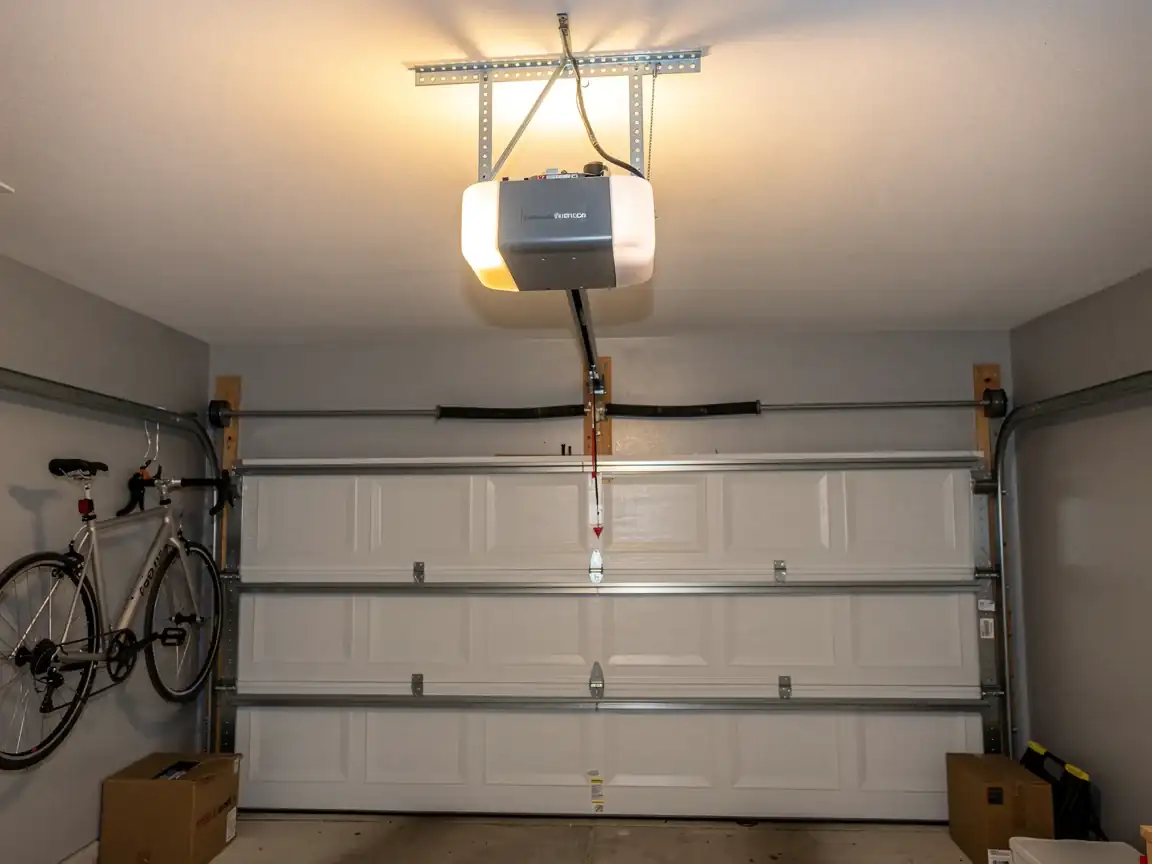
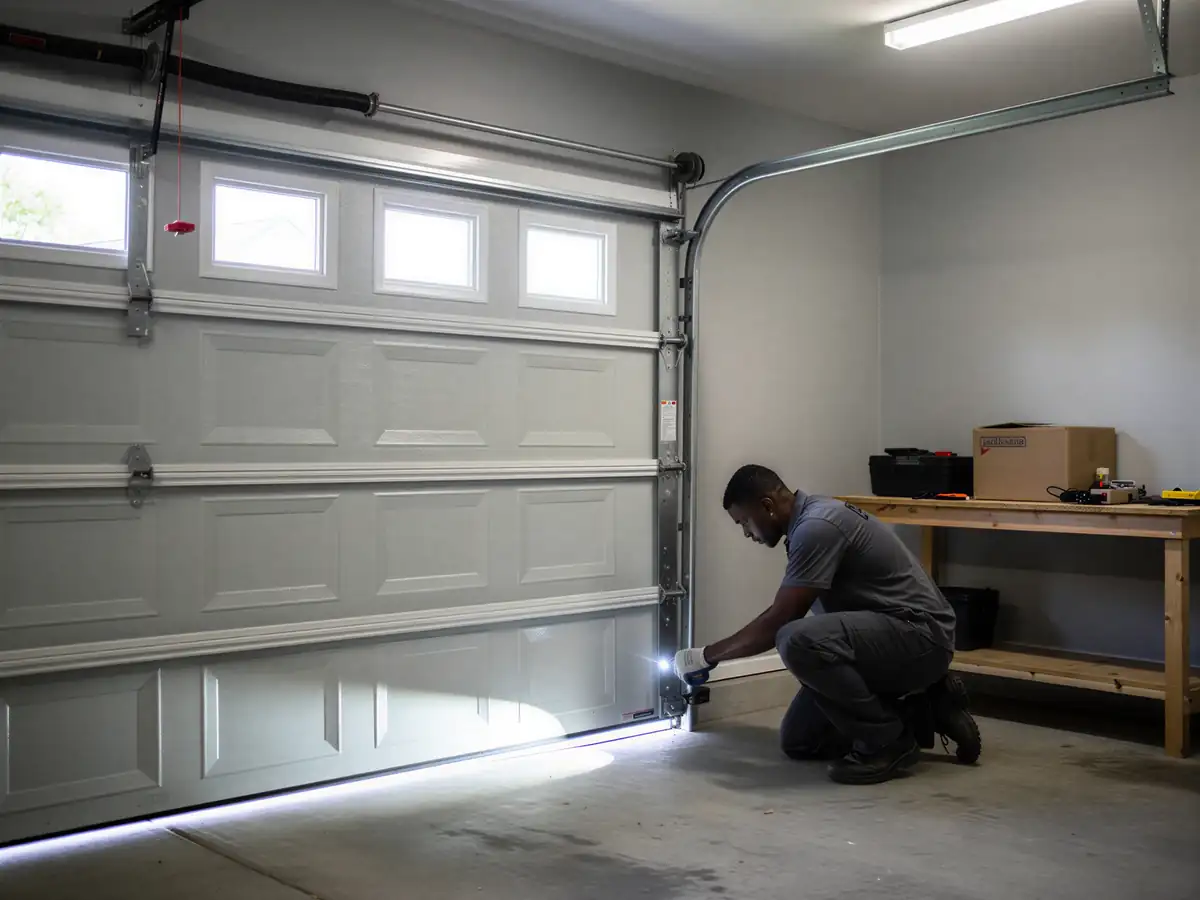
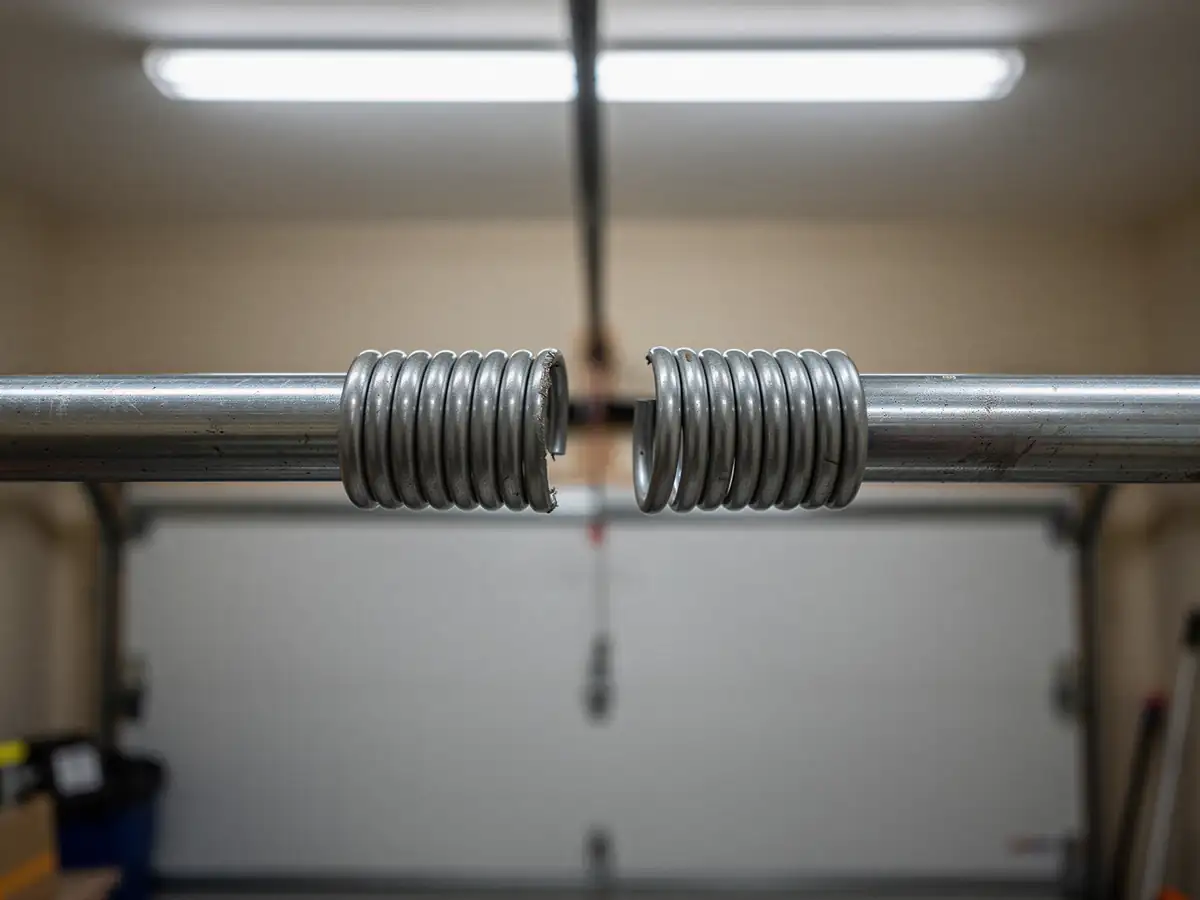
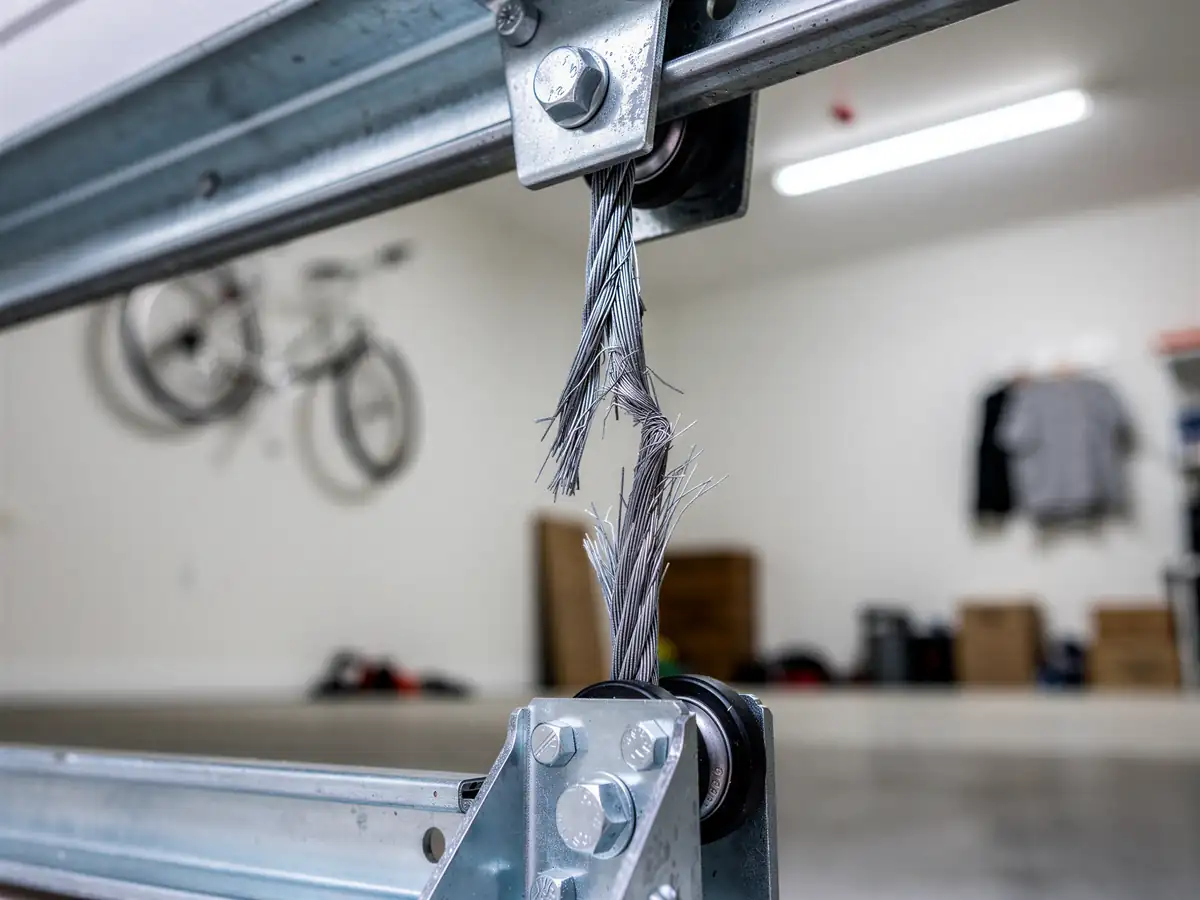
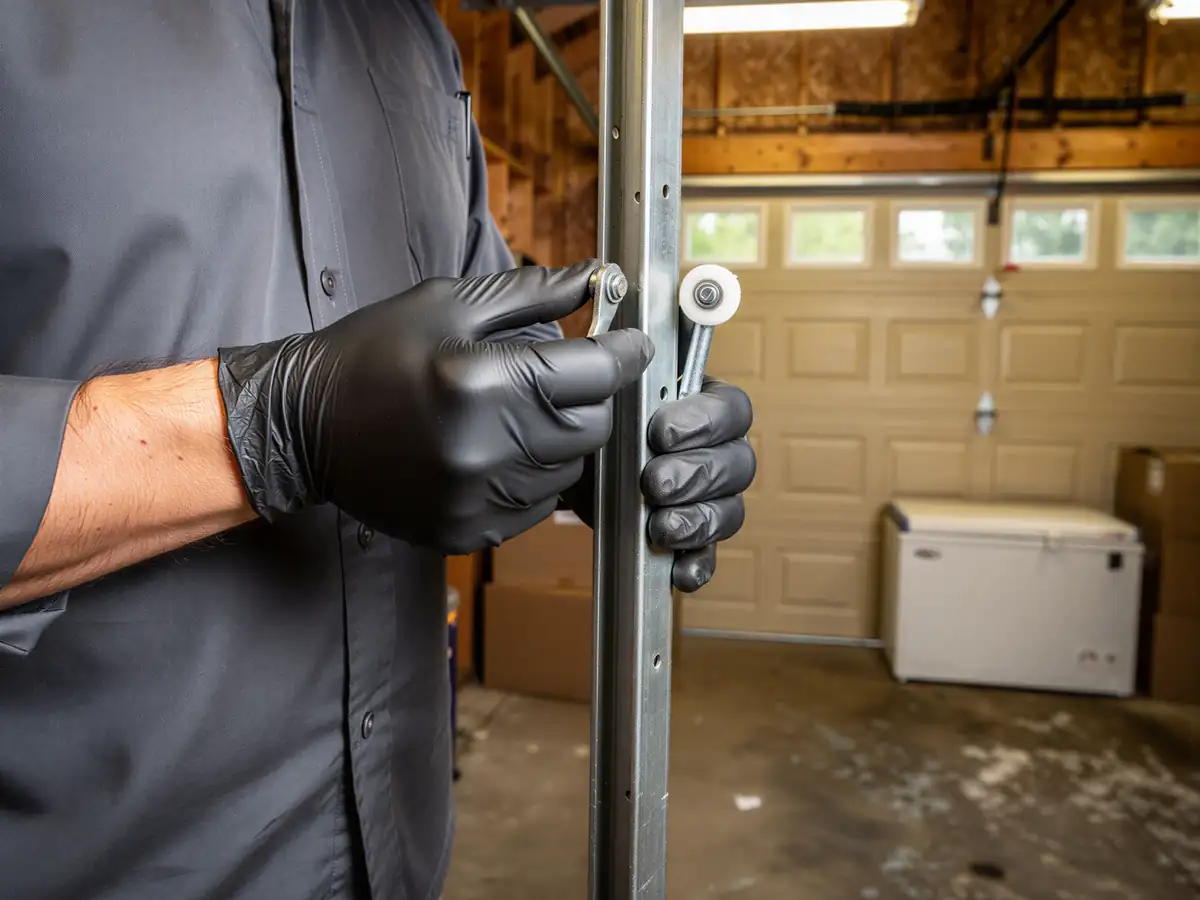
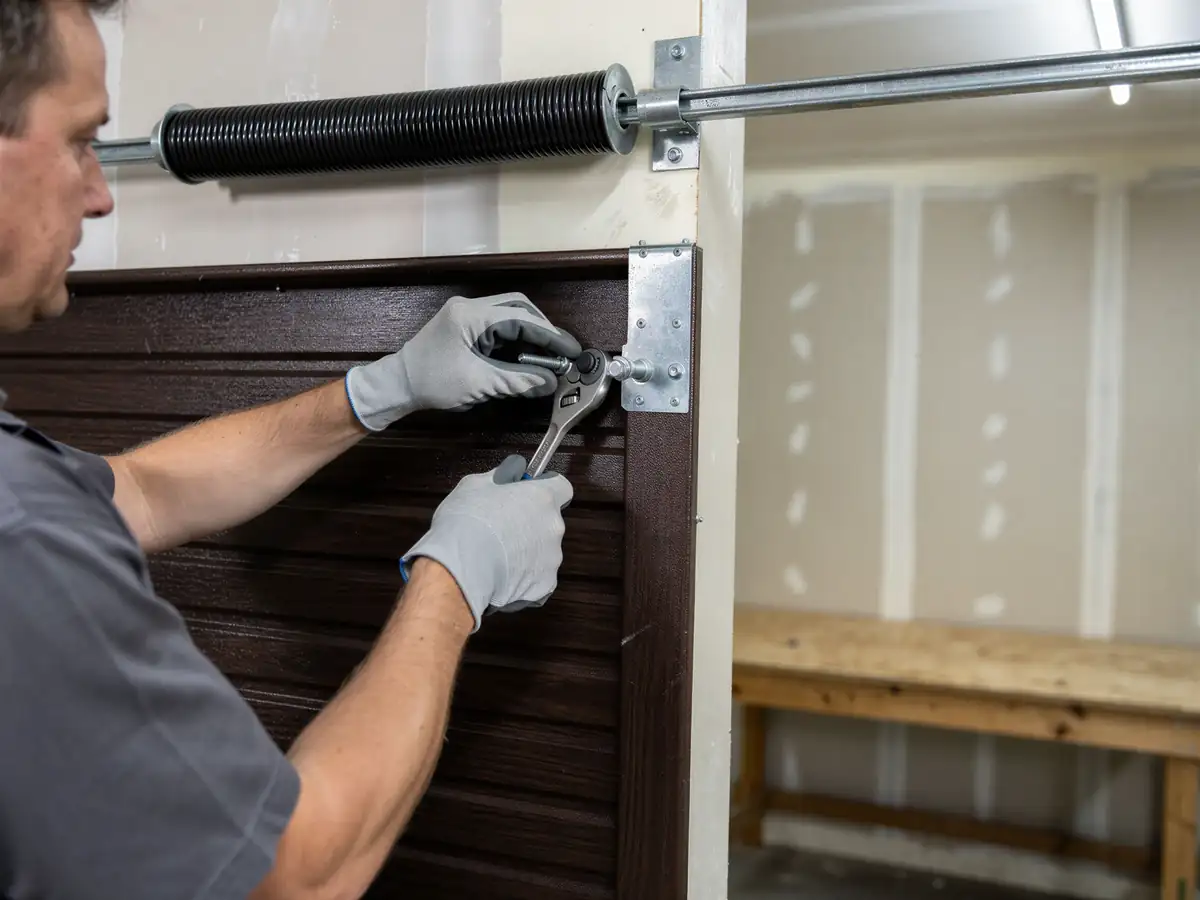
On a Kenmore house from the 1984 era, the tell isn't usually a dramatic failure - it's a door that's gotten heavy to lift by hand, or an opener straining audibly on a panel it was never sized for after a mid-life opener swap. Original single-layer steel doors from this period show their age as cold seeps through the garage in winter, since the climate here runs cold and moderate and a 40-year-old door was never built with today's insulation standards in mind. Panels that have taken a dent or two over the decades don't fail outright, but they throw the door out of square enough that the opener's force sensor starts tripping. If you're hearing a grinding pop on the way up, or the door reverses partway through closing with no obstruction in sight, that's usually the spring or the track geometry giving out on hardware installed when the house was new - and at that point replacement is the honest answer, not another repair.