Why It Happens Here
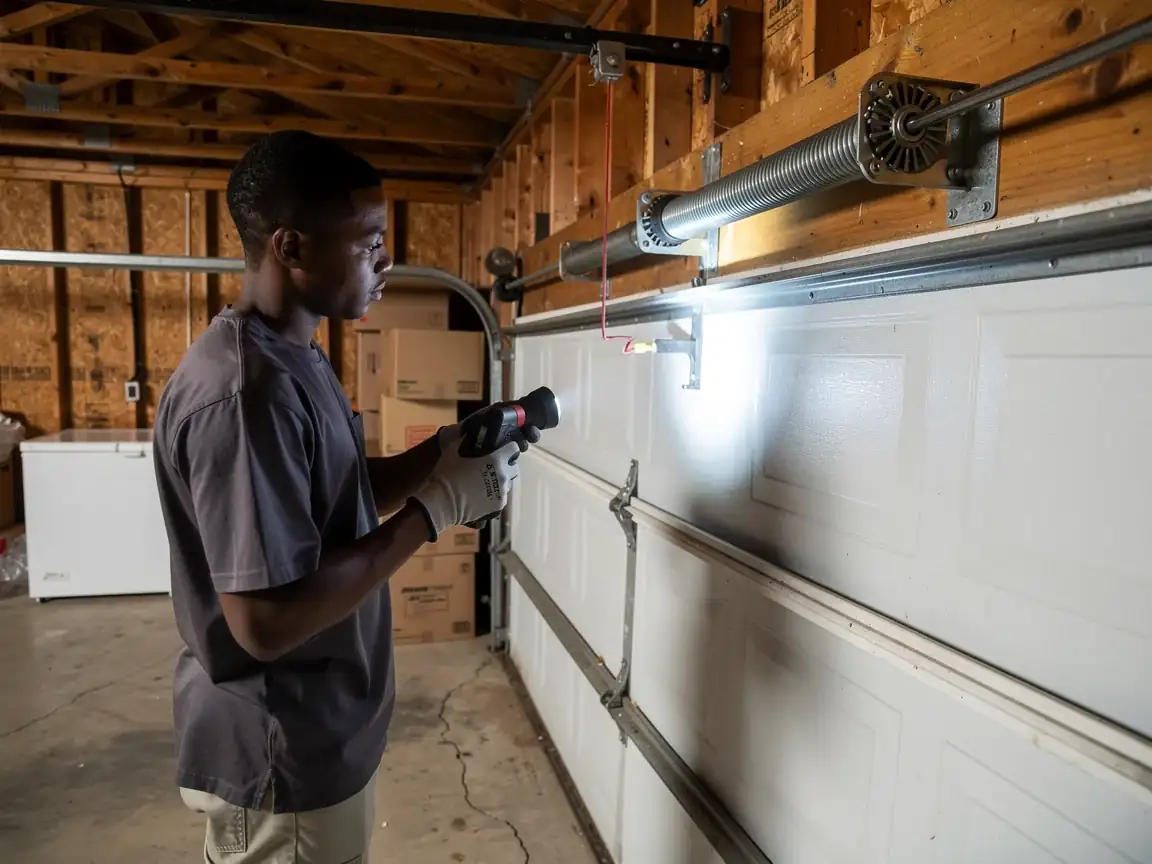
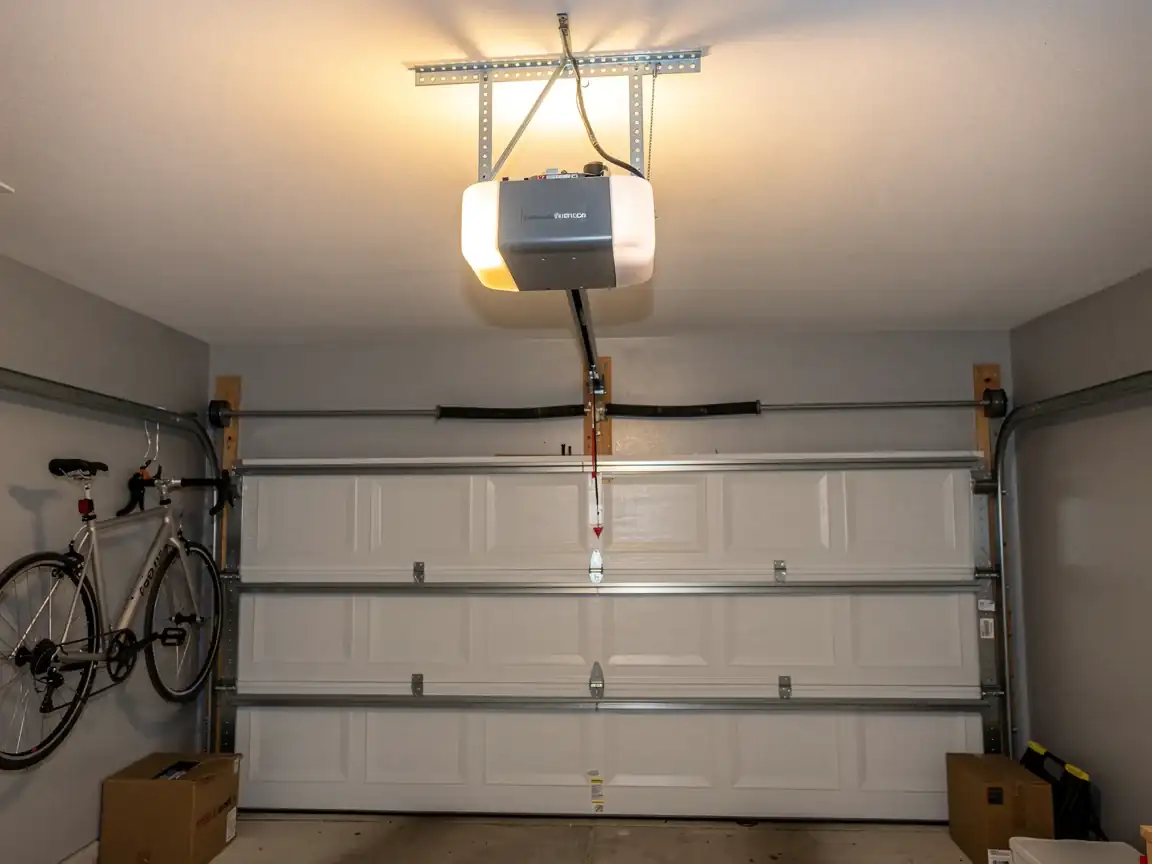
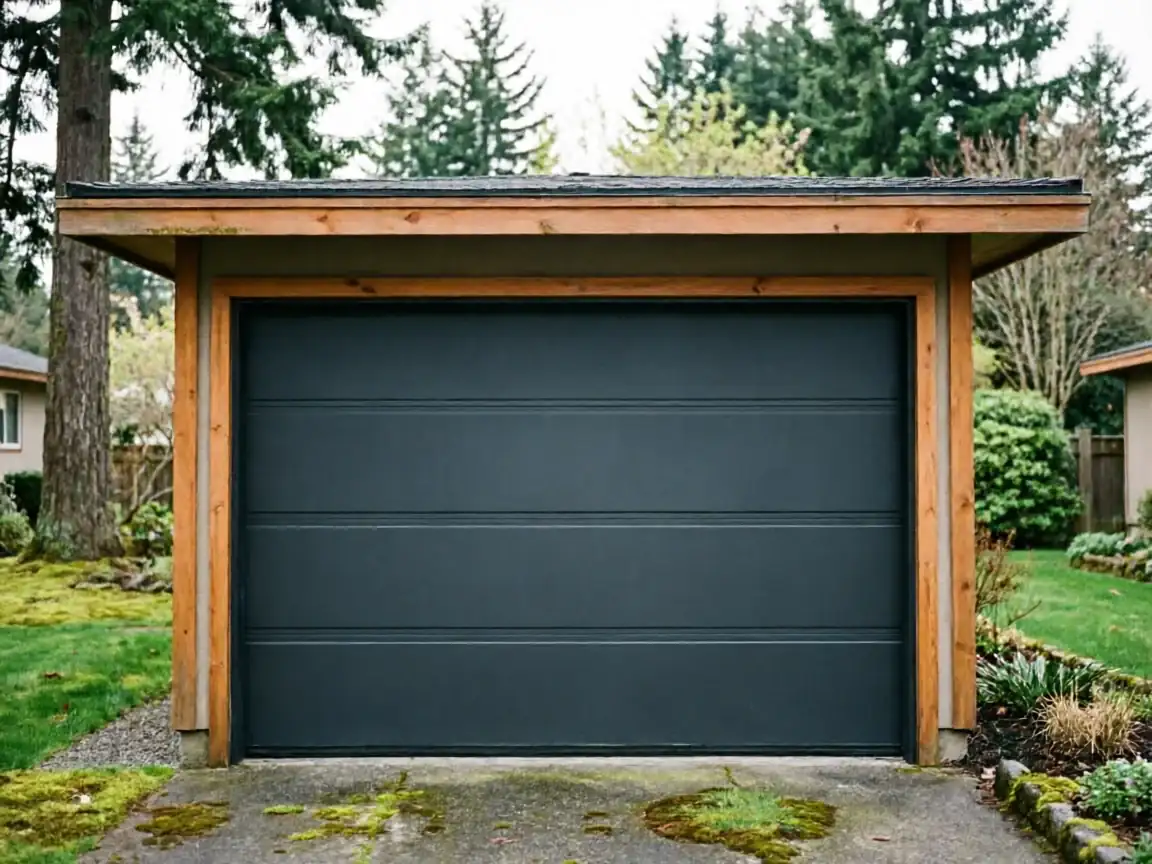
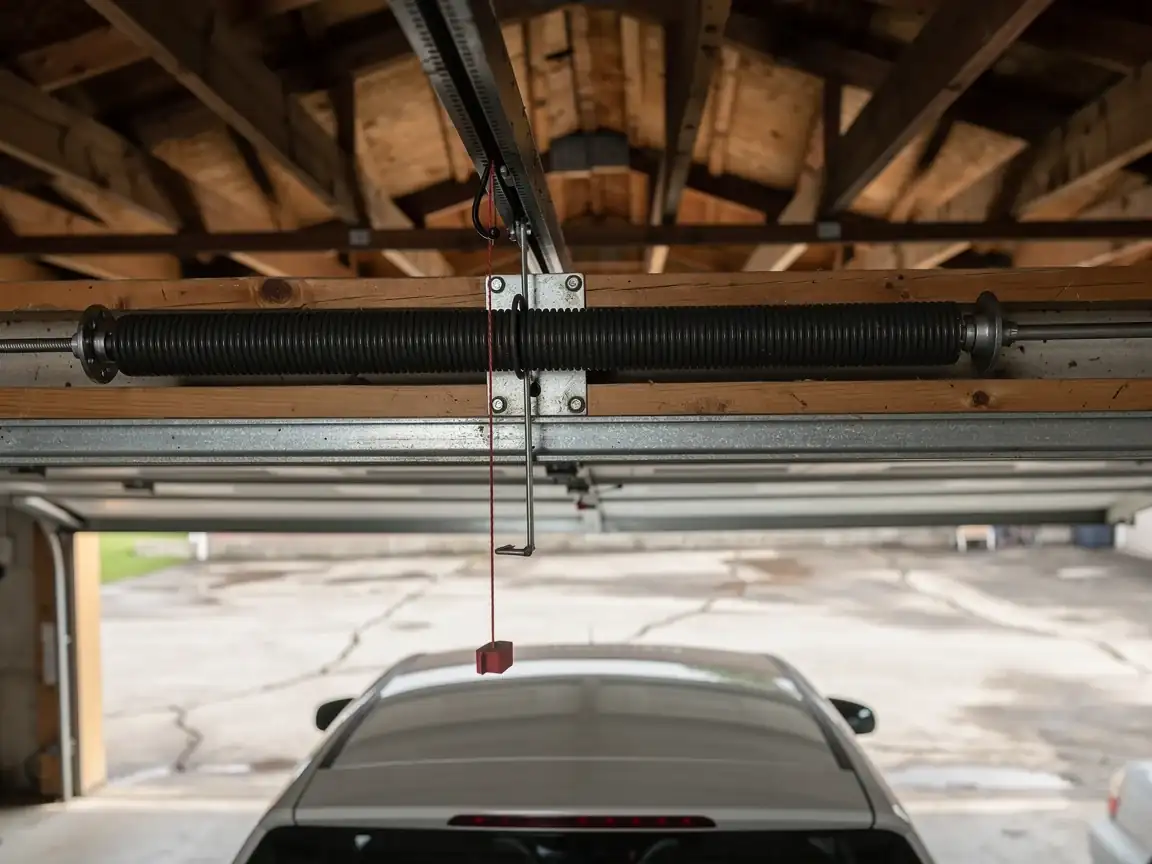
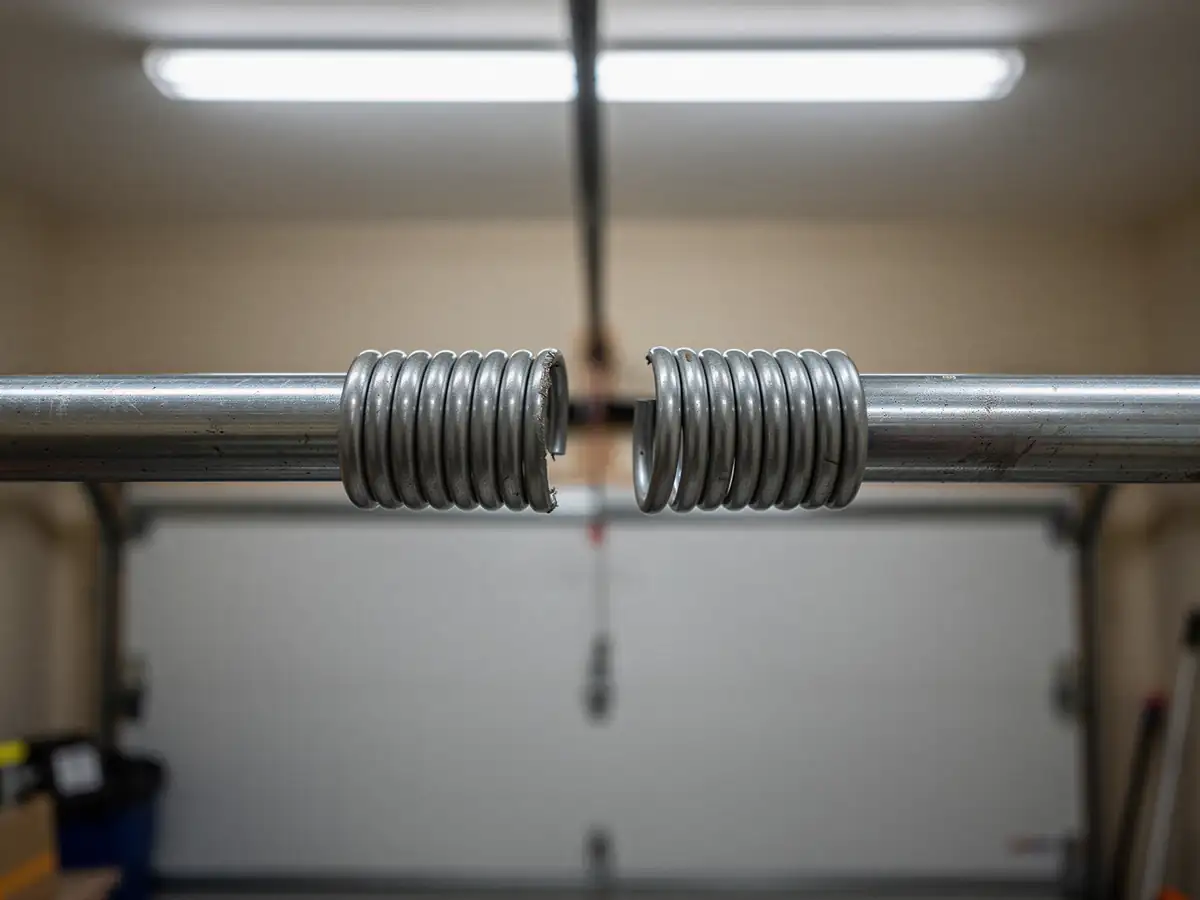
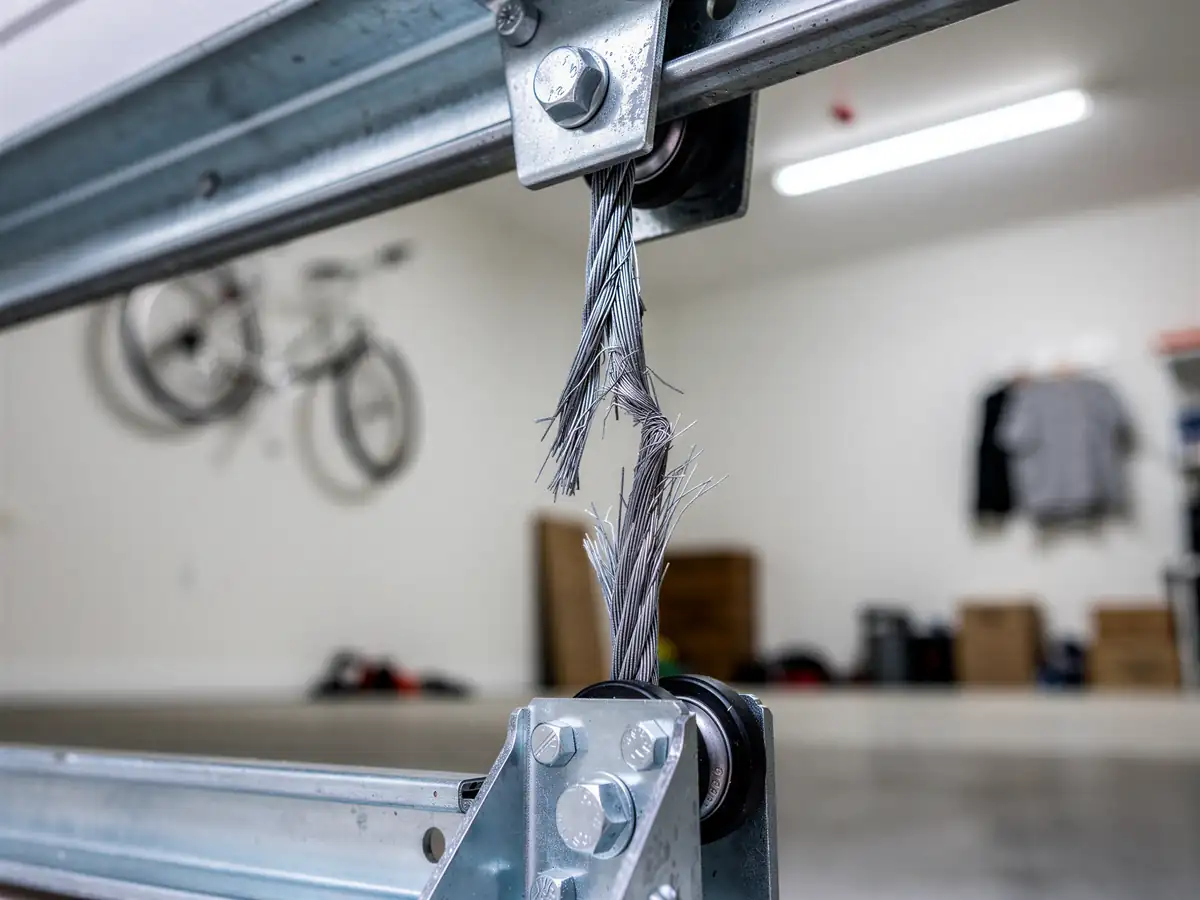
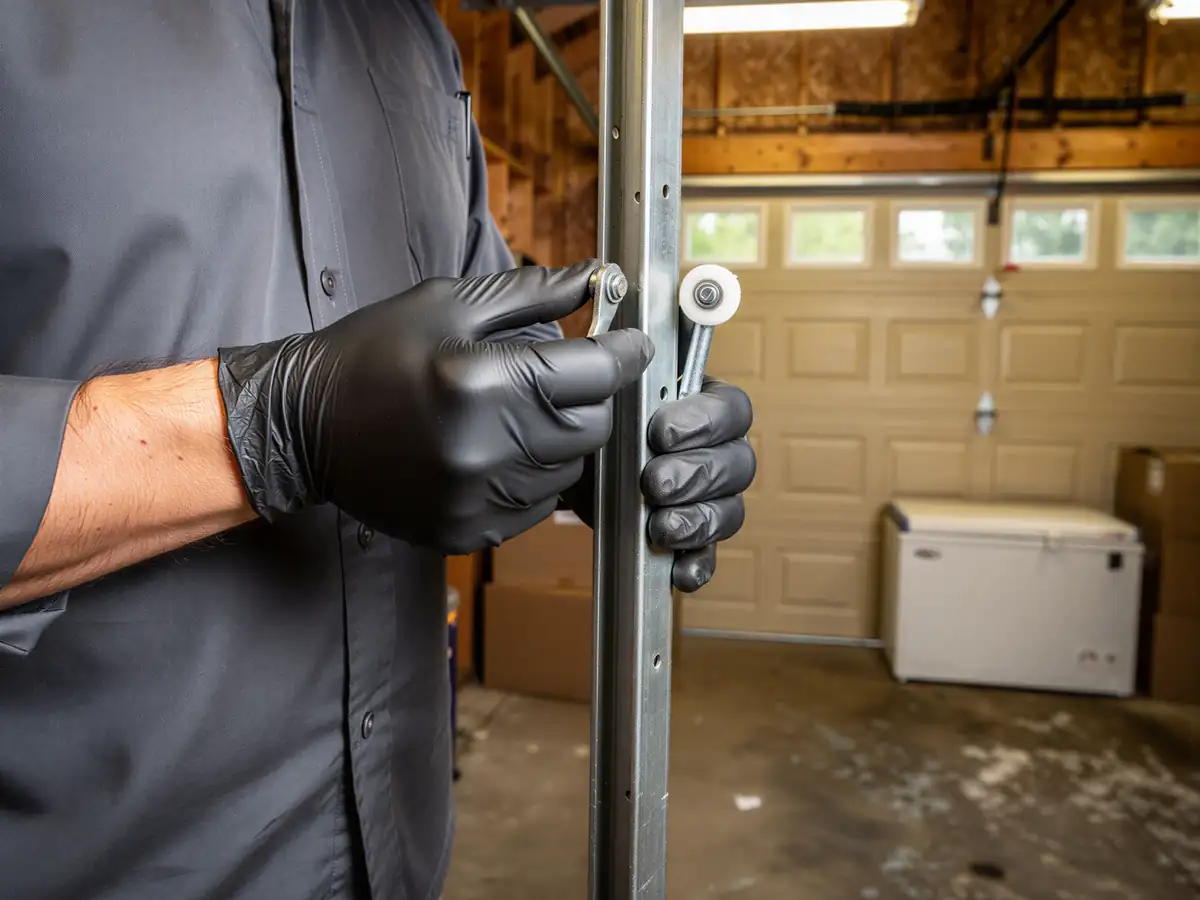
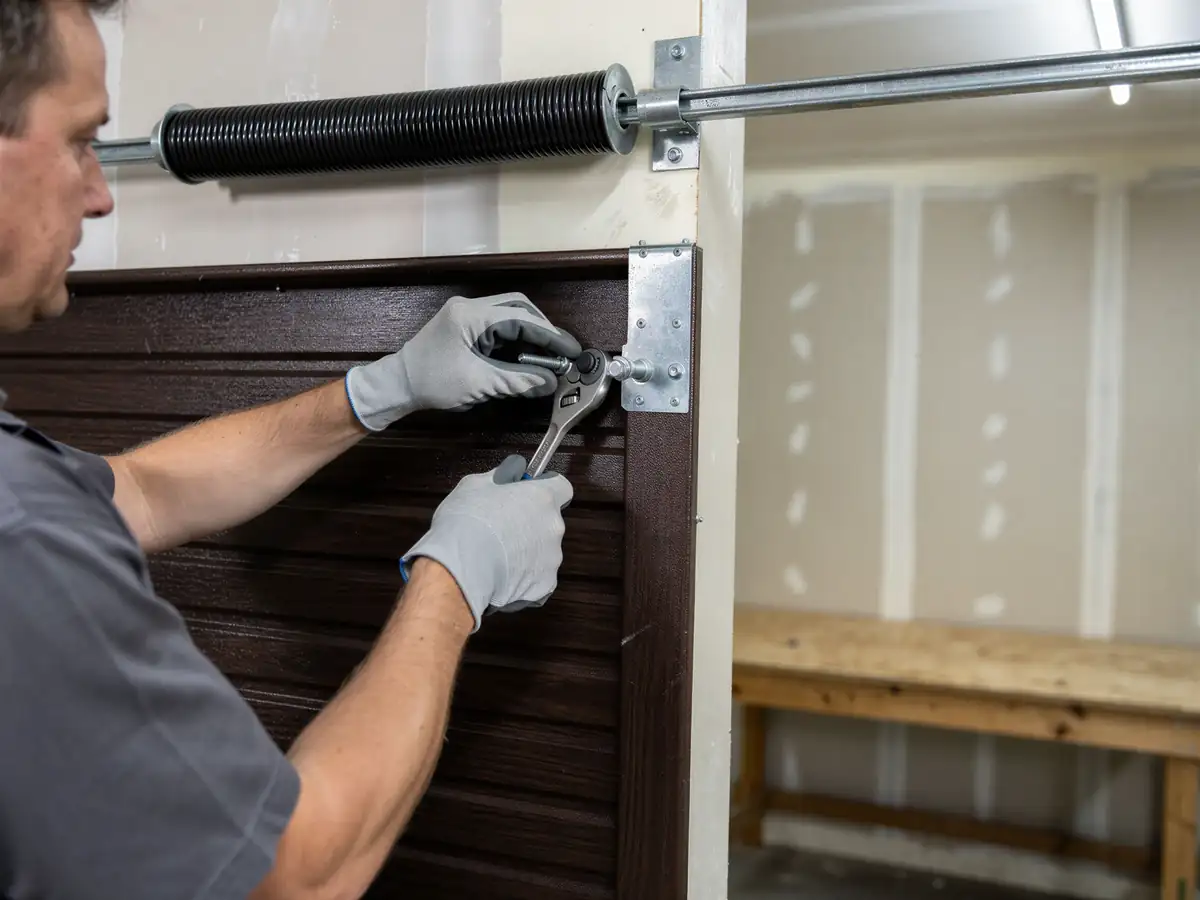
Kenmore's median home was built around 1984, which puts it almost dead center in the 1966-2001 range that covers this whole service area. That matters because it means Kenmore didn't get the mixed bag of eras you see elsewhere - a run of mid-80s builder-grade torsion systems went up close together, and they're all hitting the same wear point at roughly the same time. The springs sized for those doors, the stamped-steel brackets, the single-piece flat-panel steel doors - all of it is reaching 35-40 years, which is past the point where lubrication alone fixes the noise. We see the same symptoms house after house here: worn roller bearings seizing in their brackets, galvanized cable fraying at the drum, and center hinges that have stretched their screw holes oval. The regional climate band is cold-moderate, so it's not heat cycling causing most of this - it's just age plus repeated damp-dry swings on hardware that was never stainless to begin with. One thing we won't do is tell you a tune-up fixes a spring that's already stretched past spec. If it's sagging or showing gaps between coils, that's a spring swap, not a service call.
Stocked Parts
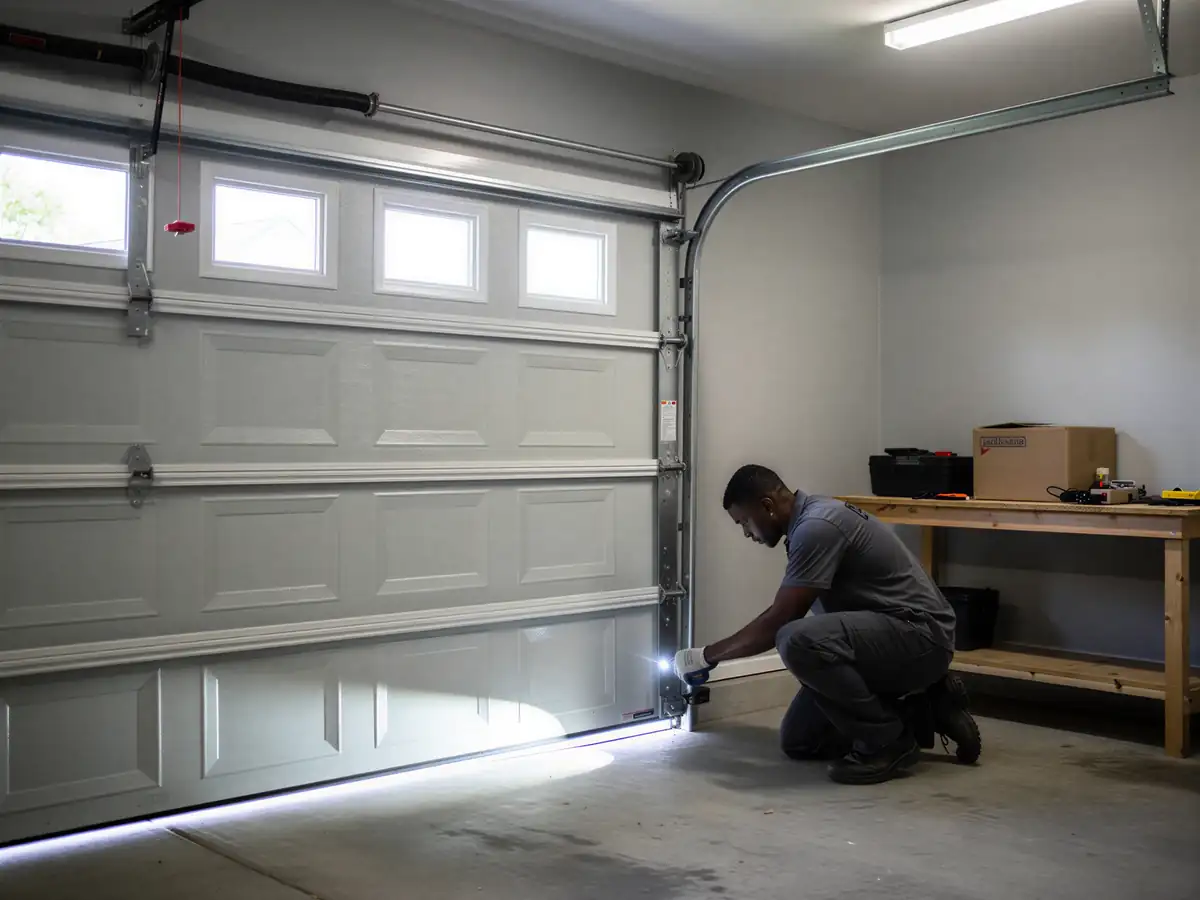
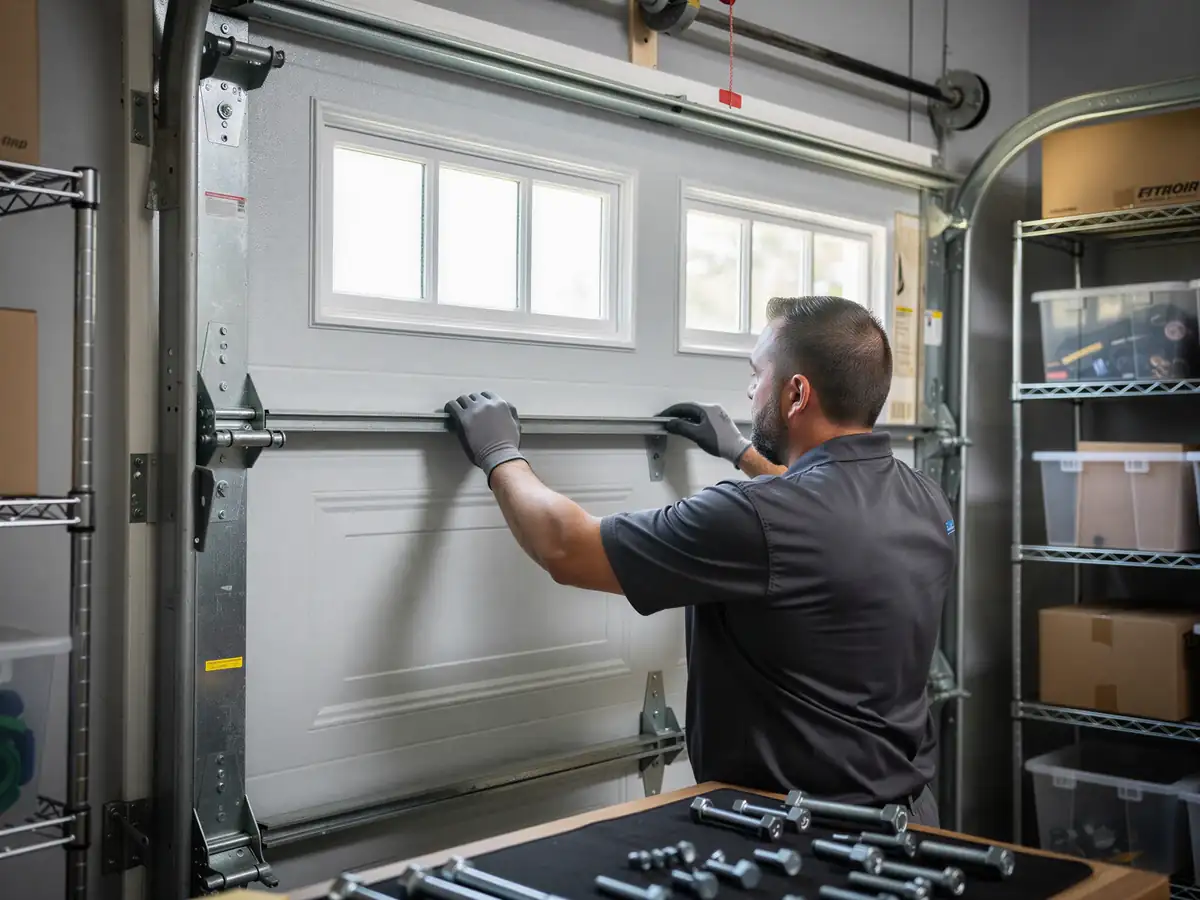
Because so much of Kenmore's housing landed in that same mid-80s window, the truck carries the parts that fit it: standard torsion springs in the common wind sizes from that era, 1-3/4-inch steel rollers with sealed bearings to replace the open ones builders used back then, and galvanized lift cable in the lengths that match a 7-foot door on a two-car garage, which was the standard size for homes built in this period. We also carry universal center hinges and end bearing plates, since the stamped originals from that build era are long out of production and the replacement hinges we use are a direct bolt-up, not a custom fit. What we don't carry on the truck are specialty wood-clad or custom-width panels - those get special-ordered, and that's a lead-time conversation we have up front rather than after we've pulled your door apart.
The Cost of This Job
We don't publish flat prices here because spring sizing and hardware condition vary door to door even within the same build year, and quoting a number without seeing the door does nobody any favors. What we can tell you is that median household income across the service area sits at $138,256, with Kenmore close behind it at $137,926, which is part of why we stock mid-grade, not bargain-bin, replacement hardware as the default - it holds up better over another 15-20 years than a cheaper part would, and most owners here are making that same trade-off when they ask for options.
How It Shows Up
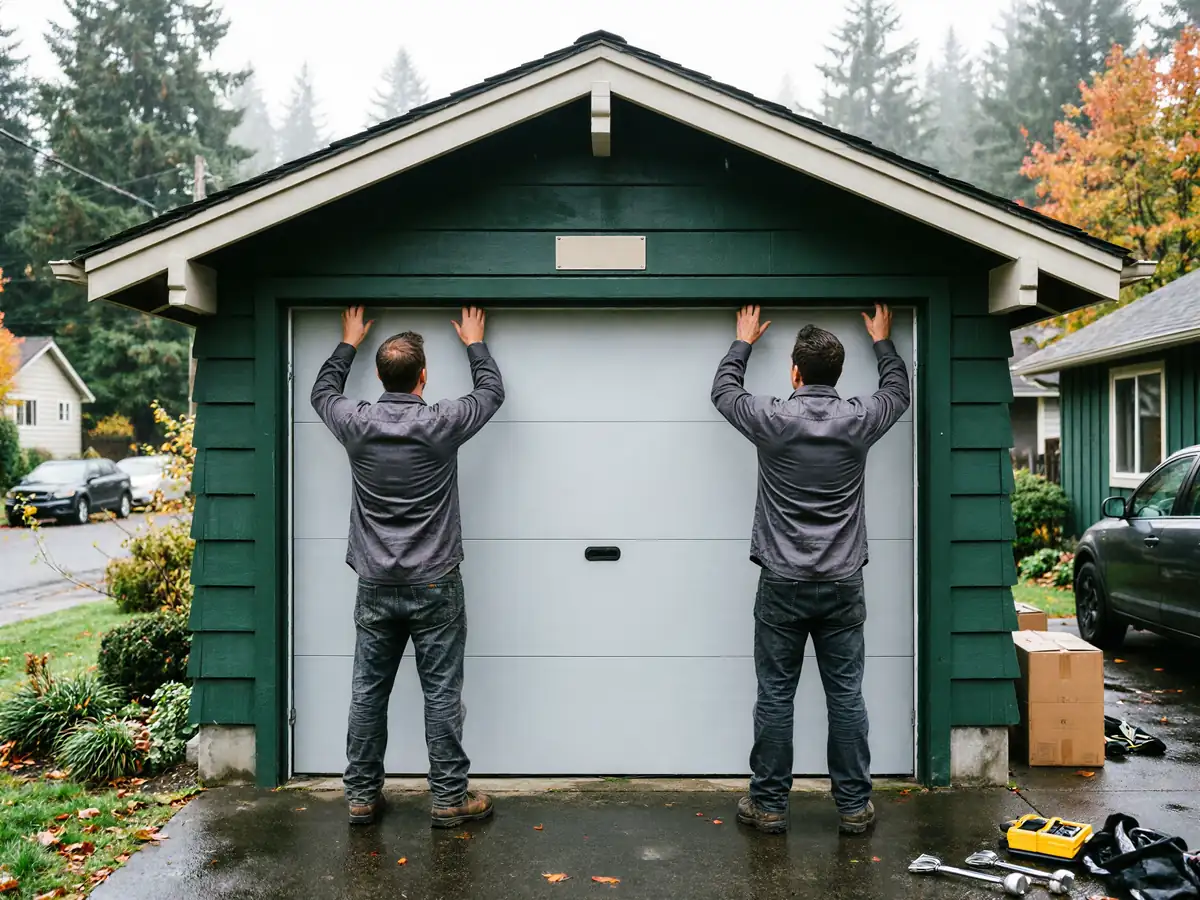
The complaint we hear most from this stretch of houses is a door that's gotten loud - not a sudden grind, but a gradual creak that's been ignored for months. That's usually the rollers. A door that drifts crooked as it closes, or one side that visibly sags lower than the other when it's halfway down, points to a stretched cable or an unevenly worn spring. If the door feels heavy to lift by hand with the opener disconnected, that's the spring losing tension, and it's worth a call before the opener motor starts straining to compensate and burns out early trying to do a spring's job.