Why It Happens Here
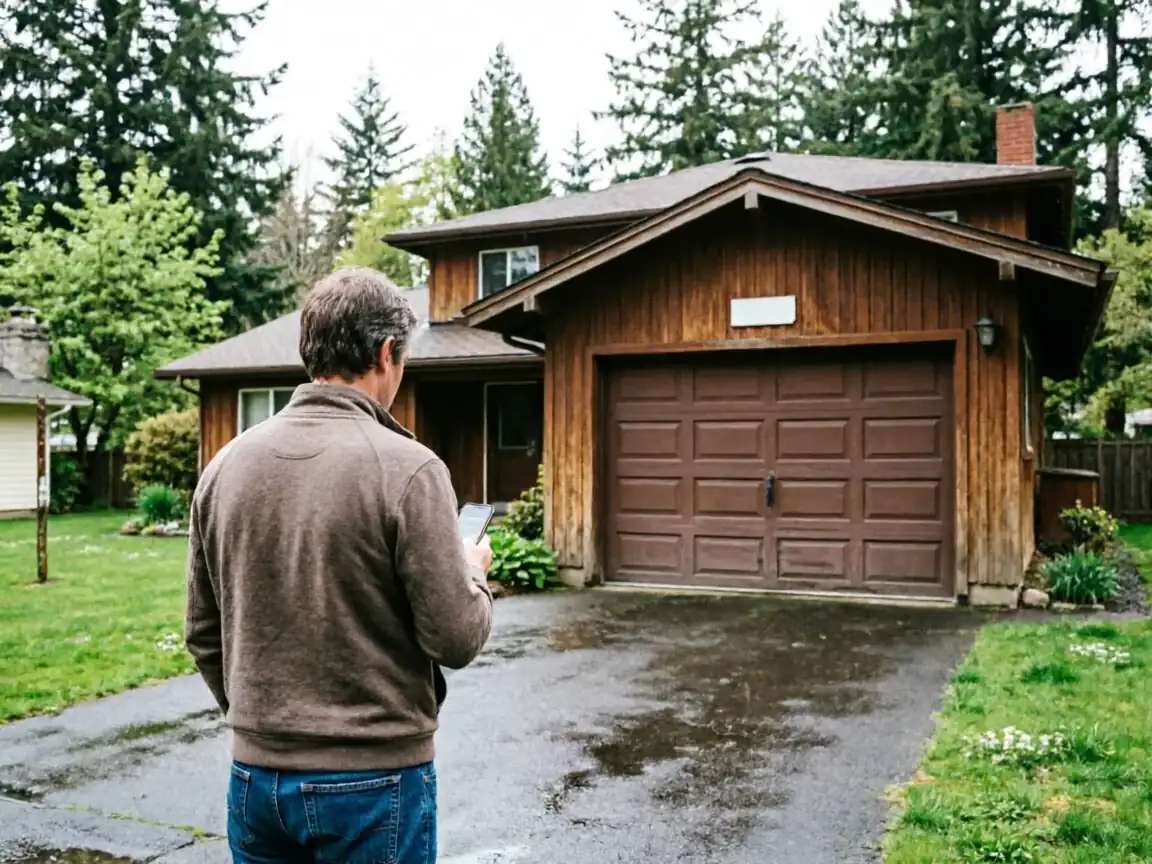
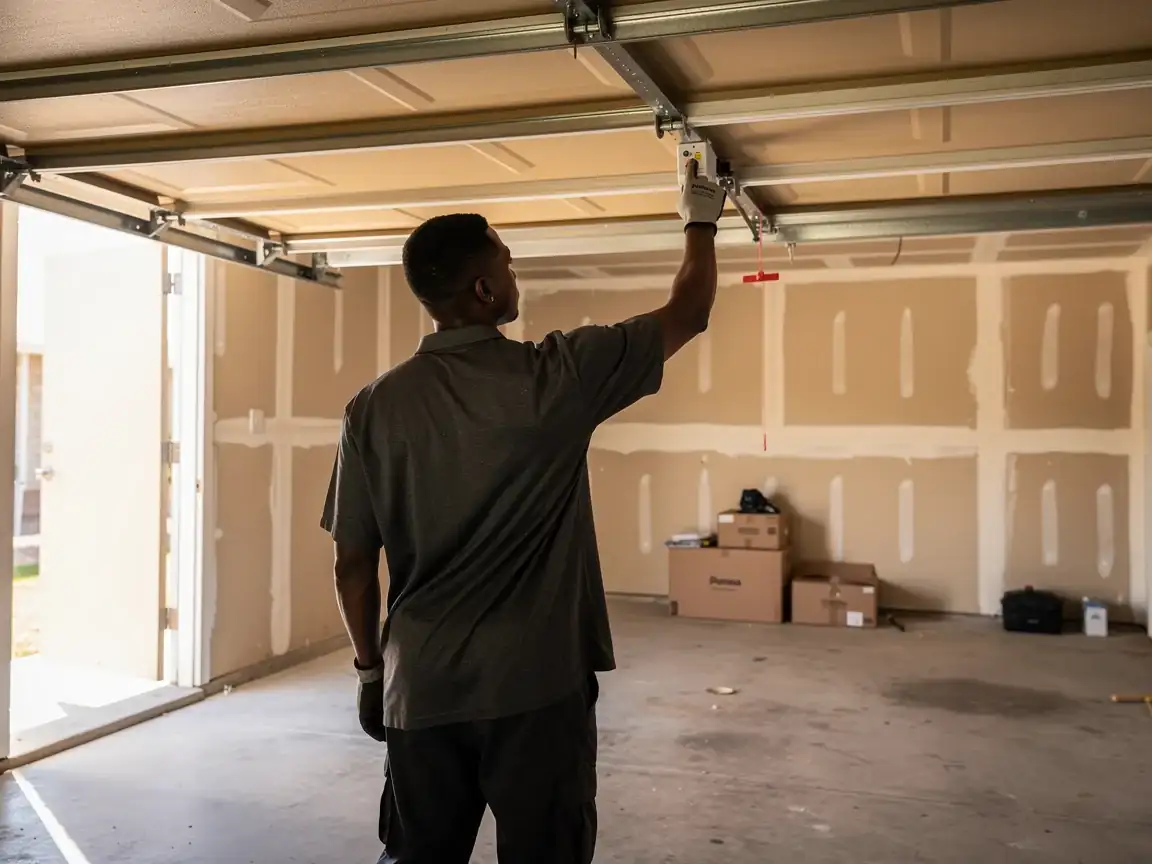
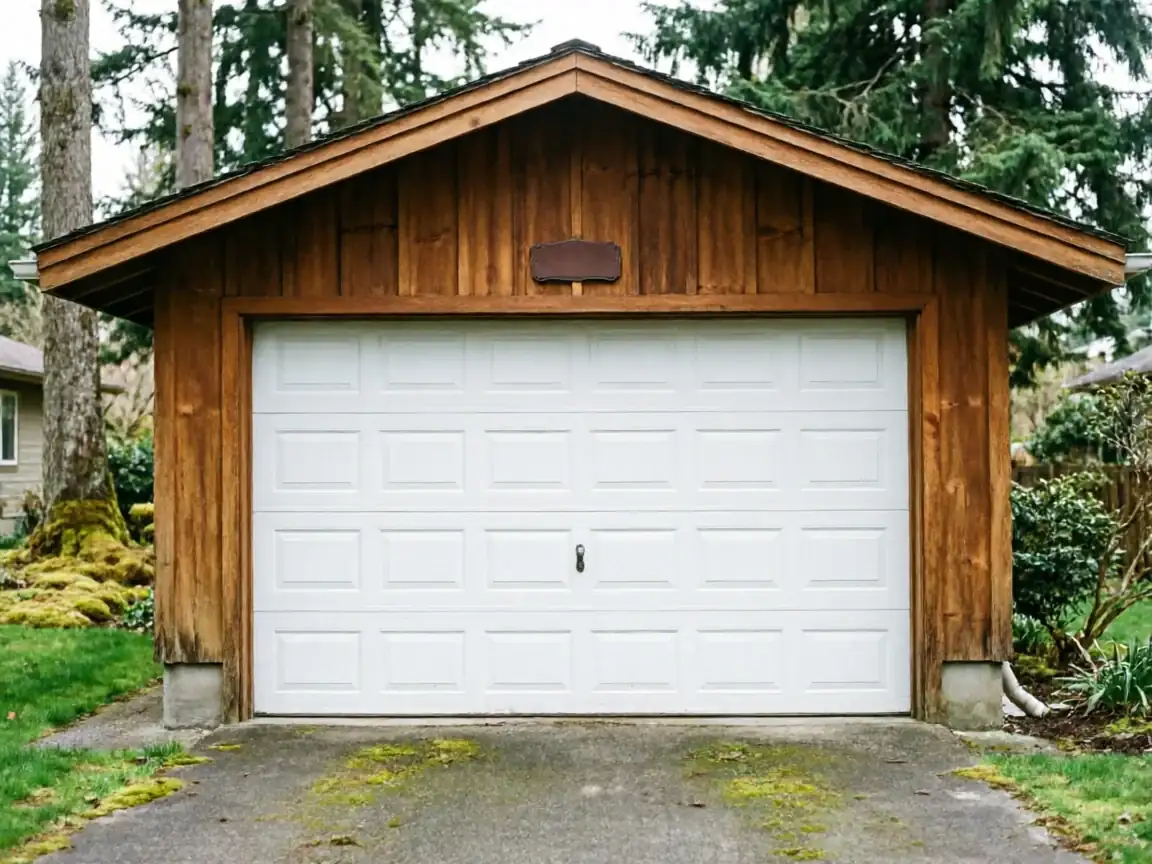
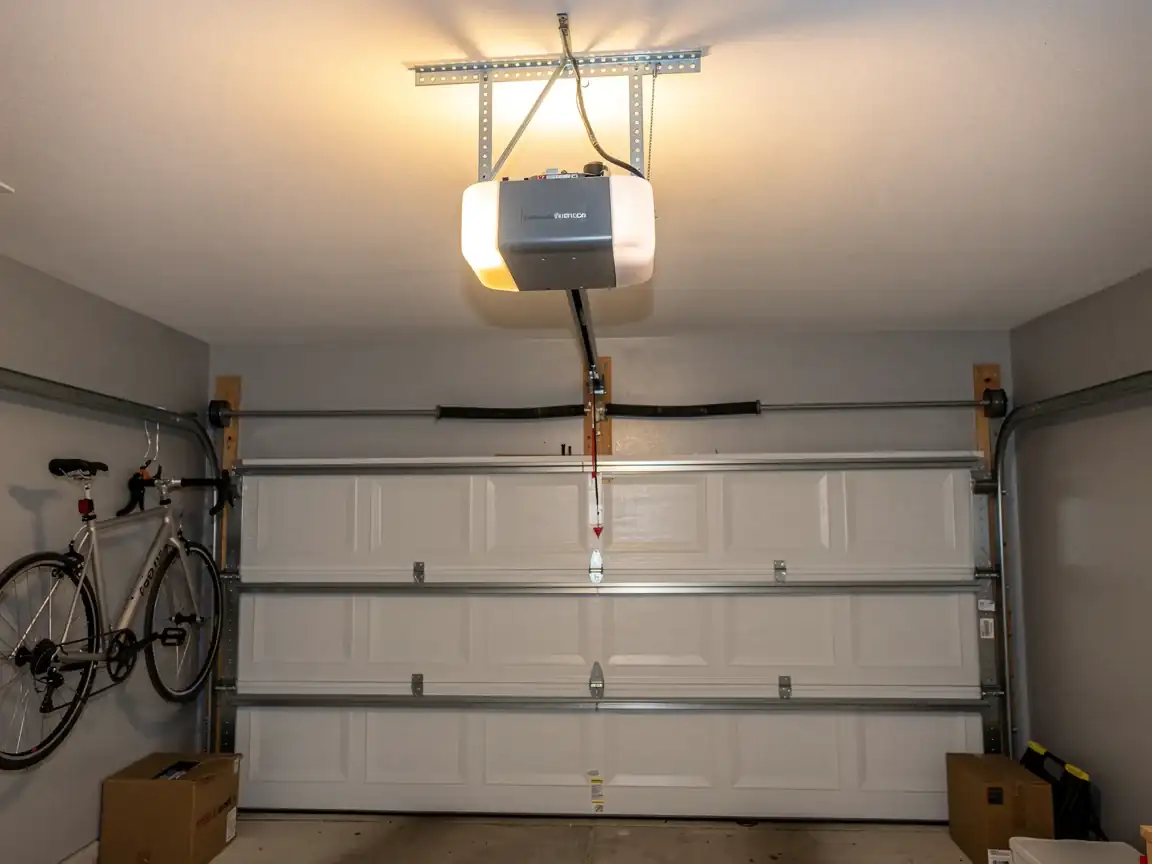
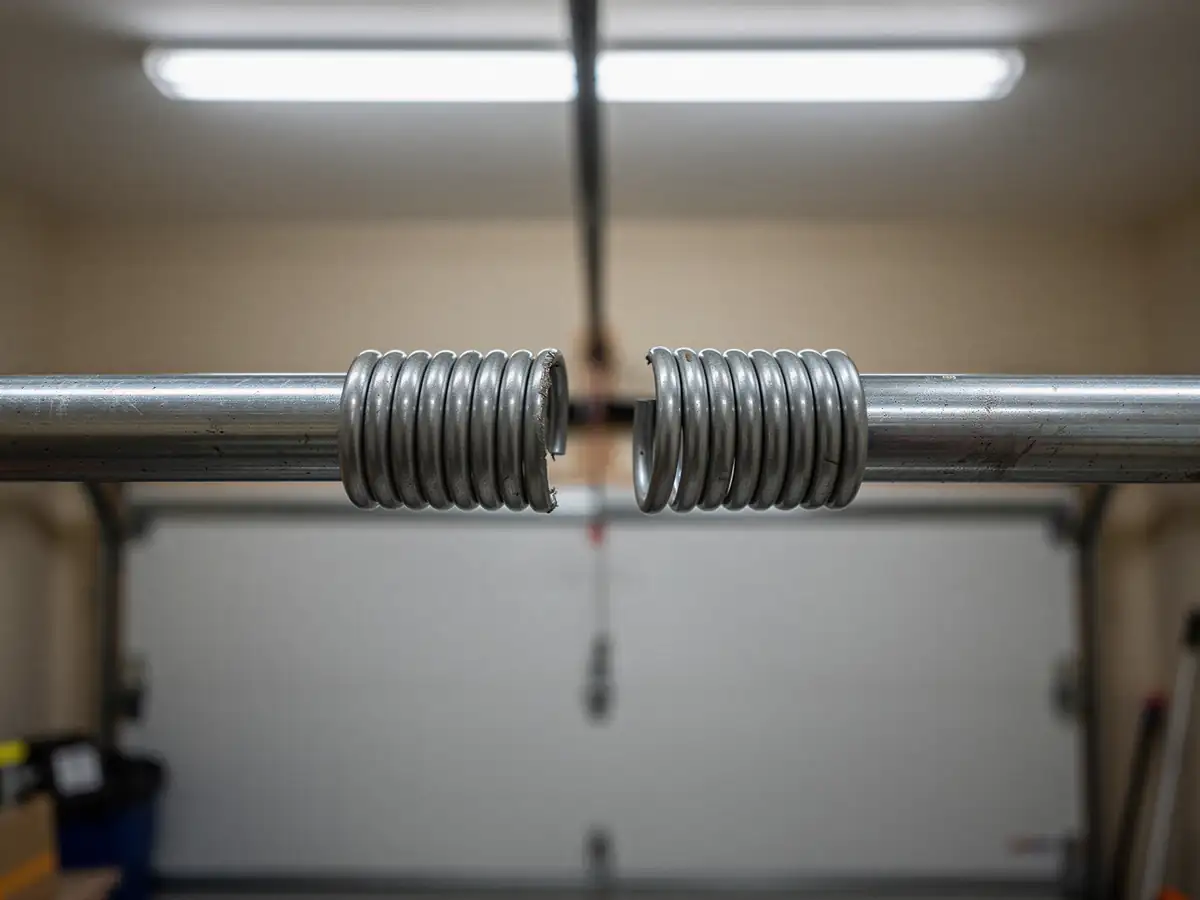
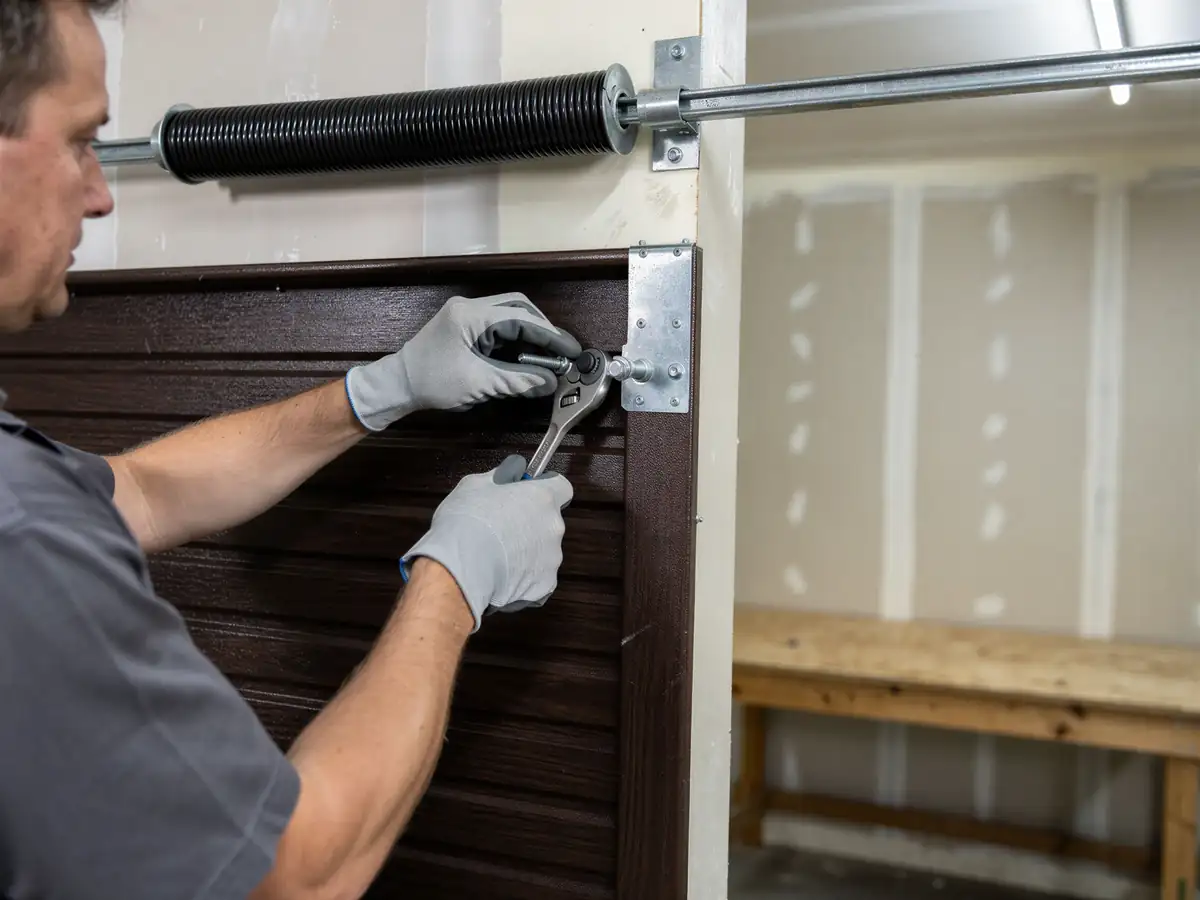
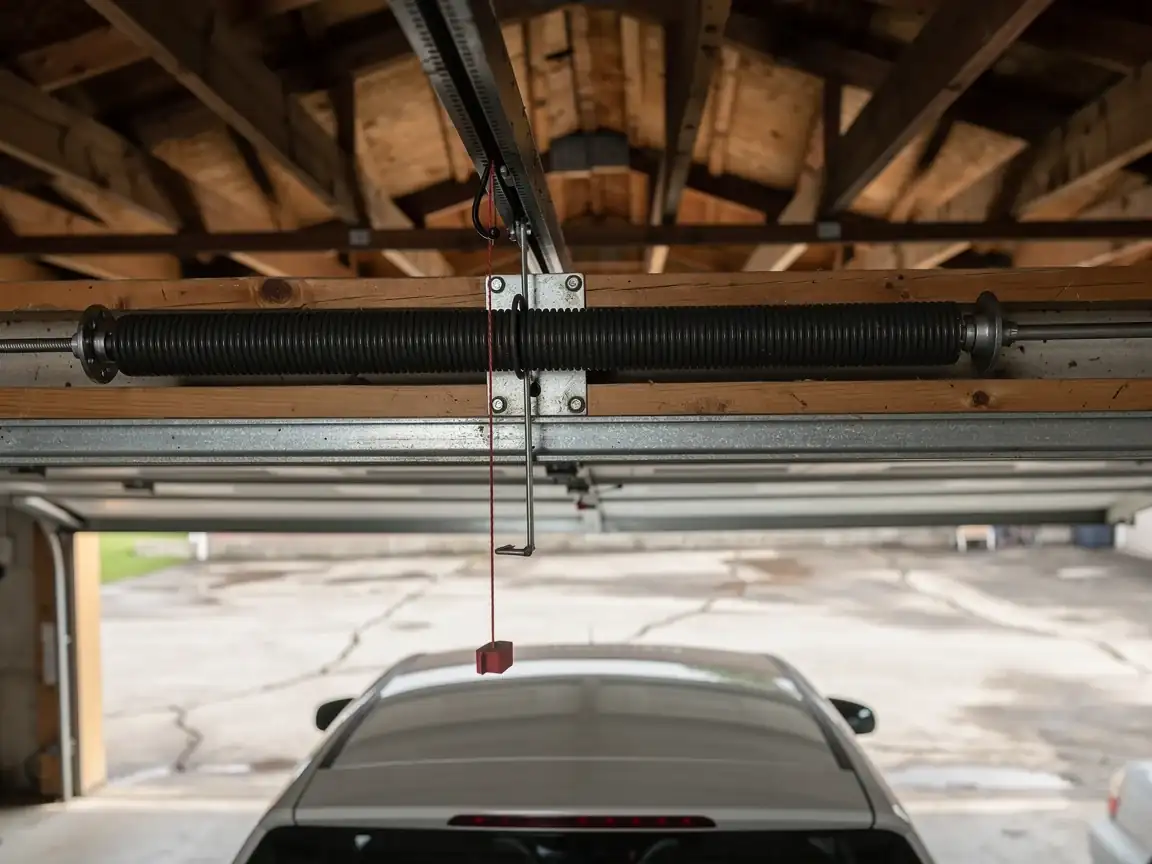
Most houses on Mercer Island went up around 1973, which puts the typical door and opener here a full decade ahead of what you'll find in newer pockets of the Bothell service area. That matters because 1973 construction usually means a steel sectional door on an extension-spring system, not torsion, paired with an opener bracket mounted straight to a ceiling joist with no safety sensor retrofit unless someone added one later. Extension springs on a door that old have usually been replaced once already, sometimes with the wrong cycle-rated spring for the door weight. The climate here is the same cold, wet Pacific Northwest band the rest of our territory sits in, so the failure pattern is the usual one: moisture in the track, rust creeping into the spring coils, and hardware that was never rated for fifty winters of use. We don't guess at what's behind the wall here - a door from this era tells you what it is before you even open the panel, and we go in expecting extension springs and old brackets until we see otherwise.
Booking a Visit
We cover Mercer Island out of Bothell, about 14 miles up the road, so a visit here gets scheduled as a dispatched call rather than a walk-in from a local shop. Tell us the age of the house if you know it and whether the door has ever been serviced - that one detail changes which parts we bring. We don't keep a branch on the island, so we're not the company to call for a same-hour emergency with no notice; if the door is stuck shut with a car trapped inside, say so when you call and we'll tell you honestly whether we can get there that day or whether it's a next-day job. Booking ahead gets you a tech who's already loaded the right springs.
Where This Job Goes Sideways
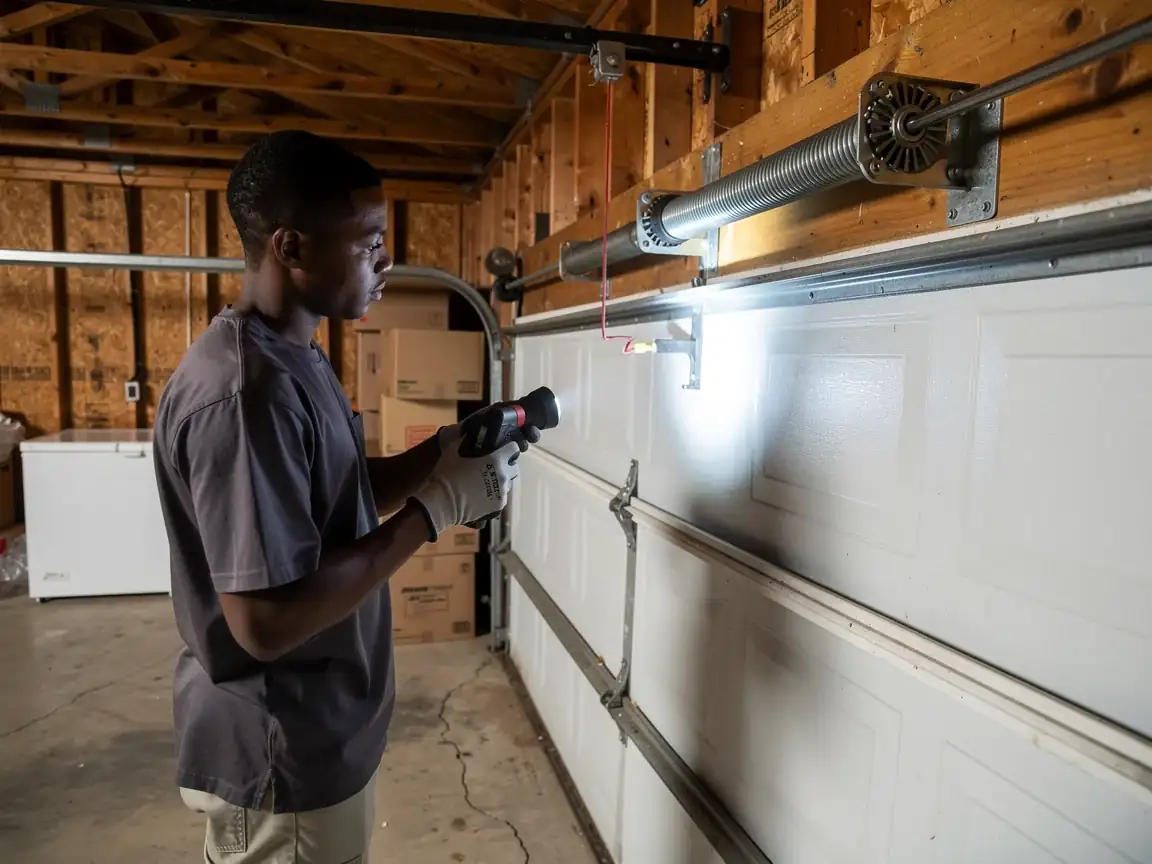
The mistake we see most with houses from this era is treating a rusted extension spring like a simple swap and skipping the bracket inspection underneath it. On a door built around 1973, the ceiling bracket has been carrying load for decades, and if the wood around the lag screws has dried and cracked, a fresh spring on a weak bracket just transfers the failure point somewhere worse - usually the bracket tearing loose under tension. The other place it goes wrong is sizing: putting a modern door-weight spring on an old frame without checking the actual door weight first. We won't quote a repair without opening the panel and checking both.
How It Shows Up
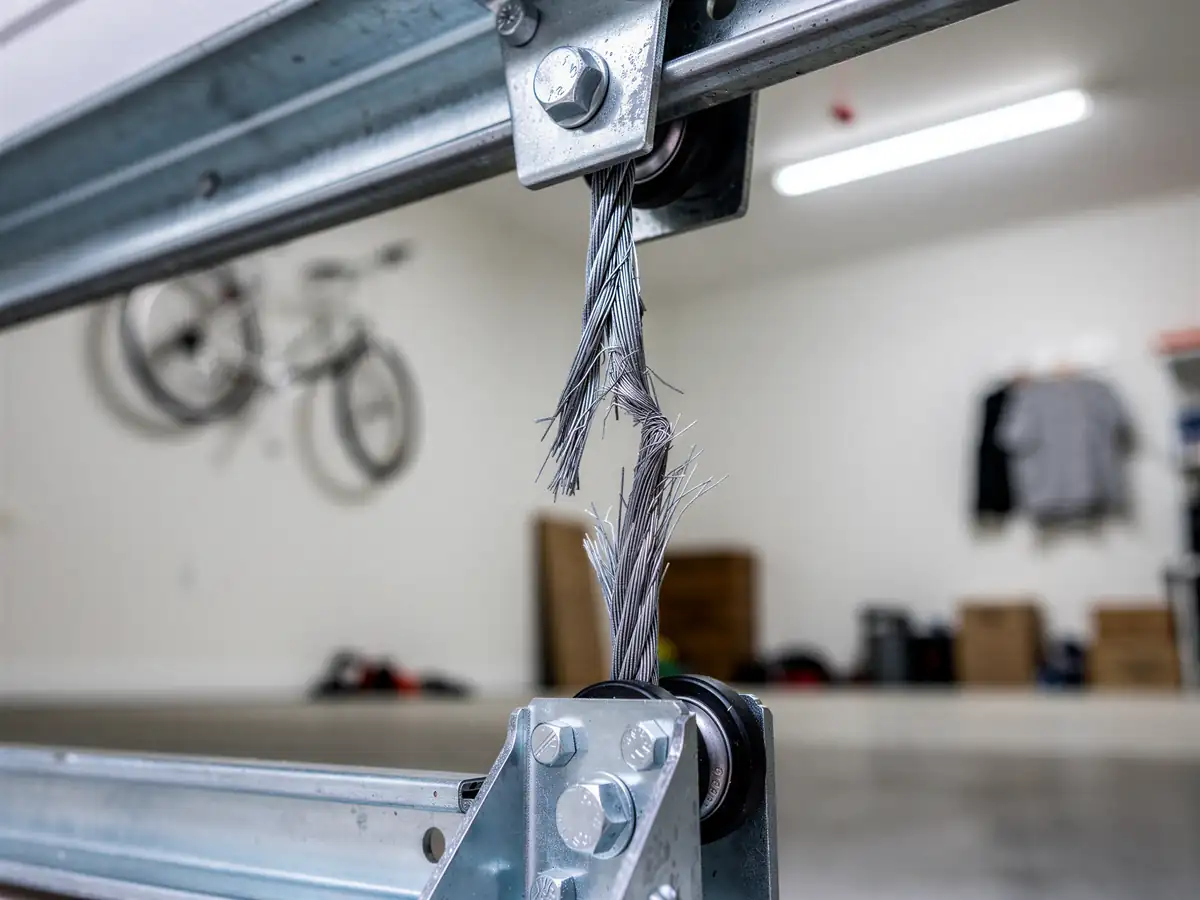
On a door from this period, the first sign is usually a slow sag on one side when the door's about halfway down, which means one extension spring has stretched or snapped and the other is carrying the full weight. You'll also hear it before you see it - a grinding or popping sound as the drum or pulley catches, especially in colder months when the steel has contracted slightly. Openers from this era, if original, tend to run hot and slow rather than cut out cleanly, since the motors weren't built with modern thermal shutoffs.