Why It Happens Here
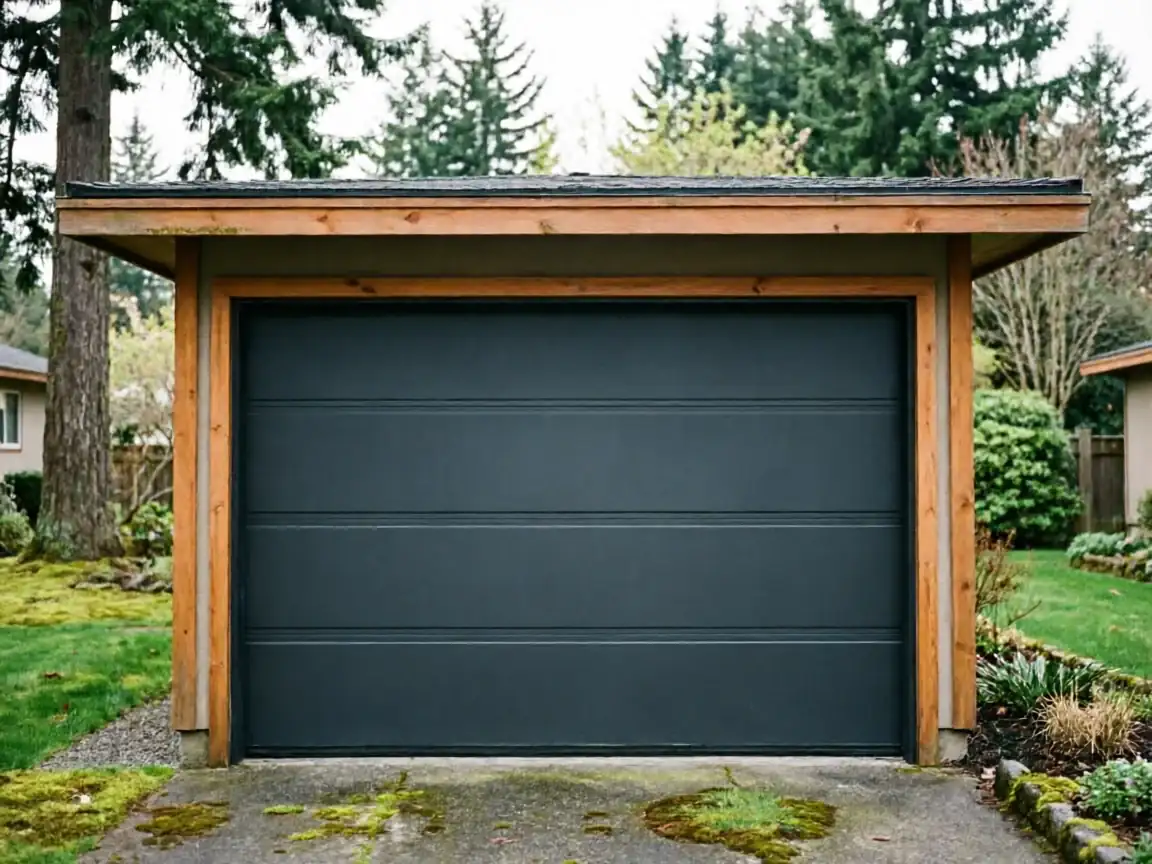
Most of the territory we cover out of Bothell centers on a median build year of 1985, with construction stretching from 1966 to 2001. Mercer Island sits well outside that curve - the median home here was built in 1973. That matters more than it sounds like it should. A door installed in the early-to-mid 70s has already outlived two or three service lives on its panels by the time a 1985-built house up the road is just starting to show wear. The steel gauges, panel widths, and section heights from that earlier window don't always match what's stocked for the newer stuff, so a cracked or dented section here is more likely to need us to source an older profile than to grab something off the shelf. We're not guessing at this from the outside - it's the reason a panel job on Mercer Island gets scoped differently from one in a newer Bothell-area neighborhood before we even load the truck.
Booking a Visit
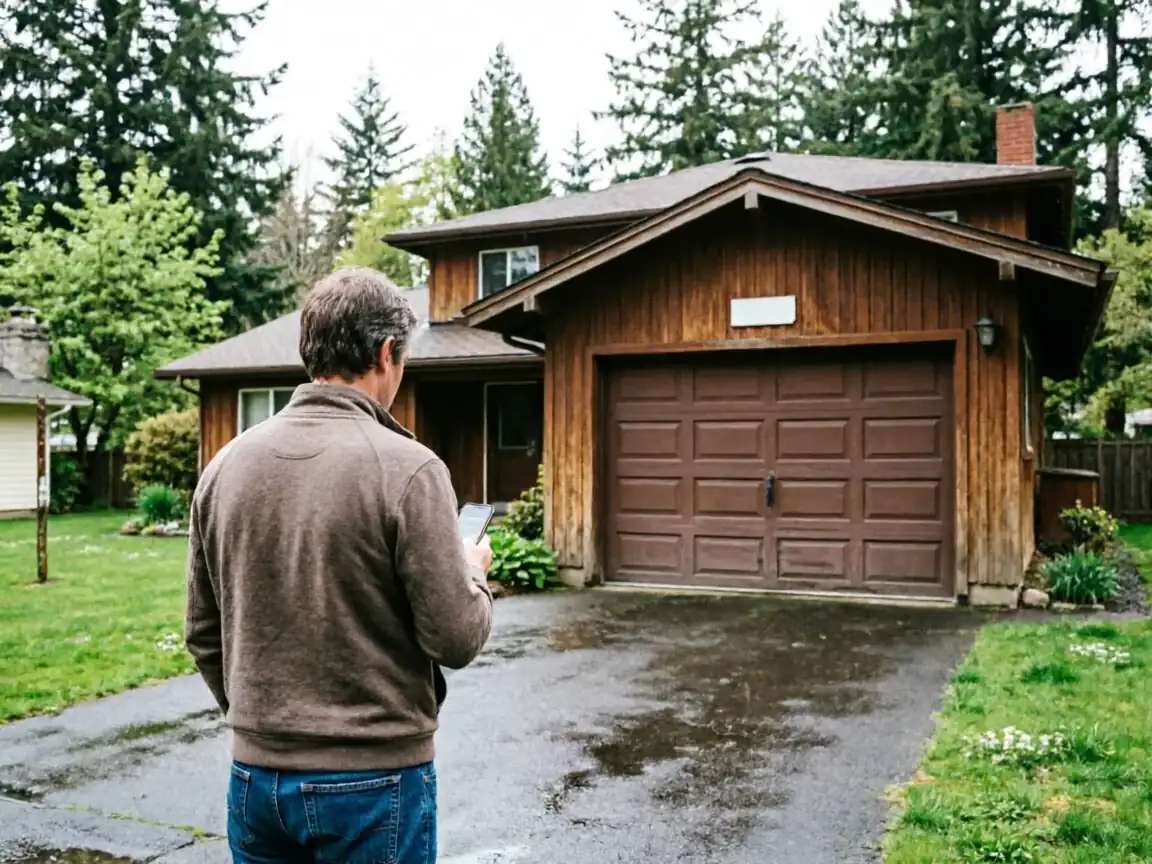
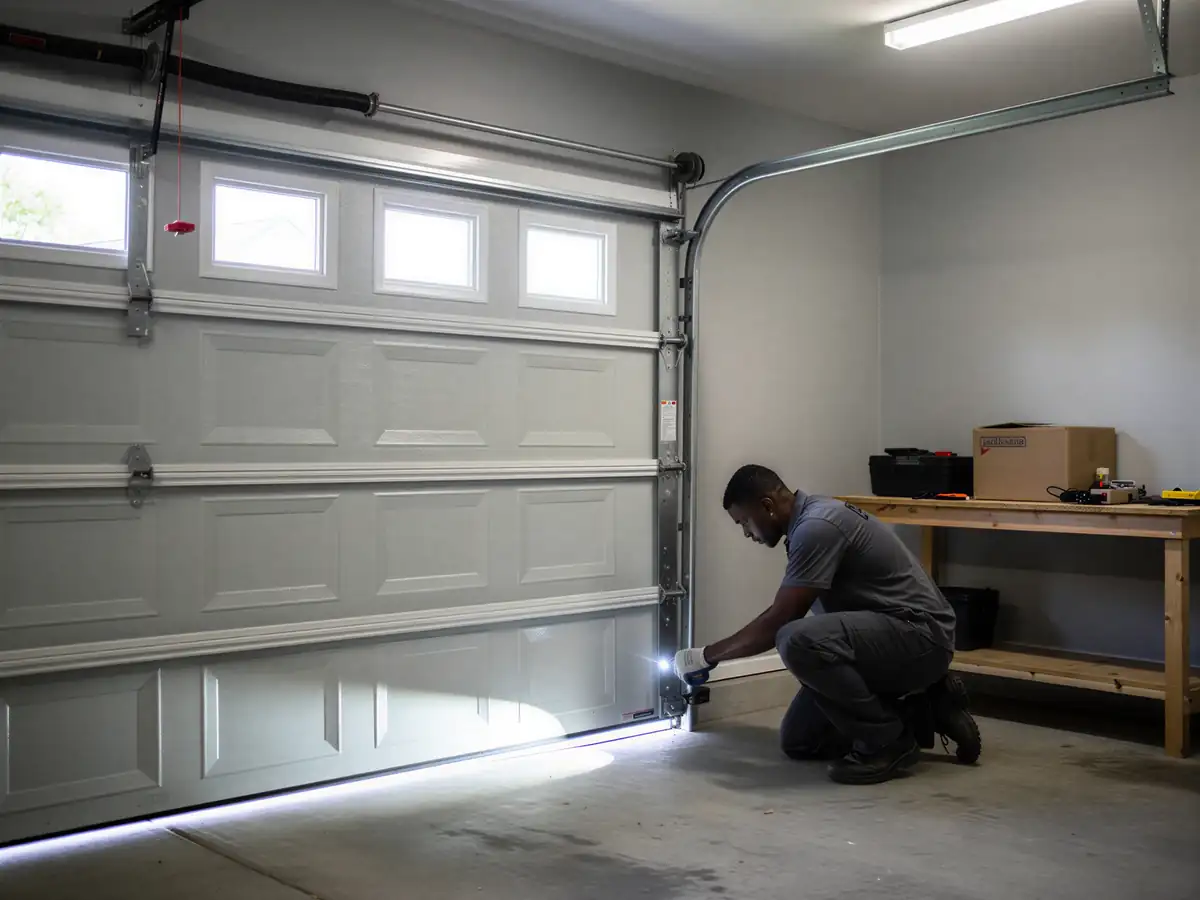
We run this job from Bothell, 14 miles out, and we don't keep a branch or drop box on the island. That means scheduling a panel replacement here works best when you can tell us the make and rough age of the door up front - ideally a photo of the damaged section and, if you have it, the model plate inside the door frame. Because the panel itself may be an older or discontinued style given the 1973 median build year, we'd rather confirm what we're ordering before the truck leaves than show up and find a mismatch. There's no walk-in counter to swing by - every visit here is a scheduled trip, and panel jobs that need a special-order piece get booked with that lead time built in rather than promised same-day.
Where This Job Goes Sideways
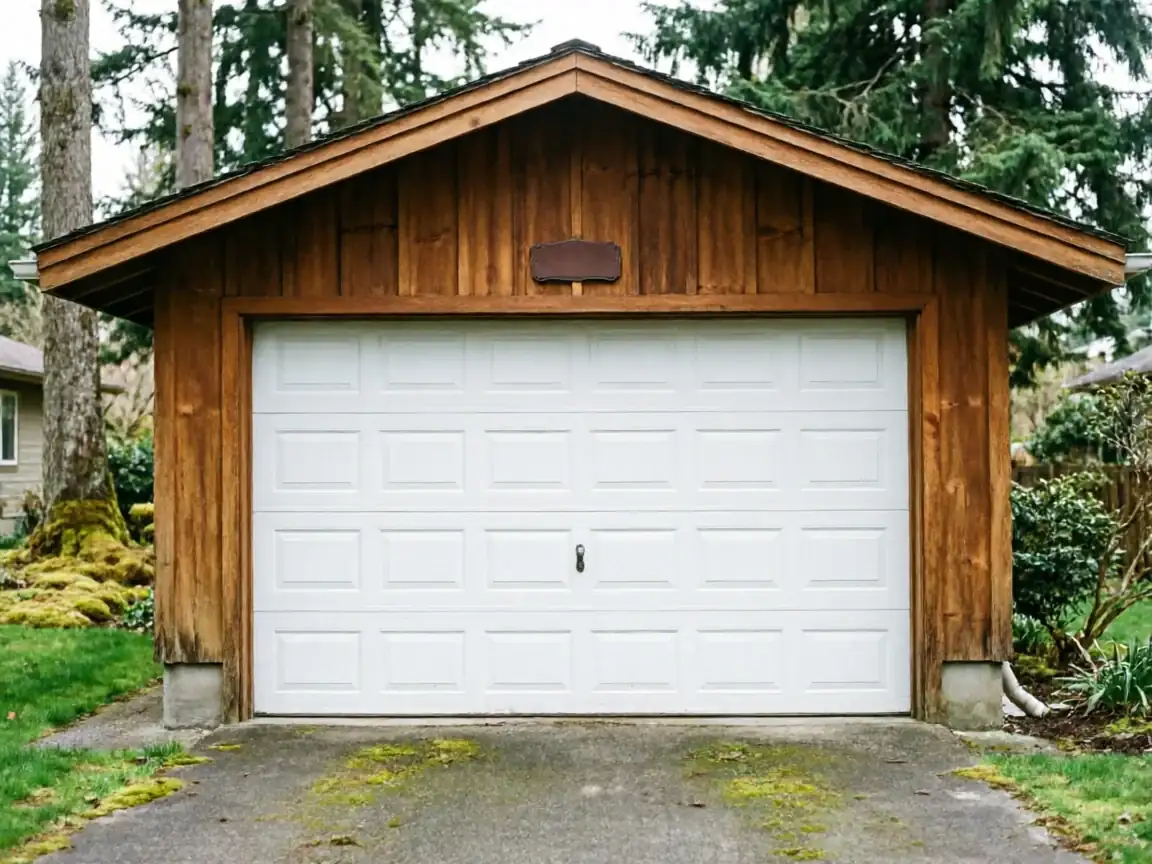
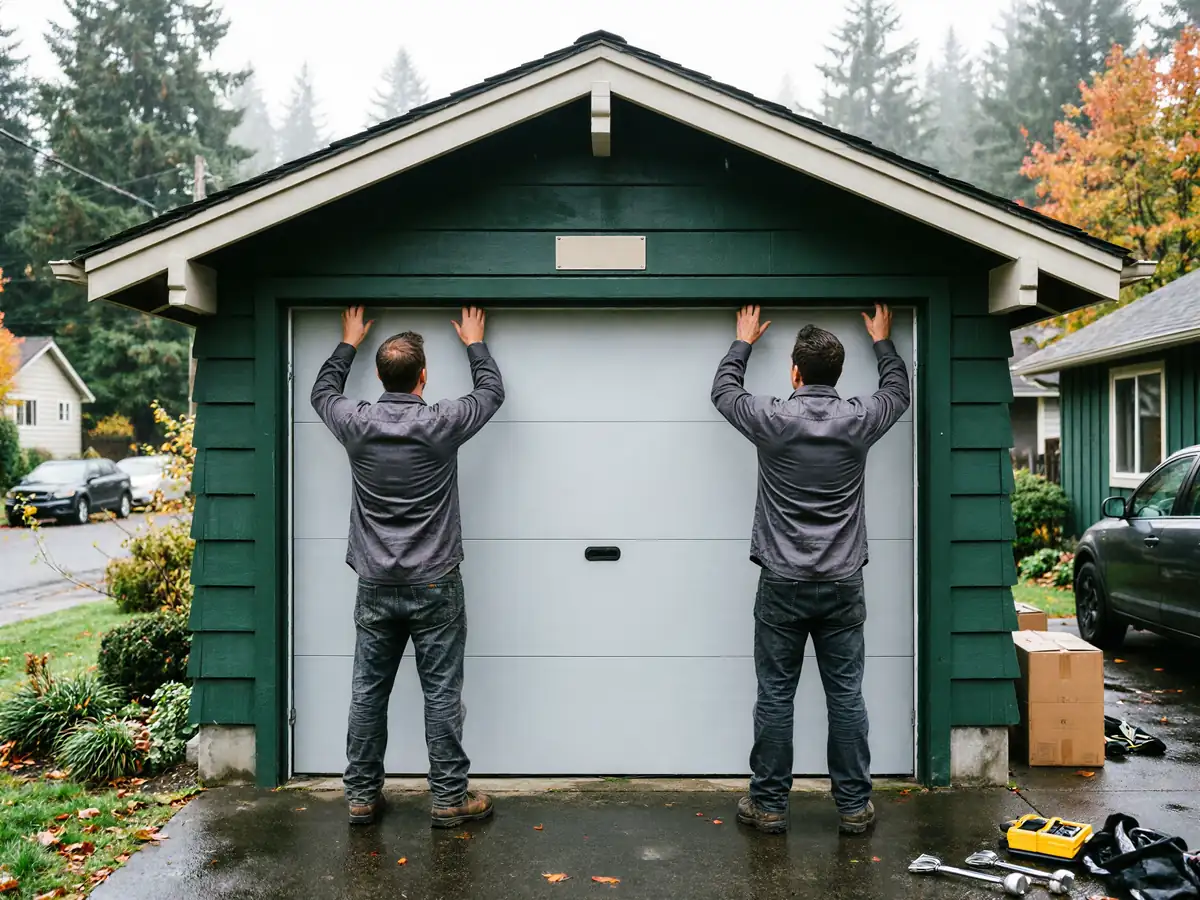
The most common misstep on an older door is ordering a panel that's close enough in size but not an exact match - it bolts on, looks fine for a season, then starts binding against the track or throwing the door out of square because the hinge spacing is slightly off from the original 1970s-era design. The second issue is cosmetic: a single replacement panel on a faded, decades-old door almost never matches the color or texture of the rest of the sections, since paint formulations and finishes have changed since the home was built in 1973. We'll say this plainly - if your door is old enough that an exact panel match isn't available, patching one section can leave you with a door that looks worse than before, and in that case we'd rather tell you replacement is the better call than sell you a repair that won't sit right.
How It Shows Up
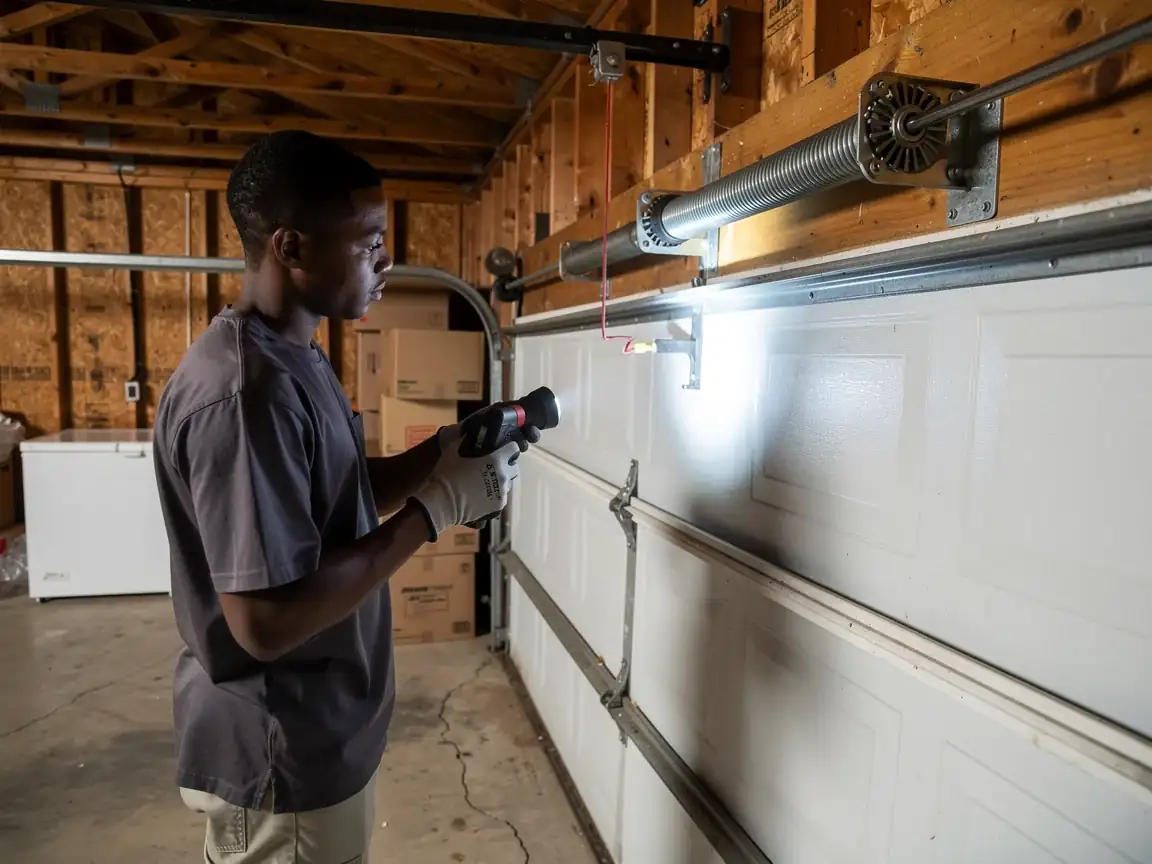
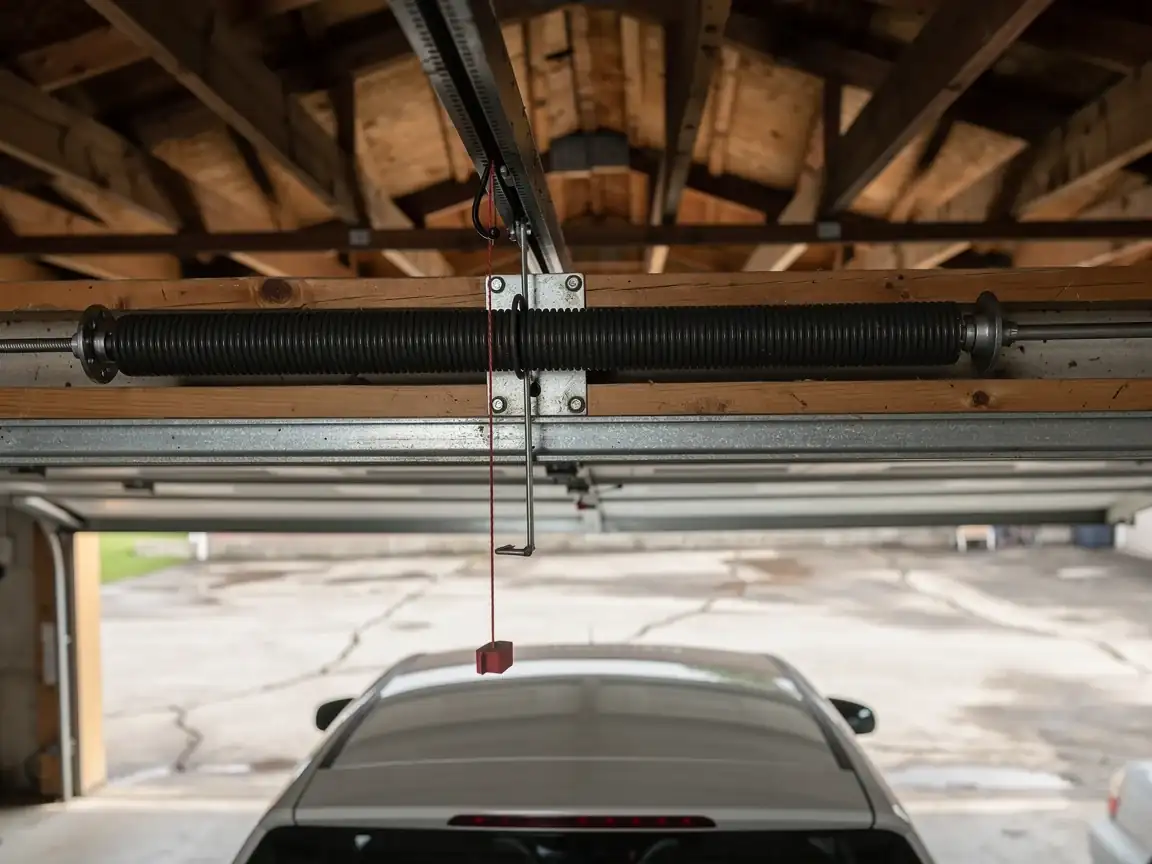
On a door this age, panel damage usually isn't sudden - it's a dent from a car bumper or a basketball that's been there for years, finally rusting through at the crease where water sits after rain. In this climate band, cold and moderate rather than extreme, the failure mode is less about ice cracking and more about slow corrosion at the bottom one or two panels where moisture collects longest. You'll also see warping on lower sections that have taken repeated impact over the decades - the panel bows outward slightly and the door starts dragging on the track even though the opener still runs fine. Sometimes it's simpler: a section cracked clean through from an impact, with the rest of the door structurally sound.