Why It Happens Here
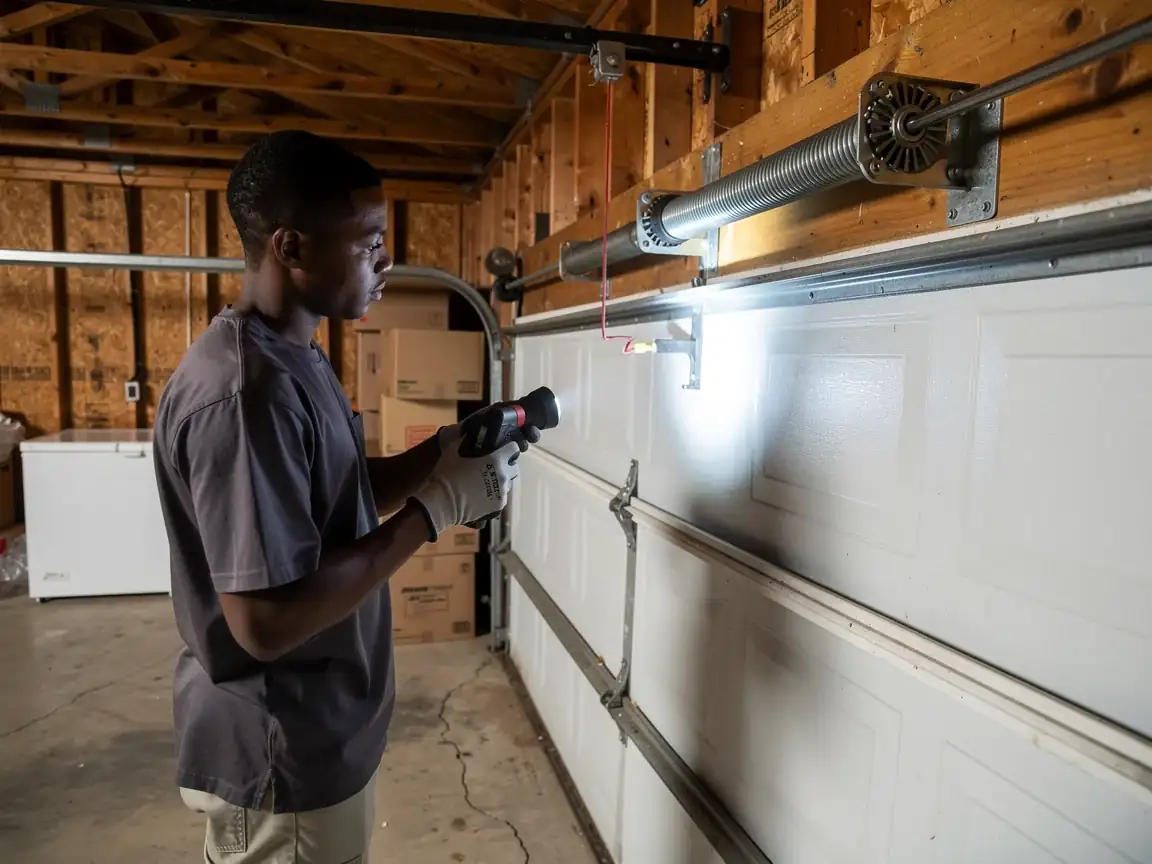
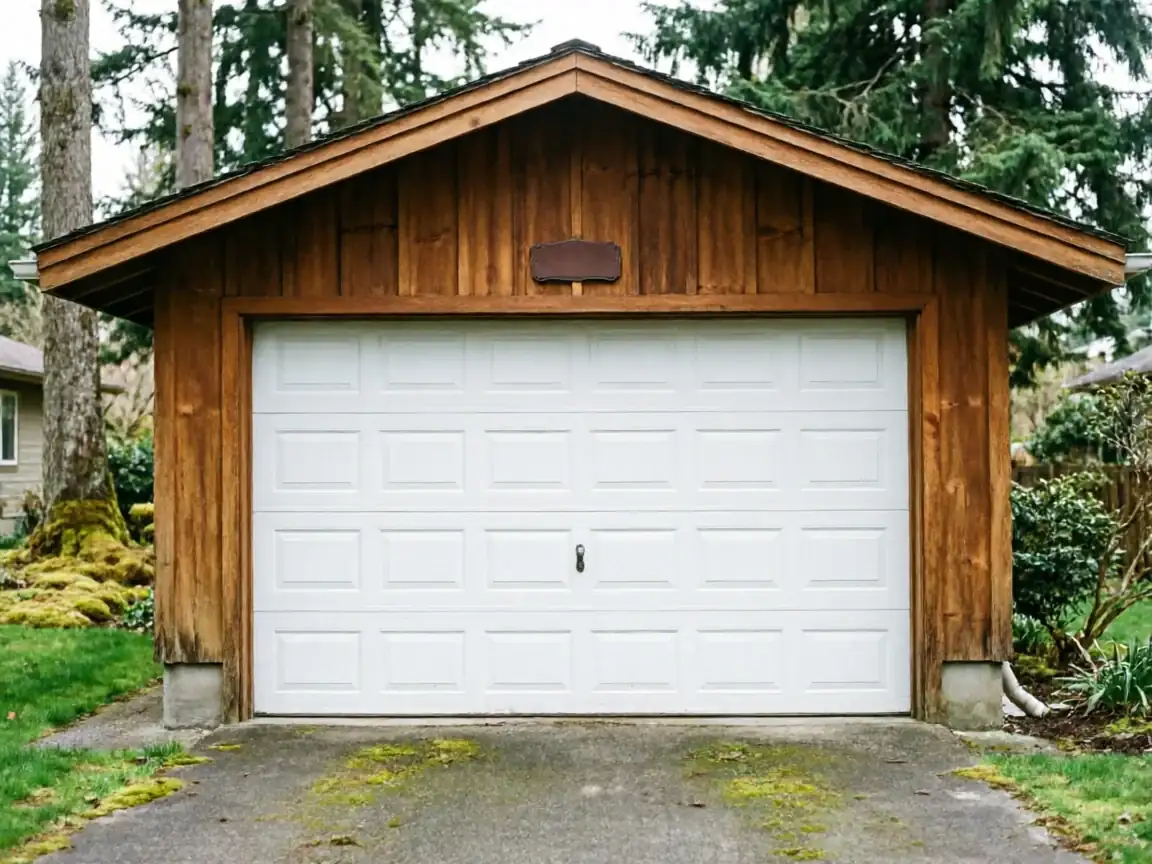
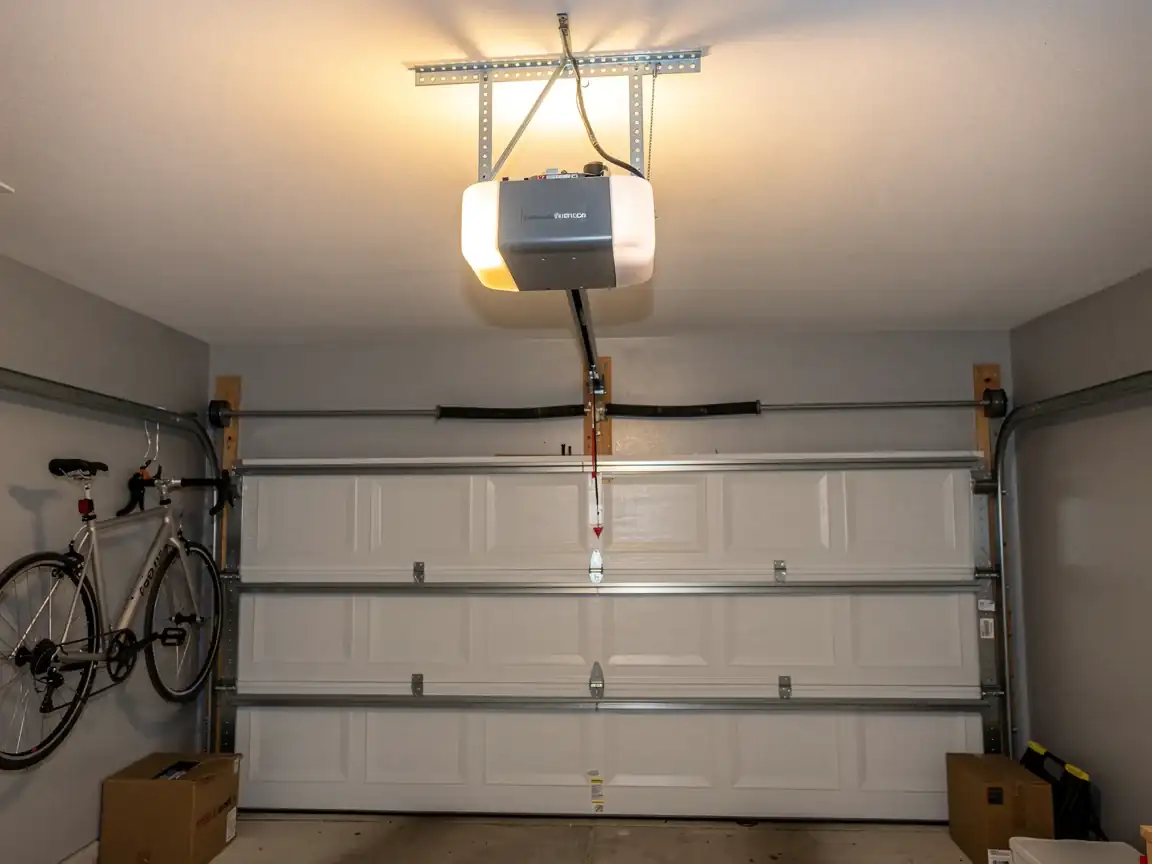
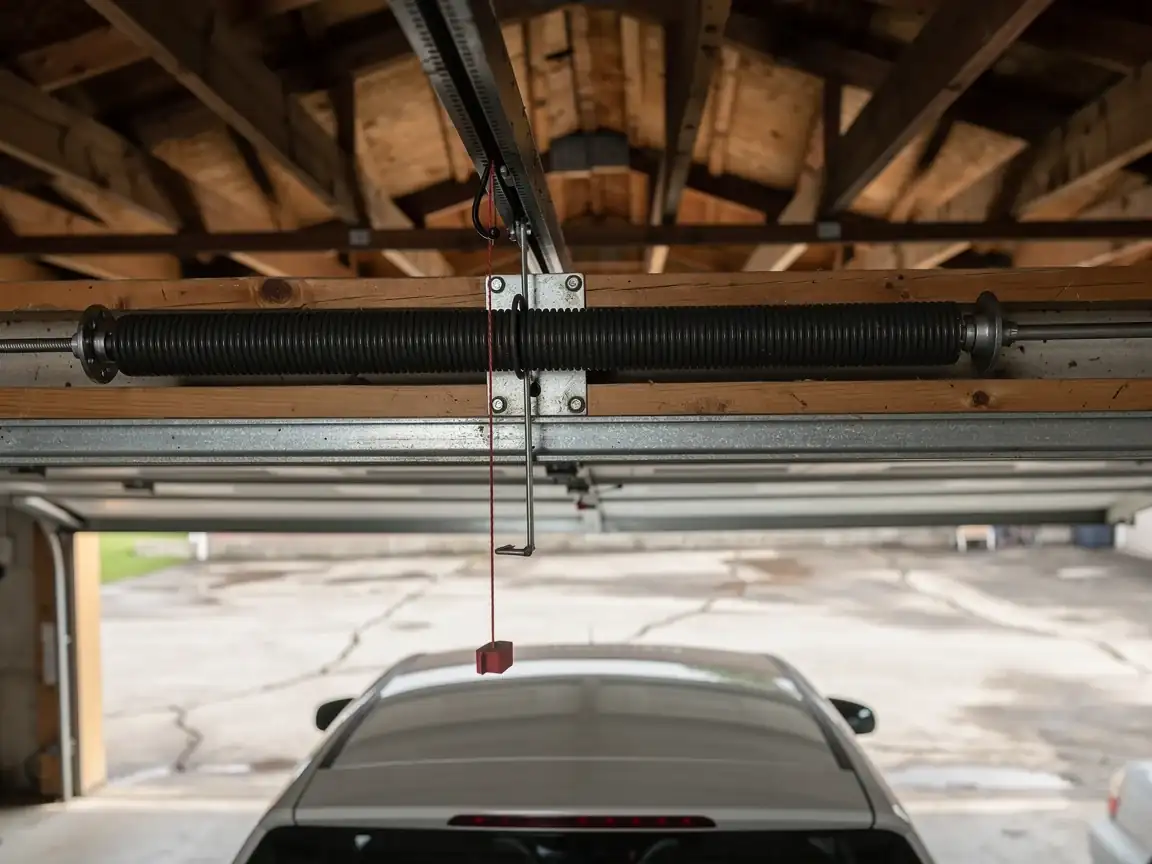
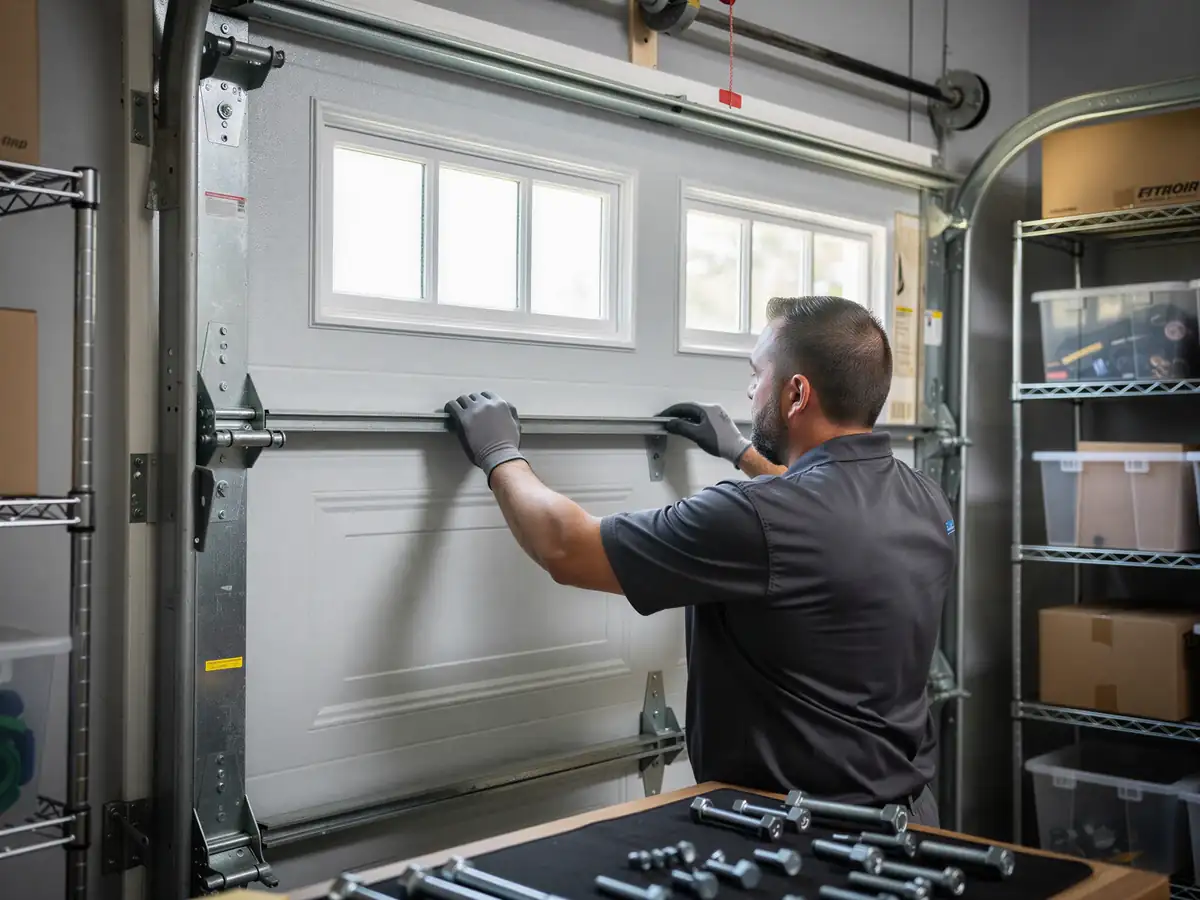
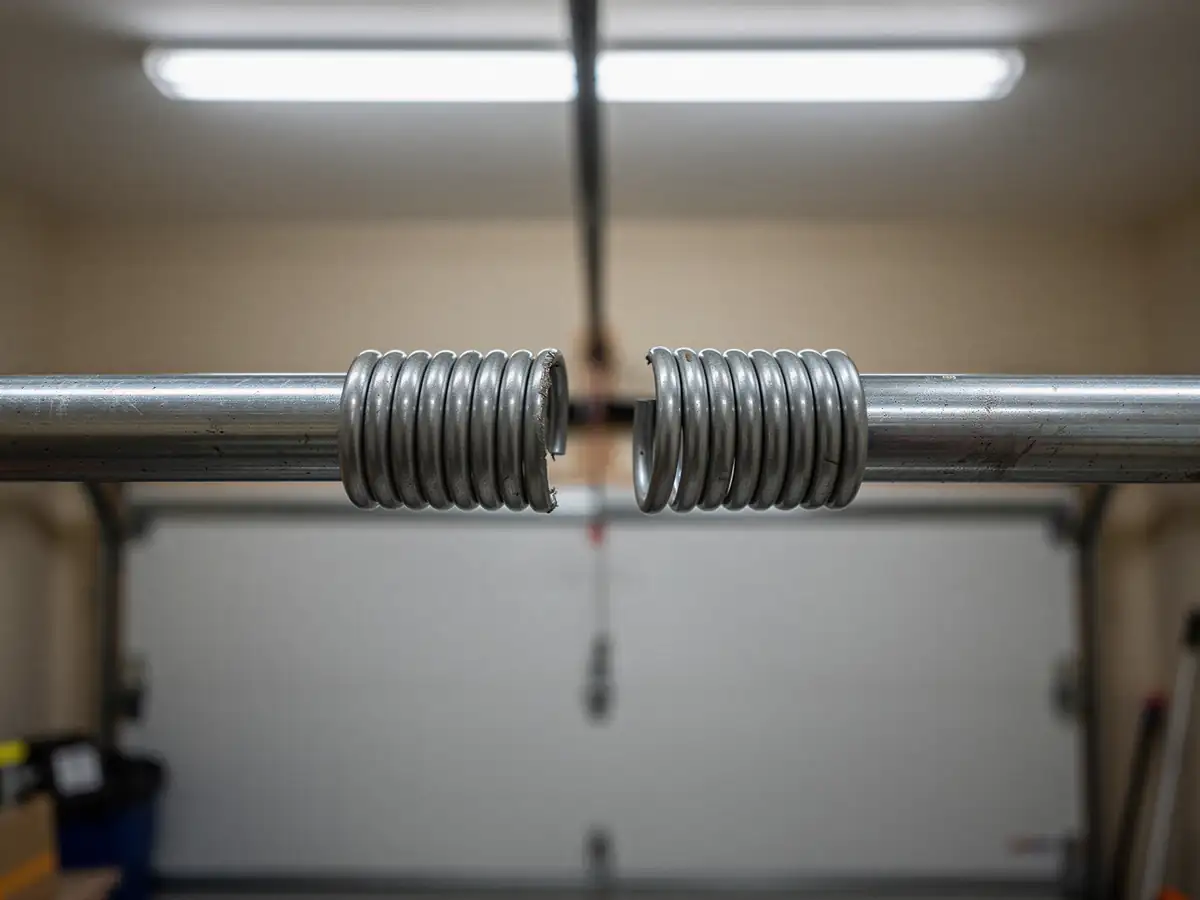
Mercer Island's housing stock centers on 1973, which puts a lot of these garage doors a full decade or two ahead of the typical build year across the rest of our service area. That matters because a torsion spring has a rated cycle life, and a spring wound in 1973 has had fifty-plus years to fatigue even if nobody's touched it. We see a pattern here that's different from the newer subdivisions closer to Bothell: single torsion springs on steel shafts that were never upgraded to dual-spring setups, original center bearing plates, and cable drums that have outlived two or three openers bolted onto the same track. If your door has never had a spring replaced, there's a real chance what's up there is original to the house. That's not a guess about your specific door - we can't see it from here - but it's the pattern the build year points to, and it's worth knowing before a spring lets go in your hand.On a street built in that era, the spring isn't the only thing that's original. Cable, end bearing plates, and sometimes the torsion tube itself can be from the same install. None of that is a problem until the spring fails, and then it's four problems at once.
Booking a Visit
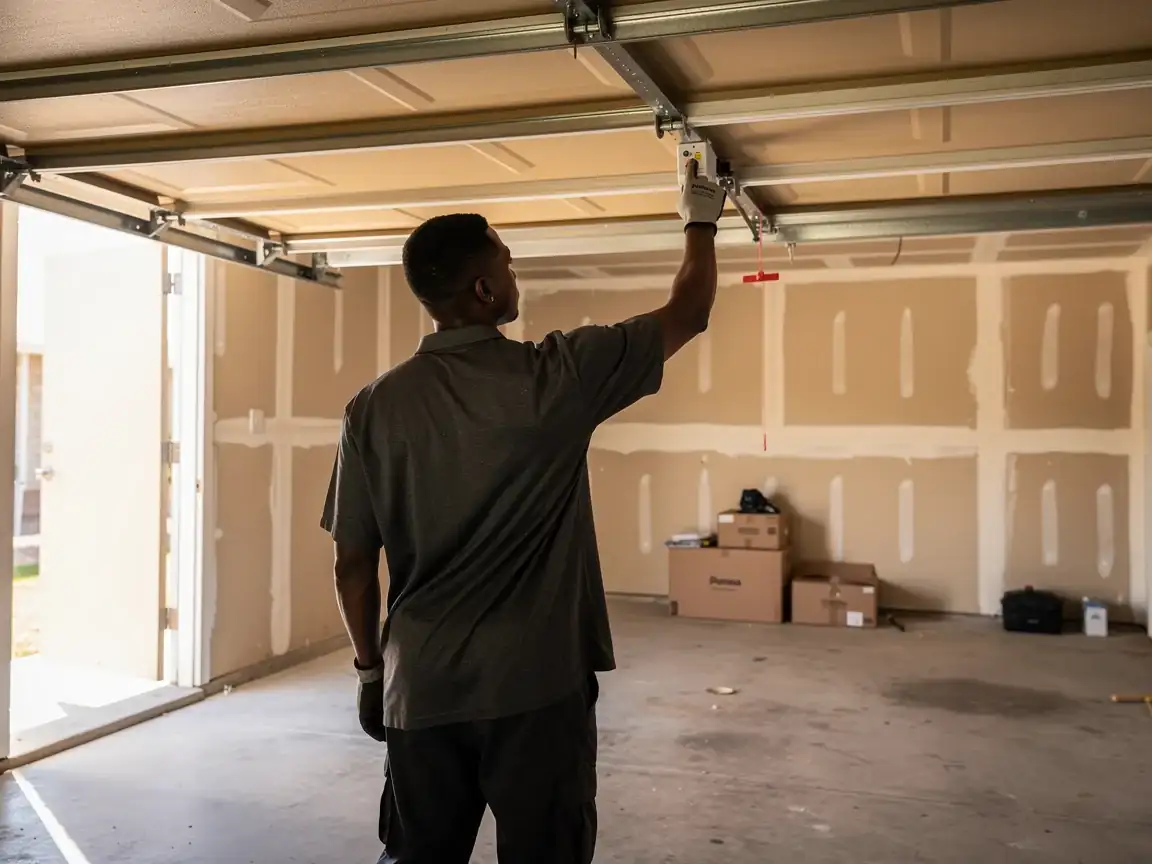
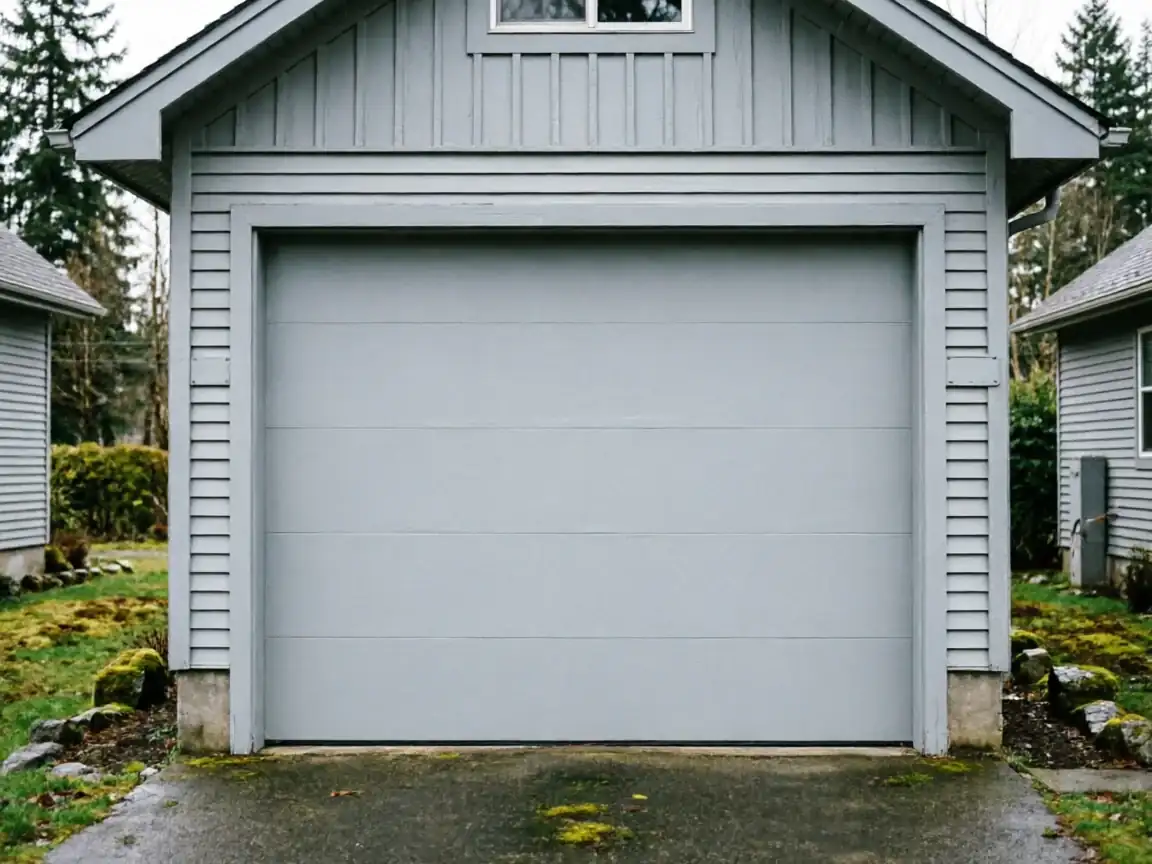
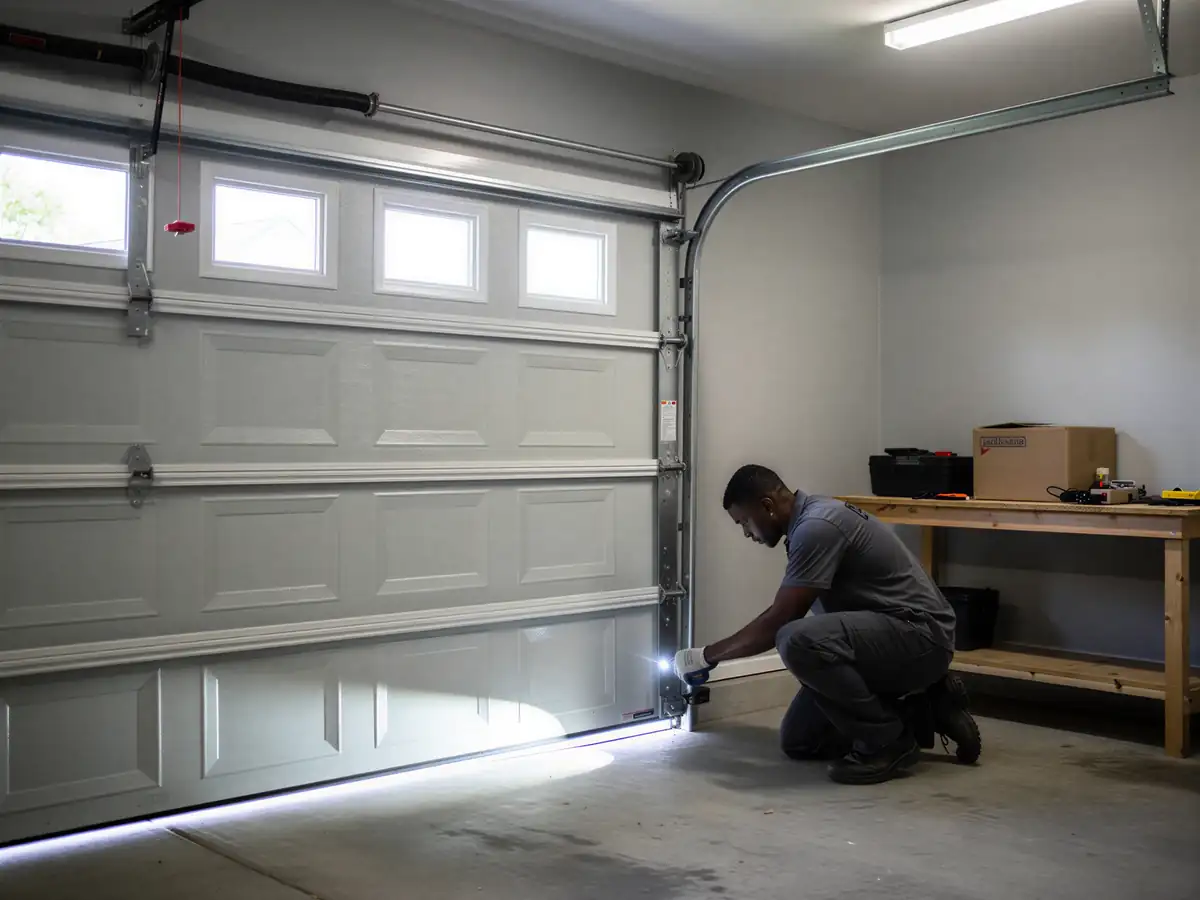
We run out of Bothell, about 14 miles from Mercer Island, so a visit here gets scheduled rather than walked to. That's worth knowing up front: we're not a same-day drop-in outfit for every corner of the map, and Mercer Island is far enough out that we batch it with other calls in the area when we can. Tell us the door size, whether it's one spring or two, and whether the door is still moving at all - a door that's fully down and won't budge gets priority over one that's just making noise. We'll give you a window, not a guess, once we know what we're driving out for.
Where This Job Goes Sideways
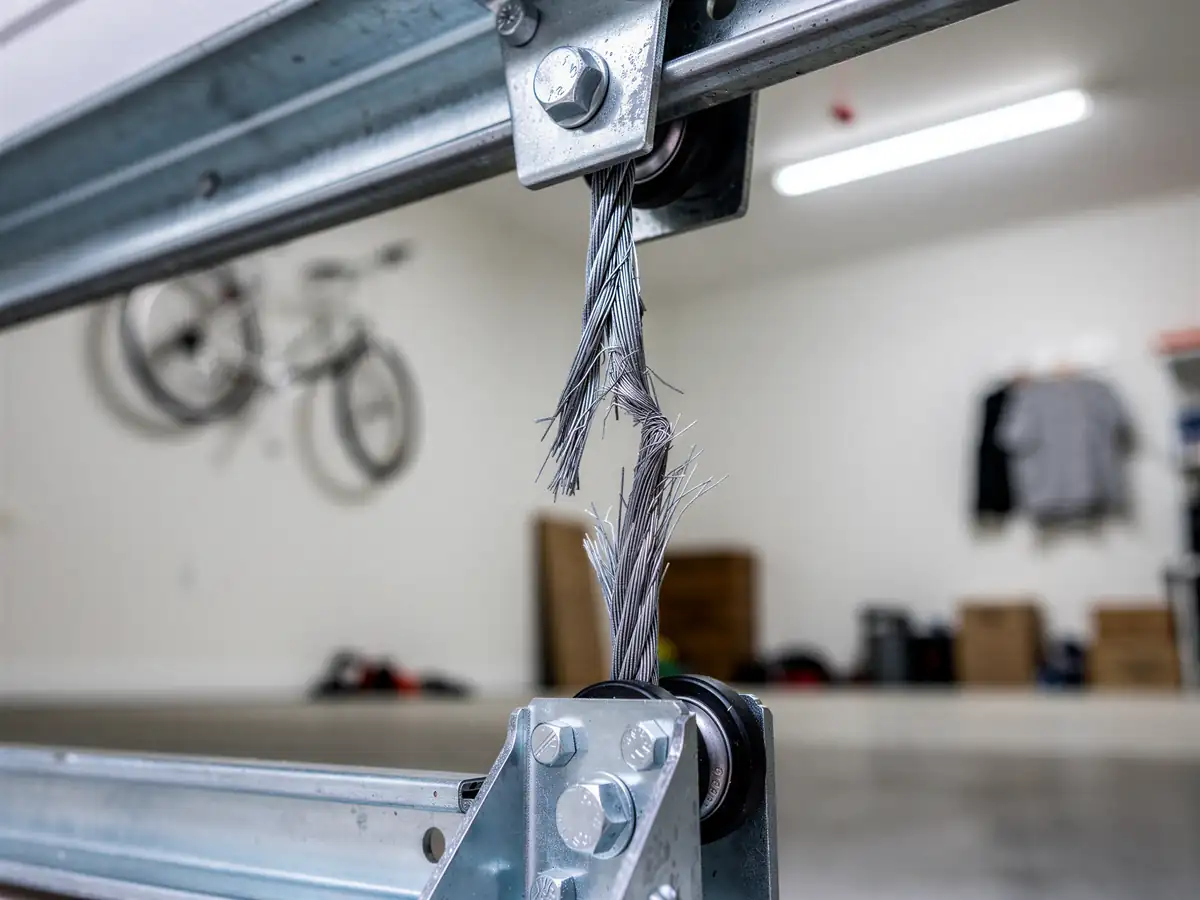
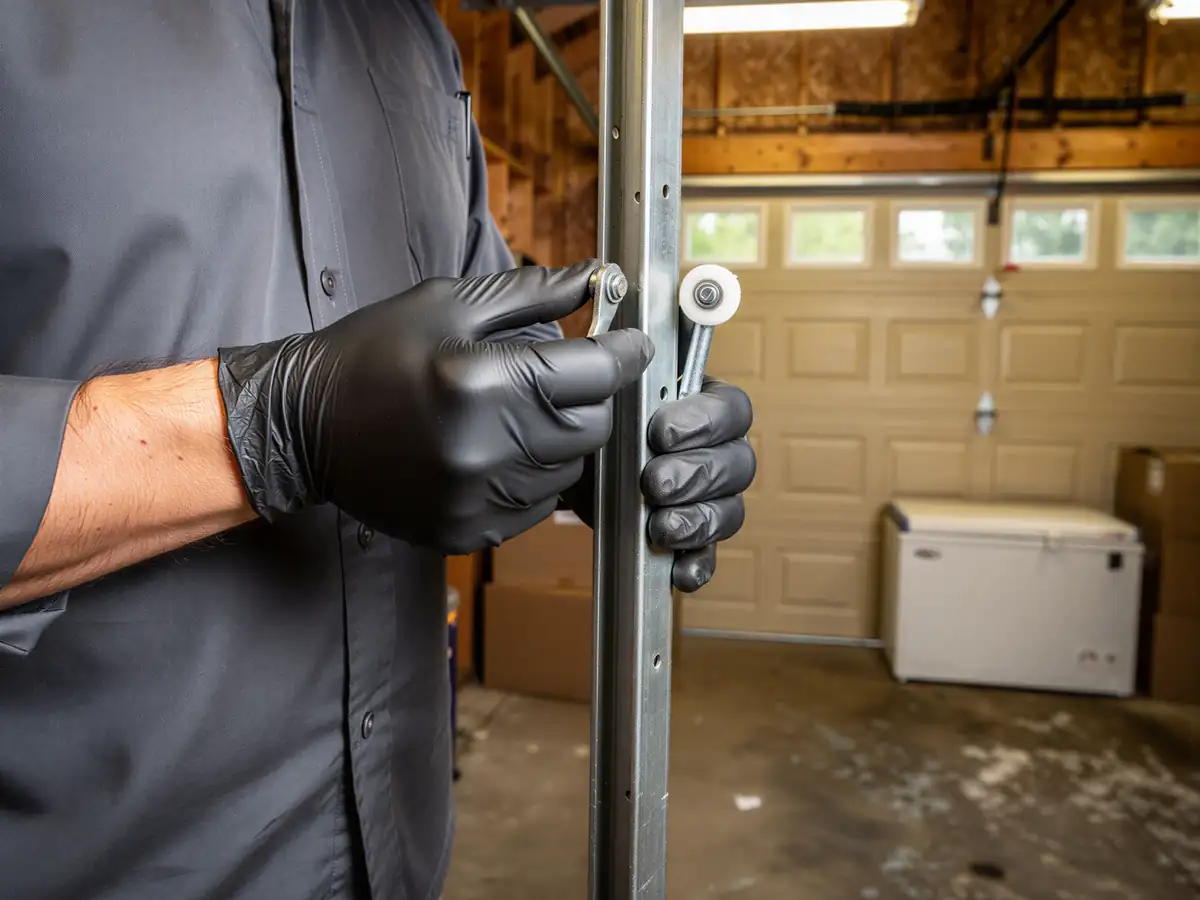
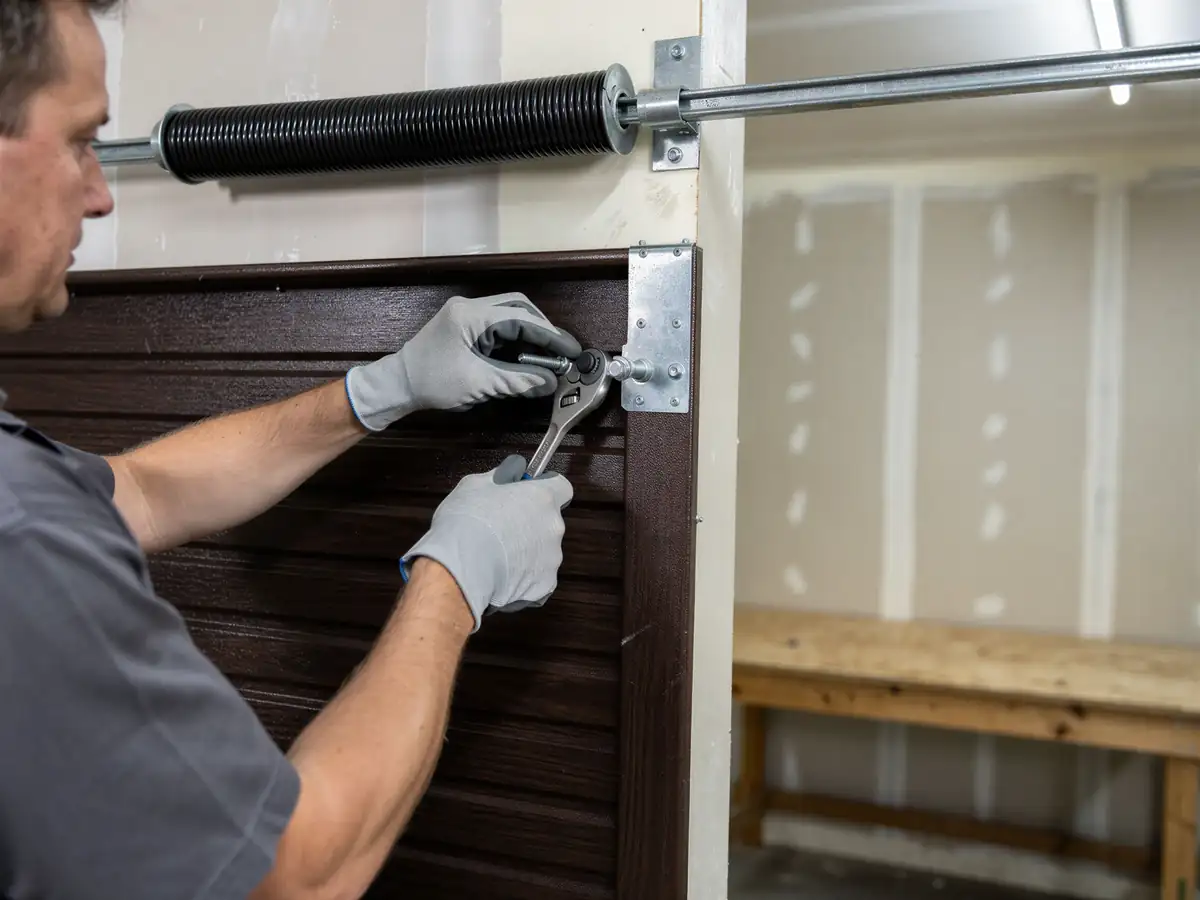
The two ways this goes wrong both start with skipping steps. First: replacing a spring without checking the cable drums and bearing plates on a door this old. If those are original too, they're close to their own failure point, and putting a new spring on worn-out drums just moves the next breakdown a few months down the road instead of fixing it. Second: mismatching spring wind or wire gauge on a double-door setup, which either overloads the opener or leaves the door hanging unevenly. On a door with one original spring and one that's been replaced at some point - which happens more than people expect - the two springs can be different enough that a straight swap job turns into a full reassessment of everything on the shaft.
How It Shows Up
A spring going on a door this age rarely announces itself with a loud bang - more often it's a slow change you notice over weeks. The door starts feeling heavier when you lift it by hand with the opener disconnected. The opener strains and makes a different sound on the first foot of travel. Sometimes one side of the door looks like it's hanging slightly lower than the other, which usually points to a spring that's already partially let go rather than one that's about to. If the door slams down instead of lowering evenly, don't run it again - that's a spring that's done, and running the opener against a dead spring puts strain on the opener itself that it wasn't built to take.